One of the social media trends that has taken social media by storm is live shopping. According to statistics, the live shopping market was valued at $682 billion in 2024. The popularity of this marketing method stems from its ability to merge the best of online and offline experiences. This makes social commerce more than just a transaction, but a fun and engaging experience that builds the user's trust.
As more brands turn to live social shopping, you need a strategy to stay ahead of the competition. Fortunately, this article will guide you in building a converting live shopping strategy that puts you ahead of your competition.

What is Live Shopping?
Live shopping is a marketing strategy where a host displays products in a live stream, encouraging viewers to make purchases in real-time. This allows viewers to watch product demonstrations, submit inquiries, and make purchases all at once. It will enable brands to interact with their customers and target audience.
However, this marketing strategy is also quite popular with influencers and everyday people. It is now common to find a YouTube feed embedded in the live section of a brand's website. Live shopping, also known as livestream shopping, has transformed traditional e-commerce shopping into a fun and interactive experience.
While live shopping has its roots in TV in the 1980s, the digital live shopping experience today offers higher engagement and interaction. As it stands, live shopping originated in China, where it remains a significant presence today.
Western countries are also catching up, with14% of shoppers in the U.S. reporting that they have purchased from a live shopping event, and 19% of others indicating that they would be interested in participating in one. That means there is an opportunity to participate in live shopping. Live shopping is a popular trend today on TikTok, YouTube, and Facebook Live.
How Live Shopping Works
Live shopping has three critical components:
- Consists of a streamed video.
- Happens in real-time and is not pre-recorded.
- Includes the products customers can buy using links, tags, pinned comments, and other online elements.
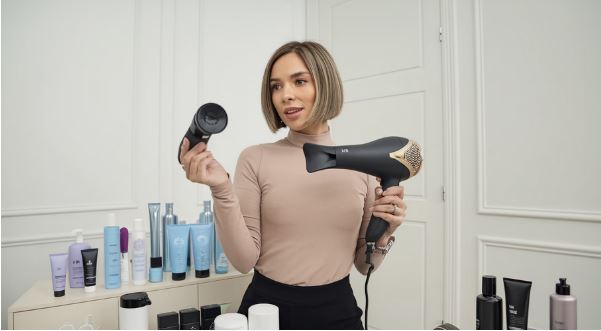
The live shopping event typically occurs on social media platforms, mobile apps, retailers' websites, and dedicated native live shopping spaces. During the event, a person previews the products on the livestream. For instance, they may try out the product, demonstrate its use, highlight its benefits, and offer tips on maximizing its potential.
Viewers of the livestream can also interact with the host via the chat, asking questions and sharing their thoughts on the product. This enables them to understand how the product meets their needs. There are also links to the products featured in the livestream, allowing viewers to click and view their details.
The link may be added as a pinned comment, a sidebar, or a pop-up. Depending on the livestream platform, viewers can make purchases directly from the interface or be redirected to the brand's website to complete their transactions. Brands may offer some discount codes, other bonuses, and special offers valid during the livestream. This encourages customers to watch and even participate in the livestream.
Why You Should Tap Into Livestream Shopping
Live social shopping is a method of online commerce similar to online marketplaces, social commerce, and brand websites. To determine whether this is the right marketing strategy for your brand, consider the following reasons:
More Informed, Engaged, and Inspired Customers
When you use a livestream to market your product, you provide prospective customers with the essential information they need to make informed decisions. This helps them save the time they would have spent watching multiple product views, reading product reviews, or going through dozens of images on the product page. Instead, you provide them with everything they need to know quickly during the live broadcast. Additionally, you can use the live broadcast to educate, entertain, and inspire your audience, making your brand more memorable.
Customers also benefit from the exclusive discounts they often enjoy from live shopping. They also get ideas and inspiration for using the product. As a brand, consider offering live discounts to your customers.
More Successful Launches and a High Conversion Rate
In November 2023, a small TikTok creator with only 50000 followers created a post on the low-rise baggy jeans from Pacsun's Casety. The post resulted in a sale of 11,000 pairs within 48 hours. Since then, Pacsin has started utilizing its TikTok shop to sell products worth $20 million on TikTok in 2024. This clearly indicates that live shopping can be an effective way to increase product sales and conversion rates.
Another brand, TruEarth, which manufactures eco-friendly laundry detergent, reported a 20% increase in conversions during a recent product launch. That means live shopping has helped increase their conversion today.
A Possible Long-term Growth Channel
When you see the impressive results of live shopping, many brands will likely add it to their long-term growth strategy. According to a study by CoreSight Research, brands that regularly host live shopping events can establish a loyal repeat customer base. This is backed by data, as over 50% of live-stream viewers report watching live-stream several times a week. This clearly indicates that live shopping can be added to your long-term strategies.
According to a Coresight report, 5% of all e-commerce sales will be live shopping by 2026. That means you may lose a lot if you do not take advantage of live shopping.
Steps in Implementing a Live Shopping Strategy
If you want to leverage the live shopping features to increase your conversion, follow the following steps:
- Select the product you need to promote. If you have many products, don't try to sell them all on live shopping. A good idea would be to pick no more than ten products. These may include the best-selling products from your recent launch. This will enable you to create messaging around the sale.
- Select the date, length, and time of the live shopping. If you are doing live shopping for the first time, consider avoiding popular shopping periods, such as Black Friday, and instead select less busy seasons. Select the time based on the predominant time zone for your customer base and current audience.
- Choose a format. The format may include an interview, how-to tutorials, an expert demonstrating how the product works, or behind-the-scenes footage of you preparing the orders for dispatch. Depending on the products and the formats, create an outline of what you plan to convey.
- Choose a hosting platform. It's a good idea to pick one platform, such as TikTok or YouTube, since going live on multiple platforms can be challenging.
- Promote the live shopping event. You already have a social media marketing strategy, such as the use of expert endorsement. Utilize these channels to promote the live event, enabling your audience to understand how and where to engage with your brand. You can also provide them with more details, such as what they can expect from the event, its length, the bonuses and discounts you offer, and its general format.
- Prepare the technological tools. Depending on the event format you choose, ensure you have the necessary equipment to host the event, such as a webcam, tripod, additional lights, and the relevant apps you will use.
Choosing the Right Live Shopping Platform
While there are other platforms for live shopping, such as e-commerce sites and live shopping platforms, this guide will focus on social media platforms. While Instagram and Facebook were once among the top live shopping platforms, Facebook has since closed down this feature.
Here are the current top live shopping platforms to consider:
TikTok Live
TikTok has established itself as the top platform for blending entertainment and shopping. Hashtags such as TikTok have garnered over 7 billion views. In fact, the platform has seen many products sell out in record time during its live streams. The platform is popular for live streaming due to its features, including multi-guest hosting, live gifts, and effects.
Some of the key features of the TikTok live shopping are:
- An in-app functionality for checking out.
- Moderation for comments in real-time.
- Interactive features such as polls and Q&A.
- Ability to collaborate with other creators.
TikTok live shopping is an excellent choice for fast-moving consumer goods, fashion items, and beauty products aimed at young consumers. An internal TikTok data report indicates that 67% of users say the platform has inspired them to shop more.
When users join a TikTok live stream, they can engage with the host in various ways, such as subscribing to the host's live community, participating in the chat, reacting to the live stream with virtual gifts, and more. Therefore, if you are in one of the countries where the TikTok Shop is available, such as the U.S., U.K., Singapore, or Malaysia, this is a feature you should leverage.
YouTube Live Shopping
YouTube Live refers to the ability to livestream on the platform. Through this feature, audiences can watch some popular livestreams. Brands, on the other hand, can create live broadcasts to interact with their viewers in real-time. YouTube livestreams can feature a variety of content, including music, fashion, gaming, and beauty.
Some of the key features of YouTube live shopping are:
- Ability to integrate with the Google Merchant Center.
- Monetization of viewers through Super Chat.
- Capability for higher production value.
Brands typically appear on livestreams to demonstrate or promote their products. Other brands may use YouTube to instantly sell their products. It's even possible for marketers to monetize the livestream. YouTube livestreams also have moderation tools to enhance audience engagement and prevent online harassment.
The tools can include the ability to block specific word lists and to assign moderators to ensure users have a positive experience. Another key benefit of the YouTube Live feature is its integration with Shopify, enabling brands to showcase their essential products directly from their online store.
The YouTube Live feature can be an excellent choice for technical products, such as tech gadgets and purchases that require in-depth explanations and demonstrations. This is especially true because YouTube's audience prefers more detailed content.
Pinterest TV
Launched in 2021, Pinterest TV features a curated list of original, shoppable, and live episodes. Initially, it consisted of a list of handpicked creators; now, any creator can apply. Today, Pinterest TV also hosts holiday shopping events featuring shoppable content from top brands, including Wayfair, NUDESTRIX, Jenny Bird, and more.
How to Choose the Right Platform For Your Brand
When selecting a platform for your live shopping, you need to consider various factors such as:
- Location of your audience. Ensure that you choose a platform where you have a well-established presence.
- Product you are selling. Some specific product categories work better for certain products.
- Technical capabilities. The production quality requirement is also a consideration.
- Budget. Consider the platform's cost and the investment you need.
- Analytics requirements. You can get different analytics and insights on other platforms.
Remember that many top brands take an approach to engaging across multiple platforms, tailoring each to its needs while ensuring consistent messaging across channels.
Tips For Increasing Your Conversion With Live Shopping
Unlike what many may think, live shopping isn't about going live and starting to sell. You need a strategic approach to increase your conversion. Here are some of the top tips to consider:
Provide Your Live Viewers with Exclusive Discounts
If you want your live viewers to take action urgently, consider leveraging the fear of missing out (FOMO) to motivate them. During live shopping, you can offer your viewers exclusive deals that they will not find anywhere else. When you do that, you can make them feel rewarded or respected when they show up, giving you the time and the energy.
Some unique offers you can provide to live viewers include discount codes, limited-edition purchases, and complimentary products with each offer. For instance, you can pin a comment with a disassociated code for the viewers watching the live events.
Create Compelling Content
Live shopping content should strike a balance between education, entertainment, and commerce. To create outstanding livestream content, you should start by understanding your audience and setting clear goals. Then, you can focus on creating engaging, authentic, and entertaining content that is helpful and informative to the viewer.
Here are additional tips for compelling live shopping content:
- Provide exclusive discounts. These can help add a sense of urgency.
- Stay authentic. Ensure you have some unscripted moments with genuine reactions to build trust.
- Use storytelling. Tell your audience the 'why' behind the product, rather than just sharing the features.
- Show without telling. Demonstrate to your audience the product used in a real-world application and its benefits.
- Create market segments. Ensure that the livestream features distinct sections to maintain user interest.
- Leverage user-generated content. Add customer reviews and testimonials to your site.
- Build trust. Utilize the host's personality to establish trust with the target audience.
- Encourage engagement. Ask questions, and run polls.
- Repurpose the live stream. Turn them into content that can be shared to increase their reach.
Live Shopping and Loyalty Program Integration
If you run a loyalty program, you can integrate it with your live stream to enhance your viewers' shopping experience. For instance, if logged-in customers join the live shopping event, you can add the product you are marketing to a special wishlist in their account. Alternatively, you can email them later to provide them with a recap.
An example of a brand that does this well is DM, a German drugstore, in its live shopping sessions. It runs live shopping campaigns in Croatia several times a month, only for customers with a shopping account. The livestream features experts discussing topics from the sessions, and viewers can view products related to each topic by simply tapping a list in the corner. Additionally, when viewers appear in the live stream, they receive a coupon that earns them extra points in their loyalty account when they make a purchase.
Leverage Influencer Partnerships
One way to generate awareness and interest in your live shopping is to collaborate with well-known names in your industry. When your target audience sees a popular name in the live, they are more likely to join in as it enables them to engage with their favorite person, which may bring traffic to the livestream.
You can work with various types of influencers for your live shopping event, including nano-influencers and prominent industry figures, celebrities, and even your indirect competitors. For instance, the coaching company 'Snug' partnered with comedian Katherine Ryan, resulting in a 160% increase in virtual consultations and a 450% rise in turnover, with over 6,000 respondents joining their livestream events.
The success was also followed by another Snug in-person and livestreamed event, where the brand aimed to appeal to the millennial consumer base. 11,600 people signed up and won tickets to the gig, resulting in over 100,000 social media impressions that night.
Be Knowledgeable About Your Products
You must show your live audience what your products do and who they are best suited for. A live viewer's experience helps cement the viewer's faith in the product you are selling, which is why live shopping is one of the most effective strategies. To give them this confidence, you need to be specific. Rather than using vague statements that make others sound exaggerated, share some real-life experiences or the benefits people will get from that product.
For example, when discussing herbal tea, instead of saying, "This is the best herbal tea remedy you will ever need," you can say something like, "This herbal tea is great for weight loss because it reduces your appetite and increases your metabolism." One brand that demonstrates a strong understanding of its product is Celeste Sol.
In their livestream, Tiffany Joachim, the brand's CEO and founder, encourages purchases by saying, "This is an excellent piece for people who hate weighing down their ears, as it's as light as air. It doesn't hurt, and you will hardly feel it in your ears." Through these words, she is offering a guarantee that it helps buyers solve a problem.
Focus on Engagement and Authenticity
Live shopping is also a two-way process, serving as a channel for both sales and marketing. If you focus solely on speaking to your audience without listening to them, your livestream will have little impact. Therefore, focus more on driving engagement and authenticity. When you add an interactive experience for your customers after theft, ask questions and provide real-time feedback, you create a sense of community around the brand, resulting in repeat business and increased loyalty.
A good example of a brand that effectively generates engagement is HeftyBerry, which specializes in interior decorations and handmade wreaths. The brand focuses on authenticity, generating sales of over $50,000 in a single day through its live shopping events. Similarly, Primtemps, a French luxury designer store, wanted to connect with its customers through live shopping.
The brand focuses on making its customers and viewers feel more comfortable with the live shopping experience. Therefore, it added the live shopping feature to its website. Then, it asked its audience to vote for the best time for live shopping. This allowed its audience to get insights from its personal shoppers.
Understanding the Live Shopping KPIs
A good live shopping strategy cannot be complete without tracking the success rate. You need to track several metrics. These are:
- Viewership metrics. Consider the average watch time, peak concurrent viewers, and the total unique views.
- Conversion metrics. These include the conversion rate, click-through rate, and the add-to-cart rate.
- Revenue metrics. These include the revenue per view, total sales, and the average order value.
- Brand metrics. These can include sentiment analysis, follower growth, and returning viewers.
Keep in mind that these metrics provide valuable insights into various aspects of live shopping performance. This enables you to optimize for instant sales and build the brand in the long term.
The Emerging Trends in Livestream Shopping
Looking ahead to the future of livestream shopping, here are some trends that will shape live shopping experiences:
- AI-enhanced experiences. The AI will impact live shopping by personalizing shopping recommendations based on viewers' behavior.
- Integration with augmented reality. AI will add product visualization and try-ons.
- Shoppable ecommerce livestream. This can ensure a seamless buying experience within the video experience.
- Increased content interaction. In the future, we anticipate seeing more sophisticated viewing options.
- Cross-platform simulcasting. This will enable multiplatform broadcasting.
By staying ahead of these trends, you can position your brand to capitalize on the continued growth of live shopping.
In Conclusion
Live shopping enables the convergence of social media, entertainment, and commerce, allowing for seamless integration of these elements. It helps to bridge the challenges of traditional online shopping and is an excellent option for community building, real-time interactions, and memorable experiences. It, therefore, empowers brands to build stronger connections with their audience while getting some phenomenal business results. You can follow our detailed guide, which will prove helpful if you are starting live social shopping.
