With close to 3 billion MAUs as of early 2026, Instagram can be a top platform for marketing your brand, product, or service. However, as competition for discoverability on the platform increases, you need to use the right strategies to boost your visibility. One way to do that is through a strong Instagram hashtag strategy.
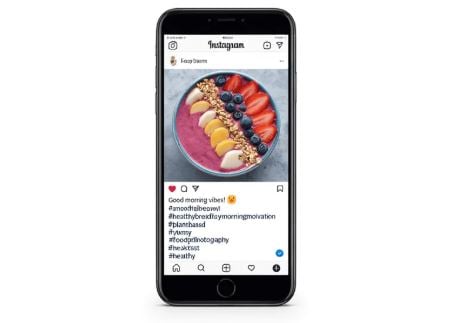
Using the right Instagram hashtags can help your content reach the right people, stand out, and achieve your social media goals. It can be a crucial part of an Instagram marketing strategy for small businesses. However, hashtags aren't just a passing trend. They play an important role in categorizing the content and ensuring that it reaches your target niche. In this article, we will guide you on creating an outstanding Instagram hashtag strategy that will work in 2026.
What are Instagram Hashtags?
Instagram hashtags are words and phrases that start with the # symbol, used to discover and categorize your content so it reaches the right audience. While they no longer boost content reach, they offer important insights for the algorithm and for users searching for specific topics. It is recommended that each social media post include 3 to 5 highly relevant hashtags.
Hashtags can be a simple but powerful tool for categorizing content, enabling users to easily find topics related to their niche. From #homeworkout to #SEOtips, hashtags connect users with the content they are searching for. The Instagram algorithm prioritizes posts with relevant hashtags, enabling users to find content that aligns with their interests. When you click on or search for a specific hashtag, you can explore the reels, stories, and posts related to that topic.
Why Hashtags Matter on Instagram
While it's no longer possible to follow hashtags on Instagram, they still play an important role. When you use the relevant hashtags in your Instagram hashtags, you can enjoy various benefits such as:
- Higher visibility. Hashtags can help you amplify the reach of your content by putting it in front of a bigger and highly targeted audience.
- Higher engagement. If your Instagram posts feature the relevant hashtags, this can increase their number of likes, shares, and comments.
- Algorithm signal. Hashtags enable the Instagram algorithm to categorize content more effectively, improving its placement in search results and on the Explore page.
- Better content organization. Hashtags can group related posts, making it easier for brands to track user-generated content.
- Community building. Hashtags bring together users with a shared passion or interest.
- Niche targeting. You can use certain hashtags to reach a highly engaged audience in a particular area of interest.
- Higher engagement. Hashtags can help show your post to communities of people searching for content in your niche.
Developing an Instagram Hashtag Strategy
Now that you understand the role of Instagram hashtags, here are the steps to use in adding an Instagram hashtag strategy:
Research For the Relevant Hashtags
A good Instagram hashtag strategy usually begins with research. You should take the time to research your audience and identify the hashtags that resonate with them. Some of the key elements to incorporate into your hashtag strategy include:
- Audience analysis. You need to study the behaviors and interests of your target demographic to identify the hashtags they are likely to engage with. Make sure your choice of hashtags aligns with their pain points, interests, hobbies, and location.
- Hashtag relevance. When you use irrelevant or random hashtags, these will not serve the purpose and may even negatively impact your reputation and relevance. This is why you should ensure that your hashtags align with your audience's interests, brand identity, and content strategy.
- Competitor research. Take time to study the hashtags used by your competitors and influencers. Not only are these a great source of inspiration, but they can also provide insights into opportunities and gaps in your own content strategy.
Combine Niche with Broad Popular Hashtags
A common mistake creators make is assuming that the most popular hashtags will give them visibility. They forget that these hashtags are also used by many big brands with large audiences, making the competition for visibility stiff. This is why a good strategy should combine the niche and popular hashtags to increase engagement and reach.
Here are examples of each of these:
- Broad and popular hashtags. These hashtags consist of broad terms such as #Love #workout or #Money that usually have millions or billions of searches. These can be a good choice for exposing your brand to millions of users, but they can be competitive.
- Niche hashtags. On the other hand, you can also use smaller, niche-specific hashtags such as #smallbusinessloans or #singlesgifts to connect your brand with your target audience. While the search volume for these hashtags is lower, they also have a higher engagement rate because they target people with a genuine interest in the content.
So, how do you combine these two categories of hashtags? If you have an Instagram page that offers financial advice, you can use the #money and the #smallbusinessloans hashtags. You can read our guide on the best Instagram hashtags for small businesses.
Add Location-Specific and Seasonal Hashtags
In addition to broad and niche hashtags, you can include season- and location-specific hashtags.
- Seasonal hashtags. These can be especially important for tapping into seasons or holiday events. For instance, in December, you can use hashtags such as #HolidayShopping. In February, you can use a hashtag, like #couplesgifts.
- Location hashtags. If your business or content targets an audience in a specific location, you can include location-specific hashtags, such as #exploresaltlakecity or #massagecalifornia. This can help you boost your visibility among the audience in that location and improve your content's relevance.
Leveraging Hashtag Generators
One of the best ways to create hashtags easily is to leverage tools that streamline your hashtag research and save you time. Here are some of the options:
- Hashtag generators. You can use tools such as Later, Hashtagify, and Hootsuite to find some trending hashtags relevant to your niche.
- Hashtag sets. Make sure your Instagram hashtags are saved and organized by content type and theme. For instance, you can have different sets for food, fitness, and travel.
Monitor and Optimize
No matter how good your Instagram hashtag strategy is, you cannot tell whether it will work until you test it. You can, therefore, optimize your posts with the relevant hashtags. When doing that, you can track different metrics such as:
- Reach. This will track the number of unique accounts that see your posts.
- Engagement. The number of comments, shares, likes, and saves.
- Impressions. The number of views the hashtags generate.
You can use these metrics to adjust your strategy, remove the underperforming hashtags, and try out new ones.
Adding and Formatting Instagram Hashtags
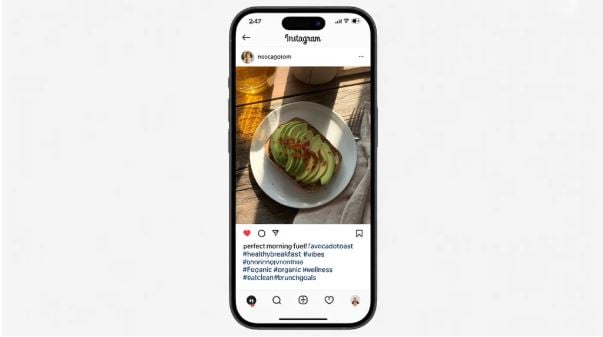
You have now found the relevant hashtags to use in your content, which brings you to the next question. Where should you use them? This is an important question, as the placement of hashtags will affect everything from how the algorithm views them to audience perception. Traditionally, the caption and the first comment have been the top locations for placing hashtags.
When you put the hashtags in the caption, it means they will start to be seen immediately after you publish your posts. This can be an effective strategy, especially when you are scheduling content. However, placing the hashtag in the first comment means you will have a clean caption, allowing users to focus fully on the message. If you choose to add the caption in the first comment, you need to be fast enough to ensure your comment is the first one.
A good hashtag strategy isn't only about knowing where to use the hashtags but also about choosing the right ones and using them well.
Here are several tips on doing that:
- Limit the number in each post. While Instagram allows up to 30 hashtags, overusing them can look spammy. Ensure you add at least 3-5 hashtags.
- Placement of hashtags. When creating Instagram stories, you can hide the hashtags behind stickers or resize them to maintain visual flow.
- Add hashtags in the comments. You should aim to keep captions clean, so place some of your hashtags in the comments section to ensure they look clean and visually appealing while still enjoying them.
No matter where you choose to add them, you should avoid having a wall of hashtags, as this looks spammy. It's also quite distracting and can dilute your message. A good idea for adding hashtags is usually to create a visual space. After adding the main message and the call to action, you can include some line breaks. You can do that using a single dash, period, or subtle emojis on every line to push down the block of hashtags. This will ensure that they appear in the read more section, providing a clean aesthetic.
In Conclusion
While Instagram has stated that hashtags will no longer be used to search for content, they can still be an important part of your posts. Not only will it group your content in the right category, but it can also help your content to be seen by the target audience. However, this can only happen when hashtags are used well.
By following this guide, you can be assured of a good Instagram hashtag strategy that brings the desired results. We recommend you also read our guide on advanced TikTok hashtag strategies for niche markets.
