YouTube Shorts have emerged as a popular content format, with over 200 billion views per day. Additionally, over 2 billion people view Shorts every month, making them a perfect choice for enhancing brand visibility. However, according to YouTube, over 12 million Shorts are uploaded on the platform every day, so you need a good strategy to scale fast with YouTube Shorts.
Competition for visibility can be stiff, and getting your Shorts to generate visibility and make money with YouTube Shorts can seem hard. One way to stand out from the competition and generate more views is to understand the Shorts algorithm. The algorithm relies on a number of metrics based on users' watch history and user interactions to determine what content to show viewers. In this article, we provide a detailed guide on the mechanics of the YouTube Shorts algorithm.
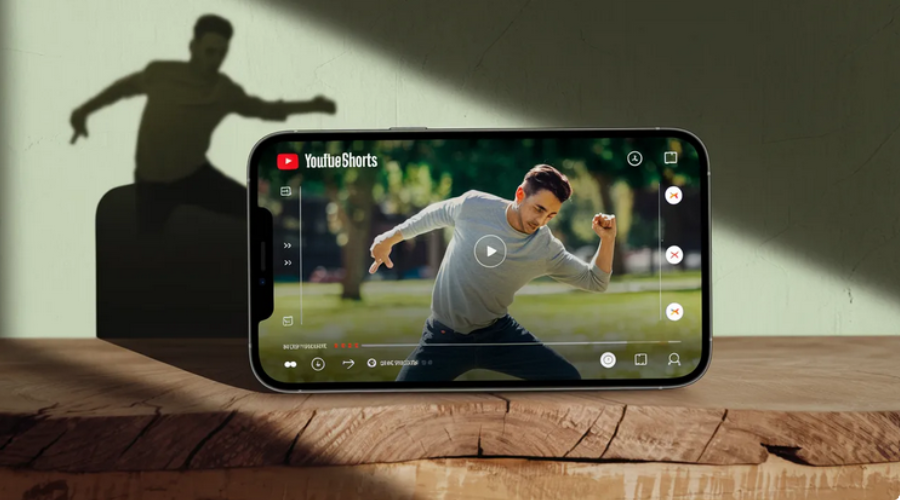
Understanding the YouTube Shorts Algorithm
When trying to understand the YouTube Shorts Algorithm, one of the things you need to know is that the Shorts Algorithm is different from that of long-form videos. On long-form videos, users often choose the video they would like to watch. After that, they are given many suggested videos. On the other hand, Shorts usually appear as videos displayed in a continuous feed. Users only need to swipe up to view the next video. That means the videos viewers see are determined by the Shorts Algorithm, which uses two major principles: Explore and Exploit.
First, the algorithm will explore if the Short is valuable to a user by showing it to a small group of people and then assessing how the group engages with the video. If the video receives a high engagement rate, it is then promoted and shown to a larger audience, meaning that if you create a quality short video, you can easily go viral.
Factors Affecting the Shorts Algorithm
The above principles are often hedged on a number of factors, such as:
Viewed Versus Swiped Away
When the video appears in the user's feed, they will either stop scrolling to watch it or keep scrolling. This metric measures the percentage of viewers who keep watching versus those who scrolled away, helping the algorithm determine which videos had the highest engagement.
You can view Swipe away analytics to see viewers' interactions with your shorts and whether they stay until the video's end.
Here are the steps for checking this metric:
- Visit the YouTube Studio and click Analytics, followed by the Content Tab.
- From the menu, choose Shorts.
- From the right, you can see the number of Short views vs. swiped away.
Engagement
Like on many platforms, engagement, such as likes, comments, and shares, can show a user's interest in a particular type of Short. The algorithm will then show them more content like that.
Some of the major engagement signals the Shorts algorithm considers are:
- Watch time. How much time do the viewers spend watching your videos?
- Click-through rate. A reflection of the ability of your titles and thumbnails to draw users.
- Average view duration. The length of your videos that viewers watch.
- Likes, comments, and shares. These can add context, but are usually secondary to the other viewer's behavior.
- Returning viewers. These indicate whether people are returning to your channel or continuing to watch your videos.
Viewers Satisfaction
User satisfaction will also affect your YouTube videos. That's why the platform runs surveys asking users for recommendations about the videos they watch. The platform will then put these views into consideration when recommending content. This is important because the watch time may not accurately reflect the user's overall experience.
By giving their views on the value of your content, users are saying they see its long-term value and would visit your channel. That is why the algorithm weighs satisfaction more heavily than engagement, as it predicts your future behavior. If your videos are generating views but are disappointing viewers, the algorithm will not recommend them.
Personalized Recommendation
The way videos are ranked by the YouTube algorithm isn't the same for every user; it is unique to each user. That means you will also recommend Shorts based on different factors, such as:
- Watch history. The algorithm tries to determine which videos a user is likely to watch based on their past interaction history, and then shows them more content like it.
- Relevance. The algorithm also considers the Shorts that are relevant to the user based on their interests. This is important, as such videos often have higher watch time and engagement than videos not related to their interests.
- Device context. People watching on TV are often shown longer videos, while YouTube videos are shown to mobile device users.
- Topics you previously watched. YouTube is likely to interact more with the Shorts you interact with.
- Your recent search history. YouTube will adjust your recommendations to show more of the kind of videos you searched for.
- Session habits. Do you watch similar videos every time you are on the platform?
Post Frequency and Video Length
There are often debates about how many shorts to post each day. However, the most important factor determined by the algorithm is the quality of Shorts rather than quantity. Therefore, instead of posting so many videos, a good idea would be to focus on content that will work for your target audience and meet their interests.
YouTube also recommends videos that have long-term relevance. That means if you are creating evergreen topic videos that are likely to remain relevant in the long run, they are likely to be rewarded by the algorithm. Therefore, while trending videos can offer fast visibility, you can use timeless topics to ensure long-term visibility.
Multi-Language Optimization
The use of closed captions, auto-translations, and metadata in different languages can help YouTube to better understand your video and who it is suited for. Using accurate subtitles and audio tracks can increase the accessibility and reach of your videos. That means that when you optimize your videos for different languages, they are more likely to be recommended internationally when they drive high user satisfaction in those languages.

How to Master the Shorts Algorithm
Now that you understand the factors the Shorts Algorithm considers, let us look at the steps to leverage it and boost your views.
Understand the Best Posting Time
When leveraging Shorts, the posting time and consistency are everything. You need to know when your audience is most active so you can align your content schedule with their activity. The good news is that it's easy to see when your audience is online.
Simply visit YouTube Studio, then Analytics, and then the Audiences tab. Scroll down to the tab to see when your viewers are on YouTube. This is usually the best time to post for your viewers.
Optimize Your Shorts Metadata
While engagement is a key factor in determining the success of shorts, video metadata also determines the video's categorization. Ensure the video title, hashtags, and descriptions provide key details about the video. Remember to add the relevant keywords in the title and description, relevant hashtags, and mention the topic within the first few seconds. When you do so, the YouTube Shorts algorithm will match content to the right audience.
Drive Engagement on Shorts
As noted earlier, the engagement rate is one of the factors the YouTube algorithm considers when determining which shorts to show to viewers. That means driving engagement on your short can help the algorithm increase its visibility. When thinking about how to do that, remember that the major factor determining YouTube Shorts views is intent.
With reports indicating that the average social media user's attention span is less than 10 seconds, you need to capture their attention in under 3 seconds. You can do that by starting with a hook that grabs your audience's attention so they keep watching to the end.
Remember, the viewers' interaction is more than watch time. Therefore, pay attention to other factors, such as watch time, which videos bring in followers, returning users, and the most active time for your audience on the platform, to determine which content is driving the highest engagement.
Create for Audiences, Not Algorithms
YouTube Shorts cater to the audience's interests and behavior, and the algorithm focuses on the content the followers desire. While this may be hard to predict at times, when creating content, you can put yourself in your audience's shoes. To do that, scroll through the platform to see the kind of short videos that users are interacting with on the platform.
In Conclusion
The YouTube algorithm determines which videos audiences see, which videos grow, and the ability of video content to reach the audience. Even if you are publishing consistently, you need to ensure your videos align with the YouTube algorithm to increase their visibility; otherwise, they will struggle to appear in search results. However, while it is good to understand the algorithm, you should focus more on meeting the audience's needs rather than pleasing the algorithm.
