Reports indicate that 4 out of every 5 millennials buy from the brand they trust. While the number is lower among baby boomers, 3 out of 5 is a clear indication of the importance of trust in driving conversion. This is understandable because when people lose trust in your brand, they are likely to turn to the competition.
However, building trust in the digital age can prove challenging. Additionally, one single negative post about your brand can go viral, resulting in a social media crisis. In this article, we guide you on how to build trust and credibility online.
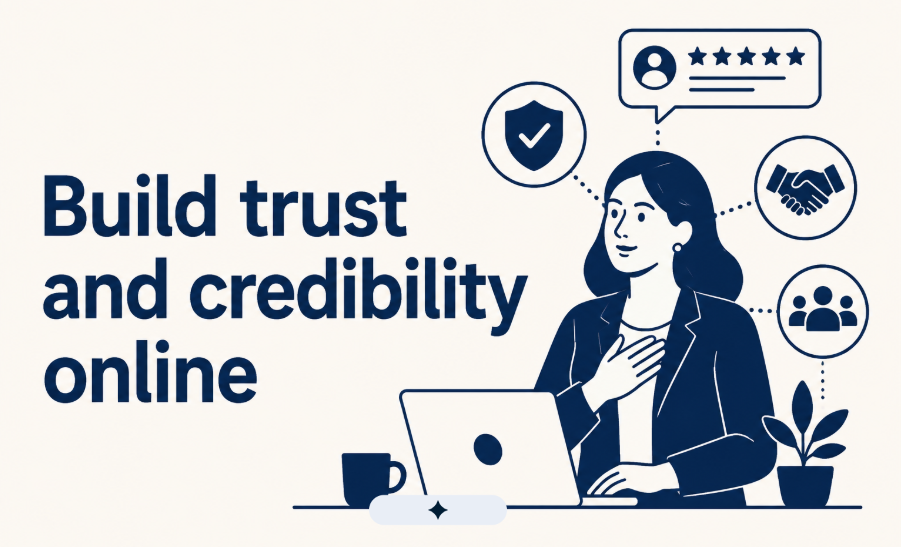
The Role of Authenticity and Credibility in Establishing Trust
If you want to build brand trust, create a personal brand on social media using authenticity and credibility. Credibility refers to customers' perception that a brand can deliver what it promises. That means if you want to be considered authentic, you must learn to keep your word. When you promise something, you need to deliver on it with integrity and in a way that shows you care about customers. Therefore, if you want to gain your audience's trust, you need to establish credibility and authenticity.
Why It's Important to Build Credibility and Trust Online
Northwestern University defines brand trust as the loyalty and respect customers have for a brand. It measures the level at which your customers believe that your brand can stand up to what it promises.
Studies indicate that when customers lose trust in a brand, they search for alternatives. According to one study, 40% of Americans say they no longer plan to use a brand they don't trust. According to another report, 40% of consumers suggest they will look for an alternative brand from the competitor. Only 20% of consumers said they would consider buying from a brand they don't trust again. What is even worse is that once consumers lose trust in your brand, it becomes an uphill task to regain it.
Top Ways to Build Trust and Credibility
Now that you understand why it is important to build credibility and trust, let us look at the top ways to gain this credibility.
Leverage Social Proof and UGC Content
As noted earlier, customers are becoming skeptical of brand messaging, as they understand that many brands only show the positive side of their products while hiding the negative. This is why social proof has become an important part of digital marketing. Social proof is a psychological phenomenon in which people look to the decisions and actions of others to guide their own when they are unsure about what to do.
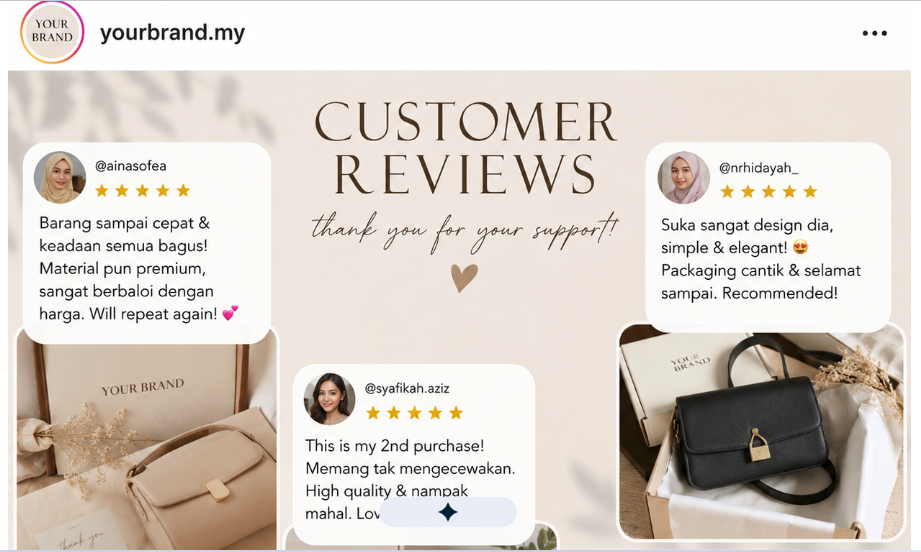
For instance, when you find your friends enjoying a delicious meal at the newest restaurant in town, you might feel compelled to try it out, especially when they add some glowing words about it. That's an example of social proof.
Use Reviews and Testimonials
Studies indicate that customers trust the words of other customers compared to brand messaging. That means a testimonial can help businesses build trust, as it serves as social proof that showcases customers' real experiences and eliminates any uncertainty. When you collect specific, authentic feedback and strategically place it on your marketing channels and websites, you can easily gain credibility even without a proven track record.
Reviews and testimonials have become so important today that e-commerce sites that have them usually experience a conversion rate 67% higher than those without them. While customer testimonials are often used interchangeably, they also differ in some respects.
Customer testimonials are positive words from previous customers, requested by a business. On the other hand, customer reviews are unsponsored words that can include positive and negative experiences shared by previous customers on public platforms. At times, businesses use customer reviews as testimonials.
Having customer reviews and testimonials can help your personal brand in several ways, such as:
- Validating your offering. When you add positive feedback from your previous customers, you can prove to potential customers that your product and service deliver on their promise.
- Lower risk. You can use testimonials to eradicate any hesitations by showing that previous customers had a positive experience.
- Add an emotional connection. In most cases, reviews and testimonials take the form of personal stories, which resonate more with audiences than benefits and features.
- Increase sales. Adding testimonials to your page can increase sales and engagement.
Therefore, reviews and testimonials can be important tools for building trust and credibility. You can also leverage expert endorsement to build social proof.
Influencer Endorsement
Many social media users trust the words of their favorite influencers. This means that by leveraging influencer endorsements, you can genuinely sway public opinion, as influencers serve as a stamp of approval for followers. However, when using this method, choose an influencer who aligns with your brand's values.
Success Stories and Case Studies
Success stories and case studies can provide practical benefits and real-world results of using your product or service. That means they can be a great tool for showcasing how effective your product offering is and for serving as social proof.
Therefore, add some case studies on your site, showing a variety of optimization expectations in your products or services. This will help potential customers see the versatility and practical value your products or services offer to meet their needs.
Awards and Certifications
If you have won awards or achieved recognition, this can also be a powerful form of social proof that helps improve your brand's trustworthiness and credibility. This will not only strengthen your brand's credibility but will also show that you are committed to excellence and quality.
Awards, too, whether for customer satisfaction, quality product, or sustainability, can help you to distinguish yourself from other industry players. This can reassure your customers that they are not only buying a quality product but also contributing to a brand that aligns with their values and desires.
Have a Professional and Secure Website
Another way to increase your trust is to have a professional-looking, user-friendly, and secure website. Remember that when customers start considering your products or services, your website is one of the first places they visit, shaping their first impression. Within seconds, they can decide to either stay, leave, or explore.
A key consideration is the website design. When you have a well-designed website, not only will it look beautiful, but it will also build credibility, trust, and confidence in your brand. Make sure your website is easy to navigate, visually appealing, and mobile-friendly.
Share comprehensive details that demonstrate your level of expertise, such as your project portfolios, accreditations, and certifications. Regularly update your site with informative content, such as articles and blog posts that address your customers' common concerns. Doing that will position you as an authority and help increase your potential customers' trust.
Have a Strong Social Media Presence
Social media offers brands an unmatched opportunity to connect directly with their target audiences. Compared to traditional media, they can reach customers where they are. However, if you post only once on a platform like Facebook, Instagram, or LinkedIn and then disappear, you may struggle to build trust.
On the other hand, maintaining an active presence on social media can help you establish credibility and trust. Therefore, use social media to create a variety of content, such as project updates, industry insights, before-and-after images, and other informative content that will help you to be known as a trusted and knowledgeable source. Also, respond quickly to inquiries, comments, and messages, as this shows your commitment to customer satisfaction.
You can use several strategies to leverage your social media presence to increase trust and credibility.
- Listening and interacting with your community. Social media can help you build a community of your target audience that interacts with your brand. This means it offers you a unique opportunity to listen to industry conversations and respond to the needs of your community.
- Have an authentic brand personality. Social media channels can be great tools for brands trying to establish their personality and voice and for communities to get to know them. The platforms are largely informal, thereby helping to drive conversations through direct mail marketing and email inquiries.
- Crisis management. The top social media platforms enable brands to communicate directly with consumers during a crisis. They can use it to explain their reputation without using filters.
Highlight Your Industry Certifications and Partnerships
Another great way to build your trust and credibility is to display your licenses, certifications, and partnerships. Certifications usually serve as endorsements that validate your professionalism and expertise. Additionally, when you partner with reputable organizations and suppliers, you can use this to improve your credibility. You can prominently showcase these affiliations to demonstrate to your potential customers that your services meet industry standards.
In Conclusion
According to the Edelman Trust Barometer, 70% of consumers believe that brand trust is more important today than it was a few years back. When customers trust your brand, they believe it can deliver on its promise. Therefore, it would be better to use the above tips to build trust and credibility online.
