If you want people on social media to listen to what you say, you should position yourself as an authority. By positioning yourself as a thought leader, you can easily build trust, a key element of using personal branding as a social media growth hack. According to one study, 60% of decision makers have no problem paying a premium to work with experts. Another study says that when a brand positions itself as an authority, 65% of customers are willing to change their perception. Finally, 75% of executives say being an authority has helped them increase sales by 75%.
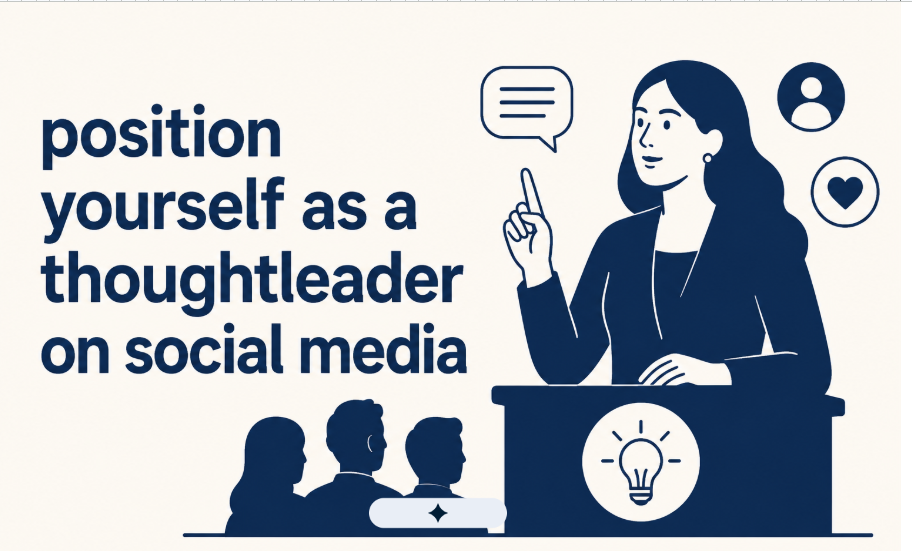
However, most social media creators think they need to promote themselves to become an authority, such as showcasing their achievements and sharing their experiences. The truth of the matter is that real authority doesn't shout. It simply gets recognized quietly, consistently, and with quality. You will rarely need to tell people you are an expert, as your work will speak for itself. In this article, we guide you on how to be an authority on social media.
Benefits of Positioning Yourself as an Authority
When you position yourself as an authority, you can enjoy various benefits, such as:
- Higher level of trust. When people see you as an authority, they readily accept your insights and recommendations, eliminating sales resistance.
- Confidence. When you get the opportunity, you increase your belief in yourself, which will enable you to take more actions.
- Premium pricing. Industry experts often command higher fees because they are seen as having specialized knowledge compared to the general service providers.
- Brand differentiation. When you are an authority, you can easily stand out in a crowded market by sharing a unique perspective rather than general information, making your brand stick in people's minds.
- Top opportunities. Rather than chasing leads, being seen as an authority will capture your clients' attention, leading to more speaking opportunities, more clients, and more inquiries.
- Faster sales cycle. When you are trusted in your niche, the sales cycle shortens, as potential clients already view you as a competent and reliable person.
How to Use Content Marketing to Build Authority
If you want to position yourself as an authority, one of the ways of doing that is through content marketing. According to one study, 81% of marketers consider it an effective strategy for informing and engaging audiences. Other studies suggest that content drives interactions three times as much as other methods.
Here are several ways of using content marketing to position yourself as an expert in your niche:
The Power of Teaching
If you want to build influence, one of the best ways is to teach. When you share information openly without expecting recognition, your authority will begin to grow. You can show your experience through a short tutorial, a lesson you gained from experience, or a thoughtful answer to a certain problem without having to advertise it. Instead of telling people to look at you, you provide them with something of value. This can affect your audience's response, making them more likely to start listening rather than scrolling.
Share Expert Insights
Make sure you are consistently showing your qualifications, skills, and achievements in your posts. For instance, you can share detailed success stories or case studies to demonstrate that you are really good at what you do. This can position you as a respected voice in your field, showcasing what you have achieved for customers and demonstrating your credibility.
You can also share the expertise of other people. Whether they are within your organization or outside it, you can tap into the expertise of industry experts and innovative teams to improve the credibility and depth of the content. You can use different ideas, such as examples, quotes, and stories, to represent your personal brand.
You can also conduct expert interviews to highlight in your email newsletters, social media posts, and vlog posts, showcasing your commitment to staying ahead in your field. When you do that, you will not only be providing value to your current audience but also positioning yourself as the go-to resource for industry news.
Building Recognition Out of Consistency
Creating a single viral post can help create authority. When you regularly share ideas with a consistent direction and tone, you can quickly develop familiarity, which, in turn, will increase your recognition. Once people start to recognize you, that recognition becomes trust. That quiet trust can result in long-term authority.
Instead of praising yourself, you should leverage social proof. Use meaningful content, mentions, testimonials, and other organic mentions to improve credibility in a way that feels natural. When others start referencing your work, it is proof that you had a genuine impact. This isn't manufactured, but it's earned by continuously delivering useful and insightful content. Instead of declaring your expertise, you will have others do it for you. You can also use influencer endorsement to gain social proof.
Share Stories and Not Status
Sharing unique stories can be a great way to connect with your audience, especially when they include your successes and failures. The use of personal stories will not only help engage readers but also make your content more memorable and relatable, as you are seen as an expert. According to one study, 55% of people say they remember stories better than plain facts. Another 68% suggest that their buying decisions are significantly impacted by stories. Additionally, brands that use storytelling see a 20% higher level of customer loyalty.
When you humanize your ideas through storytelling, you can show your authority. You can do that by sharing your challenges, reflections, and lessons to make your expertise appear approachable. When you use your real-life experience to share a case study, the story is more likely to resonate with your target audience, as people remember relatable stories. When you use authenticity to connect, you gain authority rooted in trust.
Respond to Your Audience's Challenges
Another way to position yourself as an expert is to create content that addresses your audience's questions, needs, and pain points. When you do that, you provide the highest level of value and relevant information. When you solve a problem and provide a practical solution, you demonstrate your expertise and build trust.
To do that, begin by researching your audience further. You can find out what your target audience is mostly struggling with in different ways, such as:
- Talking to customers.
- Taking part in new customers' onboarding sessions.
- Reviewing the live chat messages and customer service questions.
- Checking the feedback on top third-party platforms.
Drive Social Media Engagement and Build Collaborations
Driving engagement with your social media posts can be a great way to position yourself as an authority through questions, comments, and feedback. For instance, you can partner with an industry expert who co-hosts a webinar on a trending topic in a particular niche. When you collaborate with influencers, you can expand your reach and improve your credibility, thereby strengthening your authority in your niche.
According to one study, 42% of consumers consider influencers to be an educational resource and, therefore, favor tutorials and how-to content. This suggests that consumers consider influencers a valuable source of educational content, which can contribute to your brand's authority when influencers are associated with educational expertise and topics.
How to Determine if You Have Built Authority
There are several things that will show you have built more authority and credibility in your niche. These include:
- More organic visitors. When people realize you are providing value, they will visit your site more, a clear sign that you have become an authority.
- Higher level of engagement. When you start getting a high number of likes, comments, and shares, it shows that your followers are getting value from your content.
- Higher SERP rankings. When you begin ranking highly for your relevant keywords, it shows that search engines see you as an expert in your niche and can be trusted on those topics.
- Quality backlinks. When reputable sites link back to your site, it signals authority and trust.
- Higher level of trust. When you conduct surveys and gather feedback on your content, does your audience find it reliable?
- Media mentions. If you are frequently quoted or mentioned in the media and industry publications, it shows people see you as credible.
- Collaboration and speaking opportunities. When you start to get invited to industry collaborations and events, it shows you are seen as an authority.
In Conclusion
When you position yourself as an authority, you can easily build trust, increase your credibility, and charge higher fees while attracting premium clients. When you continuously share your expertise, you can become the go-to industry leader, enabling you to close sales and differentiate yourself in a crowded field. Therefore, use the above tips to position yourself as an expert. You can read our guide on creating thought leadership content using Meta Threads.
