Statistics indicate that 95% of customers use customer testimonials when making a buying decision. With customer testimonials significantly affecting conversion rates, every brand should utilize them. One of the best ways to do that is to use customer testimonials, which you can include in your social media storytelling to inspire and engage audiences. In this guide, we will take you through the steps of using testimonials to create powerful stories.
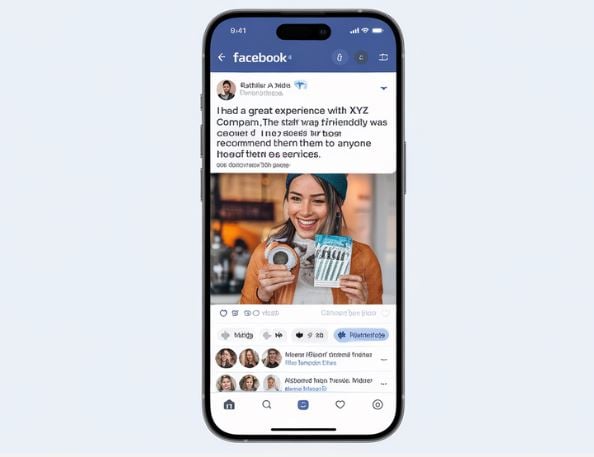
Why Use Customer Testimonials to Create Compelling Stories
Customer testimonials aren't just words; they're social proof that helps validate the promise your brand is making. When potential customers hear about what your brand can do from other customers, it adds a new level of credibility that your brand alone cannot provide. This is especially so when you leverage UGC as social proof.
A Nielsen study found that 92% of consumers trust recommendations from others, making testimonials a powerful tool. When testimonials become part of your brand story, you shift the focus from the product's features to its impact. This makes your brand more than just a service provider, but a partner in your customer's success. Testimonials also help to humanize your brand and ensure it has a believable story.
Tips on Using Customer Testimonials in Storytelling
When showcasing customer testimonials for storytelling, use the following tips:
Choose Those That Align with Your Brand
Just because a customer left a testimonial doesn't mean they're a good fit for your brand story. You need to work with testimonials that align with your core missions and values. If your brand focuses on innovation, you should highlight customers who have achieved breakthroughs using your product. If you boast about your exceptional service, you can feature stories that showcase your team's dedication.
Ensure that the message and tone of the testimonials align with your overall brand voice, so you have a cohesive narrative that adds to your brand identity. Also, ensure that customer experiences are diverse to enable different customer segments to relate to one another. Use every testimonial as a chapter that collectively forms a complete and compelling brand narrative.
Leverage Videos for Maximum Impact
Video testimonials are among the most persuasive and engaging content formats because potential customers can see and hear what real users have to say about your brand and the role it played in helping them solve their problem. According to a Wyzowl report, 77% of people are usually convinced to purchase a product after watching a video testimonial.
However, it is crucial to keep the video short, less than two minutes, and keep it authentic and well-lit. Share the videos on your landing pages, website, and social media to maximize impact.
Put Testimonials in a Narrative Format
A good customer testimonial story should follow the well-known narrative arc of a problem, solution, and result. You can ask customers to describe the challenges they faced, how your brand assisted them, and the results they achieved. This kind of structure follows a hero's journey, ensuring that the testimonial is more of a success story than random praise. When your prospective customers see the story, they also start to visualize the impact of the product in their journey,
By structuring the reviews and testimonials this way, they become stories that can inspire and educate. You can use questions to guide customers' responses, which will result in more charity and emotional resonance that reflects their voice.
Strategic Placement of the Testimonials
After collecting customer testimonials, you also need to find a strategic place to display them. This should be in some of your key conversion points, such as the sign-up form, pricing page, and product page. These spaces work well for testimonials because they can eradicate the customer's objection and enhance their confidence. They can, therefore, help you convert inquiries into sales.

Use carousels and quotes to maintain a clean and engaging design. The goal should be to ensure that these testimonials feel natural when used in the customer's buying journey rather than an afterthought. Make sure the user experience remains at the forefront when adding testimonials across digital platforms.
Use Testimonials on Different Channels
You can expand your brand's reach by repurposing the testimonials across different marketing channels. You can add them as snippets in your blog posts, email newsletters, case studies, and social media captions. You can create LinkedIn posts and Instagram Stories to show your happy customers, and increase your conversion rates by adding testimonials in your paid ads.
Create themed campaigns that focus on customers' successes. By having such a multi-channel approach, you can amplify the reach of the testimonial and consistently reinforce the brand narrative. The more places your brand finds authentic stories, the stronger the brand perception will become.
Focus on Transparency and Authenticity
If your content is inauthentic, consumers will quickly notice that. Therefore, don't over-dramatize the testimonials to the point where they sound too commercial. Allow customers to speak in the words they want to use, even when they sound imperfect. When testimonials appear authentic, they foster trust and relatability.
Make sure you get the customer's permission to use the testimonials and be transparent about how you will use them. If you will be using their real names, job titles, and photos, make that clear. This can also increase your credibility. Get accurate and verifiable testimonials on platforms such as Google Reviews and Trustpilot.
Be Proactive in Collecting Testimonials
You don't have to wait for customers to leave testimonials on their own volition. Instead, encourage them to do so by sending them some follow-up emails after they have successfully purchased from your brand or a project. Provide them with various incentives, such as discounts or an entry into a contest.
To make it easier for customers to respond, you can structure the testimonial questions as a survey that asks customers about specific aspects of the product or service. You can add the responses in the form of short quote testimonies on your website.
Choose Testimonials from the Best Customers
If your customers provide a lot of responses, you don't have to use all the testimonials. Instead, you should select the testimonials showing the most significant achievements. If you have happy clients who are very excited about your work, you can be assured they will leave glowing reviews and personal recommendations.
You can include the customers who faced the most difficult and unique challenges. When you show your target audience that you can solve problems out of the box, you illustrate your level of experience relative to the competition. This can also be key in netting other clients who may be facing similar challenges.
Final Thoughts
One of the most powerful ways of telling your brand story in a persuasive, relatable, and authentic way is through customer testimonials. When you share real customer experiences, you show potential customers they can succeed with your brand, just like others have.
To do that effectively, you need to do it well, from selecting the correct story structure to placing it in a strategic location. Each aspect will play a role in the brand's perception. Therefore, you need to be intentional and consistent in how you collect, curate, and use testimonials in your storytelling. You can read our guide on leveraging user-generated content for trust.
