Influencer marketing has become a major marketing method for brands and is projected to reach over $37 billion by the end of 2027. The marketing method has been effective at fostering audience trust in brands, especially among Gen Z and Millennials. That's because the majority of social media users tend to trust the recommendations of their peers and the people they trust compared to brand messaging.
However, with social media users getting fatigued from promotional content, influencers can easily lose the trust of their audience with simple mistakes. This is despite the growing importance of influencer trust and transparency in influencer marketing. That is why, in this article, we tell you some of the common mistakes that influencers make that can damage the trust of their audiences.
Top Influencer Marketing Mistakes to Avoid
If you want to succeed with influencer marketing, here are some of the top mistakes you need to avoid:
Not Having Clear Goals
When running an influencer marketing campaign, you can be tempted to get into the action and instantly begin by creating promotional content. But without the Why of the influencer marketing campaign, it can be hard to determine the How and What of the campaign.
If you don't understand why you are running the influencer marketing campaign, you can end up creating content with no benefit. It can result in the wrong choice of an influencer and a wasted campaign budget. It can become harder to track the return on investment of your campaign and to connect with the right audience.
Some of the most common influencer marketing goals brands can have include:
- Increasing brand awareness.
- Driving meaningful engagement
- Social media lead generation
- Boosting sales and conversion rate
- Promoting a newly launched product
- Leveraging user-generated content
- Boosting credibility and trust
Choose one of the goals for your influencer marketing campaign. When you understand what you want to achieve, you will be able to develop a good content strategy.
Not Engaging with Audiences
One of the reasons why influencer marketing has proven to be more effective than traditional advertising methods is because of its ability to engage audiences in an interactive and authentic way. However, influencers who don't leverage this engagement and interaction method may end up wasting their time and resources. Failure to engage the audience means a lost engagement opportunity.
If an influencer doesn't answer the user's question or respond to their comment, they miss the chance to drive engagement in an era when platforms prioritize engagement over follower count. Therefore, respond to your followers' questions to make them feel appreciated and heard, resulting in an emotional connection and a long-lasting level of loyalty.
When you respond to your audience's comments, it keeps the post active for longer. Finally, responding to followers helps to eliminate consumer doubt and drive better sponsorship and brand partnerships. Strategic commenting can also help to grow your audience.
Not Adding Effective CTAs
Remember that when brands partner with an influencer, they have a goal that they want to achieve. This is despite the fact that audiences are usually the most active after they have consumed authentic content. If they are not captured immediately using an effective CTA, it results in lost sales.
Therefore, if you do not add a clear prompt, the audience may not understand the steps they should take after reading or watching your content. On the other hand, it becomes harder for brands to track the use of promo codes, click-through rate, and direct sales. Finally, when you add a clear CTA, it can spark comments, shares, and saves that can result in your content getting promoted by the algorithm.
To overcome this influencer marketing mistake, you should focus on content that inspires engagement and shows your brand as consumer-centric and authentic. You can do that by creating different kinds of influencer content, such as:
- Product reviews/brand trials. If you need a campaign centered around a particular product. Product reviews are particularly popular with social media users as they provide users with a firsthand experience of using the product.
- Giveaways. This content format is very effective for attracting large audiences, as people love the free stuff.
- Hashtag campaigns and challenges. This content format is very popular on Instagram and TikTok. They can go viral, giving your brand a sudden boost in popularity.
- Social media takeover. This involves an influencer taking over the account of a brand for a day or week.
Choosing an Influencer Depending on Follower Count
One of the common mistakes that happens in influencer marketing campaigns is brands choosing influencers based on the influencer's number of followers. This is despite the fact that the mega influencers with over 1 million followers have a lower engagement rate than influencers with smaller audiences. In addition, collaborating with the celebrity influencer can prove to be expensive and might not match your campaign allocation.
More importantly, when you choose an influencer based on the follower count, you might end up choosing one that doesn't align with your brand, its tone, as well as business philosophy. Such an inconsistent brand image can cause you to shoot beyond your current target audience.
To overcome this mistake, you should consider the following points when picking an influencer:
- Influencer niche. If you are a clothing brand, you can collaborate with an influencer who creates fashion content. On the other hand, a SaaS company can look for a tech influencer. This will ensure that your branded content reaches the right audience.
- Engagement rate. This is another key consideration compared to the follower count. When your engagement is high, it results in higher traffic, sales, and conversions.
- Influencer content analysis. You need to ensure that you select an influencer whose voice matches that of your brand voice and tone. Consider if the influencer partnership projects the value of your brand advocate, if the content appeals to your target audience, and whether the content is of high quality.
Poor Brand and Influencer Relationship
Another mistake that happens on the side of the brand in an influencer marketing campaign is to cease contact with influencers after the campaign. Such an approach can look pragmatic and functional but can negatively impact your brand in the long term. Remember that you might need to work with an influencer in the future, and if you spoil your relationship with them, they might not feel like they would like to collaborate with you in the future.
If you need to start from scratch in your search for an influencer in the future, this will require extra resources and time to search for the influencer. Additionally, your brand reputation may be impacted. Therefore, make sure that even after a campaign has ended, you maintain a good relationship with the influencer.
To effectively do that, you can:
- Keep following the influencer's account.
- Like and share posts for content in your niche.
- Initiate some short-term collaborations in the form of podcast episodes, giveaways, and sponsored posts.
- Send relevant offers and deliver some branded news.
Not Disclosing Influencer Collaboration
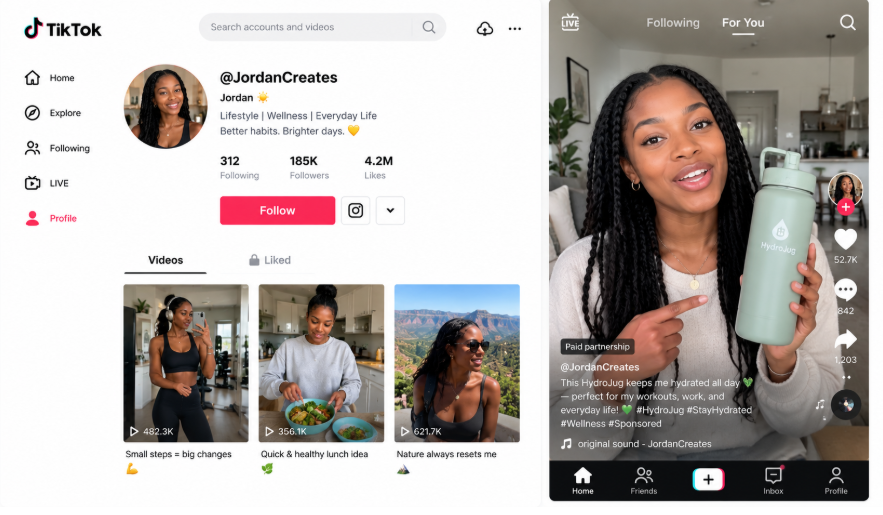
When an influencer doesn't disclose a paid endorsement, the follower might end up feeling misled. The regulation in most countries requires the influencer to disclose in their post whether it is a brand partnership, an ambassador program, or a paid advertisement. This is even for discounted products, complimentary products, or experiences in exchange for the paid endorsement.
When you have an unclear or vague brand sponsorship, this is considered a violation that can cause you to be penalized. Both the influencer and the brand are considered liable and may face legal accountability for hidden promotions. If the social media platform finds a lack of disclosure in an influencer post, they may shadowban, remove the post, or even suspend the social media account.
When followers notice that a post is posted as an organic post but it is paid, they might feel tricked, resulting in the loss of credibility for both the brand and the influencer. This may even result in public backlash that can impact the brand's reputation and a drop in the number of followers.
Creating So Many Promotional Posts
At times, an influencer may focus a lot on promoting the brand's product to the point where they may sound like a brand mouthpiece without a lot of creative freedom. This is despite the fact that the reasons why people followed the influencer were because of their authentic content and unique personality.
That means when they focus a lot on promotional content, it may make the influencer lose their appeal, especially when they engage in so many product mentions. It may appear like the brand is dictating the content the influencer creates, impacting credibility for both the brand and the influencer.
To overcome this mistake, brands should provide creators with more creative freedom so that they naturally add products to the feed and respect a good balance between the sponsored and personal content. This can add a sense of authenticity to resonate better with audiences.
Final Thought
Influencer marketing offers a great way for brands to connect with their target audience. However, the day when brands would choose an influencer based on the follower count is long gone. With social media users getting ad fatigue, brands need to avoid the common mistakes that make audiences lose trust in influencers, as shared above.
