A good part of any social media marketing involves understanding your audience, their needs, preferences, and pain points. To better understand your audience and uncover essential information such as consumer preferences, industry trends, and new business opportunities, you need to conduct market research regularly.
However, traditional market research, such as annual surveys and focus groups, still offers essential customer insights, even though they are no longer enough, given changing consumer dynamics and preferences. A good idea would be to use social media for market research. In this article, we offer a complete guide on doing that.
What is Social Media Market Research?
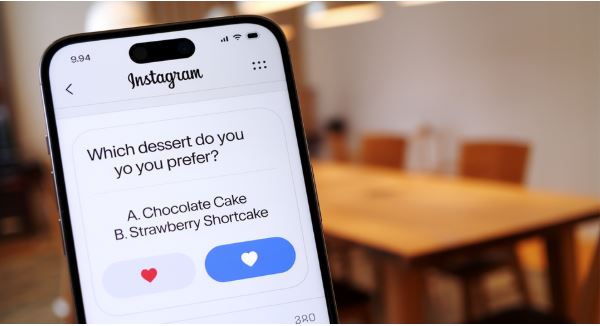
Social media market research involves gathering historical and real-time data about your product, brand, or industry to improve your business processes. It also uses data analysis, digital marketing, and consumer psychology for a more comprehensive approach. This can provide essential insights into quantitative data, such as likes and comments, and qualitative data, such as posts and comments.
Social media market research encompasses different activities such as:
- Brand mentions monitoring.
- Tracking the performance of hashtags.
- Identifying influencers.
- Social media sentiment analysis
When you harness the power of your social media data, it becomes easier for your business to make better data-driven decisions. Social media market research can provide you with a better understanding of:
- Real-time market insights. By using real-time data, you can make informed decisions that will enable you to make informed decisions and adapt to the changes in the market.
- Industry trends. You can stay updated on the industry trends and other emerging market opportunities to enable you to keep innovating.
- Audience. When you get insights into behaviors, demographics, and preferences, you can tailor your efforts to resonate with your audience.
Why You Should Use Social Media For Market Research
There are several benefits of social media audience analysis:
Real-time Feedback
Social media marketing research can give brands real-time insights into their audience's user behavior. Gathering customer feedback lets you quickly adapt your strategy to meet their preferences. The ability to receive real-time audience feedback can provide an edge over competitors using traditional research methods such as focus groups and surveys.
Competitor Analysis
Social media market research can provide important insight into your competitive short-term and long-term market research. In fact, according to respondents in the State of Social Media 2023, 92% of brands suggest that social media has helped them improve their competitive positioning.
When you use social media to understand your competitor's ads and content strategy, you can discover how their audience receives their content. You can then use the information to improve your market positioning. Start by identifying your competitors and looking at their presence on different social media platforms. You can then trace the kind of content they are creating and how consumers respond to it.
Market research on social media can provide essential insights into your competitors, enabling you to discover opportunities and threats. When you use social media to monitor your competitor's activities, you can get insights into their marketing strategies, product launches, and customer engagement metrics. You can then use this information to create a better social media marketing strategy.
Ensure you thoroughly review your competitors' activity, such as audience demographics and content engagement rates. You can then use the information to excel, set realistic goals, and track progress. When performing social media competitor analysis, find out the gap in their exploitation strategies. When you notice the areas where your competitor isn't performing well, you can create an innovative marketing campaign that easily resonates with your target audience.
Additionally, you must remain alert to emerging trends and industry competitors to stay ahead. With an ever-changing business landscape, monitor new industry players and trends to position yourself for long-term success.
Audience Segmentation
You can use social media data analytics to effectively segment your audience, ensuring success with your targeting efforts. You can use the psychographic and demographic data to create highly personalized campaigns that resonate with a specific audience segment.
Content Optimization
Market research enables you to understand campaigns that resonate better with your target audience by looking at social media data. By understanding the content that resonates with your target audience, you can determine the topics your audience resonates most.
Crisis Management
Social media research can help you detect crises and other issues before they impact your brand reputation. This is especially important as many consumers will often complain first on social media. When you remain alert on these platforms, you can easily and efficiently address any issues.
Top Ways to Use Social Media for Market Research
Social media market research can be a valuable source of market intelligence. However, separating the essential data from the noise can be hard with the variety of raw data you are supposed to get from the platforms. That's why you need to understand the crucial insights you need to capture from your market research.
Now that we understand the importance of social media market research and the correct data, let's look at the top ways of collecting it.
Here are the key data points to collect in your social media market research:
Determine the Customer Intent
Audience intent is one essential piece of data you will get through social media market research. When you carefully examine the social listening data, you can easily understand your audience personally, their feelings on specific topics, and why they make confident purchasing decisions.
You can find customer intent by building a community of people who believe in your brand. You can also leverage platforms such as Reddit to understand what your target audience is talking about and directly respond to their threads. You can adjust your strategy accordingly once you get your social listening data from different platforms.
Customer Product Usage
By listening to what your customers say on social media, you can gain insight into how they use your product and whether there are any new opportunities. For instance, if you are a brand creating dog food, you might realize that the customers love your brand but lack a good feeding bowl. Consider adding a dog feeding bowl to your product line.
You can search for your brand on social media platforms such as Instagram, X (Twitter), and Reddit to find conversations related to your brand. We recommend you read our guide on using Twitter's advanced search for market research.
Customer Likes and Dislikes
You can also find out what customers like or dislike about your brand. According to a Harris poll, 42% of businesses develop company products using social media data. To understand your customers' likes and dislikes, search for specific phrases and keywords related to your brand on social media. You can also check the review sections of different platforms such as Google, Facebook, or TripAdvisor. Don't ignore your customers' messages in your inbox, as they can provide essential insights into their likes and dislikes.
Customer Future Expectations
What customers expect of your brand today isn't exactly what they will expect in the future. Through social media market research, you may realize that you have lots of customers in a particular location, with a need for a physical store in that location. You can also get feedback on what your customers want by simply asking them. You might be surprised by the number of people responding with their ideas and thoughts.
Future Market Trends
You can use market research to determine the future trends of your industry. You can get critical insights into changing customer preferences and effectively adapt your social media strategy through social media research, analyzing user engagement, behavior, and emerging conversations. When you analyze data such as sentiment analysis, you can get insights into the motivations and emotions driving a trend and, therefore, get a more accurate forecast.
Content Analysis
Statistics indicate that over 300 million photos are uploaded to Facebook daily. With such a large number of posts, you need to plan carefully to ensure that your posts will be easily noticeable on social media platforms. Social media search lets you find content that resonates more with your target audience.
You can create more video content if you notice that in-feed videos perform better than text posts. To increase conversations, check the posts with the highest engagement, such as comments, likes, and shares. You can take the conversation further by asking your audience about the social content and topics they want to see more of.
Content analysis involves examining engagements, shares, comments, likes, conversions, and click-through rates to determine whether your content performs well. Study the performance of your content to see which posts generate the highest engagement and replicate the same strategy.
When you identify content patterns that resonate with your audience, you can create a better calendar to accommodate the social media content your audience seeks. You can also continue refining your content to ensure it stays fresh and aligns with your audience's changing preferences and interests. The customer insight you get can be a valuable tool for your content strategy and increasing engagement on social media.
Search for the Right Influencers to Partner With
Social media market research can help you find the right content creators or influencers to partner with. It can provide insights into whether the influencer aligns with your brand values, whether you share a similar audience, and whether they are consistent in their content creation.
You can check out the influencers' previous collaborations to see their content performance and get insights on making the right tweak that aligns with your social media goal. Market research is, therefore, an essential part of building an inclusive influencer marketing strategy.
Social Listening
This research method involves monitoring social media channels for reviews, mentions, products, brands, and keywords related to your industry. This can effectively provide essential insights such as customer sentiments, pain points, and emerging trends. You can use the data to improve your social media marketing and product offerings when you identify common sentiments.
Surveys and Polls
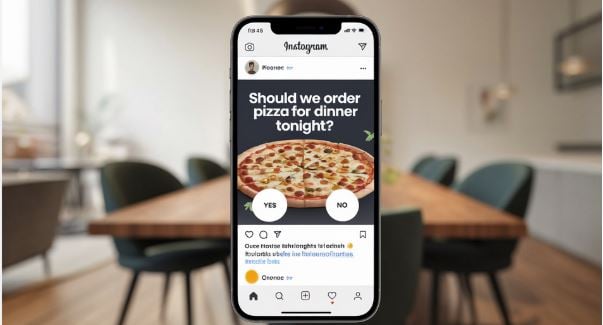
Some social media platforms, such as Instagram and Twitter, have built-in features to help you collect qualitative data from customers and understand their opinions. You can use polls and surveys to engage with your audience and get feedback on your brand. When creating surveys, focus on adding clear, concise questions to ensure accurate responses. You can also leverage the built-in analytics tools to get insights from customer responses.
Customer Analysis Engagement
Analyzing how customers engage with social media can be critical in helping you understand their behaviors and preferences. Knowing how your audience interacts with posts lets you gain insights into what resonates with customers and doesn't. You can then use this data to tailor your marketing strategy based on your audience's interests.
Additionally, by monitoring your customers' engagement, you can get insights into their online behavior patterns and trends. You can use these insights to create campaigns and content that resonate with your target audience and bring helpful conversations and interactions.
Sentiment Analysis
The goal of sentiment analysis is to determine how customers perceive your brand by tracking its social media mentions. You can categorize the mentions as positive, neutral, or negative, enabling tracking sentiment trends in the long run. You can then use the data to find hidden opportunities or issues.
For instance, if you notice an increase in negative sentiments, this could be an early warning sign of a social media crisis that requires immediate action. Through sentiment analysis, you can track negative customer perception and respond accordingly.
On the other hand, if you notice an increase in positive sentiments, it can be a sign that your product launches or marketing campaigns are succeeding. You can then use that positive sentiment to enhance your brand reputation. Therefore, sentiment analysis enables you to refine and adapt your social media marketing to allow your brand to succeed.
Hashtag Analysis
Tracking relevant hashtags can enable you to track trending industry discussions and topics. It can be an essential guide for marketing strategies and social media content creation. Remember that hashtags help in the discoverability of your content and define specific conversations on social media.
When doing hashtag analysis, you need to pay attention to the number of users of a particular hashtag, the type of content using the hashtag, and the sentiment. This data will enable you to align your content with a specific trend and engage a bigger audience. You can create branded hashtags to harness user-generated content and foster a community. Using trending and relevant hashtags can position your brand as a thought leader in your industry, increasing its authority and boosting its visibility.
Research Your Rival's Ad Strategy
Some social media platforms, such as Facebook and TikTok, have ad libraries loaded with data, making them perfect for spying on your competitors' ad strategies. You can use them to see the kind of ads your competitors are making, the brands they are advertising, and the targeting they use for their campaigns.
Tracking Social Media Metrics
Most social media platforms have built-in analytics that provide metrics such as audience engagement, content reach, and demographics. Even if the data you need isn't on the built-in analytics, you can use third-party tools to determine which content is gaining the most traction or views.
Social Data Cross-Referencing
The people your brand engages with on social media aren't necessarily your sample business audience. This is especially true for small businesses whose audience may not be predominantly online. You must analyze and cross-reference the different social media channels for accurate social media research data.
Study Your Audience's Communication Methods
Social media marketing research involves finding out how your audience expresses itself. Some of the data you can collect about your social media audience is:
- The platform where they are primarily active.
- Do they reach out to you through tags or inboxes?
- The tone and language that your audience is mostly comfortable with. Do you love using emojis or slang?
Increase Your Share of Voice
Social media market research can provide important insights into your brand's share of voice. If you use social media to increase brand awareness, you must watch your online visibility, including brand mentions and appearance in the search results.
Improve Your Social Media Data Sharing
After obtaining your social media insights, they will have no value unless you share them with your audience. Therefore, you need to use the data to create an easy-to-grab and compelling narrative. You can then transform your data into beautiful visual assets like charts and graphs.
Limitations of Using Social Media for Market Research
While social media has many benefits for market research, you must know its fair share of limitations. These include:
Low Geographical Representation
Social media insights may be incorrect due to bias. For instance, you might find a high engagement on an Instagram post, which might not reflect the entire audience. The correct picture might be that a part of your audience is interested in the topic.
A good way to handle this challenge is to combine social media research with focus groups and surveys to get a more comprehensive image. Remember that the activity level of different demographics differs on social media. If you target a demographic mostly of older adults, you may not find them on TikTok or Snapchat.
Concerns Over Data Privacy
When collecting social media user data, you must ensure compliance with various data privacy regulations, such as GDPR. To ensure compliance with the regulation, you must implement robust data protection measures and obtain users' consent whenever necessary. You also need to ensure that you balance data collection and privacy to maintain your audience's trust. Communicate the data usage policies to the users and respect their data-sharing choices.
Clutter and Noise
There is much spammy and irrelevant social media content, making data analysis challenging. To deal with this challenge, data cleaning and filtering techniques can help you sift through the noise. You can use natural language processing and machine learning methods to identify and prioritize the relevant content. Sentiment analysis also filters irrelevant mentions that may skew your data insights.
Need for a Wider Reach
If your posts only reach five people, with three of them being your employees, it means the insights you are getting aren't adding any value to you. Therefore, you must ensure that your social media content gets in front of the right target audience to determine the kind of posts they are genuinely interested in. If you are new to social media and have yet to gain a following, you can boost your post or use paid ads to reach more people.
Small Voices Might Get Overwhelmed
At times, you might have followers who loudly tag you on Instagram to the point that you take them as a representative of your entire community. That may not necessarily be the accurate picture, as the small voices may not be heard. A good way of dealing with the challenge is to use third-party tools to track references and mentions from even the smallest accounts.
In Conclusion
Social media market research can be an excellent tool for learning your audience's needs and preferences. With this information, you can now focus on creating a top product and speaking to your audience in their preferred language. You can also use the data you get to increase your engagement. By using the tips in our guide, it's possible to do effective social media market research.
