#1 Social Media Marketplace
Accelerate Your Social Media Growth with SocialWick. Quickly gain real followers, viewers, likes & more with our blend of marketing tactics. SocialWick is known for its fast delivery, premium quality, and low prices. With over a million satisfied customers since 2017, trust SocialWick to take your social media game to the next level.
1.4 M
Customers
13 M
Orders
362 M
Followers sold
1.8 B
Likes sold
The Future of Live Podcasts and Remote Recording
Published on 17.03.2026 by Tracey Chizoba Fletcher
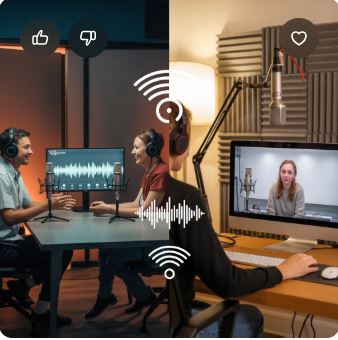
The future of live podcasts is arriving faster than anyone expected. One day, podcasting feels slow and simple. You talk into a mic, edit, and upload! The next day, creators are hosting live shows with real-time callers, remote guests from three continents, and chats that move faster than your eyes can track. Honestly, it feels like the whole medium is waking up in a new body.
You can feel the shift everywhere. People drift into live streams the way they step into a warm room after a long day. They chat, react, and shape the moment with you. I think that is what sets this new era apart. You are not talking into a quiet void. You are talking into a room full of voices. Energy flows both ways!
The technology behind it is evolving, too. Remote recording sounds cleaner. Videos look sharper. Tools fix issues before you even notice them. Platforms blend live features with editing features until the difference between “live” and “recorded” gets blurry.
I remember recording my first remote guest through a laptop mic. I expected chaos, but the audio came out surprisingly clean. That moment showed me how far things have come.
So let us kick off this deep dive. Live podcasts are not just traditional episodes with a live button. They are becoming their own format. Their own culture. Their own way of creating connections in real time. The future is already shaping itself. And it is shaping fast!
The Rise of Real-Time Engagement
Real-time engagement is the heartbeat of live podcasting. People want to be present. Right now. Not after editing. Not after a long production cycle. They want to speak up the moment a thought hits them.
This shift changes how you host and talk. The chat answers immediately. You adjust. They respond again. The energy forms a loop. The show becomes a conversation instead of a monologue. A hangout instead of a presentation.
Live podcasts feel warmer because of this. Softer and more human. You hear people reacting in the moment. You see questions that steer you into topics you never planned to discuss. I believe this is the magic of live shows. They allow room for surprise.
Platforms will strengthen this trend. Expect live polls, on-screen reactions, suggested questions, and real-time prompts that help guide the episode. Audiences will not simply consume the show. They will help build it. Once you feel that spark of instant feedback, traditional recording feels a little too quiet!
Remote Guests Become the New Standard
Remote guests used to be a last resort. If someone lived in another city, you made it work. Usually with lag, or static, or hours of edits to fix the mess. It felt like a compromise every single time.
Now, it feels normal. Tools clean backgrounds. They sync audio, stabilize video, and fix echo before you hear it. Remote guests can sound like they are sitting right beside you, even if they are thousands of miles away.
This changes everything. You can bring in voices you could never access before. Experts across the world. Creators in different time zones. Friends with nothing more than a phone mic. I once recorded an episode with someone using simple earbuds, and the audio shocked both of us. It sounded polished, clean, and ready.
Remote recording will stop being an exception. It will become the default. The whole world becomes your guest list. Anyone can join. At any time. From anywhere.
This opens doors for deeper conversations, diverse perspectives, and faster collaborations. And stories that could never have fit inside the old studio-only model!
The Blend Between Live and Edited Episodes
The line between live and recorded episodes is fading. You might host a live conversation, then turn the highlights into a polished episode. Or record privately, then go live afterward for discussion. Or mix both formats in one sitting. Honestly, the blend feels natural.
This hybrid approach gives you freedom. You get the raw emotion of a live room and the clarity of edited storytelling. You get spontaneity and structure. Viewers enjoy the real-time moments. Listeners enjoy the clean replay. Everybody wins.
Platforms will deepen this blend. Instant clip creation. Auto-generated highlights. Smoother audio levelling is built into the live stream. These tools turn every live moment into content you can use again. I think creators will rely on this more as the features improve!
So future episodes will not choose one style. They will use both. They will form a rhythm that shifts depending on the story. Some parts live. Some parts are refined. All flowing together like a single piece of work.
Better Quality Without Bigger Studios
One of the biggest shifts is accessibility. You do not need a studio to sound professional. You do not need special gear. You can record from your bedroom, car, or office. Even a quiet hallway. The tools do the heavy lifting for you.
Noise reduction cuts out echoes. Auto-leveling balances your voice. Real-time mixing polishes rough edges. Video tools fix lighting. Platforms tidy up audio before you download it. So more people can create. More voices enter the space and more stories rise to the surface. I think this is one of the most important changes happening right now.
It removes pressure and turns podcasting into something anyone can try. Your show becomes about your ideas, not your equipment. Connection matters more than cost, and quality becomes accessible.
I remember recording a short session in my car once because I could not find a quiet room. The tech cleaned it up so well that no one believed me when I admitted where I recorded it. That is the kind of future we are walking into.
Your studio is no longer a place. It is a toolset. And that toolset travels with you!
When Live Interaction Starts Guiding the Story
Live podcasts move differently. They breathe, shift, and bend to the room. You start with a plan. A simple topic. A clear outline. Then the chat jumps in. Someone asks a question you did not expect. Someone else shares a personal take. Suddenly, the episode takes a new turn. Honestly, it feels like you are steering a car while your listeners lean forward and point at new roads.
This is not chaos. It is the charm.
A live show grows in real-time. It responds, reacts, and stretches into new shapes because people are shaping it with you. This makes the episode feel alive. Not rehearsed. Not overly polished. Just real.
I think this is where podcasting is heading. Toward episodes built by the room. Toward stories that unfold the way conversations do in real life. Listeners come back because they feel important. Their comments and presence matter. They help carry the moment forward.
Small interactions become major story beats. A simple question can spark a ten-minute tangent. A quick reaction can redirect the whole episode. I had this happen once during a live session. A random viewer asked a tiny question that turned into the highlight of the whole show.
Once you feel that live energy, the silence of a pre-recorded session feels a little too still. A little too quiet!
When Monetization Takes on a Live Twist
Money in podcasting is transforming. Slowly at first. Now faster. Live shows create new ways to earn that never existed for traditional episodes. Tips. Real-time support. Paid shout-outs. Interactive sponsorships. Listeners do not just consume. They participate.
Brands love the live format, too. They can see reactions instantly. They watch how the room responds. They hear the laughter. They sense the engagement. It gives them something that pre-recorded ads never can. Real proof that people are paying attention.
Creators benefit even more. You can host paid live events, workshops, behind-the-scenes chats, and personal Q&A sessions. Listeners pay for closeness, access, and being part of the moment instead of hearing it later.
I believe this shift will help smaller creators the most. You do not need a massive audience to earn. You just need a loyal room. Ten people who show up consistently can be more valuable than ten thousand passive listeners.
Live monetization also feels warmer and more personal. Less like an ad break and more like support from people who genuinely enjoy what you do. And that makes the experience better for everyone!
When Remote Collaboration Feels Effortless
Collaboration used to feel heavy. You booked studios. Matched equipment. Planned travel. Checked schedules for weeks. Everything required time and effort. The barrier felt high.
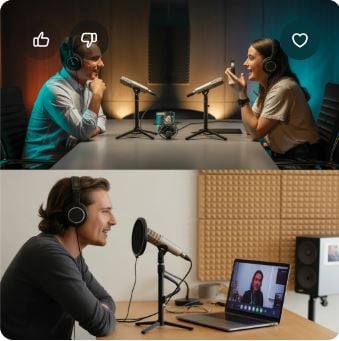
Now it feels light. You send a link, and they join. Audio syncs automatically, videos line up, and files save themselves. It is easy, fast, and casual.
This opens doors you never thought about before. You can record with people across the world. You can meet someone online in the morning and interview them that afternoon. You can turn spontaneous moments into full conversations.
I think this will reshape the entire podcast world. People will collaborate more often because the process is not exhausting anymore. It becomes fun, natural, and playful.
I once invited someone I met in a comment thread to record a quick 15-minute chat. We did not plan it. No script. No outline. The conversation ended up becoming one of my favorite episodes. That kind of spontaneous creativity only works because the tech now stays out of your way.
When collaboration feels effortless, creativity expands!
When Listener Communities Build Themselves
Live podcasts do something rare. They build communities without trying. People show up often enough that they start recognizing each other. They greet each other in the chat, share jokes from past episodes, and feel like a small group that meets every week.
That connection keeps people coming back. Not just for you. For each other. It turns passive listeners into active members of a shared space. Once that happens, your live show becomes more than a podcast. It becomes a tiny digital neighborhood.
Communities support you in ways analytics never show. They boost engagement and keep the chat alive. They help new listeners feel welcome and carry the energy for you when you feel tired. I think that is one of the most underrated parts of live shows.
I had a moment once during a live stream where I drifted off-topic. The chat playfully steered me back. It felt like a group of friends keeping the conversation on track. That kind of moment creates loyalty you cannot buy.
A strong community becomes your foundation. It fuels your podcast long after individual episodes fade!
When Technology Makes Creativity Feel Easy
Technology keeps getting smarter, faster, and more intuitive. Tools now clean up your audio before you even hear the flaws. They stabilize your video, remove background noise, create highlight clips automatically, and give you transcripts instantly.
Artificial intelligence, or AI, will push this even further. Real-time translation. Smart editing suggestions. Instant topic summaries. Tools that help you organize your whole episode while you talk. Creativity becomes smoother because the tech handles the friction.
This frees your mind. Your energy goes into the story. Not the setup, not the editing, not the troubleshooting.
I believe this is the biggest shift in the entire future of podcasting. When creation becomes easy, more people create. More voices join, and more perspectives emerge. The space becomes richer, more diverse, and more open.
Podcasting stops being a technical hobby. It becomes a natural form of expression. So if you feel the itch to try live shows or remote recording, follow it. The tools are ready. The moment is here. And honestly, your voice might be exactly what someone out there is waiting to hear!
When Live Podcasts Spread Across Multiple Platforms
Live podcasts do not sit still. They travel fast. One stream turns into clips, replays, and highlights moments that bounce across different apps. It feels like tossing a pebble into a lake and watching the ripples stretch way past where you expected.
This helps new people find you without extra work. Someone scrolling during lunch sees a short clip. Someone on a long drive hears the replay on an audio app. Another person catches a highlight reel and decides to follow you.
I think this multi-platform flow will become the normal path for live shows. You record once. The platforms do the heavy lifting, and your episode moves farther than your own reach.
Even a simple desk setup can turn into something that feels bigger, more present, and more like an event than a quiet recording session.
When Accessibility Tools Welcome More Listeners
Accessibility is no longer extra. It sits at the center. Captions pop up right away. Transcripts appear in seconds. Live text updates help people catch up if they join late.
These tools open the door for more listeners. People who cannot use sound. People in noisy places. People who prefer to read while they listen. People learning the language.
I had someone tell me they watched a full live show only through captions while riding a train. That small note stayed with me.
The future will add even smoother tools, cleaner captions, and instant translations. Quick summaries to help new viewers jump in. Accessibility pulls more people into the moment quietly and naturally, without changing how you talk!
When Visuals Become Part of the Story
Live podcasts give you something audio shows cannot. Visuals. You can show what you mean instead of explaining every bit with words.
A screenshot. A quick photo. A simple sketch. Even your facial expression adds something to the story.
These visuals make episodes feel richer. They give your ideas color and help people stay focused. Honestly, a basic scribble on paper can explain a point faster than a long paragraph.
You do not need fancy production. Small visuals work well. They add texture without effort. I think this shift will change how you plan episodes. Not “What do I say?” but “Should I show something here?”
When Live Shows Build Real Communities
A live stream does not end when you hit stop. People keep talking. They follow each other and return the next week because it feels familiar. Over time, your show becomes a gathering place. A small digital corner where people recognize names in the chat.
These communities grow on their own. A welcoming room builds loyalty. People help new listeners feel at home and keep the energy alive even on slower days.
I once drifted off-topic during a stream. The chat nudged me back with a gentle reminder. It felt like friends keeping the moment on track.
That kind of connection gives your show a heartbeat. It carries you through quiet stretches and builds long-term support!
Conclusion: The Future is Live, Warm, and Very Human
The future of live podcasts is forming right now. Real-time engagement adds spark. Remote guests join with ease. Tools clear away technical stress. Accessibility widens the room. Visuals bring stories to life. Communities grow around your voice.
Live podcasting is not just content. It is a connection. It turns episodes into shared moments and lets listeners shape the flow. It turns one recording into many chances for someone new to find you.
So maybe try going live. Start with a small session, bring in a remote guest, and show something simple on screen. Let the room shape part of the story. I think you will feel the shift quickly.
Your voice fits in this new world. Take the step when you are ready!

Sign up for SocialWick
Login
InstagramYouTubeTikTokFacebookTwitchSpotifyTwitter (X)SoundCloudIGTVLinkedInThreadsWebsitePinterestVKApple MusicSEO
Checkout
OK

Information
Order processing usually starts within a few minutes, but some services may take a few hours or even a few days. We offer free refills for up to 90 days if needed. Our services are 100% secure and discreet, with a focus on gradual and safe delivery for your peace of mind.
Order processing usually starts within a few minutes, but some services may take a few hours or even a few days. We offer free refills for up to 90 days if needed. Our services are 100% secure and discreet, with a focus on gradual and safe delivery for your peace of mind.
Where should we send your order confirmation?
No account needed! We send your confirmation and tracking link here.
Secure checkout. We never share your email.
Have an account?•
Log in
Use your account to pay faster with your saved details.
Create account
Create an account to track all your orders in one place.
Service
+0,00
Voucher
-0.00
Total
+0.00
OK
Affiliate & Reseller Program
Customer Support
How may we help you?
General Support
Order Support
Frequently Asked Questions
1) What services do you offer?
We are a social media marketing company, and we offer a wide variety of services across several platforms that our clients can choose from. Once selected, we create a plan that fits your needs. We offer several types of services, such as followers, subscribers, likes, views, song plays, etc.
2) Is your service safe?
Yes, as we only sell real followers, likes, views, etc., and we hold every service to strict authenticity and quality standards. In order to protect your account, we deliver every order carefully and gradually. We closely monitor all our services. For more information, we strongly recommend reading our Terms of Service before you order.
3) Will I need to give you the passwords for my accounts?
No, you can keep your passwords to yourself because our services don’t need a password to influence your accounts. And if an email ever shows up claiming to be from us and asking for a password, it’s definitely not us, so please let us know right away.
4) Are the likes, followers, and subscribers real, or are they bots?
Unlike many other services, all our likes, followers, and views come from real accounts operated by real people. You won’t find bots, fake profiles, or hijacked accounts anywhere in what we deliver. Every order has to pass our strict authenticity standards, and we keep checking our quality to make sure it stays that way.
5) How fast can you deliver my order?
We will show you the estimated delivery time when choosing the service. However, this is only a rough estimate. In most cases, the services are delivered much faster. In some cases, it may take longer. We always aim for a natural and safe delivery!
6) What are your best-selling social media marketing services?
Although we have many services across most social media companies, our services for Instagram, TikTok, and YouTube are our best-selling options.
7) How do I know my account will not be flagged or banned?
We take safety very seriously. We never ask for your password, all followers, likes, and views come from real accounts, and orders are usually delivered gradually and naturally. What we can promise is careful delivery and strict quality standards. Plus a support team that’s there whenever you need us. We are not aware of a single case since 2017 where a customer got his profile banned.
8) What is the best method to communicate with you?
Do you have a question or run into a problem? Our customer support is available 24/7 for you. Just click Contact and you’ll land right on the support form. When you buy one of our services, we will email you to see if there were any problems. Your satisfaction is our main priority.
9) Are there discounts for large orders?
Yes! If you would like to request a large order that isn’t on our ordering layout, we will have no problems accommodating you. Just reach out through the support form and we’ll put together a buying plan that fits what you need.
10) What methods of payment do you accept?
We accept all forms of credit and debit cards, as well as Klarna, eps, PayPal, and Crypto.
11) If I am unsatisfied with your services, am I able to receive a refund?
Yes! Every purchase comes with a 30 day money-back guarantee. Not satisfied? Just contact our support within 30 days of your purchase and send us your order details and a short note on what went wrong, and we’ll take a look at your case. The full conditions are in our Refund Policy.
12) I haven’t received my order
Please make sure the following criteria are met before placing an order to make sure we can deliver it successfully.
- Your account is set to public
- You have typed in the correct username or link
- You have not changed your username before the order’s completion
- The post or account still exists and has not been deleted
- The post or account has not been restricted or removed in some countries
- Allow the estimated delivery time for completion of your order
For further assistance, please message our support team through the contact form.
13) How can I request a refill?
Just send us a refill request through the contact form. Please note that we can only provide you with a free refill within the first 90 days of your purchase.
Learn More
What is SocialWick?
We are the leading marketplace for social media promotion. You can buy followers, likes, views, subscribers, and a lot more for almost all social media networks. We offer affordable prices without making any compromises in terms of the service quality. We have a strict policy to only sell social media signals from real people. Part of our engagement, for example, comes from ad-based promotion where real users discover the content through ads. Bots, fake profiles, and hijacked accounts have no place in our services. Every delivery has to meet our authenticity standards, and we run regular quality checks, and anything that does not meet them is removed from our catalog. Our services are available for personal use, whether you want more Instagram likes, TikTok followers, YouTube views, or something else for your own profile.
With over a million satisfied customers, SocialWick is the go-to platform for all your social media needs. Our services are discreet and secure, with gradual and careful delivery to keep your social media accounts safe.
About SocialWick — The Market Leader since 2017
With more than 10 million orders, SocialWick is one of the world’s biggest social media stores. You can find everything on our website to improve your presence on major social media platforms like Instagram, TikTok, YouTube, Twitter (X), Facebook, etc. We offer different types of services for several social media platforms. Your wish is our command, and whatever your goal might be, SocialWick will help you achieve it. Whether you need more likes on your Instagram photos or want to make your LinkedIn profile more popular by getting additional followers, SocialWick is there to turn your goal into reality.
Thanks to our effective services and our customer-oriented work, SocialWick has become a top player. You will not find a better service anywhere else, especially not at such affordable prices. SocialWick is operating since 2017.
365 Days Per Year Customer Service
Your satisfaction is our motivation! We’re not here just for the money; we do our work to help people find their road to social media success. And that’s why our team will do all to make sure everything goes according to plan. If there’s something wrong with your social media campaign, or worry that there might be some problems with your account, or want to learn more about how our services work, feel free to reach out. Our service staff is there for you seven days a week, ready to answer any of your questions. You can get in touch with us using the contact form on our website.
Buying Followers and Likes is Essential
Unless you’re Kylie Jenner, you definitely need some help with social media. The more followers you have on Instagram, TikTok, Twitter (X), or YouTube, the more people will automatically notice you. Having all those eyes on your content isn’t just impressive, it’s genuinely fun. The bad news is that everyone wants to be famous these days, but only a few can succeed. The good news is that you can be the chosen one who will get social media fame and everything that comes with it. But, for that, you need a little help from your friends at SocialWick.
With our help, you will increase the number of followers on social media, which can have a domino effect and bring you even more new followers. Once people see that you got a big followership, they will decide to give you a follow. "If a profile has so many followers, it means that it’s interesting" – you can be sure this is going to be their reasoning. Furthermore, more followers mean more visibility for everything you post. Finally, a large number of followers also do great for your credibility. Our social media services will help you to create a better overall picture of your profile.
Let’s be honest; a profile with 30,000 followers looks much better than one with 74 followers. And that’s exactly what new visitors will pay attention to. A weak social media profile can be a real deal-breaker. At the same time, a fantastic social media profile can do wonders for you. And SocialWick can make your social media profile amazing!