Here's the thing, customers disappear sometimes, which is not what any brand wants. They stop opening your emails. They stop buying. Some even ghost your brand like they never shopped there. But that doesn't mean you've lost the customers forever.
Oftentimes, these people aren't lost. They just want a new reason to care for your brand again, and that's exactly what a good re-engagement email can do. Not the boring repetitive emails that every brand tries to send and not the emails that make it feel like brands are begging for your attention either.
We're talking about emails that feel like they're from someone who gets where the customers are coming from. One that makes them pause and check out what you've sent. As you read on, we'll talk all about writing these types of emails. We'll see why customers check out in the first place and what may work to get them back.
Let's start!
Why Customers Start Ghosting Brands
Before we get into trying to win customers back, we've got to understand why they're leaving in the first place. Most of the time, customers don't just vanish for no reason. Sometimes your emails may just be getting ignored. However, there are times where the type of emails you're sending just don't grab people's attention!
Usually, people ignore brand emails because:
- They're getting too many emails
- The content is no longer relevant
- The customers don't connect with your brand
- The emails look too spammy
These are all mistakes that many brands tend to make. But understanding the problem is crucial because this allows brands to write something that speaks to the customers.
Remember that your goal with a re-engagement email isn't to push them to buy again immediately. It's to spark that interest in your brand once again and remind them why they signed up in the first place.
What Makes a Re-Engagement Email Work
Most re-engagement emails miss the mark, and that's no surprise. They're boring and oftentimes sound like they were written by robots. If you're aiming to grab people's attention again, it's better to try and be worth their time. This involves taking a specific approach.
Sound Human
When sending out the emails, it's important to talk like a person. Not a marketing team. And definitely not a bot. Re-engagement emails aren't the space for you to sound robotic or have that corporate vibe. It's the place for holding actual conversations, like you're talking to someone.
Give a Reason to Return
Just reminding customers that your brand exists isn't enough to get them to come back. People love incentives, so offer them one!
This could mean providing something like:
- A new feature
- New products
- Discounts
Add a Little Bit of Personality
Sometimes, it's better if you can add a bit of humor to your emails. It ensures that you don't sound like every other brand out there and that the emails aren't written by bots. Ultimately, re-engagement emails aren't there to beg for a return. They're there to remind, invite, and show people why they should be coming back.
The Main Features in Re-Engagement Emails
If you want your re-engagement emails to mean something, it needs to hit a few specific notes. We're not here to write essays. But we are here to get a clear message out. One that's simple and worth the click.
This is what that could look like:
A Subject Line That Grabs Attention
The subject line is the place to make an impression. If your customers aren't enticed but what pops up first, they're not going to keep reading. Don't aim for clickbait. Instead go for their curiosity and keep it a little unexpected. This could mean reminding people of a product they looked at that's maybe on sale now! Remember to sound human and keep it short in the beginning.
Have a Personal Opening Statement
Time is limited when you're aiming to grab one's eyes through emails, so don't even think about starting with something that's generic or sounds remotely robotic. It's time to get personal.
Try pointing out that the customer hasn't been to your brand in a while. And as you're at it, don't forget to hint toward something that you want to show them, that they might like!
Add Some Value
Re-engagement requires a bit of value. You need to get customers to think about why they should be coming back. This also includes what may be in store for them if they do come back.
This could mean:
- Having new things in the store
- Big product updates
- Discount codes
Don't Forget Your Call To Action
Don't forget that you are inviting customers back, so it has to sound like it. Try to make it sound like something they want to be a part of. Keep it simple and don't force it!
A Few Approaches That Brands Use
There is no perfect re-engagement email. What works for one brand isn't guaranteed to work for the others. It depends on your tone along with the kind of brand that you are. But that doesn't mean you should be reinventing ways to engage people. There are a few go-to styles that tend to work.
Keep It Casual
You can start off by keeping things super casual and honest, like checking in and acknowledging the silence that your customer has left your brand with. Having emails like these pop up can be refreshing for some customers, especially when it looks new in the sea of all other sales emails that they're getting.
Try Winning Them Back
Most brands opt to try and win back their customers by offering something. This is done in two major ways.
Some brands try to inform long lost customers about updates they've made to their stores. This includes changed features or new products that have emerged since they left, which is a perfect approach for smaller brands or brands that have recently had big changes in their approach.
Then, there's the classic offer emails. This one's more direct and does the trick a lot of the time. People love incentives so when you give them a good enough reason to come back, they probably will.
Some brands go for small discounts, maybe even free trials, or early access to new products. The whole point is to make it feel like the customer is still a part of the journey. Don't make it sound like a sales pitch!
Add Some Humor
A lot of brands also try to be playful or sound bold through their emails, which works perfectly if your brand has that vibe. Adding a little bit of humor is often enough to get people interested in what you're selling once again.
No matter the approach you go for, it's important to make it sound like your brand. Don't do something your brand isn't known for!
When to Send Emails and What to Look Out For
Timing your emails matters more than brands think. You could have a good re-engagement email but mistiming it could ruin all your efforts.
There's no universal rule to follow. For most brands, the sweet spot is somewhere between 30 and 60 days after the customer's last interaction. This timeline gives the customer enough space to step away but not too much space to ensure that they still remember your brand.
It's also important to look out for your data and analytics. Your customers won't be following the same behavior as other brands. It's important to stick to what your audience prefers. This means looking out for when your customers normally revisit or buy things.
Data to Measure
Your emails may be sent out by now, but the work isn't done. It's important to measure whether your efforts are paying off.
Here are the metrics that brands look out for:
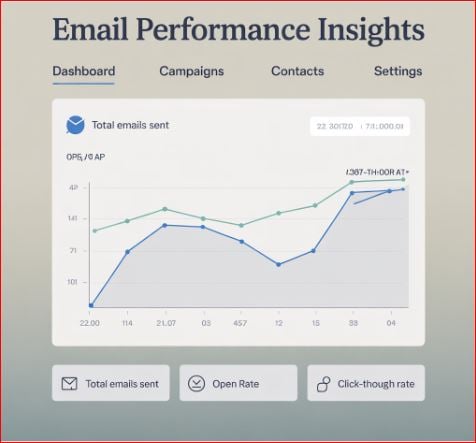
- Open Rate: This tells you if your subject line did its job. Did people open your emails?
- Click-through Rate: Your subject line may have been enticing but did people care enough to go back to your website? This metric shows that.
- Reactivation Rate: The most important metric. This is your success rate. This could mean purchases or logins depending on what your goals are.
- Unsubscribers: It's also important to keep track of how many people bail out after your emails go out. If this metric starts going up too fast, then you may be doing something wrong.
The Bottom Line
Not every customer is going to stick around forever. That's just how it is, even for the best brands. Customers will eventually lose interest, but the task is to figure out how to keep them engaged the longest. A solid re-engagement email can do just that.
Re-engagement emails aren't about begging customers to come back. It's about reminding them of the services and value that you bring to them. That's why the best re-engagement emails are the ones that don't try too hard; the ones that sound human and offer value.
If you're trying to bring back those quiet customers, do it with intention! Keep it clean, try being casual, and add some humor. But remember, you might have to experiment with plenty of approaches!
A perfect message isn't what you need—just one that connects with the audience!
