#1 Social Media Marketplace
Accelerate Your Social Media Growth with SocialWick. Quickly gain real followers, viewers, likes & more with our blend of marketing tactics. SocialWick is known for its fast delivery, premium quality, and low prices. With over a million satisfied customers since 2017, trust SocialWick to take your social media game to the next level.
1.4 M
Customers
13 M
Orders
362 M
Followers sold
1.8 B
Likes sold
Building More Visibility With Social Media Cross Brand Marketing
Published on 30.06.2026 by Tracey Chizoba Fletcher
One of the social media marketing trends gaining prominence in recent years is cross-brand collaborations. By collaborating with other brands that share your values and target the same audience, you can increase your reach, generate brand awareness, gain credibility, and increase sales.
However, if you collaborate with the wrong brand, you can affect your brand reputation, compromise your audience’s trust, and even cause a social media crisis. This is why you need to understand how to successfully collaborate with other brands. In this article, we guide you on how to do that.
What is Cross-Brand Marketing?
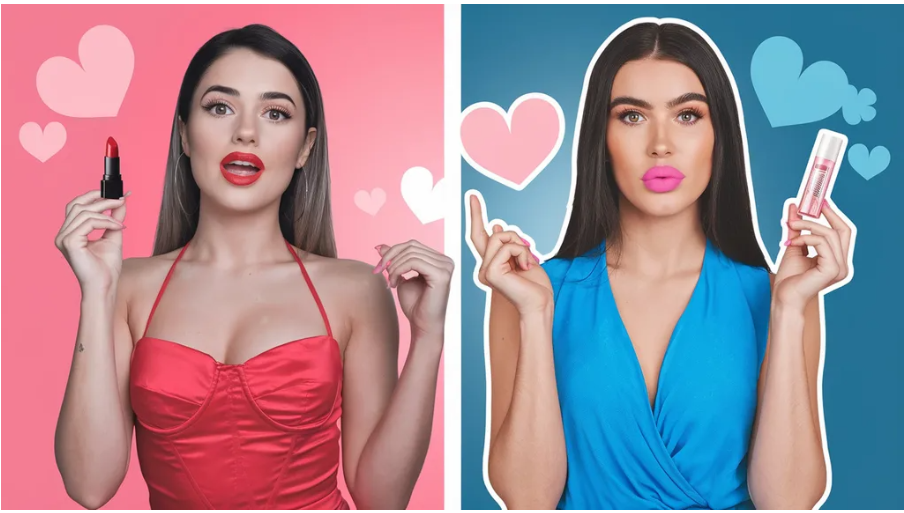
Cross-brand collaboration is a social media strategy where two or more businesses collaborate to market each other's products. That means they leverage their combined expertise and resources, providing their audience with higher brand awareness, greater value, and a win-win for both brands.
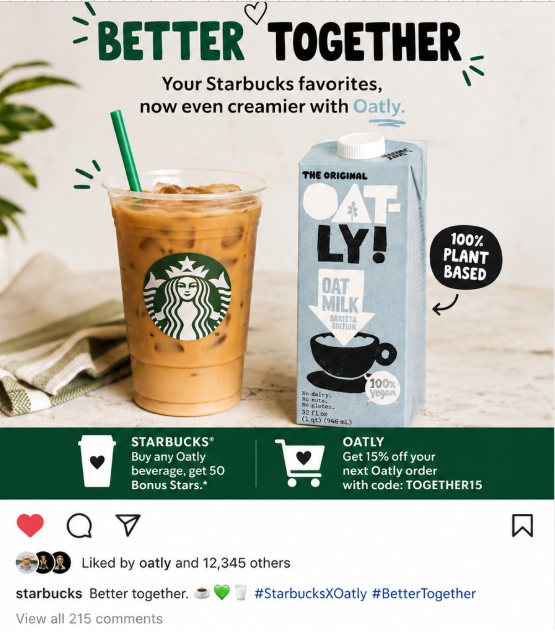
There are different kinds of cross-brand marketing, such as social media collaborations, content collaborations, co-hosted events, and bundled product deals. The strategy is a good choice for brands with similar or complementary audiences, but not direct competitors. For instance, a Saas service can work with co-working spaces.
A well-executed cross-promotion strategy offers mutual benefits to all parties. It can help brands reach new customers and enhance their appeal by providing value and exposure for their partners’ audience.
Pros of Cross-Brand Marketing
If you are wondering whether cross-brand marketing is worth it, here are some benefits you should know.
Improve Brand Recognition
When you collaborate with partner brands, you can gain more visibility with a new following ready to trust your brand, helping you build greater brand credibility. Such a level of brand endorsement is more beneficial than traditional advertising, as it builds greater trust. With time, regular cross-promotion can help reinforce your brand identity and improve brand recall among potential customers.
A More Cost-Effective Strategy
Rather than paying a premium for paid advertising, cross-promotion enables brands to leverage each other’s audiences, minimizing costs while ensuring maximum exposure. This ensures that brands make the most out of their promotion budgets while retaining a high engagement. When they collaborate on their promotion, they achieve higher organic reach and lower customer acquisition costs than with typical advertising.
Ability to Reach a New Audience
A cross-promotion strategy enables businesses to build brand awareness among potential audiences they would otherwise have struggled to reach. Some exposure can be beneficial for brands launching a new product or entering a new market. They can also create messaging that resonates with their target demographic by strategically choosing partners and enhancing conversion potential.
Better Partnership Level
When you collaborate with other brands in the long term, you can open the door to joint ventures, referrals, and future collaborations. These kinds of partnerships can provide you with a larger network, open doors to industry connections, and create business opportunities. When you have a large pool of authentic partners, you can get better insights to refine your promotion strategies and remain ahead of the trends.
Improved Customer Loyalty
When you add value to your target customers, you can be assured they will appreciate it. When you provide trusted customers with new content that resonates with them, the brand can strengthen relationships and secure repeat business, resulting in long-term growth.
Additionally, when potential customers see a collaboration between their preferred brands, it enhances their level of engagement and trust. When done consistently, cross-promotion efforts can foster a closely-knit community, drive better word of mouth, marketing, and customer advocacy.
Challenges in Cross Promotion
While cross-brand marketing offers many benefits, it also has drawbacks. These include:
- Conflict management between brands. At times, differences in company culture or marketing strategies can create tension.
- Communication style challenges. Many brands have their own communication styles and cultures. Unless this style is consistent across collaborators, it can be hard to maintain a smooth collaboration.
- Incompatible audiences.
- Branding mismanagement.
- Poor goal alignment.
Steps in Building a Powerful Cross-Brand Marketing
Now that you understand the benefits and challenges of cross-brand marketing, here are the steps to create an effective cross-brand marketing strategy.
Determine Your Objectives
Before you can launch your cross-promotion strategy, you need to be clear about what you want to achieve. Ensure you have well-defined, clear goals.
Some of the goals you might have in mind are:
- Growing an email list.
- Brands collaborate on giveaways.
- Increase sales.
Understanding your goal will enable you to choose the right partner to collaborate with. It will set the tone for your promotional methods and messaging.
Choose the Right Brands to Partner With
Remember that not all brands will deliver the same results in a partnership, so choose the right one that matches your needs. The best collaboration is built on shared goals and principles; therefore, you want to choose a partnership that feels genuine for both brands.
A good collaboration is one in which both partners have overlapping audiences, meaning each adds value to the other. Therefore, find a partner with a target audience similar to yours but not a direct competitor.
Brand Goals Alignment
After selecting your potential partner, ensure their goals align with your business goals. Your goals for the partnership should be mutual, whether you want to increase brand awareness, drive traffic to each other’s pages, or launch a new product. Ensure that you and the collaborators see the value in the collaboration. This could be to build some new connections, co-develop products, or share audiences.
Collaboration Framework
You will now need to create a framework for the collaboration to develop partnership assets. Focus on crafting a message that works for both parties, and ensure that the voice, style, and tone match both brands’ styles. Maintain consistent messaging across different campaigns and platforms.
When designing co-branded visuals such as social media graphics, product packaging, or logos, they should reflect the aesthetics of both brands. Therefore, make something that looks cohesive and seamless.
Choose the Right Marketing Channel
The channel you choose will affect the effectiveness of your campaign and its ability to reach the target audience. When selecting a marketing channel, choose one that reaches the combined audiences. Make sure that both brands use digital platforms, such as social media, email newsletters, or websites. When you cross-promote on each other’s channels, you will achieve maximum engagement and visibility.
Some of the top digital marketing collaboration platforms include:
Social Media
Another effective platform for cross-promotion is social media. You can collaborate with a brand on creating co-branded content, TikTok duets, Instagram collaborations, or a joint giveaway. You can share BTS content, engage with other brands, or run limited-edition promotions. You can use your social media channel to increase your brand visibility and foster audience participation.
If your brand and the collaborator have email lists, you can introduce each other to their respective email audiences. When cross-promoting through email, you can include one another’s newsletter, co-host webinars, or offer exclusive discounts for each other’s subscribers. For an email collaboration to work well, the messaging should not only feel organic but should add value to each other’s audiences.
Content Marketing
There are different kinds of co-branded content, such as video collaborations, guest articles, and blog posts. When you feature a brand that complements yours, you can introduce your followers to a matching product or solution while producing the necessary information. For instance, if you are a tour company, you can collaborate with a hotel to tap into each other’s audiences.
Influencer Marketing
You can even extend the campaign's reach by collaborating with influencers. However, before you do that, understand the influencer marketing trends and collaborate only with influencers whose values align with both brands.
Coordinate the Cross-Brand Marketing
If you need a trouble-free campaign, you need to coordinate effectively. Ensure you and the collaborators agree on the deliverables, schedules, and timelines of running the promotion. You can also create a collaborative content calendar to be consistent across platforms, prevent missed opportunities, and avoid message overlap.
Also, have regular team reviews to handle arising challenges and ensure the campaign keeps running smoothly. The roles of both parties should be defined early so that both businesses have equal contributions and benefits.
Track and Analyze
As with any other marketing strategy, you cannot tell whether it is working unless you track its success. For a more effective collaboration, start by tracking what is working and what isn't for both brands. You will need to agree on the KPIs to measure the campaign's success.
Some of the KPIs you need to track include:
- Growth in your website traffic.
- An increase in your social media.
- Follower and engagement growth.
- Brand sentiments.
- Sales/conversion.
Even as you go on with the collaboration efforts, make sure you are tracking whether the campaign is bringing the desired results. After tracking the initial results, you can adjust your strategy to ensure that future collaborations are more effective. When you find that something worked well, you can scale it later. If something didn't work, you can learn from its failure and use those insights to improve your collaborations in the future.
In Conclusion
A well-executed cross-brand social media marketing strategy will enable you to leverage each other's audiences to enhance brand awareness, reduce your marketing costs, and enhance credibility. It can also provide brands with access to each other's customers, accelerating growth compared to a solo effort. Therefore, use our guide for your cross-brand marketing strategy.

Sign up for SocialWick
Login
InstagramYouTubeTikTokFacebookTwitchSpotifyTwitter (X)SoundCloudIGTVLinkedInThreadsWebsitePinterestVKApple MusicSEO
Checkout
OK

Information
Order processing usually starts within a few minutes, but some services may take a few hours or even a few days. We offer free refills for up to 90 days if needed. Our services are 100% secure and discreet, with a focus on gradual and safe delivery for your peace of mind.
Order processing usually starts within a few minutes, but some services may take a few hours or even a few days. We offer free refills for up to 90 days if needed. Our services are 100% secure and discreet, with a focus on gradual and safe delivery for your peace of mind.
Where should we send your order confirmation?
No account needed! We send your confirmation and tracking link here.
Secure checkout. We never share your email.
Have an account?•
Log in
Use your account to pay faster with your saved details.
Create account
Create an account to track all your orders in one place.
Service
+0,00
Voucher
-0.00
Total
+0.00
OK
Affiliate & Reseller Program
Customer Support
How may we help you?
General Support
Order Support
Frequently Asked Questions
1) What services do you offer?
We are a social media marketing company, and we offer a wide variety of services across several platforms that our clients can choose from. Once selected, we create a plan that fits your needs. We offer several types of services, such as followers, subscribers, likes, views, song plays, etc.
2) Is your service safe?
Yes, as we only sell real followers, likes, views, etc., and we hold every service to strict authenticity and quality standards. In order to protect your account, we deliver every order carefully and gradually. We closely monitor all our services. For more information, we strongly recommend reading our Terms of Service before you order.
3) Will I need to give you the passwords for my accounts?
No, you can keep your passwords to yourself because our services don’t need a password to influence your accounts. And if an email ever shows up claiming to be from us and asking for a password, it’s definitely not us, so please let us know right away.
4) Are the likes, followers, and subscribers real, or are they bots?
Unlike many other services, all our likes, followers, and views come from real accounts operated by real people. You won’t find bots, fake profiles, or hijacked accounts anywhere in what we deliver. Every order has to pass our strict authenticity standards, and we keep checking our quality to make sure it stays that way.
5) How fast can you deliver my order?
We will show you the estimated delivery time when choosing the service. However, this is only a rough estimate. In most cases, the services are delivered much faster. In some cases, it may take longer. We always aim for a natural and safe delivery!
6) What are your best-selling social media marketing services?
Although we have many services across most social media companies, our services for Instagram, TikTok, and YouTube are our best-selling options.
7) How do I know my account will not be flagged or banned?
We take safety very seriously. We never ask for your password, all followers, likes, and views come from real accounts, and orders are usually delivered gradually and naturally. What we can promise is careful delivery and strict quality standards. Plus a support team that’s there whenever you need us. We are not aware of a single case since 2017 where a customer got his profile banned.
8) What is the best method to communicate with you?
Do you have a question or run into a problem? Our customer support is available 24/7 for you. Just click Contact and you’ll land right on the support form. When you buy one of our services, we will email you to see if there were any problems. Your satisfaction is our main priority.
9) Are there discounts for large orders?
Yes! If you would like to request a large order that isn’t on our ordering layout, we will have no problems accommodating you. Just reach out through the support form and we’ll put together a buying plan that fits what you need.
10) What methods of payment do you accept?
We accept all forms of credit and debit cards, as well as Klarna, eps, PayPal, and Crypto.
11) If I am unsatisfied with your services, am I able to receive a refund?
Yes! Every purchase comes with a 30 day money-back guarantee. Not satisfied? Just contact our support within 30 days of your purchase and send us your order details and a short note on what went wrong, and we’ll take a look at your case. The full conditions are in our Refund Policy.
12) I haven’t received my order
Please make sure the following criteria are met before placing an order to make sure we can deliver it successfully.
- Your account is set to public
- You have typed in the correct username or link
- You have not changed your username before the order’s completion
- The post or account still exists and has not been deleted
- The post or account has not been restricted or removed in some countries
- Allow the estimated delivery time for completion of your order
For further assistance, please message our support team through the contact form.
13) How can I request a refill?
Just send us a refill request through the contact form. Please note that we can only provide you with a free refill within the first 90 days of your purchase.
Learn More
What is SocialWick?
We are the leading marketplace for social media promotion. You can buy followers, likes, views, subscribers, and a lot more for almost all social media networks. We offer affordable prices without making any compromises in terms of the service quality. We have a strict policy to only sell social media signals from real people. Part of our engagement, for example, comes from ad-based promotion where real users discover the content through ads. Bots, fake profiles, and hijacked accounts have no place in our services. Every delivery has to meet our authenticity standards, and we run regular quality checks, and anything that does not meet them is removed from our catalog. Our services are available for personal use, whether you want more Instagram likes, TikTok followers, YouTube views, or something else for your own profile.
With over a million satisfied customers, SocialWick is the go-to platform for all your social media needs. Our services are discreet and secure, with gradual and careful delivery to keep your social media accounts safe.
About SocialWick — The Market Leader since 2017
With more than 10 million orders, SocialWick is one of the world’s biggest social media stores. You can find everything on our website to improve your presence on major social media platforms like Instagram, TikTok, YouTube, Twitter (X), Facebook, etc. We offer different types of services for several social media platforms. Your wish is our command, and whatever your goal might be, SocialWick will help you achieve it. Whether you need more likes on your Instagram photos or want to make your LinkedIn profile more popular by getting additional followers, SocialWick is there to turn your goal into reality.
Thanks to our effective services and our customer-oriented work, SocialWick has become a top player. You will not find a better service anywhere else, especially not at such affordable prices. SocialWick is operating since 2017.
365 Days Per Year Customer Service
Your satisfaction is our motivation! We’re not here just for the money; we do our work to help people find their road to social media success. And that’s why our team will do all to make sure everything goes according to plan. If there’s something wrong with your social media campaign, or worry that there might be some problems with your account, or want to learn more about how our services work, feel free to reach out. Our service staff is there for you seven days a week, ready to answer any of your questions. You can get in touch with us using the contact form on our website.
Buying Followers and Likes is Essential
Unless you’re Kylie Jenner, you definitely need some help with social media. The more followers you have on Instagram, TikTok, Twitter (X), or YouTube, the more people will automatically notice you. Having all those eyes on your content isn’t just impressive, it’s genuinely fun. The bad news is that everyone wants to be famous these days, but only a few can succeed. The good news is that you can be the chosen one who will get social media fame and everything that comes with it. But, for that, you need a little help from your friends at SocialWick.
With our help, you will increase the number of followers on social media, which can have a domino effect and bring you even more new followers. Once people see that you got a big followership, they will decide to give you a follow. "If a profile has so many followers, it means that it’s interesting" – you can be sure this is going to be their reasoning. Furthermore, more followers mean more visibility for everything you post. Finally, a large number of followers also do great for your credibility. Our social media services will help you to create a better overall picture of your profile.
Let’s be honest; a profile with 30,000 followers looks much better than one with 74 followers. And that’s exactly what new visitors will pay attention to. A weak social media profile can be a real deal-breaker. At the same time, a fantastic social media profile can do wonders for you. And SocialWick can make your social media profile amazing!