Influencer marketing has been growing rapidly in recent years and is expected to reach a valuation of 26 billion in 2026, driven by high returns on investment, rising social commerce in digital marketing, and a shift toward long-lasting partnerships with creators. Brands are now focusing on long-term strategies, committing 20-30% of their budgets to influencer marketing.
However, technological and algorithmic changes, along with shifting social media trends, have transformed how influencer marketing is done. This is why it is important to understand key social media trends driving influencer marketing in 2026.
What is Influencer Marketing?
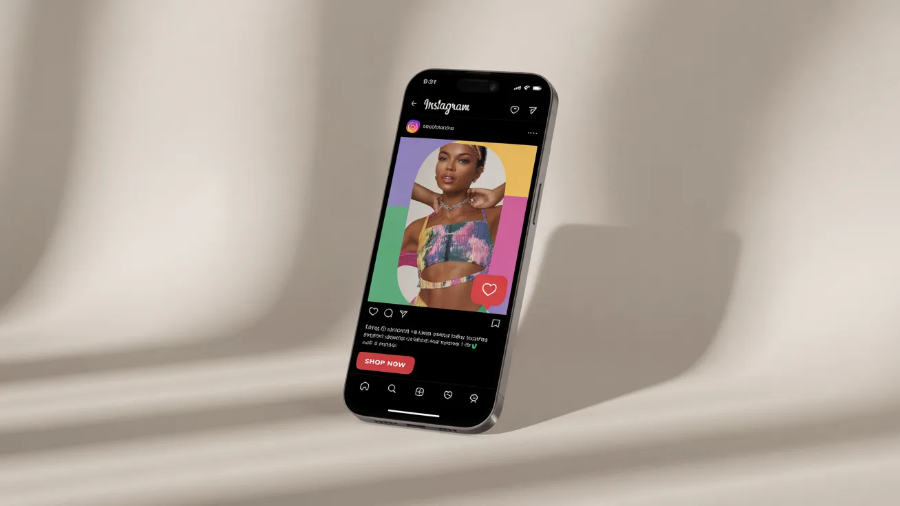
Influencer marketing is a social media marketing strategy that involves a creator or celebrity with a large following endorsing a brand, aiming to influence their followers to become aware of the brand or purchase its products. These individuals are often seen as experts in their field and are trusted by their followers. That means when they recommend a product, it serves as social proof for potential customers of the brand.
While some influencers have large, broad audiences across different demographics, others often have smaller, more engaged, and targeted communities. Understanding what every kind of influencer needs in terms of content, reach, range, and engagement can help you choose the right one for your brand.
Is Influencer Marketing Still Working in 2026?
Consumer trust in brands is declining. According to one study, 92% of social media users prefer buying products recommended by their friends to brand advertisements. This has favored influencer marketing, whose recommendations deliver better results compared to paid ads.
This has led 71% of brands to increase their budgets for their creator programs. About two-thirds of them are transferring their funds from traditional ads to influencer marketing.
The value of the influencer marketing industry keeps rising because professionals can raise brand profiles. However, in recent years, this marketing method has come under scrutiny, with consultants accused of recommending products solely for the paycheck rather than for their value. On the other hand, some social media users trust influencers and are loyal to them.
One factor social media users consider when deciding whether to follow an influencer is the influencer's level of authenticity and whether they genuinely care about their audience's interests. Additionally, a third of consumers say they find influencers give a fake picture of themselves and the product they are promoting.
When these factors are taken into account, it is clear that social media users are seeking honest influencers, even though many struggle to convey their authenticity.
Top Influencer Marketing Trends in 2026
Here are some top influencer marketing trends to watch in 2026:
The Rise of Micro and Nano Influencers
According to statistics, nano influencers with fewer than 10K followers have the highest engagement on Instagram at 2.19% and on TikTok at 11.9%. This is compared to macro influencers, whose engagement on IG is often below 1%. These statistics show the continued rise in the role of micro and nano influencers, with other data indicating that 75.9% of influencers on Instagram are now nano influencers. You can read our detailed guide on micro influencers vs. macro influencers.
This is often attributed to the fact that micro and nano influencers usually have a strong relationship with their audience, generating more likes, comments, and shares. When they recommend a product, social media users see it as a friend's recommendation rather than an ad. This level of recommendation results in more comments, purchases, and savings.
Additionally, cost is another factor driving the rise of micro influencers, with their rates ranging from $100 to $ 1,000 per content piece. That's compared to macro and mega influencers, who can charge $1,000 or more per post. Therefore, for the same budget, you can have several influencers recommending your brand to more audience segments and creating more test content.
This means the brand should stop changing for the sake of reach and instead chase relevance because an influencer with 10K followers driving high engagement will beat another with 500K followers. Instead of working with one mega influencer, you can work with 10 to 15 different micro influencers.
A Focus on Long-term Partnership
There was a time when influencers focused on running one-off campaigns, but in recent years, there has been a shift toward long-term partnerships. This is because when a partnership is based on shared goals, alignment, and trust, it is more likely to deliver results.
While the short-term campaigns are great for delivering fast results, they may struggle to bring genuine connections with audiences. On the other hand, to enjoy sustainable growth and trust, you need long-term campaigns. When creators work consistently with a brand, they are more likely to be seen as authentic ambassadors. They can easily weave a product into an ongoing story rather than treating it as a one-time mention. This level of consistency can build your audience's trust and help you achieve long-term success.
To make the most of the trend, it is best to focus on building relationships rather than on transactions. Make sure you work with creators who align with your brand's audience and values. You can begin with two to three trial posts with the top creators, then track conversion and engagement for each post. When you realize the partnership is working, you can extend it. You should only get into a long-term contract after you have tracked the performance data.
A Focus on Authenticity Over Polished Content
During the early days of social media, studio-quality photos were the thing. However, as users realized they often reflected a fake lifestyle, social media users now prefer raw, unpolished content. Whether it's on Instagram, TikTok, or YouTube Shorts, there is a shift toward content that looks organic. According to one study, 79% of social media users say their buying decisions are influenced by user-generated content.
Another Sproutsocial trend suggests that 35% of Gen Zs consider authenticity as their top trait when purchasing products. On the other hand, older generations, such as millennials, are looking for influencers whose values align with theirs. With Gen Zs being more digitally savvy, they are better at spotting inauthenticity. That is why they value personal recommendations and the products of trending influencers that interest or entertain them.
When brands provide creators with a script, the results will often look scripted. On the other hand, when you give influencers creative freedom and a clear goal, you get high-performing content. Therefore, you should begin by defining your key message, focus on the product, and include a CTA. You can then let the influencers use their own voice. The less control you have over the content being created, the less control you have over how it performs.
Use of AI for Campaign Management and Creator Discovery
AI has revolutionized content creation, with 86% of social media creators using it to brainstorm content ideas, produce content, and create content that lasts. If you are a brand, AI can eradicate some of your most time-consuming duties, such as:
- Finding influencers to partner with. AI tools can help you vet influencers faster.
- Checking the quality of engagement. Check if the ratio of followers to engagement matches.
- Content performance prediction.
- Flagging the fake followers.
If you are a brand running a partnership with many creators at the same time, you can use the AI-powered platforms to save your time. The tool offers a range of features, such as a live performance dashboard, predictive analysis, and automated matching, to replace manual spreadsheet work. However, when using the AI, you should notice that the final steps are in your hands.
AI tools should be used to speed up repetitive tasks, such as brainstorming ideas and writing captions. On the other hand, human effort will still be needed to add humor, tone, and storytelling, and to ensure that this remains human. Remember that the best creative efforts and campaigns are those that add a human spark and authenticity.
A Shift to Performance-Based Hiring
With the number of influencers rising, brands are now demanding more accountability. According to one study, brands are more interested in tracking sales instead of impressions, which has highlighted the need for attribution models that connect a creator's posts to their revenue. This can be done through trackable links, integration with them, and unique discount codes.
That means the old model, where brands pay a flat fee for a post, is being replaced by a hybrid compensation model that combines a base fee with a commission based on tracked conversions. When creators drive results, they earn more.
Unfortunately, most brands don't track acquisition costs for their influencer campaigns. Instead, they make their budget based on gut. This means that when brands fix attribution first, they can outperform their competitors.
Quality Content Instead of Quantity
There are times when creating a high volume of content was the thing. However, this has changed, and the focus now is on quality and reliability. Instead of flooding feeds with posts, creators now need fewer, better stories that are easy to remember.
By crafting compelling narratives in consistent formats and ensuring originality, you can demonstrate your excellence. While your competitors focus on creating many posts, you can focus on quality that will stop the scroll.
Tracking the Ability to Measure Success
Many brands still measure influencer performance based on conversions and clicks. However, in 2026, brands are looking beyond link clicks, reach, and ROAS. The top campaigns usually deliver better outcomes, greater visibility, community engagement, and a reputation boost. It can be hard to measure all these on a single dashboard, even though they can drive long-term growth.
As with any partnership method, you shouldn't judge anything based on your first results, as the best influencer marketing results can take time. But when things start rolling, it gets easier. Therefore, instead of focusing on conversion metrics, you can track your brand reputation, visibility, and community engagement. This is what will drive conversions in the long run.
How to Run a Successful Influencer Marketing Campaign in 2026
We have already noted a shift in how influencer marketing is done between the past and now. That means you can't afford to run your influencer marketing campaign the same way you did in the past.
Here are the steps to follow when running a successful influencer marketing campaign:
Choose the Right Influencer
Choosing the right influencer for your brand is an important step in creating a successful strategy. Begin by conducting marketing research to understand what your audience is looking for and select the right platform to engage them in influencer collaboration. This matters as the different networks cater to different audiences.
Here are several factors to consider when searching for an influencer:
- Find an influencer who is already creating content in your niche.
- Consider whether the influencer is unbiased and honest. You can browse their feeds by clicking on a post. When you notice that their accounts aren't generating enough engagement relative to their follower count, it could be a red flag.
- Has the influencer worked with a brand similar to yours in the past? If you are working with an established influencer, you may need to ask for their portfolio.
Set Your Influencer Marketing Strategy and Budget
The next step should be to set the budget and management strategy for your campaign. You can leverage a budgeting template to manage expenses and allocate resources to high-value partnerships. Ensure you set the time needed for planning, execution, and review of the influencer marketing program.
Influencers often juggle multiple platforms, underscoring the need for a more hands-on approach. Remember that an important part of managing your budget is understanding the influencer's charges, which are often included in an influencer rate card.
Determine Your Campaign Goals and Messaging
A successful influencer marketing program is one that focuses on your campaign needs and goals. Determine whether you want to reach a new audience, introduce a product, or highlight your brand's values through influencers. Pay attention to the influential trends we discussed earlier to determine what is working in your industry.
Your messaging is also as important as your goals. Since influencers tend to target a specific audience, you need to ensure your campaign messaging is well-refined to create content that better aligns with your brand's values.
Influencer Marketing Outreach
The kind of influencer marketing outreach you will use will depend on your choice of an influencer. If you want to work with macro influencers and celebrities, you may need to go through an agency. Some influencers may also include their contact information so brands can reach them more easily. If you are considering working with a micro-influencer, you can reach out to them directly via a private message.
Strategy Review and Refinement
After hiring an influencer and working with them on a campaign, you can now refine and review the strategy to ensure its success on every campaign going forward. Make sure you have discussed predefined milestones at which you will measure progress.
Common Mistakes to Avoid in Influencer Marketing
While the steps above will make it easier to run a successful influencer marketing campaign, it's also important to avoid mistakes that can increase the risk of failure. To ensure a smooth partnership, avoid these mistakes:
Not Defining Your Influencer Marketing Goals
Before you get into an influencer partnership, you need to be clear on what you want to achieve. There are several ways in which setting the right goal can help you in advance. These are:
- Selecting the right influencer. When you clearly define your goals, you can easily determine the qualities and characteristics you are seeking in an influencer, so you can focus on achieving them. For instance, if you want to increase brand awareness, choose influencers with a strong social media presence and reach in your niche.
- Define your success. Consider what you want to achieve. Is it to grow your post engagement, impressions, or traffic to your site? Make sure your metrics and KPIs are well-defined during and after the campaign to gauge its performance.
- Ensure accountability. When you establish clear performance and expectation benchmarks with influencers, you can get more responsible ones. This is because they can better understand the results they want, and get feedback, ensuring that every party saves time.
- Be on the same ground. When you understand your camping goals, you can ensure that both the brand and the influencer are on the same page. This can lead to more effective communication and better feedback collection, helping everyone save time.
- Influencer partnership disclosure. According to the FTC guidelines, you need to disclose any brand partnership to maintain transparency and increase your audience's trust. When they understand these guidelines, influencers and brands can remain on the right side of the rules.
Prioritizing Your Follower Count
At times, you may have a large following, but that does not necessarily translate into high engagement. At times, an influencer can have so many passive followers but low engagement. Rather than partnering with influencers with large followings, choose those with loyal, engaged followings.
When you have a couple of people who trust influencers, they can be more valuable than someone with a large following who is unlikely to convert. Pay attention to influencers' engagement metrics, including comments, interactions, and past performance.
Not Conducting a Background Check on Influencers
Selecting the wrong influencers can cost you money and time. This is why it's a good idea to research your preferred influencer before you sign a partnership. Vet influencers to ensure they share your vision and complement your brand's personality.
When researching an influencer, you need to take into account several considerations, such as:
- Niche and engagement. Consider the topic the influencer regularly discusses and check whether their tone of voice, engagement rate, and content type align with your brand. This is important as you want an influencer whose topic, voice, and tone will resonate with your target audience.
- Authenticity and influence. If the influencer partnership is forced, it may look insincere, harming your brand image and campaign. A good idea would be to collaborate with influencers who are genuinely involved with the product and brand. Remember, there is a reason why they are trusted by their followers, and you don't want a situation where your brand gets in the way.
- Audience demographic. Check the influencers' followers to determine whether your campaign will reach the right audience.
- Branded content experience. Consider whether the influencer has any experience working with brands similar to yours. What kind of content did they create, and did it generate interest and authenticity?
- Aligns with brand values. Ensure that the influencer you partner with aligns with your brand value. You don't want to create content that crashes with your target audience.
Poor Crafting of Briefs
To maximize the results of your influencer marketing campaign, your brief should be well-structured. A good one should help the influencer better understand how they should be representing your brand, the details, and the resources they need to do so accurately, without overrestricting.
There are several elements that should be included in a brief:
- The goal of the campaign vs. what you are trying to achieve.
- The background of the campaign. Consider your brand vs. what you are selling.
- The key features, benefits, and differentiators of your campaign.
- The target audience. Add an audience persona where necessary.
- The look of your budget for the campaign.
- A timeline.
- Influencers who will be using your brand's assets. You can share your colors, fonts, and logos with them where necessary.
Remember to share with the influencer the ideas and words you want them to avoid. For instance, if you are an eco-friendly brand, you might want them to avoid using the word "plastic."
Limiting the Creative Freedom of the Influencer
While it is essential to have some comprehensive briefs, you also need to avoid overdoing it by providing too many guidelines to the point where you curtail their creative freedom. This can make the content look inauthentic and scripted. Therefore, avoid having to draft several drafts before they go live. Your goal should be to identify the partners whose values align with your brand and give them the creative process.
This is important because influencers are already experienced in creating content that resonates with their audiences. Your goal should be to support them with the resources they need to create effective marketing content.
Not Setting up Front Expectations
When you establish clear expectations in advance, you can ensure a smooth, productive collaboration that will lead to a successful campaign. Some of the things you should agree on are:
- Deliverables and timelines. Outline the campaign's timelines, including when it starts and ends, and any deadlines for submissions and content publication. Also specify the deliverables required, such as the number of videos, posts, and stories the influencer needs.
- Payment terms. Agree with the influencer on the payment schedule you will use, whether performance-based, an ongoing retailer, or a one-time fee. Make sure you discuss the payment schedule and other terms, including bonuses for exceptional performance and penalties for missed deadlines.
Not Tracking the Right Metrics
Influencer marketing can benefit your business beyond just increasing sales. If you are fixated on revenue and conversions, you may end up thinking the influencer isn't delivering the results you want. This is why you need to track other metrics, such as:
- Engagement metrics. Track metrics like likes, comments, and shares.
- Brand awareness. Track the number of clicks, views, and website traffic to measure the reach of the campaign and the interest of your audience.
- Inbound leads. Track the number of messages and inquiries your brand is receiving, so you can assess the impact of your campaign on inbound lead generation.
- Follower growth. You can also track new followers to gauge the influencer's impact on audience growth and brand visibility.
In Conclusion
Influencer marketing has been around since the early days of social media. However, the strategies on how it is done and the expectations of both creators and brands keep on changing. This is why it is important to understand the top influencer marketing trends. By reading our guide, you should be able to do that.
