When developing a creator economy strategy for 2026, one question you may have is how to monetize your content. However, with the many monetization options available, the real challenge isn't how to monetize but choosing the right ones. This is especially true because you need to choose a monetization method that aligns with your content style, audience, and long-term growth goals. In this article, we guide you on choosing the right creator monetization method.
A Step-by-Step Monetization Guide
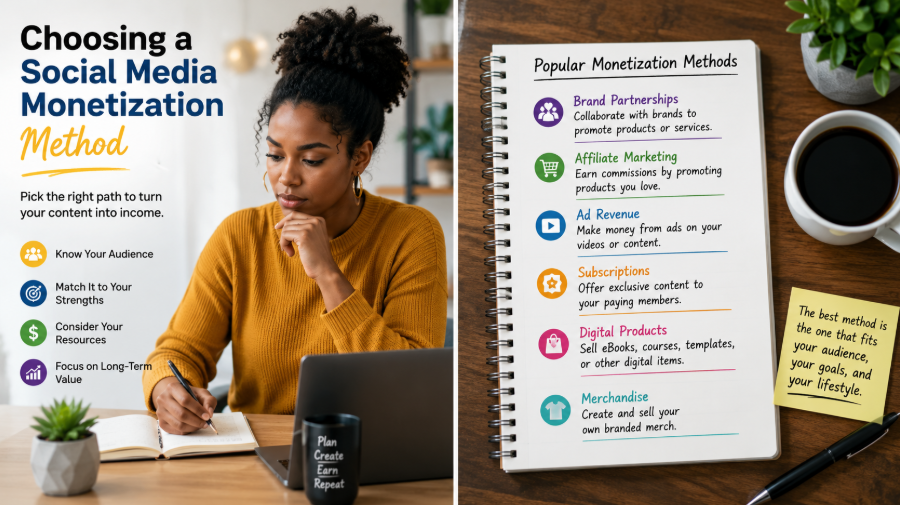
To turn your creative efforts into a real business requires a deliberate strategy. A good content monetization strategy involves creating valuable content and finding a way to generate income from it.
Here are the steps to create a content monetization strategy:
Define Your Ideal Audience and Niche
Before you start creating a product, you need to understand who you are creating for and the exact problem you want to solve. Make the goal very specific. For instance, instead of saying you want to help people lose weight, you can target busy professionals over 35 who want to tone their bodies with a 30-minute workout. When you have such highly focused goals, you can tailor your content to your marketing and audience's needs and also attract a ready audience.
Creating Valuable Content
You should begin by creating content that adds value for your audience. This can be in the form of articles, videos, podcasts, and music. It can also be in the form of any other format that users find informative and entertaining. You want to ensure the content is noticeable for its quality.
If you are creating blog posts, quality content should be well-written, easy to understand, informative, and engaging. The content should convey complex ideas in clear, brief language, engaging readers to better understand and relate. A good idea is to find a unique angle or an untapped knowledge gap. Make sure you create fresh, attention-grabbing content that meets your target audience's needs and keeps them coming back.
While many social media platforms prioritize consistent posting, you should focus more on creating quality content instead of quantity. Instead of creating high-volume posts, focus on creating useful, thoughtful posts that reflect your brand messaging. In recent years, there has been an increase in the popularity of visual content. Therefore, adding high-quality images can draw audiences to your posts. Consider leveraging AI for social media content creation.
Building Your Audience
Once you create valuable content, you can share it through social media, websites, blogs, email marketing, and other channels. The aim is to grow an audience or viewer base.
For your content to succeed, you will need to focus on relationship-building rather than just website traffic. You should now focus on building some genuine connections. Instead of just broadcasting to your audience, focus on connecting with them authentically by responding to their comments.
Choose the Right Monetization Models
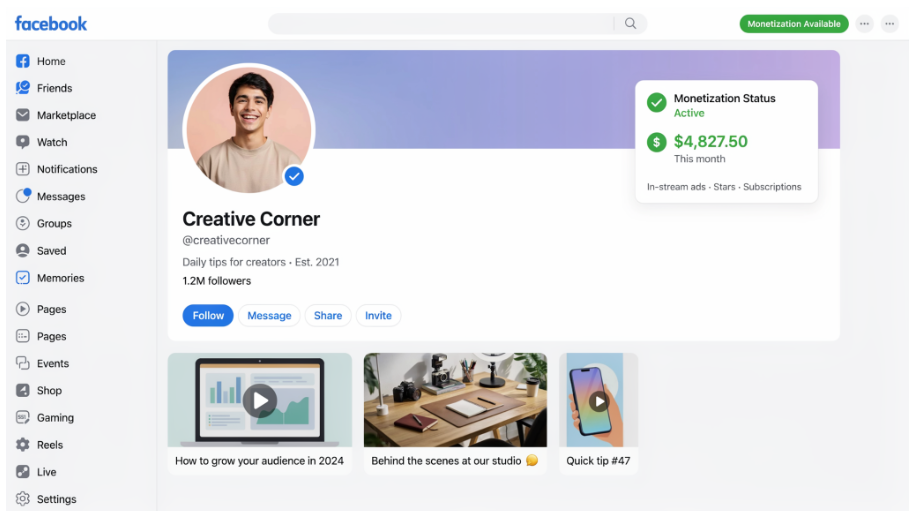
The monetization method available to creators can be categorized into four main models. These are:
Advertising-Based Models
This is the oldest and most traditional model for monetizing content, which involves running ads alongside your content. The revenue you earn will depend on the impressions and traffic. It is the most common monetization model for social media networks, digital media, and app marketplaces. The model relies on targeting a specific audience demographic with a large number of users.
The monetization method can consist of different methods, such as:
- Display ads. These are automated banner ads often visible on websites, where creators are paid per click (CPM) or per thousand views (CPM).
- Sponsorships. This monetization model involves a brand paying creators to discuss their products, usually through a newsletter shoutout or a special segment in the video.
To make a significant income from this advertising model, you need a large user base. Its biggest advantage is its low entry barrier, making it easy to set up with a minimal upfront investment. Since it offers a wide range of ads, the monetization model offers more flexibility and diversification opportunities.
On the other hand, monetization models have a downside: there is no guarantee you will get advertisers. The advertising market is also highly volatile, so when advertisers cut their budgets, your income decreases.
Subscription Model
This model charges your audience a recurring fee for access to premium content, ensuring they have a predictable income. Rather than chasing views to earn ad pennies, all they need to do is create high-quality content
- One-time memberships vs. purchases. This involves selling access to exclusive communities, products, and content.
- Premium digital products and courses. This involves packaging your expertise in a structured program or a digital download to drive direct sales.
The fact that you choose one monetization model doesn't mean you cannot combine it with another one. In fact, many creators combine one or more strategies to ensure a balance between audience engagement, scalability, and stable income.
Affiliate Model
This is a revenue model in which creators earn income by selling products on behalf of other businesses. With this affiliate revenue model, the affiliate acts as the middleman between the customer and the products or services. The earning model is usually cost-effective and low-risk, as you don't need to create your products, handle stock, or even manage customer segments.
Creators can earn a passive income in the form of commissions even without getting actively involved. You can also earn income from multiple partners simultaneously, making it a good option for scalability and diversification.
The main downside of this revenue model is that you don't have control over the products you promote. This can leave customers with a negative experience, harming your reputation. The revenue you earn from affiliate marketing will also depend on the partner.
This revenue model is usually based on trust. Your audience trusts you to conduct research so they can be confident in what they are buying. Therefore, avoid pushing some random products and instead focus on the high-value ones that solve your audience's problem. Again, focus on the commission on some products.
Selling Digital Products
In this monetization model, you are no longer a middleman between a manufacturer who packages your knowledge into assets to sell to your audience.
Some of the digital products you can see include:
- Ebooks and guides. You can create some deep-dive resources to solve a problem.
- Online courses. You can create a step-by-step learning program to help people achieve a particular goal.
- Downloads and templates. This involves ready-to-use tools to help your audience save time.
- Exclusive content. You can also share content on extended interviews, behind-the-scenes documentaries, or premium tutorials to appeal to your dedicated fans.
The good thing about this monetization method is that most of the work is done upfront, but the benefits are greater.
Choose the Right Digital Platform
A content creator platform is a set of digital tools that help creators produce, upload, and monetize their work. The platforms make it easy to create and publish content and to manage their creative business. Some platforms may also help creators get discovered while also helping them reach their audience.
The right monetization platform will depend on your goals, audiences, and content types. The major monetization categories are divided into a few categories, such as:
- Audience growth platforms. These focus on discovery and visibility, helping creators reach new audiences by leveraging social features and the algorithm to make their content go further. These platforms can help creators reach a large audience and increase their brand awareness.
- Monetization only. These platforms can help creators earn from their audience by offering memberships and selling digital products, without having to manage the business infrastructure.
- Growth & monetization platforms. These are for creators who need more control and the ability to scale. The platforms often combine a community space, engagement, and earning methods, allowing creators to build deeper relationships with audiences and ensure sustained growth.
Launching Your Product
After warming up your audience and creating a product offering, the next step is to launch. A good launch should be a planned event. Begin by building anticipation in the community, sharing some behind-the-scenes content, and answering common questions. Use your email as the key channel for the campaign launch.
You can send a series of emails that share a compelling story of how you overcame potential objections and clearly explain the value your brand offers. You can also create a rush of sales and build long-term momentum by running a well-run launch.
When choosing a platform for monetizing your content, you need to consider several factors, such as:
- Control. Consider the level of control you have over your audience and content.
- Monetization. What monetization options does the platform offer, and are they flexible?
- Scalability. Consider the platform's ability to grow with your business, or whether you can outgrow it.
- Cost. How do your revenues and fees change with platform costs?
When you select the right platform, it becomes easier to save time and money.
Tips for Success When Monetizing Content
To increase your chances of success with your content monetization, you can use the following tips:
Determine Your Audience's Needs
Unless you understand your audience's behavior, it can be hard to increase your revenue. You can use different tools, such as social media insights and Google Analytics, to understand the kind of content that resonates with your audience. Understanding audience preferences and trends makes it easier to create highly engaging content.
Define Your Niche
To stand out in the saturated market, you need to focus on a particular niche and ensure that your content is tailored to the audience's needs. Some popular niches you can consider include finance, gaming, and fitness. With a focused approach, you can easily position yourself as an expert, ensuring you have more appealing content.
Audience Segmentation
Your audience is rarely a one-size-fits-all. This is why you need to segment them into groups based on demographics, expertise, and interests to create a personalized monetization strategy. If you are creating content for beginners, you can focus on the entry-level products and tutorials. On the other hand, you can go with a premium offering and insights for expert content. Audience segmentations will ensure you are creating content that aligns with a wide range of your audience's needs.
In Conclusion
One of the factors that will impact your earning potential is the monetization method. The top creators don't rely on a single method; instead, they focus on several. Therefore, if you are looking for a good monetization strategy, our detailed guide will help. Additionally, you should consider one of the methods mentioned.
