Social media growth isn't always tied to increased business revenue. Many businesses fail to derive any real-world value from their social media, even after months or years of consistent posting. For every entrepreneur who converts their online growth into actual revenue, there are a dozen others who simply cannot connect their social media growth to business revenue. Successful entrepreneurs who use social media effectively convert their online followers into paying customers by deliberately connecting their social media to the sales funnel.
This is a strategic decision that will determine whether your social media marketing strategy will have any measurable impact on your business. If your social media presence isn't an active part of the business's sales funnel, all the gains you make on social media will be limited to the platform and may as well be vanity metrics. This guide will discuss why social media growth isn't always aligned with business revenue, how businesses can map customer journeys across social media, which specific metrics predict real-world revenue, and how to build a sales funnel that converts new social media followers into paying customers.

Why Growth Doesn't Automatically Mean Revenue
The most obvious signs of social media growth, such as follower counts and likes, don't automatically translate into revenue, as they are essentially vanity metrics that look good on paper but don't capture buyer intent. Bringing social media users to your account and enticing them into becoming followers is only the first step.
High comment, like, share, and save rates show that your content is popular, but they don't necessarily mean that your followers are interested in your actual offerings or have the funds to buy them. They indicate that you are on the right track to business growth, but additional work is needed to make these engagement metrics truly work for your business.
Here's an appropriate hypothetical: an entrepreneur opens a social media account and rapidly gains popularity through insightful and entertaining content. However, they haven't set up any systems that encourage followers to convert into buyers, such as clear product offers, email lists, or easy checkout systems. They have a notable online following but have failed to convert these followers into paying customers.
Map the Customer Journey Across Your Social Platforms
The key to extracting real value from your social media accounts is to map the customer journey from the second they visit a social media platform to the moment they finally become a customer. If you are recording notable social media growth, you are already covering the initial stages of the customer journey. You just have to complete it to ensure online growth translates to real-world value.
Awareness: Where Followers First Discover You
The first step of the customer journey across social media is discovery. This stage lies at the very top of the sales funnel and ensures your content mix boosts your brand's discoverability and reach. You want content with high share and discoverability rates in search and discovery feeds to supercharge the brand's chances of being found by new potential customers.
Educational content tends to perform better in search feeds, as users typically seek it of their own volition. Entertaining content, on the other hand, has high share rates that can boost engagement and train algorithms to push your content to more people.
Consideration: Building Trust Before the Sale
Once you've grabbed the attention of a potential buyer, the next stage of the journey is building trust. Most people use social media to pass the time and relax, not to spend cash, so you want to avoid looking overly promotional. If a curious viewer lands on your account and finds it filled with promotional content, they are much more likely to leave than to become a follower. At this stage, you want to produce content that allows you to build trust with new viewers and followers.
The content should be high-quality and offer real value to your followers to establish your expertise and credibility on the topic. When you consistently produce high-quality, value-driven content for your followers, you prime them to take you and your brand seriously. They are much more likely to convert into paying buyers than new viewers interacting with your content for the first time.
Conversion: Turning Followers Into Customers
The final step in the consumer journey across social media is converting your followers into paying customers. This is where many businesses fail to extract real value from their social media growth. The conversion stage ensures that the followers you attracted and engaged with in the previous steps are primed to take action and buy your products or services.
Conversion typically occurs when businesses consistently create product-driven content with clear calls to action and direct links to your commercial profiles. With your followers sufficiently warmed up by your consistent, value-driven content, they will be much more likely to progress from loyal followers to paying customers.
Metrics That Actually Predict Revenue
Your social media growth strategy should prioritize metrics that actually predict revenue over vanity metrics that have little real-world impact. You want metrics that focus on purchase intent and user actions to ensure your online marketing efforts deliver a reasonable ROI.
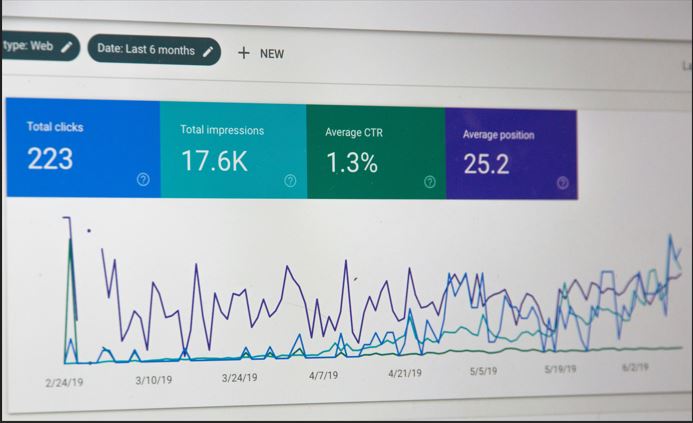
Click-Through Rate and Link Traffic
These metrics track the percentage of your viewers and followers that have clicked on provided links and followed them to external product or service pages. It measures the number of social media users who have moved from passive scrollers to active potential buyers.
Click-through rates (CTR) reflect real purchase intent in your community. A high CTR means that your content is convincing audiences to follow your call to action, while low rates indicate that either your targeting or creative strategy isn't working.
Conversion Rate and Cost Per Conversion
Conversion rates measure the percentage of social media users who move from passive scrollers to active customers. Getting thousands of clicks doesn't mean a thing if none of the curious viewers follows your call to action and books a consultation, signs up for your newsletter, or buys your products or services. Conversion rate is the primary metric by which businesses determine if their social media marketing is bearing fruit.
Cost per conversion is the average cost to convert a passive social media user into a paying customer. You can calculate cost-per-conversion by dividing your total social media marketing budget by the number of recorded conversions. If paid advertising is part of your marketing strategy, return on ad spend (ROAS) measures the ROI of each dollar spent on ads.
Customer Lifetime Value From Social-Acquired Customers
CLV, or customer lifetime value, refers to the total revenue you can expect from a customer acquired via social media, as long as the customer remains loyal to your brand. Your brand's CLV depends on the value you offer customers, how often they buy your products, and how they relate to the brand.
This metric will help you determine whether your social media growth is attracting customers who are genuinely loyal to your brand or one-time buyers who never come back.
Build a Funnel That Converts Followers Into Customers
So, how exactly can a business build a sales funnel that converts social media followers into paying customers? The most effective funnels use the customer journey to create content that caters to social media users at every stage.
Use Content to Guide Followers Through Each Stage
Use different types of content to guide social media users through every stage of the funnel. Start by creating awareness at the top of the funnel with engaging content, capture their interest and build trust with value-driven content, and eventually convert them into customers by establishing trust through promotional content. This strategy uses relevant content to gently nudge passive social media scrollers down the funnel, gradually converting them into paying customers without being overly promotional.
Make the Path to Purchase Frictionless
Strive to make the path to purchasing your products or services as easy and frictionless as possible. You don't want to go through the painstaking work of growing your community only to fail at the conversion stage due to easily avoidable friction. The path from your social media profiles to the product pages and checkout should be streamlined.
This means making bio links, calls to action, and product pages incredibly easy for users to find and use. Even the most well-nurtured follower can and will abandon a product purchase if the process has too much friction.
Don't Stop in the Middle of the Customer Journey
The most effective online marketing strategies treat social media growth as the starting pistol. They connect social media to the sales funnel and map the funnel with the customer journey across social media, ensuring your content strategy is designed to boost customer conversions.
Such winning strategies prioritize tracking metrics that reflect real customer intent over metrics that provide enhanced visibility with limited real-world impact. They create a smooth, frictionless path for converting followers to paying customers.
