Sometimes, being a short-form content creator can be such a grind. Coming up with new ideas several times a week, filming and editing a single video at a time, day after day after day, until a creative process that used to be fun becomes stressful and exhausting. Naturally, content suffers when the creator isn't at their best, which steadily reduces viewer engagement and robs them of the engagement metrics they need to build algorithmic trust and momentum. Many new creators have seen their social media dreams crash and burn after the daily grind left them too burnt out to make good content.
But what if I told you that it doesn't have to play out like this? What if you could create a repeatable, efficient system to streamline your content pipeline and eliminate the stress-inducing daily grind using a short-form video content strategy? That's what batching can do for you. The idea is simple: you group similar tasks, then plan and execute them in batches rather than starting from scratch every time you produce a video. This guide will discuss why batching works, how to plan a batch session, and techniques for filming and editing batched content effectively.

Why Batching Works for Short-Form Content
Let's quickly go over the typical creative process first. You come up with an idea for a cool short video, write the script, figure out the wardrobe and sets/locations you need, record, edit, and then publish it on TikTok, Reels, or YouTube Shorts. Throw in a few extra hours after posting to respond to comments and drive early engagement. It's not a lot of work for a single video, but the mental load adds up rapidly when you have to write, record, edit, and post several videos every week.
Batching eliminates the repeated brainstorming, filming, and editing for each short video. Instead of producing each piece of content separately, creators can perform similar tasks together. For instance, a creator who posts three videos per week can brainstorm ideas and write scripts on the weekend, film all three videos on Monday, and edit them on Tuesday. This frees up the mental energy they would have used thinking of content ideas during the week and allows them to focus on one thing at a time.
Content batching is critical to maintaining a consistent posting schedule on short-form video platforms, especially for accounts that want to boost their reach through volume. It helps content creators save precious time, build creative momentum, and most importantly, avoid burnout.
Planning a Batch Content Session
Short-form video content lends itself well to batching. Thanks to the compressed format, a creator can record up to 20 separate videos in a single batch session. It wouldn't take too long either, but only as long as you've laid the proper groundwork.
Brainstorm and Outline Ideas in Advance
The first step is brainstorming video ideas. This is the part that gets exhausting real quick when you have to do it several times a week. After a good brainstorming session, you will never have to look at an empty, accusing screen on a shooting day again. Your core niche and the content pillars you've chosen will anchor this session. Content pillars are the main topics you cover or discuss in your content.
Selecting several content pillars lets you rotate topics, keeping your content from becoming too monotonous while staying within your established niche. You can look for content gaps to fill by analyzing top-performing content in your niche, turn regular audience questions into dedicated video ideas, or break a broad topic down into micro-concepts. The goal is to come up with enough ideas to cover a week's or month's worth of content.
Group Similar Content Together
Once brainstorming is done, the next step is to group the ideas by location, wardrobe, or filming. Content featuring similar locations, outfits, styles, and setups can be shot back-to-back rather than separately over several days. Let's say 10 videos in the month's content schedule require a green location. You can pack up your gear, go to the local park, record all 10 videos in one go, and edit them in another sitting, saving time and energy.
Set a Realistic Batch Size
Don't be tempted to go big with your batches. Competition on short-form video platforms can be super brutal, which can lead you to think you have to go big just to stand a chance of success. However, setting up huge batch sizes is much more likely to leave you burnt out than it is to bring you the social media success you want.
The key to maintaining consistency, which is critical to social media growth, is setting a pace your current time and resources can comfortably sustain. If you don't base your batch size, the number of videos you produce per batch session, on your actual capacity, content quality will decline toward the end of the sessions.
Filming Efficiently in a Batch
Now, we get to the really fun part. You've built a framework for maximizing output without compromising quality, so let's put it to work.
Prepare Scripts or Talking Points Beforehand
You should never start recording without a clear outline or script: winging it can stretch the filming portion of the process, as you have to think on the spot about what to say during filming, not to mention retakes and reshoots. Prepare your talking points or scripts well in advance of stepping in front of the camera to reduce filming time and eliminate decision fatigue significantly. It will give you enough time to tweak and refine your script before filming day finally comes.
Minimize Setup Changes Between Videos
This is where you really start to see the benefits of batching short-form video content. When you group similar content, you minimize setup changes between videos. Think about it: you have to gather all the equipment you need, figure out the wardrobe, go to the filming location, record, and then reset—every single time. But if you shoot several videos that require a similar wardrobe and sets back-to-back, you eliminate the setup and reset between videos, and save yourself a ton of time.
Film Multiple Takes and Variations at Once
Filming a single take of your hooks and key moments locks you in to those choices and prevents you from making changes unless you film again. On the other hand, filming multiple takes and variations gives you more moments to choose from during editing. It gives you room to play around and experiment on the editing floor, making it easier to tighten editing and pacing without harming the content. Recording multiple variations could even yield blooper-style content that helps you build audience trust and loyalty.
Editing in Batches Without Losing Quality
After filming comes post-production, and the same principle of grouping similar content applies. At this stage, you will group videos with similar editing styles or effects and edit them in a single sitting. Group the clips you have shot by style and audio, then set up a master project file with pre-cut layers, color presets, and text styles.
This kind of batch workflow lets you use consistent keyboard shortcuts and standardized templates across several videos, instead of switching from one technical setup to another for each video. You can save a lot of time and energy while maintaining audio and video quality across your content.
Scheduling and Posting Batched Content
So, you've shot a bunch of videos, edited them, and now they're sitting on your hard drive, waiting to be posted. But you can't drop them all at once, because that defeats the purpose of batching short-form video content.
Spread Videos Across a Posting Calendar
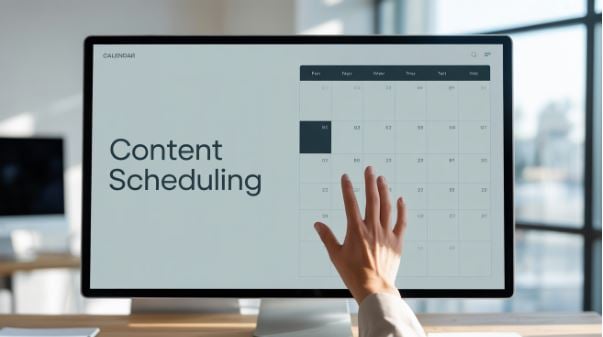
To get the most bang for your buck, consider spreading the videos across your posting calendar. Ideally, your content calendar, which tells you when you need to post, should guide your batching decisions. If the calendar calls for 15 videos per month, your batch sizes should reflect that number. This way, a single, intense batching session can supply enough content to cover weeks or a month of your content calendar. An ideal posting frequency or cadence would give each video enough time to generate engagement and build momentum before you publish the next video.
Leave Room for Timely or Trend-Based Content
Trend-based content is an effective way to boost traffic to your account, so make sure to leave room for it in your content calendar. You can't realistically plan for trends when you plan a month's content, but you can leave yourself enough wiggle room to jump on relevant trends when they come. And the beauty of batching is that it gives you all the time you need to keep an eye on your niche and leverage trends while they are still fresh.
One Session, Weeks of Content
Batching works for short-form video content creators because it allows them to eliminate the daily grind of brainstorming new ideas, writing scripts, filming, and recording. By grouping similar tasks, creators can eliminate setup and reset between videos, save a ton of time and energy, and increase their productivity while maintaining content quality. But remember, batching only works when it's built from a clear content plan and solid preparation.
