One of the mistakes that YouTube makes is creating videos on topics that they are passionate about. While passion is a key consideration when choosing a video topic idea, it presents one problem: There may not be enough people interested in watching a video on that topic.
That is why the best-performing channels are those that spot a content gap on YouTube and utilize it. After that, they focus on creating a video that matches the viewer's intent. In this guide, we provide you with insight into what YouTube viewer intent is, why it matters, and how you can create videos that match the viewer intent.
What is YouTube Viewer Intent?
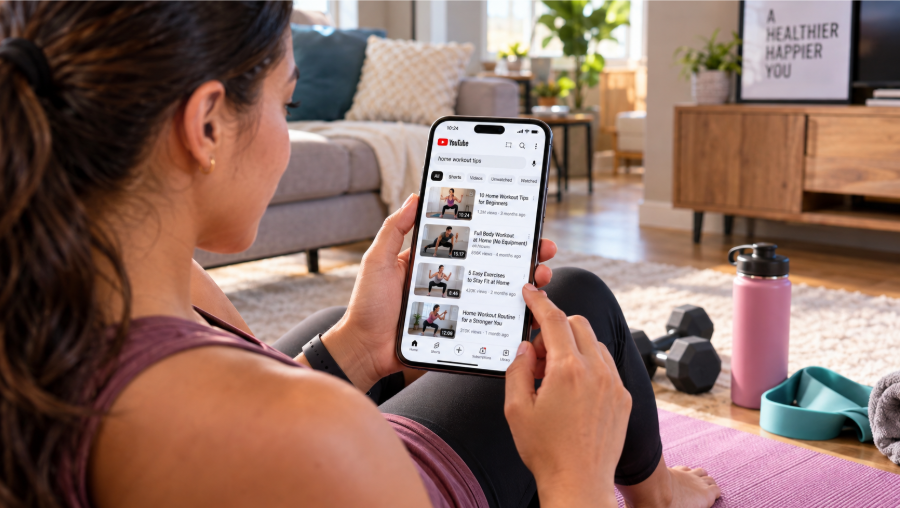
YouTube viewer intent refers to the specific goal that a person has when they click on a video to watch it on YouTube. It can be a good indicator of what the user is interested in getting from the content, whether it's entertainment, a quick solution, or a detailed understanding of the topic.
Understanding the YouTube viewer intent can therefore be a good way of understanding what your target audience needs, and ensuring that you create videos that match the intent. If your video is aimed at everyone, you will struggle to get views no matter how good your idea is. That's why understanding the viewer's intent helps produce clarity. You create a video that targets a particular YouTube viewer in a particular intent state. This makes it easier to understand performance and also improves it.
When you have a good alignment on YouTube, you can ensure more clicks, higher retention, and repeatable growth.
Why Viewer Targeting is Key on YouTube
One of the key factors that the YouTube algorithm considers is viewer behavior. When your video aligns with the expectations of the viewer, it becomes easier for users to click it and watch through the video. Such an alignment can improve the CTR and retention, which are important signals for YouTube performance. It can be one of the best ways of scaling with a YouTube Shorts Growth Strategy.
If your channel attempts to appeal to everyone, you will end up with a diluted message. Your content will feel more general. This is why, on YouTube, clarity can help you perform better than vagueness in the long term. Unlike a broad channel that aims to speak to everyone, a targeted channel or video focuses on speaking to a particular YouTube audience. It also focuses on addressing a particular problem or has a clear intent.
Understanding a YouTube Viewer's Intent
When someone gets to YouTube, they already have a purpose for what they want to do, which is the intent. It could be to get a review of the latest iPhone, compare two power tool brands, learn a skill, be entertained, or validate their beliefs. Therefore, to target the right viewer, you need to understand who your viewer is and at which stage they are.
If your viewer is a beginner, they are searching for foundations and clarity. On the other hand, an advanced viewer is looking for nuance and depth. If there is a misalignment between the viewer's intent and the content delivery, this will result in poor performance of your channel, no matter how strong the topic is.
How to Match YouTube Videos With Viewer Intent
People on YouTube use various methods to discover content. These include:
- YouTube search
- Short
- Suggested videos
- Browse feature
- Channel pages
- Playlist
- End screens
- Direct links
- Notifications
- External websites
Each of these discovery systems means the mindset of the user is different. Here are some of the ideas in the different discovery systems:
- Someone using the search bar already has a question in mind.
- Someone who comes from a suggested video is already looking for related content.
- If a viewer is returning, they already trust your channel.
- A viewer using the browse feature is looking for something interesting.
- A viewer of shorts needs quick answers or solutions
- A new viewer wants to know why they should remain on your channel.
That means when you package your YouTube videos to match these intents, you can, in turn, match the video context that brought the click.
How to Create Different Videos for Different Intents
Let's assume that you want to create different videos for the search intent versus the suggested intent vs the browse intent.
Search Intent
As noted earlier, search intent refers to a situation where the viewer is already searching for something and may therefore use question keywords, such as:
- How to bake a cake.
- Best AI video generator.
- How to gain millions of views.
- How to write a CV.
- Best niche for faceless YouTube videos.
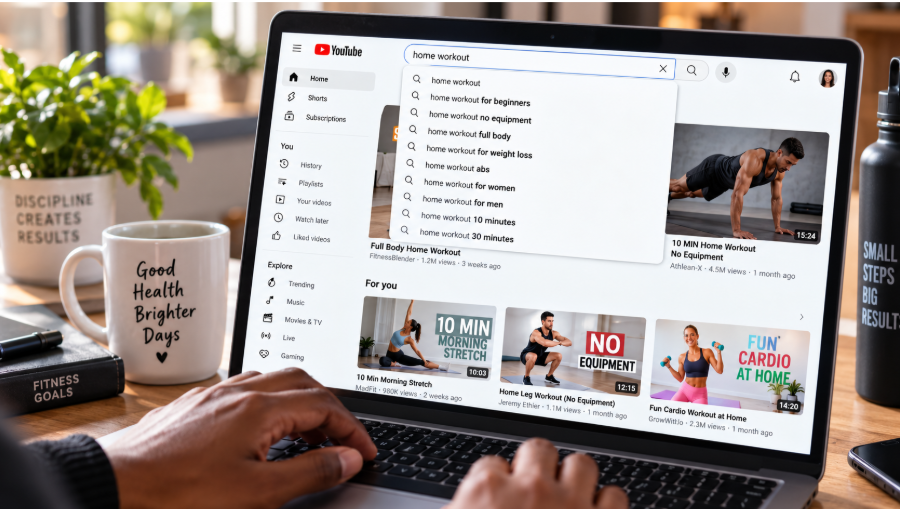
At this discovery stage, the viewer is looking for clarity. They can have an interest, and it isn't necessary to create a lot of mystery. The aim should be to provide an answer to the question better than anyone else.
You also want to ensure that you use search-friendly and captivating titles, such as:
- How to bake a cake at home.
- Best AI video generator.
- How to write a CV.
- Best faceless YouTube video niche.
You also want to ensure that you are creating content in a format that is search-friendly, such as a guide, tutorial, comparison, checklist, template, explainer, beginner guide, and tool walkthrough. You should also create a hook that is search-friendly, such as "Within the next 5 minutes, I will teach you how to bake a cake at home without an oven". Provide them with clarity. Doing that can help you turn Shorts viewers into subscribers.
Browse Intent
The browse intent refers to a situation where the person wasn't searching for your video and instead came across it while browsing on the homepage, explore, subscriptions, and other areas. That means they didn't ask for the video and therefore, it's your role to stop their scroll.
You can do that using titles that make them stop scrolling, such as:
- You won't believe I baked this cake at home without an oven.
- This video generator will make your videos go viral.
- The one CV that will get you hired.
- These unexploited faceless video niches will make you go viral.
When creating videos for the browse intent, you can format them in the form of experiments, mistake audits, case studies, documentaries, contrarian breakdowns, rankings, challenges, and reactions. Make sure you add an outstanding thumbnail, as it impacts the click-through rate. Remember that people discovering your video on the home page need to be nudged more to click. Therefore, use a captivating title and thumbnail.
Suggested Intent
The viewers from suggested intent are usually from other videos probably related to your topic. That means their mindset is already on that topic. For YouTube to suggest your video, it should be a response to the question a viewer is likely to ask. For instance, if they watched a video on why YouTube views decreased, possible follow-up topics you can create content on are:
- These titles and thumbnails are misleading your views.
- This hook format will increase your impressions.
- Why are people not clicking on your videos?
- Conduct this channel audit before you post another video.
As you can see, these topics align with the viewer's journey. Therefore, when creating videos for this intent, you can focus on revisiting a breakdown, deep dive, mistake audit, comparison, part two, similar case study, or teardown. The goal is to offer the viewer continuity. After all, they are thinking of the next video to watch after watching that one. Therefore, your goal should be to make your video the solution.
Main Types of Viewer Intents on YouTube
The YouTube viewer intent can also be categorized into:
Learn Intent
As you would guess, this intent means the goal of the viewer is to learn something. For instance:
- How to write a CV.
- How to cook a pizza at home.
- How to create a thumbnail.
- Tips on improving your YouTube video retention.
This intent is best answered with content formats such as frameworks, tutorials, checklists, templates, and a detailed guide. You can use a title style that tells them how to get a certain result without the pain. For instance, "How to bake a cake without an oven". With this kind of intent, the viewer needs clarity. Therefore, you need to avoid overcomplicating the packaging.
Fix Intent
In this intent, the viewer is searching for a solution or diagnosis for their intent. For instance:
- Why are my YouTube views dropping?
- Why is my thumbnail getting low CTR?
- Why isn't my YouTube channel growing?
- Why do visitors to my channel leave early?
You can answer the questions using content formats like mistake audit, teardown, diagnostic framework, checklist, and before-and-after solutions.
Choose Intent
In this intent, the viewer is trying to compare different solutions. They might use keywords like ChatGPT vs. Claude, long-form or short-form content, best niche for faceless videos, etc. For this kind of intent, you can use formats such as ranking, comparison, tier list, review, test, and decision framework.
Final Thoughts
If you want your YouTube videos to receive many clicks, you need to understand the viewer's intent. This is the reason behind each click. Once you do, you can then focus on creating videos that match the viewer's search intent. By using our guide, you should be able to optimize your videos for the different viewer intents.
