Many a creator has spent hours and days slaving over a video, editing, crafting the perfect thumbnail, and optimizing the title and tags, only for it to fail to attract viewers. A clear mismatch between what viewers want, what creators deliver, and how they deliver it is one of the main reasons why many videos struggle to gain traction on YouTube.
But focusing on search intent can help aspiring and even established YouTubers figure out how to reach and connect with viewers on an increasingly congested platform. It's a key part of mastering YouTube keyword research for beginners in 2026. This piece will cover search intent, its 4 types, the 3Cs of search intent, and how applying them to your YouTube channel can boost your view count.
What is Search Intent?
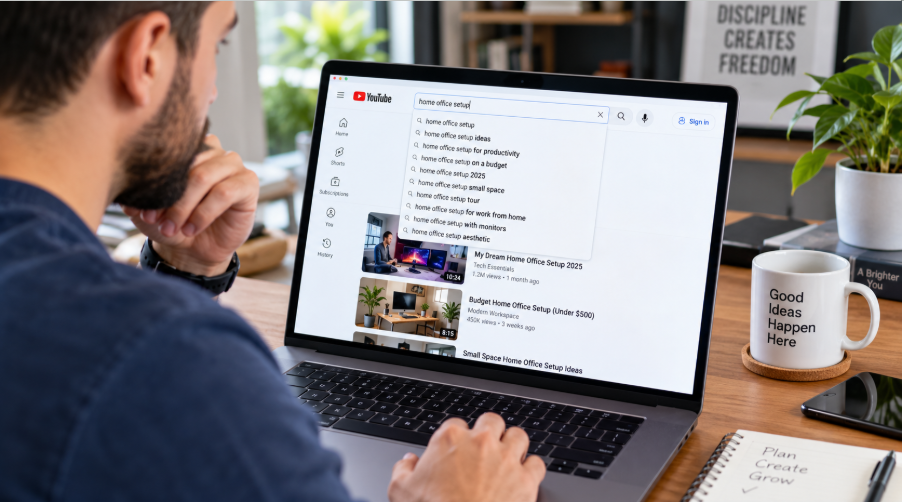
Search intent refers to the underlying reason why an individual has typed a specific query into a search engine. Simply put, search intent is the 'why' behind a search, and answering this question is one of the keys to growing on YouTube with long-form and short-form videos. What does the user hope to gain or learn from their search?
Content creators who use search intent as a guiding principle in their writing, recording, and post-production processes are much more likely to be rewarded by both viewers and the YouTube algorithm. Users are more likely to be satisfied with a video that answers their questions in the most effective way. Furthermore, as the algorithm tends to push and recommend content that satisfies viewers, incorporating search intent into your creation strategy can bring more viewers to your content.
The key is to understand what your target viewers want to see and provide content that they are already looking for. For instance, a viewer who wants to learn how to use a particular tool will be more interested in a short instructional/how-to video than in a video essay discussing the tool's history. In this way, you create content that already has a market and is more likely to attract viewers, instead of creating content that may or may not have a waiting market.
The 4 Types of Search Intent
Search intent can generally be broken down into 4 distinct categories: informational, navigational, commercial investigation, and transactional intent. Each subset of search intent outlines the specific goals an individual is trying to achieve with their search. Figuring out where your target audience lies within the search intent spectrum will help you target your content toward your intended viewers.
Informational Intent
Informational intent refers to searches that are designed to help the viewer gain information. These searches typically involve a desire to accomplish or understand something on the viewer's part. This includes searches like 'How to fix a broken X appliance' or the history of a specific landmark, individual, or event.
Queries in this category typically begin with phrases such as 'best way to', 'what is', 'why', and 'how to'. People searching on YouTube with informational intent are more interested in an answer to a question or a deep dive into a concept than in taking some kind of action.
Navigational Intent
Navigational intent arises when an individual is interested in visiting a specific page or website. In this case, it occurs when a viewer wants to visit your YouTube channel and uses the search function to bring them right to the channel. They could do so by typing your official channel name or even the title of a particularly memorable video and using that to access your channel. Since viewers conducting navigational searches typically know which channel they want to visit, traffic from such searches often has high conversion rates.
Transactional Intent
Unlike the first two types of search intent, transactional intent occurs when a viewer is primed to take some type of action. This could range from signing up or joining a service, downloading a game/piece of software, or purchasing a product. Transactional intent searches also have high conversion rates, as the viewers who make them are usually already primed to take action.
In such cases, the YouTuber doesn't really have to convince the viewer to take action. Users search for the exact product name or search terms like 'download', 'buy', and 'order'. Viewers with transactional intent tend to look for content such as buying or maintenance guides. You can optimize for this search intent type by using intent-focused keywords like 'visit', 'buy', or 'get' as well as detailed product descriptions.
Commercial Investigation Intent
This search intent lies between informational and transactional intent, as viewers figure out whether to take action. At this stage of intent, they are still comparing options and shopping for different services and products, but still haven't made a decision. Viewers with commercial investigation intent are still investigating before they take action and are likely to use search terms like 'alternatives', 'compare', 'best', or 'review'.
Depending on the type of content you make, keeping this type of search intent in mind during the creation process can help drive growth. Viewers searching with commercial investigation intent are usually looking for reviews, product roundups, and comparison guides.
The 3Cs of Search Intent
While the types of search intent act as a guideline for understanding a viewer's needs and delivering the content they seek, the 3Cs will help you create content that really connects with the intended audience.
Content Format
What type of content does your target audience want to watch? Do they prefer vlogs, product videos, how-tos, interviews, or educational videos? Figuring this out will help you create content that is in demand and already has a market among your intended viewers.
Content Type
This refers to the structural approach you use to create your videos. They could be step-by-step explainers, quick tips videos, lengthy deep dives, long-term use tests, unboxing-style videos, single-take demos, or talking-head explainers accompanied by B-roll.
Content Angle
Your content angle is the unique hook, detail, or focus that will separate you from the other YouTubers creating similar content. For instance, while there are lots of creators publishing videos about affordable cameras in any given year, your angle (or hook) could be affordable cameras with 4K shooting capabilities.
How to Research Search Intent for YouTube
Understanding search intent on YouTube will be key to growing a following on the platform. Take some time to study the most common keywords in your intended niche and the videos that rank highly for these terms. Which keywords and phrases attract the highest number of views? What type of search intent do these keywords imply, especially when the phrasing is altered? For instance, for the main keyword 'telephoto lens', 'budget telephoto lens in 2024' has an entirely different meaning from 'how to clean your telephoto lens'.
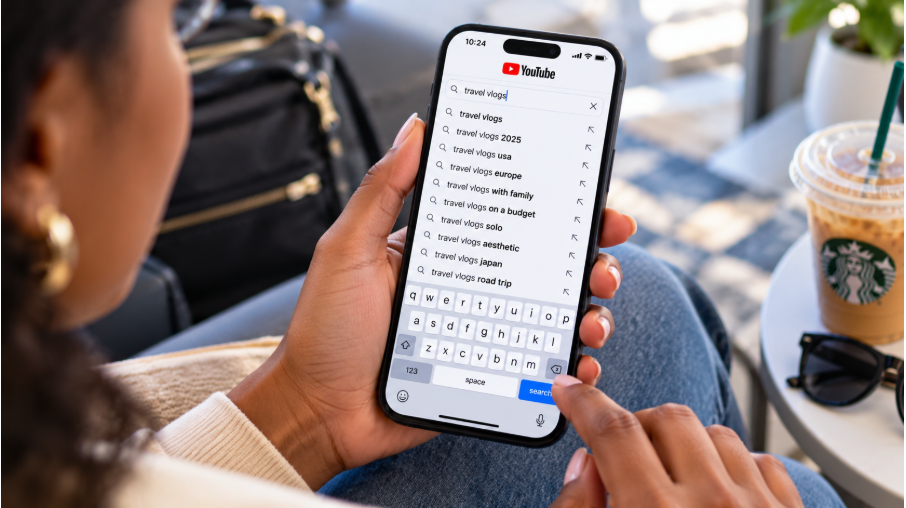
The first leans toward commercial investigation intent, while the second shows informational intent. Tools like Google Keyword Planner, Ahrefs, and Keywords Explorer can help you find keywords that line up with various search intents. YouTube Studio Analytics will allow you to see what your target audience is interested in watching, while Google Trends and the YouTube autocomplete function can help you figure out queries with high search rates.
Matching Your Content to Search Intent
Once you have figured out popular keywords and keyphrases in your target audience, as well as the search intent they imply, it is only a matter of applying the 3Cs to your content creation process. Queries with informational intent call for videos that provide useful information to the viewer, while navigational queries will depend on proper branding and keyword optimization to bring viewers straight to your channel.
For searches that connote commercial investigational intent, consider videos that compare different alternatives, product reviews, roundups, and guides. Finally, transactional queries that imply viewers are ready to take a step may call for buying guides and similar content. Keep an eye on your competition and see what they are doing right, and read their comment sections to identify potential market gaps from the comments. This will ensure you don't create content that's too similar to already existing videos and help you create more unique angles and hooks.
Common Mistakes Creators Make With Search Intent
One of the main mistakes many creators make is not analyzing search intent within their niche and how it affects view counts. This ignorance of the intent behind queries makes it impossible for such creators to satisfy their viewers' needs and is more likely to alienate them due to the mismatch between what the viewer wants and what the creator has provided.
Another major mistake is trying to use keyword stuffing, which exacerbates the mismatch between viewer expectations and creator results. For instance, you might see that 'telephoto lens' is trending as a keyword and stuff it into a video that's only tangentially related to the keyword or in an entirely different format from the ranking videos.
Not adhering to format expectations in your target niche can also make it difficult to retain viewers. Referring to a previous example, a viewer looking for quick tips won't appreciate a 30-minute video, just as a viewer looking for a deep dive may be turned off by a short video.
Finally, a critical mistake many creators make with search intent is not keeping up with search engine result pages (SERPs). Search intent is an ever-moving and evolving thing, and assuming it is static will hobble your channel's growth. Keywords gain and lose popularity just as the intent behind them evolves over time. If you want your channel to rank consistently, keep up with SERPs in your niche and make sure your keyword and search intent strategy evolves accordingly.
Use Search Intent to Help Your Channel Grow
Search intent is the difference between a video that helps your YouTube channel grow and one that fails to gain any traction whatsoever. Keywords may cause viewers to click on your videos, but their intent is what keeps them watching and, hopefully, subscribing. So before you publish your next video, run a quick review.
Does your video match the content format, type, and angle of the ranking videos for your target keyword? Is there a mismatch between what a viewer in your target keyword wants and what you have provided? Answering these questions will help you stay aligned with the search intent of potential viewers and help your channel grow over the long term.
In Conclusion
When you create YouTube videos that align with the search intent, you can answer the question of why the user is typing in the YouTube search bar. Therefore, use our detailed guide to align your YouTube videos with the user search intent and see your channel grow.
