The coming of TikTok, Reels, and YouTube Shorts has made social media users focus on fast-moving video formats with content that hooks fast and delivers value faster. However, in recent years, there has been a resurgence of long-form content in the short-form era.
Social media users are spending more time on long content formats. This often causes brands to select between short-form and in-depth content, wondering which is preferable for building long-term loyalty. In this article, we look at this question comprehensively and provide you with an answer.
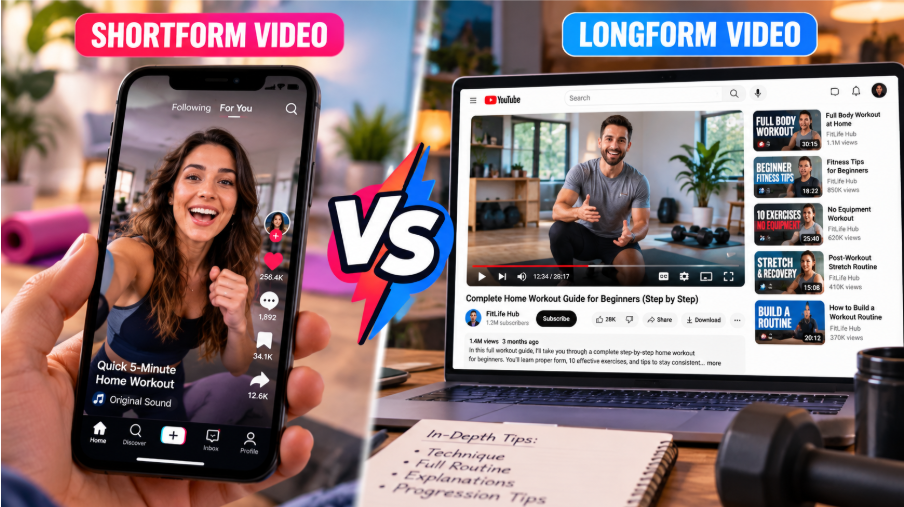
Benefits of In-depth Content over Short Content
The in-depth content format offers various benefits, such as:
Higher Audience Engagement
The aim of the longer content format isn't only to inform but also to ensure a better relationship with your target audience. By positioning yourself as an expert, you can easily build credibility, loyalty, and trust so your reader can keep coming back for more of such content. Additionally, detailed content is a good choice for sparking your audience's curiosity and providing quick answers to some pressing questions, resulting in higher audience engagement.
The more people engage with your content, the more their chances of sharing your content, thereby expanding its reach. When people invest their time to watch your in-depth content, it shows the content resonates with them, resulting in a higher engagement level.
Higher Level of Lead Nurturing and Generation
On top of being a good choice for attracting audiences, in-depth content is a great choice for capturing leads. When you provide your audience with important resources such as a detailed guide, white paper, and ebooks, it becomes easier to create a qualified email list. These show upfront value, making them perfect for lead generation.
Long-form content format is also a good choice for tackling the customer's pain point, providing them with a detailed guide, and guiding audiences through the different stages of the sales journey. By using the content format to provide your audience with actionable solutions and insights, it's possible to bring your lead closer to the conversion stage while building your audience's trust.
Higher SERP Ranking
The search engine result pages (SERPs) are constantly dominated by in-depth content. According to a Wix report, the average article ranking on the first page of Google is 2450 words. This can be attributed to the fact that in-depth content is able to provide readers with detailed information, providing both the search engine and the reader with benefits.
Some of the reasons why longer content formats often outrank short content include:
- Generate more backlinks. A study by Backlinko reports that other sites can reference in-depth content.
- Enable search engines to understand better. Search engines can easily understand topics that consist of semantic phrases, keywords, and relevant subtopics.
- Bring repeated traffic. Users are more likely to visit content they found to be thorough compared to shallow ones.
When you offer detailed and rich content, you can easily get a top spot in the search engine and be able to constantly drive organic traffic.
Thought Leadership & Brand Authority
In-depth content can be a good choice for positioning yourself as the go-to resource that people visit when they need information on a topic. When you create well-researched and detailed content, it will position your business as reliable, knowledgeable, and ready to solve the challenges your audience is facing. This level of authority can attract more readers, resulting in your audience turning into loyal customers.
When you consistently create long-form articles, you can set yourself apart and be considered a thought leader who is worth trusting and following. This can also offer various benefits such as a higher level of credibility, stronger relationships with customers, and gaining a competitive edge.
Benefits of Short Content Format
With the many benefits of in-depth content, you might be wondering if the short content format has any benefits. Here are some of its top benefits:
- Easy to create. Creating short content requires fewer resources than in-depth content. Most users create the short content format directly on their phones without the need for specialized equipment. This means it's a great format for testing new content ideas, reacting to trends, or sharing news updates.
- Higher engagement and reach. Short-form content is usually favored by social media algorithms over in-depth content. It also has a 2.5 times higher engagement rate than in-depth content. This is because it's easy to consume, resulting in more views, likes, comments, and shares. It is therefore a good content format for grabbing your audience's attention and driving engagement.
- Perfect for reaching a new target audience. To put your brand in front of new audiences, a short format is a good option. You can use a detailed content format to hook viewers and guide them.
Differences Between Short and Long Content Formats
To enable you to select between short and long content formats for driving customer loyalty, let's compare the two content formats:
Performance
According to a Semrush study, a 3,000-word blog post can have double the page views of a short-form content piece. This was attributed to the fact that long-form articles tend to rank higher on search engines because they provide their audiences with relevance and depth.
That means when driving traffic and engagement, the in-depth content format usually performs better and earns more backlinks and social shares. The content format is not only good at attracting viewers but also at keeping them on the search engines longer. Short content format can be great for quickly generating interest, sparking your audience's conversations, and driving value.
Structure
A key element of in-depth content is its structure. This content format usually consists of numbered lists, bullet points, and subheadings that help enable readers to go through the content. This also makes it easier for readers to better understand the complex ideas.
The content also features visual aids such as images, charts, and infographics for added clarity. On the contrary, short content format is usually simple and can be easily skimmed, providing users with bite-sized details that can be easily consumed by a busy audience on platforms like Twitter and TikTok. You can read our guide on where Reels, Shorts and TikTok stand now.
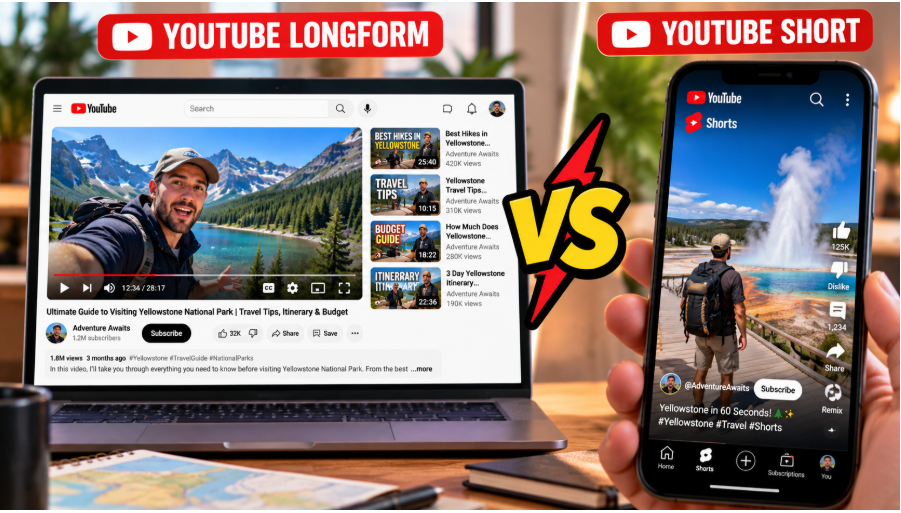
Content vs. Benefits
If you are trying to create high-quality in-depth content, you will need to invest a considerable amount of time, resources, and effort in drafting, research, and editing, as compared to the creation of short articles and captions.
Despite the fact that in-depth content can be more costly to produce, it also has more benefits. The content format often results in higher SERP ranking, a deeper level of audience engagement, and better quality leads. The content format can be a good choice for positioning your business as an authority and ensuring that readers are getting real value.
While the short content format is usually faster and quicker to produce, its results may not be long-lasting. However, each format has its role depending on your audience's needs.
Content Length and Depth
The short content format is usually short and precise. This makes it a good choice for providing quick updates, short blog entries, and posts to provide a snapshot of the details. On the contrary, in-depth content focuses on providing deeper and more thorough explanations, making it suitable for informing, educating, and solving the audience's problems in a more meaningful manner. While in-depth content provides deep value, a short content format is a good choice for giving users a fast, digestible format.
Short Vs. Long Content Format: Which is the Better Option?
So, which content format should you use for building customer loyalty? Here are several factors to consider when choosing the right format:
Audience
Understanding your audience's behaviors and preferences can help you make a better choice between long and short content formats. When you realize that your bigger audience is on TikTok, you might want to consider using short video formats. But if your audience is on YouTube or Spotify, or reads blog posts, consider using in-depth content.
Remember that platforms such as X have a strict limit of 280 characters, making it perfect for short content formats such as infographics, quick insights, and briefs.
Your Goals
The content type you create will depend on your individual goal, as different content lengths will work for different purposes. You can use the long-form content format for:
- Driving brand awareness and authority building.
- Lead nurturing, particularly for B2B sales and expensive offerings.
- Positioning your business as an industry thought leader.
On the contrary, you can use short content formats to:
- Drive social media engagement.
- Increase brand awareness.
- Generate instant conversion.
Final Thoughts
When choosing between short and long-form content formats to drive greater loyalty, there is no obvious choice. The right format will depend on your audience, goal, and the platform's voice. Therefore, read our guide to understand which content format to use, or even to combine long-form and short-form content for YouTube growth.
