Shopping used to mean opening a browser, typing a product name, and comparing tabs. Now? You scroll, tap, and buy. Sometimes, without even realizing how fast it happened.
I think that shift still surprises a lot of creators. Honestly, it surprised me the first time I bought something straight from a Reel while half-asleep.
Instagram and TikTok are no longer just content platforms. They are malls. Busy ones. Loud ones. Personal ones. The kind where creators act as shop windows, salespeople, and storytellers all at once.
Social commerce is not coming. It is already here. And the next wave is bigger, smoother, and more creator-focused than ever.
What is changing now is not just the tools. It is the behavior. People trust creators more than ads. They buy based on vibes, not banners. They want discovery to feel natural, not pushy. So platforms are building features that blend shopping into content without breaking the scroll.
If you are a creator, brand, or small business, this matters a lot. These new features shape how money moves on social media. They affect reach, income, and how you show up online. So let us walk through what is coming next, one piece at a time, without the hype!
In-Feed Shopping That Feels Invisible
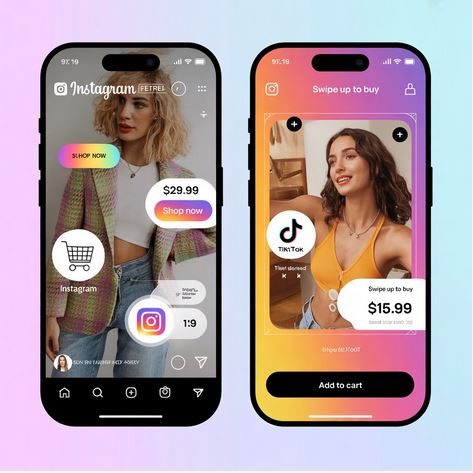
Shopping posts used to scream "buy now." Bright tags. Hard calls. Obvious sales energy. That approach is fading. The next wave of in-feed shopping is quieter, softer, and most invisible.
Instagram and TikTok now lean toward embedded product tags that blend into content. A creator wears a jacket. Someone taps. The product appears. No interruption. No pressure. Just curiosity doing its thing.
I think this works because it mirrors real life. You see a friend wearing something cool. You ask where it is from. That is it. No sales pitch needed. Social commerce is copying that moment.
Creators benefit here, too. You can sell without selling. Show how you use something. Style it. Live in it. The product becomes part of the story, not the point of the story. That feels better for everyone involved.
Expect more tools that let you tag products naturally inside Reels and TikToks. Fewer pop-ups. More context. More discovery. Shopping that sneaks in quietly while the content stays front and center.
Creator Shops That Feel Personal, Not Corporate
Creator shops are evolving fast. Early versions felt stiff like mini websites pasted onto profiles. Now they feel more like curated shelves, personal collections, and taste-driven spaces.
Instagram and TikTok are pushing creator-led storefronts that reflect personality. Favorite items. Weekly picks. "Things I actually use" vibes. Honestly, that trust factor is huge. People buy when they feel like you picked something for them, not sold something to them.
Think of it like a friend sending you a list—"These are my go-to things lately." That energy converts better than any discount banner. I once bought a skincare product just because a creator added a short note saying, "This saved my skin during winter." That was enough.
The next wave focuses on customization. Rearranging shops easily. Highlighting seasonal picks. Tying products to specific content. It becomes less about inventory and more about taste.
If you are a creator, your shop is no longer a side feature. It becomes an extension of your voice—quiet, curated, and human.
Live Shopping That Feels Less Like Television
Live shopping had a rough start. It felt forced, loud, and awkward. Like late-night TV squeezed into a phone screen. That is changing.
Platforms learned something important. People do not want performances. They want conversations. The next wave of live shopping is calmer, slower, and more interactive.
Think the creator is hanging out on live. Answering questions. Trying products casually. Talking about real experiences. Viewers tap to buy if they want. No countdown timers. No shouting.
TikTok especially leans into this style. Lives feel like group chats now. People ask questions and creators respond in real-time. Trust builds quickly in that setting.
I think live shopping works best when it feels optional. Join if you want. Leave if you want. Buy if it fits. That relaxed energy keeps people longer, which helps reach and sales at the same time.
Expect more tools that support casual live shopping. Better chat features. Easier product pinning. Smoother checkout flows. Less friction. Less pressure.
Smarter Product Discovery Through Recommendations
Product discovery is getting smarter. Not louder. Algorithms already know what people like. Now they use that knowledge to surface products that feel oddly well-timed.
You watch a few fitness videos, and suddenly, you see workout gear. You save home décor posts, and lighting shows up. It can feel eerie, but when done well, it feels helpful.
The next wave focuses on context, not just behavior. What you watch. How long do you watch? What you save. What you rewatch. All of that shapes what products appear.
For creators, this means niche content matters more than ever. Clear themes help platforms match your audience with the right products. Random content confuses the system. Focused content feeds it.
Honestly, this makes social commerce more sustainable. People discover things they actually want. Creators recommend things that fit their audience. Platforms earn without annoying everyone. A rare win-win.
One-Tap Checkout That Removes Second Thoughts
Buying online used to feel like a process. A long one. Add to cart. Create an account. Confirm email. Enter card details. By the time you finished, the excitement was gone. That pause mattered more than platforms expected.
Now the goal is speed. One tap. Sometimes two. Payment saved. Address remembered. No extra thinking. No mental backtracking.
Instagram and TikTok are pushing this hard. They want "buying" to feel almost invisible, like liking a post or saving a video. You barely notice the step. This works because people buy on emotion first. Logic comes later. If later even arrives.
Creators feel the difference immediately. Fewer people drop off. Fewer messages asking, "Is the link broken?" Fewer abandoned carts.
I think of it like this. The moment someone wants something is fragile. It fades fast. One-tap checkout keeps that moment alive just long enough.
It also shifts how creators sell. You do not need aggressive calls to action, and you do not need countdowns. The system does the heavy lifting. You show, they tap, and that is it.
Affiliate Tools That Feel Built for Creators
Affiliate marketing used to feel like homework. Tracking links. Remembering codes. Checking dashboards that made no sense. It pulled you out of the creative flow. Platforms are finally noticed.
Now, affiliate tools are baked into the apps themselves. You tag products the same way you tag a friend. Earnings show up clearly. No guessing.
This matters because creators already juggle a lot. Filming. Editing. Posting. Engaging. Monetization should not add stress.
TikTok, especially, is leaning into creator-first affiliate systems. You can browse products directly in the app, pick what fits your content, and share naturally.
Instagram is catching up fast, as product tagging is smoother, affiliate insights are clearer, and there is less friction overall.
I think this encourages better recommendations. When tools are easy, creators choose products they actually like. Not just what pays the most. It starts to feel less like selling and more like sharing something useful. That trust compounds over time.
And for newer creators, this is huge. You do not need brand deals to earn. You just need consistency and honesty.
Shoppable Comments and Pinned Product Moments
Comments used to be an afterthought; now they are part of the sales funnel. Quietly. Subtly. People ask questions there. Real ones. "Where did you get this?" "Does it actually work?" "Is it worth it?"
Platforms realized something simple. Those questions signal intent, so now creators can pin products directly inside comment threads. No redirect. No awkward reply with a link buried somewhere. The conversation stays intact, and the vibe stays relaxed.
TikTok shines here. Comments already drive discovery. Adding shopping feels like a natural extension, not an interruption.
Instagram is experimenting more, but the direction is clear. Comments are no longer passive. They are actionable.
Honestly, this mirrors real life. Someone asks, and someone answers. No sales pitch needed. I think this format will outperform traditional product links long-term. It respects the viewer and feels human. And it rewards creators who engage. Those who reply. Those who listen.
AI-Powered Product Matching That Feels Thoughtful
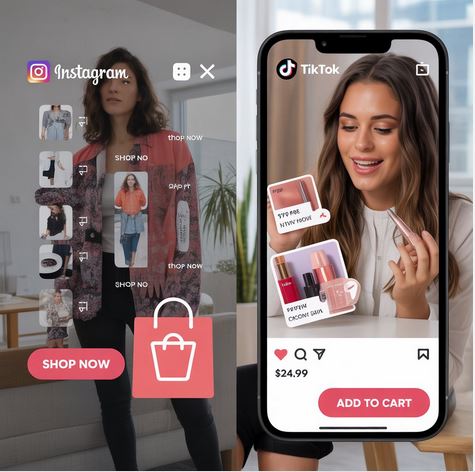
Artificial Intelligence, spelled out once, is no longer loud. It works quietly in the background now. Instead of flooding content with random products, platforms are focusing on relevance, context, and fit.
The system watches what your video is about, who watches it, and what they interact with. Then, it suggests products that make sense. Creators benefit without extra effort. You post your content, and the platform matches products automatically. Less tagging. Less manual work.
This also protects the experience. Viewers see fewer irrelevant offers. Less noise. More alignment. I think this is important for trust. When product suggestions feel random, people scroll past. When they feel thoughtful, people pause.
It is like a helpful shop assistant who listens before recommending anything. Creators still control what appears, but they get smarter and quieter support. The best kind.
Deeper Analytics That Show What Converts
Views feel good, likes feel better, and sales feel real. Platforms are finally giving creators clearer data around what converts. Not vanity metrics. Actual buying behavior. You can now see which videos drive purchases, which formats work, and where people drop off.
This changes everything. Instead of guessing, you learn. Maybe casual clips outperform polished ones, or tutorials sell more than reviews. I once noticed a shaky, unscripted video drove more sales than a planned shoot. That lesson stuck.
Instagram and TikTok are leaning into this transparency with more charts, clearer paths, and fewer mysteries. Creators can refine their approach without burning out. You double down on what works and let go of what does not. It feels like having a map instead of wandering in the dark.
Live Shopping That Feels More Like Hanging Out
Live shopping is no longer stiff. No scripts. No forced smiles. It feels closer to a casual hangout now. Creators go live. They chat and answer random questions. Someone asks about a product, so they show it. That casual energy matters. People trust relaxed conversations more than polished pitches.
Instagram Live and TikTok Live are leaning into this hard. Better product pinning, cleaner layouts, and fewer distractions. You can talk through a product while reacting to comments in real-time. That back-and-forth builds confidence.
It feels like shopping with a friend and not a brand. I think this format works because it slows people down. They stay longer, listen, and buy when it feels right. And creators benefit too. You get instant feedback. You see what lands and adjust on the fly.
Creator Shops That Feel Personal, Not Corporate
Creator shops are becoming a thing. A real thing. Instead of linking out everywhere, you now get a mini storefront inside your profile. Curated. Intentional. Yours. This changes how people browse. They do not just see one product; they see your taste.
Instagram Shops and TikTok Shop profiles are evolving fast with better layouts, easier edits, and clearer product groupings. You can organize items by theme, daily essentials, favorites, and things you actually use.
I think this works because people follow creators for perspective, not inventory. A good creator shop feels like walking into someone's room. You get a sense of them instantly. No pressure. Just exploration.
Messaging-Based Shopping That Feels Private
Not everyone wants to shop publicly, as some people prefer quiet conversations. Platforms noticed, and direct messages are becoming part of the buying flow. You ask a question. You get a product link. You decide privately.
Instagram Direct Messages and TikTok inbox tools are leaning into this experience with faster replies, better automation, and clear product cards. This feels more personal and controlled. This will matter a lot for higher-priced items or sensitive purchases.
Creators can keep the tone gentle, helpful, and human. It feels less like selling. More like helping someone figure something out.
Social Proof That Happens Naturally
People still look for reassurance. They just do it faster now. Likes. Comments. Saves. Purchases by others. All of it matters.
Platforms are surfacing this subtly. You see how many people bought something, and you notice repeated mentions.
It is quiet social proof. Not loud. Not pushy. TikTok does this especially well. You scroll, you see patterns. The same product pops up. Different creators. Different angles.
I think that repetition builds comfort. Like seeing the same café every morning on your walk. You do not question it anymore. You just trust it. Creators who stay consistent benefit the most here, and over time, familiarity turns into confidence.
Conclusion – Social Commerce is Becoming Invisible
This next wave of social commerce is not about louder selling; it is about smoother moments. Buying fades into the background. Content stays front and center.
That is the shift. Instagram and TikTok are building systems that respect attention. They remove friction and support creators without hijacking creativity. This is healthier for viewers, creators, and platforms. You do not need to push harder. You just need to show up clearly. Share what fits and stay human.
If you are a creator, start experimenting. Gently. One feature at a time. If you are a brand, pay attention to tone. The future belongs to conversations, not campaigns.
So explore. Test. Adjust. And keep it real!
