Unless you understand your target audience, it can be hard to reach them with the right message and convert them into customers. On the other hand, understanding your target audience through social media audience analysis will provide insights into how they spend time online. This will enable you to offer better customer service, speak to them at their sales funnel stages, and understand the right target groups.
Another great way to understand your target audience is to segment followers into personas. In this article, we will guide you through the process of doing that.
What is Social Media Audience Segmentation?
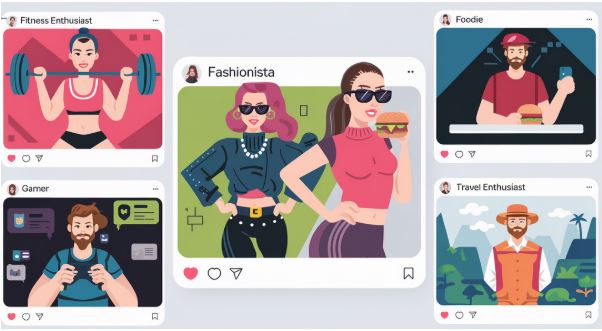
Social media audience segmentation involves grouping broader groups of followers into smaller groups based on their shared characteristics, behaviors, or needs. Audience segments help you create more targeted campaigns and ensure your content resonates with your target audience.
Rather than taking a one-size-fits-all approach, you can use audience segmentation to understand certain groups and create products, services, or messages tailored to their needs. This strategy can improve your marketing, engagement, or conversion rate. When you segment your social media followers, you stop treating your social media guests similarly and instead aim to group them in different categories.
Benefits of Social Media Audience Segmentation
In an era when people's attention span is reducing, providing your followers with the type of content they need is now more critical. That said, here are the benefits of social media audience segmentations:
- Better focus. Using one approach for your different audiences will rarely work. With audience segmentations, you can zero in on your target audience, understand what they care about, and understand everything they need from you.
- A customer-first strategy. If you want your content to resonate with your target audience, avoid guesswork on the content you think will work for them. Instead, you can use the segmented data of your audience to get insights into your audience's unique needs.
- Discover new opportunities. Audience segmentations can help you understand the nuances between different segments and gain interesting insights to drive your content creation or authentic influencer partnership opportunities.
- Stay ahead of the competition. The more information you get, the more you can achieve. When you understand your audience better and what is happening in their world, you can easily discover trends and act on them before your competitors spot them.
- Attract and retain customers. By understanding your audience's likes and how they spend online, you can easily create products and content they love.
Types of Social Media Audience Segmentations
You can segment your social media audiences through the following methods:
Demographic Segmentation
This segmental method aims to understand your audience by looking at their age, gender, education, income level, marital status, location, and job titles. Remember that these are still basic, and you need to consider the interests and passions of your target audience. This segmentation method will provide basic insights into your audience's location and structure.
Behavioral Segmentation
This segmentation layer aims to help you understand what your target audience cares about. It provides insights into their values, beliefs, motivations, pain points, personality traits, and more.
For instance, you can group users according to those who are wellness-driven, value-driven, or focused on sustainability. This segmental method can be useful for influencer alignment, choosing a storytelling tone, and messaging. It can enable you to understand the basic structure of your audience, or for campaigns targeting a particular region.
Behavior segmentations can also be based on your audience's actions, such as likes, comments, shares, clicks, saves, purchasing behaviors, and choice of content. The goal of this kind of segmentation can be funnel optimizations, conversion campaigns, and retargeting. For instance, you can segment those who watched an Instagram reel without following you.
Interest Segmentation
Also referred to as affinity segmentation, it considers the audience's passions, hobbies, media consumption, pages liked, and hashtags followed. This type of segmentation is suitable for social media market research on areas such as content creation, influencer selection, brand positioning, and partnerships.
Platform Segmentation
Since your social media followers are on different channels, you can segment them according to their behaviors and personality traits. For instance, you can have a fun and super casual TikTok audience, while the LinkedIn followers may be looking for career advice and case studies. This segmentation method is suitable for developing a cross-channel strategy and selecting a channel to invest in.
How to Segment Your Audience
After getting your data using the methods outlined above, you can segment your audience using the following steps:
Define a Segmentation Method
You should consider which segmentation method from the ones outlined above you will use. Here are a few examples of how you can segment according to different methods:
- Psychographics: Target workout enthusiasts.
- Behavioral: Target the people who clicked without converting.
- Demographics. Target the Gen Z females based in Utah.
- Interest. Target fashion loves.
- Platform. Creating content for Instagram or X.
Automate the Audience Segmentation
Third-party tools can automate the workflows and help collect reports on audience segments. These include the marketing automation software that has features such as predictive analysis.
Build Audience Personas
It is now time to build an audience persona, a fictional representation of the segment chosen using segmentation data. When you get the relevant persona, you can understand your target customers and their motivations. This will enable you to tailor your content, customer experiences, and messaging. Personas can help you change your audience's perception and understand groups you didn't know existed.
Create Content Tailored for Each Group
After getting segments, you need to ensure that you are building content around these segments. Consider the different kinds of content you want to segment based on various insights, such as:
- Visuals. Ensure that different segments get different vibes.
- Tone. Use a casual tone on TikTok and a polished tone for professionals.
- Topics. Ensure each segment gets the kind of content they want.
Keep Testing and Tweaking
Remember that after setting it up, it doesn't mean you can forget the whole segment. Keep monitoring:
- The kind of content that performs best for each group.
- If there is an audience that is no longer emerging.
- Micro-trends or behavioral shifts.
Final Thoughts
Audience segmentation has many benefits, from increasing engagement to more effective ads. It will also help you create content that resonates with the target audience, making your audience start caring more about your posts. Therefore, use the tips above for your audience segmentation strategies.
