Researching the niche and topics for a YouTube channel is an important factor that can impact its success. If you create videos that everyone else is creating, you will struggle to gain views and grow your channel. This is why you should start by finding content gaps on YouTube from your competitors' channels.
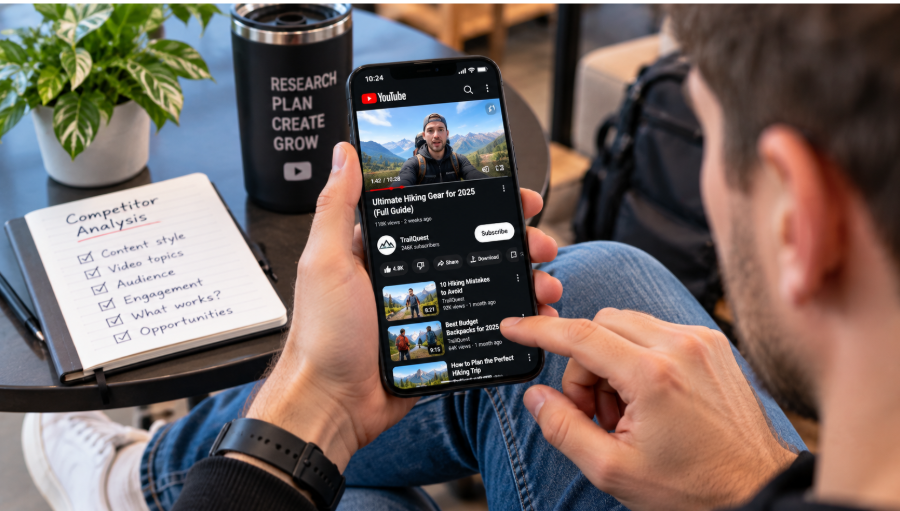
When you study what other YouTubers are creating, how often they are growing, and which are their best-performing videos, you can get insights into what topics, formats, and angles are likely to work for a YouTube channel. That's why, in this guide, we examine how to get video ideas from your competitors' YouTube channels.

How Competitor Analysis on YouTube Is Important
If you are wondering whether competitor analysis on YouTube is important, here are some reasons to consider it:
Check Content Gaps
Whether you are a beginner or an experienced YouTuber, you may miss opportunities. The good news is that with competitor analysis on YouTube, you can find the topics not covered by your competitors, questions they haven't answered, or a content format they seem not to be using.
Understand What Works
When you see the video format that YouTube competitors are creating, from which angle and at what pace, and the engagement the videos are getting, you can gain insight into the content format that works for your videos. Studying your competitors' YouTube videos will also provide insights into good-performing content hooks and can therefore help you build a loyal fanbase on YouTube.
Check Your Channel Performance
Studying your competitors' videos can be an important part of determining if your video is meeting expectations. For instance, when you find that a video from a similar YouTuber in your category got 5K views, you can see a rough estimate of the industry benchmarks. With clear comparisons, you can easily track your progress and keep adjusting the strategy.
Ensure an Informed Content Strategy
When you have your competitors' performance data, you can eliminate the guesswork of trying to figure out if the topic is working. Instead, you have real proof that there is an audience that is interested in the topic.
Remain Abreast of Trends
When you track your competitors, it is possible to identify new video trends, video formats, and viewer behavior before they reach their peak. It can help you to grow your social media following from zero.
Steps in Using Competitor Channels for Video Ideas
To get video ideas from your competitor data, you can follow these steps:
Research Your Competitor Channels
Unless you know who your YouTube competitors are, you cannot have any data to leverage. Therefore, find channels of similar size to yours that are performing better than you. You might focus a lot on those large channels, but the clearest picture is from YouTubers searching for the same intent or audience size.
Here are some free steps to help identify your competitors:
- Visit YouTube and check for your main keyword.
- Check the video topics that your competitors appear in the most.
- Check the overlapping channels by clicking on the Related Channels part of YouTube.
- Check the creators appearing in suggested videos.
Take note of the competitor keyword cluster and their audience preferences. Use tools like Google Trends, the YouTube search bar, and the community tab to find creators and brands with overlapping viewers. For even better insight, you can leverage paid third-party tools such as VideoIQ.
Find a Channel Popular with Your Audience
If you pick a channel with a very small audience, the result may be minimal. To succeed with competitor audience targeting, you can have more channels in the competitor list. Choose YouTube channels with over 1000 subscribers and publish weekly. Simply visit the Home tab of the channel to see their subscribers and tap on the Video tab. You will be able to see the last time they published their videos.
Your YouTube analytics metrics can provide some more insights. Simply open Analytics on YouTube Studio, followed by the Audience tab. Check the channels your followers are already watching to get competitors' ideas. However, if your channel is tiny, the data may not appear in YouTube Studio.
Analyze Suggested Videos
You can also expand your YouTube video targeting by identifying those videos that bring website traffic. To see these videos, you can visit Analytics in YouTube Studio> Content tab, followed by How Users Find Videos. This will show you what content is bringing traffic to the channel by clicking on Suggested Videos. If you see so many different suggestions for your video, you can tap on See More. You can then tap on the individual video or even analyze the YouTube channel.
Analyze Keywords Used in Video
By now, you may have some potential videos and channels to target. To enhance the idea, check for the keyword being targeted by the competitor. It's possible to determine the target keywords of the competitor's video by looking at the title and description of the video.
To get your rivals' target keywords, click the video, then right-click the page. You can then choose "View Page Source" and look for keyword source code. This will provide all the keywords used in the competitor's video.
Audience Searches on YouTube
You can use your Channel data on YouTube to get these keywords. After all, the keywords driving video traffic may match those of the competitor. You can open Analytics on YouTube Studio to see the data, followed by the Content tab. You can then go to How Users Find Videos and click on YouTube Search.
Third-Party Keywords
There are third-party tools that will provide insights into the target keywords driving traffic to a target keyword and can, therefore, become seed keywords or keyword targeting options to make your research more competitive. You can tap on Analytics in YouTube Studio >Research tab, followed by the keyword search on the list.
Make sure you check the keyword search volumes. Naturally, if a keyword has a medium or high search volume, it can attract more viewers compared to another with a low volume of search. Consider the related keywords in YouTube Studio. The recommendations can help you expand your keywords to target your competitors' audience more effectively.
Organically Target Your Competitor's Audience
After getting insight into the competitor content, channels, and similar keywords, you will have enough materials to target their organic audiences.
Here are some ideas on doing that:
Existing Videos Optimization
It could be that your channel has so many outstanding shorts and videos. If there is a video, you are expected to optimize it with the relevant keywords. Use YouTube SEO guidelines to ensure that your content gets seen by your competitors' subscribers when they enter the search term.
From the keywords you identified earlier, you can now find the right keyword for every video. Add the keyword in the title and description, and ensure that the title uses principles similar to those of blog posts to show a benefit or ask a question to encourage users to click.
Ensure that the keyword also appears in your video description 1 or 2 times. Remember to add a hashtag in the description box to provide YouTube with extra context and enhance SEO. If you are creating a long-form video, you can add chapters with keywords.
Create Content with Target Keywords
After optimizing your current videos, create content with the relevant keyword. Make sure you prioritize your headline based on factors such as search volume and rankings. For instance, if there is a keyword with many searches that you feel isn't exhaustively covered, you can prioritize it.
Again, make sure that all the videos you are creating are optimized using the best practices of YouTube SEO. Part of that is to ensure that your videos are organized into playlists, providing your channel with additional ranking opportunities and ensuring that your audiences find your content. This is because when your followers engage with your videos, YouTube is likely to recommend your videos to them regularly on their homepage.
Use YouTube Ad
It will still be hard to reach some of the competitors' YouTube audience with organic content, as this will depend more on YouTube recommendations and your ranking in YouTube search. Fortunately, you can reach your competitor's audience through ads. The best way of doing that is by placing your ad on your rival's channel.
In Conclusion
To save the time that you would otherwise spend researching the right content and brainstorming whether your ideas will work, the best approach is to research your competitor's channel. This will show you the keywords that are easy to rank for and the content gap you can leverage.
