Studies indicate that 88% of consumers trust the recommendations of other customers as much as they trust those of their families and friends. Another study found that adding genuine reviews, ratings, and testimonials can increase purchasing confidence and boost conversions by 200%. This means that one of the best ways of increasing conversion is by using social proof. In this article, we guide you on how to do that as a way of turning views into sales in a social media funnel.
What is Social Proof?
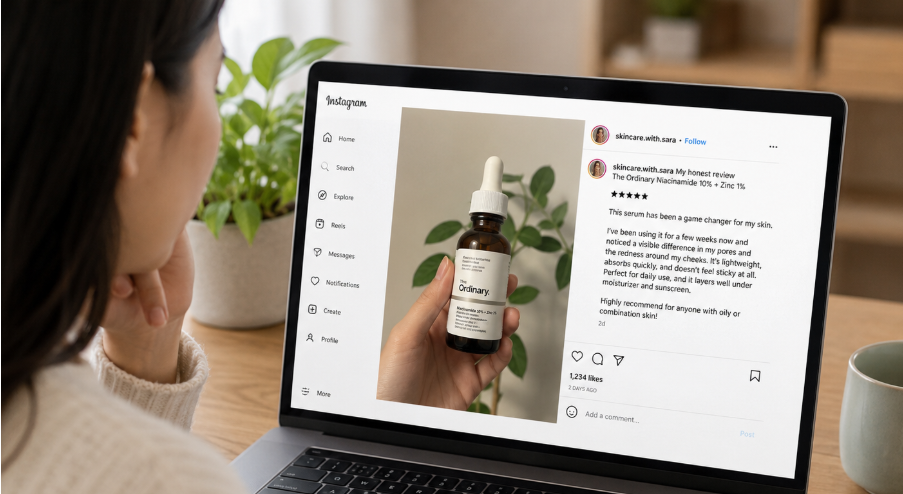
Social proof refers to the psychological behavior where people copy other people's actions to validate their own actions. That means when customers see other users having a positive experience with your products or services, they assume they will have a similar experience.
The effect of social proof is more powerful for customers without enough information to help them make an informed decision. We assume that people understand the situation better, so we should copy their lead. In digital marketing, you can use elements such as reviews, customer testimonials, case studies, and influencer endorsements to increase credibility and trust. It can also include expert recommendations and influencer videos.
Why Social Proof is So Effective
Social proof matters because people trust the recommendations of other people more than brands. When your target audience sees other people posting their positive experience with your brand, they easily get reassured that they are making the right choice. This is backed by numbers as follows:
- 97% of consumers read through online reviews when they search for local businesses.
- 90% of people who buy software are influenced by some kind of social proof in their consideration stage.
Therefore, social proof can be a great way of increasing credibility and conversion.
Top Social Proof Conversion Ideas
Social proof offers great value. However, to benefit from it, you need to understand how brands use it, especially considering that Gen Z now considers social media to be one of their top sources of information, such as restaurant recommendations and product reviews. This makes social media a top place to add social proof. Not only are customers searching for it here, but it's where trust can be built in real-time.
Here are the top ways of adding social proof on social media:
Customer Reviews and Testimonials
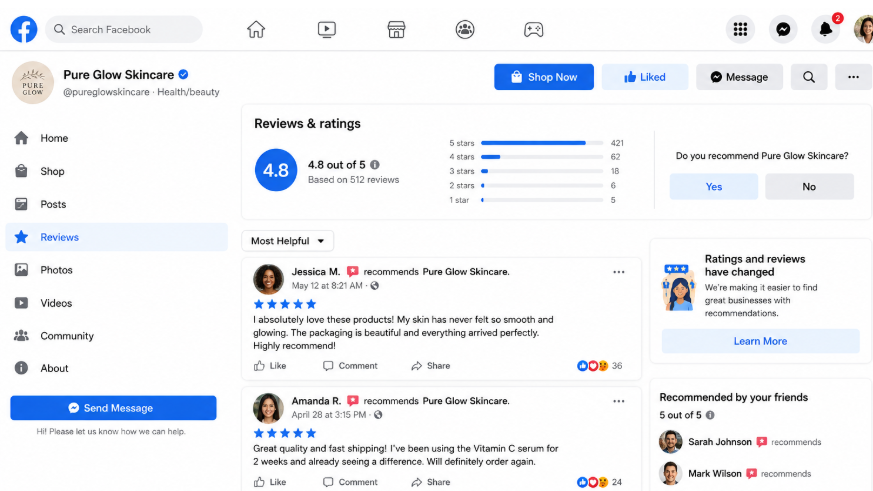
If you have already been getting testimonials online, perhaps it's time to start sharing them on social media. While there are many forms of social proof, there is nothing that beats reviews. When you share them with your audience, they understand people's thoughts about your business.
Case Studies
Another effective form of social proof is case studies that highlight your previous customers' experience with your business. A strong case study should illustrate:
- The problem faced by your business.
- How you helped the customer solve the problem.
- The result the customer got.
A great case study can help customers to view themselves in your brand story. It can, therefore, increase the level of trust as you illustrate to potential customers that your product is working. The case studies can be in a PDF format and repurposed for your short videos or social media posts.
User-Generated Content (UGC)
UGC refers to any content created by your customer, whether it's a video of them unboxing the product or spotting it. This is one of the most authentic and strongest forms of social proof, as it is from real people and not just your brand. This content format is especially popular on Instagram. However, it can still work on other platforms such as Facebook, Pinterest, TikTok, email, or a website.
To leverage user-generated content for social proof, you can repost the customer's content while tagging the person who originally created it and showing them how the product actually looks in reality. You can run giveaways and campaigns to encourage users to create more of such content. You can also add a branded hashtag in your bio and invite users to create more of such content to be featured.
Accolades and Awards
If your business won an award or was ranked as a top performer in your industry, this can be a good form of social proof, illustrating to people that your business is reputed for its excellence. These work great when displayed on your site, either as a badge. However, they can also be added to social media pages.
Social Media Mentions
When people mention your brand positively on social media, this is a strong form of social proof, as it shows your level of brand visibility, reputation health, and consumer sentiment.
Whether it's in the form of a tag, shoutout, or casual mention, this can illustrate that customers are already discussing your brand online. To track these mentions, you can leverage social listening tools to track keywords and brand mentions.
Notable Client's Logos
If you have served some of the reputable brands in your industry, this can be a great form of social proof. All you need to do is add their logos to your site or add them to your social media posts. This works great for trust-building, as it shows the big brand also trusts your business.
In addition to your website, you can also add the logos of your top clients in your LinkedIn header. When someone visits your page, they will easily see the people you work with. This can be a great approach for B2B lead generation, as it can help attract other similar businesses in the industry by showing you do quality work.
Followers and Customer Base
Another great way to build trust is to showcase the number of people already trusting you. You can share the number of customers you served previously, the product they bought, and the issue you helped them solve. It shows you are backed up by experience and results.
Don't forget about your social presence, as having a big and engaged following is a form of social proof. It can show that people are willing to become part of the community, and you have a relevant brand.
Integrations and Partnerships
Your target customers will get insights on your credibility level based on the brands you partnered with in the past. If these were reliable brands, they would interpret that as a sign of your reliability. This is common among software brands, where the brand showcases that its software is compatible with other software, making it look trusted and robust.
Tips to Integrate Social Proof in Social Media Marketing
To enhance the chance of success when leveraging social proof in your marketing strategy, use the following tips:
- Ask your customers to leave reviews, testimonials, and business ratings.
- Add a link to the customer's feedback.
- Use influencer marketing to promote your brand, products, or services.
- Make it easy for your audience to share social media posts and business articles.
- Optimize your Google Local Search profile to attract more traffic from people searching for nearby businesses.
- Add badges to your website and social media pages.
How to Track Social Proof
Unless you understand its impact, it can be hard to understand its impact. Therefore, you need to track signals of the level of trust people have in your brand. By tracking social proof, you can turn it into a tool for growth. You can drive more engagement by celebrating the milestone and using social proof to influence people's buying decisions.
To effectively track social proof, you can measure various metrics, such as:
- Engagement rate and follower growth. Track the number of likes, comments, shares, and followers. These can show your audience's perception and interaction level with your brand.
- Number of reviews and ratings. You should also track the number of reviews you get and the average star rating on different platforms. If you are getting more reviews, it shows your brand is more credible.
- Mentions and testimonials. Track the number of times your brand gets quoted, tagged, or mentioned on social media. Each of these mentions can be a sign of brand trust.
- Referral traffic. You can leverage analytics to determine traffic from the review site, third-party mentions, and influencer posts.
- UGC. How much content is your audience creating concerning your brand, including posts, videos, and photos, that increases your reach?
- Referral traffic. Check the analytics to see the traffic you are getting from influencer posts and third-party mentions.
- Conversion lift. Check the performance of different campaigns with different social proof elements such as logos, testimonials, etc.
You can track the above metrics using Google Analytics. The tool will show you how influencer content and reviews drive traffic and increase conversion. Social media analytics can also provide important insights, such as engagement.
In Conclusion
Social media users are often bombarded with options when deciding which product to buy. That means you need to reassure them that they are making the right choice when buying your product or service. One of the best ways of doing that is through social proof. By adding elements such as reviews, testimonials, case studies, or even awards and badges, you can build instant trust and increase conversions.
