One of the most essential steps in running a social media campaign is understanding your audience's feelings about your brand, as this will affect their buying decisions. This is why you need to perform sentiment analysis, a key part of social media market research.
Whether running an ad campaign or an influencer marketing campaign, social sentiment analysis helps determine whether your marketing campaigns are working. Join us in this guide as we explore how sentiment analysis can help take your brand to the next level.
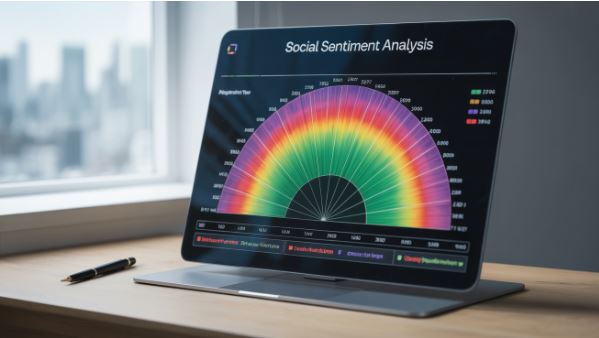
What is Social Sentiment Analysis?
Social media sentiment analysis involves gathering customer data to understand their sentiments toward your brand, product, or service. It may include using advanced natural language processing and algorithms to determine people's feelings toward your brand.
This is essential as studies indicate that 70% of customers make buying decisions based on emotions, while the other 30% make rational decisions. When you analyze social media engagements such as likes, comments, mentions, and shares, you can get key insights into the emotions that drive the customer's purchasing decisions. You can then use the information to tailor your marketing strategies, enhance customer service, and improve decision-making.
Therefore, sentiment analysis is a subsection of social listening that aims to provide insights into the customer's conversation and help you understand whether people perceive your brand as good or bad. It goes deeper than tracking mentions and tries to uncover whether they are positive, negative, or neutral.
Why Social Media Sentiment Analysis is Important
As a brand, you may wonder if you are meeting your customers' expectations and whether your product gives customers a warm feeling. This is what sentiment analysis aims to uncover. When you understand your audience's feelings, you can use the information to improve engagement. That said, sentiment analysis comes with several benefits, such as:
Better Understanding of Your Audience
You probably received a compliment on Facebook or a complaint on TikTok, and concluded that was the general feeling of the customers toward your brand. However, this shouldn't be the case, and you need to get the bigger picture of your brand. For instance, if you are getting a deluge of praise, this is something that social media sentiment analysis will help you uncover.
You can get the overall feelings toward your brand through social media sentiment analysis. It will show if your customers are happy to engage with you on social media. If you are getting a lot of compliments, it shows that your campaigns are resonating with your audience. But if you are getting a lot of complaints, it indicates that there could be a problem with your product or service.
Gather Actionable Insights
Social sentiment analysis offers a lot of data to gather, such as customer tags. This can provide essential insights into what customers say about your brand in the long run and across different platforms. You can then use these insights to identify new trends, understand customers' preferences, and measure the effectiveness of the campaigns.
Identify Emerging Trends
With sentiment analysis, you can determine if your product has problems before the issue becomes widely known. You will notice any negative trends and proactively handle issues, improving customer satisfaction and ensuring your brand reputation isn't affected. When you monitor the negative, when your brand is seen to be identifying and solving issues in real-time, this is a sign of its commitment to quality products and good customer service.
How to Improve Your Brand's Sentiment on Social Media
Your sentiment analysis changes can offer your business many benefits. Here are ways to use sentiment analysis to improve your business processes:
Improve Customer Service
Through sentiment analysis, your brand can carefully watch the emotions behind its social media mentions, enabling it to remain attentive to concerns and comments. When you understand and handle the insights well, you can improve your customer satisfaction level, increase engagement, and improve your brand's reputation.
Spot Opportunities for Product Improvement
When you use sentiment analytics to monitor complaints and compliments, you can understand the areas of improvement your customers want to see. This level of feedback can be key to improving your product offering. For instance, when you receive product reviews on your e-commerce sites, you can use the feedback to improve your product.
Competitor Analysis
Understanding people's feelings toward your competitor can give you a competitive edge. Social sentiment analysis lets you know why customers prefer your competitor's products over yours. You can also determine if there are opportunities and gaps in your products. That means competitor analysis is key to remaining competitive in the market.
The Right Messaging
Brands sometimes struggle to find the right tone they use on social media. Sentiment analysis can help you determine the tone that resonates well with your target audience. For instance, some brands find that their audience prefers humorous posts.
Therefore, when they create more such content, they increase their mentions and build a buzz. Analyzing users' interaction with your content can help refine your brand's messaging and create content that resonates better with your audience.
Monitor Your Brand's Health in the Long Term
When you track your brand mentions in the long term, you can ensure they maintain a positive relationship with your audience and industry. This can particularly be important when going through significant business changes, such as price adjustments, product launches, or rebranding. Sentiment analysis can help you better understand the customer's perception and use analytics to make better data-driven business decisions.
How to Perform Social Media Sentiment Analysis
Social media sentiment analysis involves tracking your audience's feedback in comments, mentions, tags, or other responses through which they express their emotions. While engagement metrics such as likes, shares, and saves can, to some extent, be a vote of confidence, when people express their feelings in their own words, they provide better insights.
However, you can consider different approaches depending on what you want to do with the information and sentiment data available. Therefore, before you start tracking, you must decide the kind of data you seek. You can evaluate your KPIs to determine the data to track. For instance, if your KPI is brand awareness, you can focus on brand reach and whether people like or dislike your brand.
If your focus is on the ability to convert prospects, sentiment analysis will provide good insights into the customer's intent to convert. That said, the most common sources of customer intent are:
- User-generated content such as brand mentions, hashtags, and tags.
- Online reviews.
- Social media engagements.
- Customer surveys.
- SMS or email replies.
- Recorded customer service and sales calls.
After determining the source of social sentiment data, you can consider different tools to help you gather and analyze your data. Depending on the size of your brand and its marketing goals, you need:
- A source of social listening data, as listed above.
- A social listening platform to help you track brand mentions and UGC content.
- A way of storing, sorting, and cleaning the sentiment analysis data, such as a spreadsheet.
Final Thoughts
Sentiment analysis can provide essential insights into your audience's likes and dislikes. It shows people's different emotions when exposed to your brands and products. When you pay attention to the details, you can uncover your prospects' hidden needs and use those insights to improve campaigns, products, or customer experiences.
By following the steps above, you can perform sentiment analysis better. You can read our guide on using Twitter Advanced search for market research.
