There is this moment every brand hits on TikTok where organic content feels good but not quite enough. The views build slowly. The comments feel warm. The engagement has spikes that make you smile, and troughs that make you question everything you posted last week!
Then someone on the team asks the question everyone secretly thinks about. "What if we just ran ads with this? Would everything move faster?" And suddenly the room gets quiet because no one knows if mixing organic and paid content is brilliant or risky or both at the same time.
I believe this hesitation comes from not knowing what actually happens when the two worlds collide. Organic TikTok feels like a campfire conversation, while paid TikTok feels like a billboard on the highway. They attract attention in totally different ways.
They build trust at different speeds and spark different types of reactions. So when you blend them, the result is never neutral. Something shifts in the algorithm and in your audience. Something shifts in how people interpret your brand—even if you do not notice it right away!
Some brands jump straight into paid without preparing their organic base, then wonder why everything tanks. Others rely only on organic and wonder why their growth caps out, even though their content is strong.
But when organic and paid support each other instead of competing, the account starts behaving differently. Faster. Wider. More stable. More intentional. You start seeing signals that would never appear from organic alone, and metrics you thought were weak suddenly come alive.
So let us talk through the things that happen when a brand mixes the two. The real effects. The subtle shifts. The parts most teams overlook until the numbers start moving in ways they did not expect!
Audience Perception Changes Faster Than Most Brands Realize
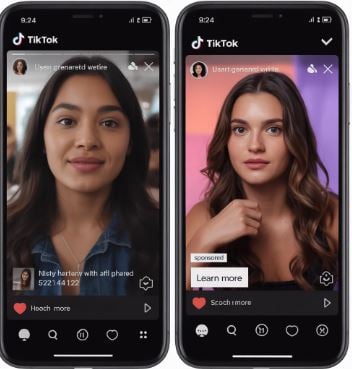
The moment paid content enters the mix, the audience reads your brand differently. Not in a negative way. More in an "oh, they are serious now" kind of way. Paid content signals intention, investment, and momentum. Even if viewers do not consciously think about budgets, they sense that a brand running ads is a brand with a plan.
What I believe is that this perception shift happens far earlier than teams expect. Your organic viewers start treating your page as something more official.
New viewers who meet you through ads often assume you are bigger than you actually are. That makes "paid" a credibility boost when done right. But it also raises expectations.
Organic content sets the tone while paid content sets scale. When both appear side by side, viewers blend them. They assume the energy of your organic content reflects your brand personality, while the quality of your paid content reflects your operational maturity. And suddenly, your brand feels "larger" in their minds.
This is why sloppy ads hurt more than people think. Paid amplifies the impression of who you are, and organic softens that impression. The best results come when the two sides feel connected, not contradictory!
Organic Posts Start Performing Better Because Paid Content Expands the Warm Audience
This is the part brands never believe until they see it. When paid campaigns run, organic content almost always gets a boost. Not because the algorithm rewards ad spend with free reach, but because ads pull new people into your ecosystem, and those people start exploring your page.
A warm audience is an engine. Ads build that engine faster. I think brands underestimate how much ads influence the context of organic posts. Someone who sees your ad today might scroll your profile tomorrow. They might watch three organic videos in a row or like something randomly. All of that activity tells TikTok that your content resonates.
So your next organic post reaches more people than it normally would. Not because TikTok is being generous. But because your warm audience grew quickly, the algorithm now sees more "likely engagers" circling your content.
Paid accelerates exposure. Organic catches the momentum. And when the two work together, your baseline view count rises. That is why some brands suddenly see a "lift" in organic after launching paid. It is not magic. It is math repeating itself!
Paid Content Reveals Which Organic Concepts Are Truly Strong
When a brand runs ads, something interesting happens behind the scenes. Weak concepts fail instantly, and strong concepts shine. There is no middle. Paid distribution exposes the truth about your messaging faster than organic ever could.
Organic content can get lucky. Right place. Right time. Right trend. Paid content cannot hide behind luck. It gets shown to people who have no emotional connection to your brand. They scroll ruthlessly and only stop when something genuinely captures attention.
Honestly, paid tests your creative honesty. If a concept only works with your existing followers, paid will show you that quickly. If a concept connects with strangers, paid will kick that signal into high gear. And once you see what performs under pressure, you know exactly what to scale organically.
Paid becomes your creative compass. It highlights what actually resonates instead of what feels good inside your content team. And that insight reshapes your entire content strategy!
The Algorithm Separates Your Content Into "Engagement" and "Conversion" Zones
Mixing organic and paid content creates a kind of split inside TikTok's system. It starts categorizing your posts differently. Organic posts become signals of audience interest while paid posts become signals of business intent.
When the brand does it right, both zones reinforce each other. When the brand does it wrong, the zones conflict, and performance drops.
I believe this split is natural, not something you can avoid. TikTok needs to understand which pieces of your content aim to entertain and which ones aim to convert. If the lines blur too much, the algorithm gets confused. Organic content that feels too salesy suffers. Paid content that feels too casual underperforms.
But when the relationship is clear—organic builds relationships, paid drives action—the algorithm supports both sides. Engagement metrics improve. Retargeting pools strengthen. The account becomes easier to model. And the content flows into the right pockets of the audience.
This is why mixing the two without intention creates chaos. But mixing them with purpose creates scale!
Your Creative Style Evolves Because Paid Forces Sharper Messaging
Running ads has this funny side effect. It tightens your creative style even if you do not plan for it. Paid forces you to sharpen the message. Trim the fluff. Make the hook clearer. Make the story cleaner.
Organic content lets you wander a bit. Paid content does not. It gives you only a few seconds before a stranger scrolls away.
What I believe is that this pressure changes how brands create overall. You start noticing which lines land, which visuals stop the scroll, and which tones feel most natural for your brand voice. Paid becomes a mirror that reflects your strongest creative instincts at you.
Over time, that clarity spills into organic content too. Your intros get more confident. Your pacing improves. Your storytelling tightens.
It is almost like paid training for your creative muscles without anyone saying it out loud. Brands that embrace this blend usually evolve faster than those staying strictly organic. Paid pushes you into discipline while organic carries that discipline into charm!
Mixing Paid and Organic Expands Your Data in Ways Organic Alone Never Could
Organic performance gives you insight. Paid performance gives you evidence. The difference matters more than people expect.
Organic data tells you what your existing audience likes. Paid data tells you what the world likes. That is a huge gap. When you run paid, you suddenly see which age ranges respond, which interests align, and which regions engage more deeply. TikTok gives you slices of audience behavior you never had access to before.
Honestly, this expanded dataset becomes a superpower for the team. It helps shape new creative angles, reveals blind spots, and shows if your intuition was right or just lucky. You gain confidence in your messaging because you have numbers behind the feeling.
Organic can validate your charm. Paid validates your direction. That combination gives brands a level of clarity most creators never experience without paid testing!
Your Conversion Funnel Gets Clearer Because TikTok Starts Tracking More Signals
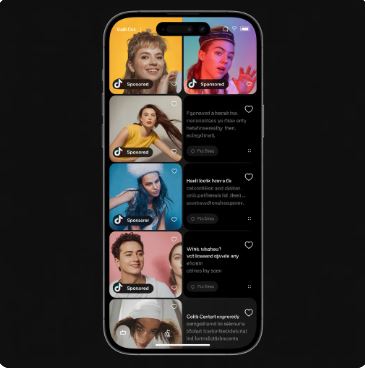
The moment paid enters the picture, TikTok starts receiving richer behavioral signals from your audience. People who watched your ad. People who clicked. People who linger on your profile after seeing a sponsored post. People who engaged with an organic video right after encountering a paid one.
I believe these overlapping signals help TikTok understand your funnel. Not just your content. Your intent. It starts stitching together patterns. Who is most likely to buy? Who is most likely to follow? Who is most likely to engage repeatedly?
Before paid, TikTok only sees surface-level engagement. After paid, it sees pathways. And that changes everything. Your retargeting gets stronger. Your organic reach becomes more precise. Your ads get cheaper. Your content gets more strategic.
Paid turns your TikTok account from a collection of posts into a functioning funnel!
Organic Content Gains More Freedom Once Paid Handles the "Selling"
This is one of those shifts brands never expect but always appreciate. When paid content handles conversions or product pushes, your organic content can relax. It can breathe again. It can be human. Playful. Educational. Emotional. Not salesy.
Honestly, organic content suffers when brands rely on it to do everything at once—build awareness, entertain, nurture, inform, and sell. That is too much weight for a short-form video. But once ads take on the conversion pressure, your organic content becomes lighter. More honest. More watchable.
The audience feels the difference instantly. They sense that your organic content exists to connect, not convert. That shift builds trust, and trust makes your paid content perform better, too.
Paid handles performance. Organic handles relationships. That separation creates the healthiest TikTok ecosystems!
The Algorithm Tests You More Often Because You Have More Entry Points
When your account combines paid and organic content, you give TikTok more "doors" for discovery. More entry points. More signals. More chances to test you with new pockets of users.
Paid content opens one door, and organic opens another. Retargeting opens a third. And TikTok starts experimenting.
What I believe is that this experimentation is what accelerates growth. The algorithm now has multiple ways to understand who responds to you. It tests your organic content on people who saw your ad. Then, test your paid content on people who saw your organic. Then, tests are conducted on entirely new audiences.
The more doors you give TikTok, the more accurately it learns who you should reach. This is why mixing both often leads to sudden spikes that look like algorithmic luck but are just increased testing. The system is finally confident enough to push you wider!
Paid Spend Can Shift How TikTok Categorizes Your Brand
Once you start running paid campaigns, TikTok begins slotting your brand into more defined categories. Not manually. It happens through behavior. Who clicks? Who watches? Who ignores? Who converts? These signals help the algorithm understand your brand at a deeper level.
I believe this kind of categorization shapes your future reach. If your paid content attracts a certain type of viewer, TikTok uses that to refine who sees your organic posts, too. Sometimes, this is great. Sometimes, it narrows your audience more than you planned. It depends on how aligned your paid creative is with your organic tone.
When the two feel consistent, TikTok sees your brand clearly. When they feel disconnected, the system gets confused. And confusion slows growth. That is why brands benefit most when paid content reflects the same emotional energy and style as their organic videos.
Paid shapes identity. Organic confirms it. TikTok responds to both!
You Start Noticing Audience Behaviors You Missed Before
Organic content gives you a certain view of your audience. But when paid enters, everything expands. You see new pockets of people reacting. New age groups. New interests. New regions. New behaviors. Suddenly, you realize your actual audience is wider—or sometimes narrower—than your original assumptions.
Honestly, this new visibility changes how you create. You start seeing what people replay. Where they hesitate. Which lines do they find funny? Which visuals make them click? It becomes almost impossible to go back to guesswork because the data starts revealing tiny truths you never saw before.
This shift affects creative direction, product messaging, and even community responses. You get closer to understanding how people actually experience your brand, not just how you think they do.
Paid opens your blind spots. Organic fills them in!
Creative Fatigue Shows Up Faster When Both Are Running
When you run only organic content, creative fatigue creeps up slowly. You might not notice it for weeks. But when you mix paid into the equation, fatigue shows up sooner. You see it in lower watch times, softer click-through rates, and comments that feel less energetic.
What I believe is that this early warning system is actually a gift. Paid amplifies what is already happening. So if your creative direction starts slipping, paid will reveal it faster. That means you can adjust sooner instead of letting a decline stretch across months.
And the solution is not always reinventing the wheel. Sometimes, you just need a fresher hook. A new visual angle. A different tone. Paid highlights the cracks so you can repair them before the audience feels tired.
Both sides sharpen each other. Both sides demand evolution. Creative fatigue becomes a signal, not a setback!
Brands Become More Agile Because Data Speeds Up Decisions
Once a brand blends organic and paid, decisions start happening faster. Teams stop arguing based on preference. They start acting on evidence. You get weekly signals instead of waiting months to understand whether a content direction works.
I think this agility is one of the biggest hidden benefits. You learn to adjust quickly. Test quickly. Drop weak ideas quickly. Expand strong ones without hesitation. Everything becomes smoother because you see results in real-time instead of relying on gut feeling.
Paid gives clarity. Organic gives sensitivity. Together, they create a rhythm that supports stronger, faster decisions. Your content strategy stops being reactive and becomes adaptive!
Conclusion – Mixing Organic and Paid Makes TikTok More Predictable—If You Do It with Intention
When brands mix organic and paid content, the account changes. The audience changes. The algorithm changes. The expectations change. Everything becomes more dynamic, but also more understandable. Paid provides acceleration while organic provides connection.
When the two support each other, the entire TikTok ecosystem surrounding your brand becomes easier to read. You stop guessing what the audience wants because the signals become clearer. You stop relying on luck because the data shows exactly where to push. And you stop fearing slow weeks because paid and organic each fill the gaps the other leaves behind.
What I believe is that the brands that thrive on TikTok are the ones that treat organic and paid not as separate universes but as two parts of the same story. When they work together, you get growth that feels steady instead of accidental. You get creative direction that feels confident instead of reactive. And you build a presence that feels human, intentional, and strong enough to scale!
