If you recall the last time you searched for a product or service online, you first went online and read reviews. Whether it was a product you were buying on Amazon or searching for a plumber, you took the time to scour online reviews. That is the same situation with many customers today, as they want to know about other people's experiences before they can buy a product or a service.
This is where the whole concept of social proof comes into play. In this guide, we will share more about social proof, its benefits, how it works, and how you can leverage it to take your social commerce business to the next level.
What is Social Proof on Social Media?
Wikipedia explains that Robert Cialdini coined the term "social proof" in his book Influence, published in 1984. The book defines social proof as a social and psychological situation where people replicate other people's actions before they take action. The phenomenon involves consumers wanting to understand other people's experiences before they can take action. This provides them with the reassurance that they are making the right decision.
The social proof phenomenon has been around since the introduction of marketing. That is why old ads also featured customers' testimonials. However, the coming of the internet and social media has taken it to a whole new level. Brands now use it on social media to boost the consumer's confidence and inspire them to buy the product or service.
The Psychology Behind Social Proof
According to Robert Cialdini's book Social Proof, when people are unsure of what to do in a particular situation, they tend to seek the guidance of others. This phenomenon can be attributed to humans' great desire to fit in and avoid making mistakes.
They try to be accepted and rely on other people's actions and opinions to guide their decisions, especially in purchasing decisions. This can then be attributed to several factors such as:
- The need for conformity. People naturally tend to conform to a group's norms even when this goes against their judgment.
- Authority bias. When industry experts and authority figures give their opinions, we tend to put more weight on such views. That means when customers see an expert endorse your product, they are more likely to trust the product and even buy it. Therefore, you can use thought leadership to build customers' trust.
- Herd mentality. You have probably seen an extensive line of customers standing outside a restaurant and thought there must be something great in it. This is what is known as herd mentality. It assumes that if many people do something, there is something good about it. This is the trend that drives the bandwagon effect in marketing.
How Social Proof Can Impact Your Business
There is no doubt that social proof affects how customers spend their money and on which businesses. If consumers are leaving positive reviews about your business, product, or service, and their experience with it, this will attract more customers to your business. Social proof can take different forms, such as testimonials, reviews, and word of mouth.
According to one study, 90% of consumers check reviews before patronizing a business. Additionally, 84% of consumers say they take online reviews with the same weight as their trusted friends. This is on top of the fact that online reviews usually influence the majority of people. This is why businesses should not ignore social proof but should instead go out of their way to get positive reviews from their customers.
How Social Proof Looks Like Today
When people make positive comments on social media or a website concerning your business or product, that is already social proof. The online sentiments act as endorsements for the business, person, product, or company, and will affect the overall customer's buying journey.
Positive social proof will make your business look more legitimate and trustworthy. Since the positive words are from customers, they carry more weight than your own words. This can be particularly important in an era when customers are looking for trust in traditional advertising.
When your business receives social proof, this can be considered external validation, which, when combined with customer advocates, can help attract more customers. Whether it's on your social media page or website, positive customer reviews can demonstrate the customer's positive experience, which is essential in the customer's buying journey. Other areas where you can add reviews are on product pages, email, signatures, and the checkout page of your store.
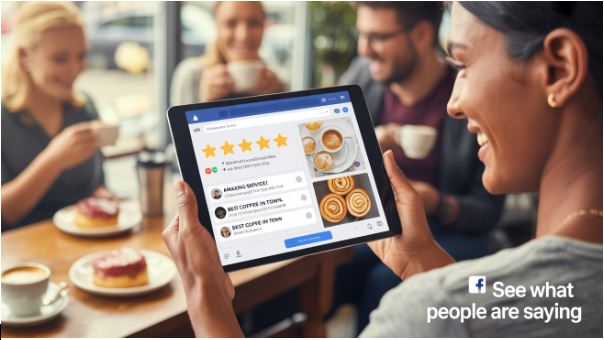
This means social proof can be an effective way of empowering customers to share your story. When they demonstrate that customers are happy and satisfied, this can be pretty compelling.
Benefits of Social Proof
Having social proof for your business comes with a lot of benefits, such as:
Higher Conversion and Sales
When making a buying decision, customers often rely on the opinion of others. According to one study, 58% of customers say they are ready to pay more for a product or service with positive reviews. That means if your customers are leaving positive reviews, this is likely to result in a higher conversion rate and sales.
Additionally, the benefits of social proof are not limited to conversion rates. When and where you place these testimonials is also important. For instance, when they are added next to the CTA button, they can significantly increase conversion rates.
Higher Credibility
Unlike what some brands think, not only do positive reviews provide credibility, but even negative ones show the genuineness of the reviews. While negative reviews may harm a brand, 72% of customers say they provide them with a better understanding of the product or service before they buy.
Bigger Social Presence
A higher online presence is significant in the digital world today. If you want to stay ahead of your competition, incorporating social proof can be an essential way to achieve that. When more customers review your product, it increases the visibility of your brand online.
Additionally, user-generated content (UGC) is also an effective way of showcasing your social proof. This is very important, as 40% of customers suggest that they find UGC to be important when making a buying decision.
Reducing Customers Anxiety
If you have some customers sitting on the fence, wondering whether to buy your product or services, showcasing your positive reviews can help reduce the anxiety. According to one study, 74% of customers say positive reviews help boost their trust in a new brand. This improves the chances of the customer clicking on the "buy now" button.
Higher Brand Awareness
The reputation of a company often depends on what consumers are saying online about it. Social proof, whether in the form of reviews, customer testimonials, or endorsements, can create awareness about your brand. Another form of social proof involves a brand partnering with microinfluencers or macroinfluencers to review different products and show their credibility. According to one study, 36% of millennials suggest that partnering with influencers affects their buying decision.
The Role of Reviews in Social Proof
Studies indicate that 92% of customers read online reviews before making a purchasing decision, while 80% of customers consider reviews to have the same weight as personal recommendations. This is proof that brands should focus more on reviews to show their social proof. If you want your e-commerce business to remain trustworthy and relevant in an ever-evolving customer journey, you should leverage customers' feedback.
On average, customers read up to ten reviews before making a purchasing decision. 54% of customers suggest that they only visit the brand's website after reading reviews. That means reviews and recommendations can be great tools to help you drive business sales. However, in the social proof world, not all reviews carry a similar weight.
Why Do Reviews on Third-Party Forums Have More Weight
Many consumers tend to trust third-party sites such as Trustpilot as they know the reviews aren't edited, curated, or even deleted by the retailer in question. With Trustpilot having added the transparent flagging features, online shoppers can now see the number of flagged reviews. This ensures that brands don't abuse the review flagging feature.
It can be pretty helpful for brands to collect social proof on third-party platforms instead of the native platforms, where there is less transparency.
Best Practices in Leveraging Social Proof
Now that you understand the benefits of social proof, let us look at some of the best practices to leverage social proof.
Create a System for Collecting Customers' Reviews
Having positive reviews on Facebook or Google can impact the customer's decision to buy from you, especially with a lot of reviews. According to a BrightLocal study, customers trust a business when it has at least 40 reviews. To benefit from social proof, you need to start by creating a system to collect reviews. Start with the basics such as:
- Claiming your profile on third-party review sites.
- Adding review links to your digital and in-store receipts.
- Automated emails to remind your customers to make reviews.
These simple steps will increase the chances of your customers leaving reviews.
Share Customer Testimonials on Your Website and Social Media Sites
Unless the reviews are seen and read by prospective customers, they serve no purpose. That is why it is essential to add them in most areas where your customers visit. This could be your social media pages, website, or landing pages. Be creative when designing these customer experiences to ensure they look visually engaging. You can also publish the customer's experiences on platforms such as Instagram, X, or Facebook, as reviews and testimonials are perfect for social media campaigns.
The customer testimonial could be in a simple format, such as a featured quote from a satisfied customer. You can even make them more complex by transforming the testimonials into a case study or video. Adding social proof to your digital campaign or landing page will have a better impact than a scripted marketing message. According to a Wikijob study, a few testimonials consisting of short text only on a landing page can increase your sales by 34%.
Choose Reviews That Highlight Company Details
The more specific the review is, the higher the impact it will have on your messaging goal. That is why you should ask your customers to provide specific details about the business or product they liked. This ensures that you get information-rich reviews that are more convincing.
Leverage Influencer Partnership
One of the best ways to boost your social proof is by getting a positive review from an influencer in your industry. With 69% of people saying they prefer relatable and authentic marketing videos over high-quality polished ones, working with influencers can be quite effective.
However, be careful first to research the influencer to ensure that you share the same target audience with them. The influencer should also align with the mission of your brand. This is important because even positive reviews add no value if they are reaching the wrong target audience.
Showcase Industry Achievements and Certifications
Social proof isn't only about what customers say about your brand. It can also be about showcasing your business's achievements, certifications, and seals of trust, such as e-commerce badges. A tool like an e-commerce badge can alleviate customers' concerns about sharing their banking details. Therefore, these should appear on your product pages, check out pages, and landing pages.
Respond to the Customer's Negative Reviews
It's easy to feel discouraged when customers leave negative reviews, especially when you have put a lot of time and effort into developing the company's brand. No matter how hard you try, you will receive negative reviews sometimes. When that happens, you don't have to feel like it's the end of your brand. The most important thing is the way you will respond to the negative reviews.
A good idea would be to publicly and professionally address the issues raised as proof that your brand solves customer issues. When you promptly respond to the negative customer reviews, you can have 45% of aggrieved customers patronizing your business again.
Group Customer Reviews as Per Demographics
If you want to attract specific types of customers, use social proof from similar customer demographics. For instance, if you are a B2B brand targeting CEOs and founders, you need to add social proof from other CEOs and founders. Doing this can be an effective strategy for reaching a particular audience demographic.
Tracking the Results of Your Social Proof Strategy
After collecting your social proof and using it on your social media platforms and websites, you will need to determine if this is working or not. To do that, you need to measure the impact of social proof on your business. If you find that certain social proofs aren't working, you can then iterate on your strategy. Here are ways to analyze the effectiveness of social proof:
Identify Your Key Performance Indicators
Before measuring the impact of the social proof strategy, you need to determine the key metrics that are important to you. This could be the total sales and conversion rate, or the engagement rate on your social media platforms.
Set up the Right Analytics Tools
After understanding the metrics you will be tracking, you need to set up the right analytics tools to help you with the tracking. Some of the top options to consider are:
- Google Analytics. This is a great tool to track your conversion, monitor website traffic, and user engagement.
- Social media analytics. Each social media platform has analytics to show the engagement rate. Therefore, use the tool suited for each site.
- Heat mapping tools. There are different heat mapping tools, such as Hotjar, that can help you track interactions on your website pages.
Check Your Historical Data
To get a good view of the analytics tools, compare the insights you get with your past data. This will provide you with a preview of the performance of your social proof.
Keep Building Your Social Proof
Remember that you don't get your social proof right in the first instance. You need to keep experimenting while monitoring what is working and what isn't. Find out which of your pages are getting the highest conversion and compare them with where the reviews are placed. You might be surprised to note that the products with positive reviews are getting the highest conversion.
Make sure you are tracking the engagement metrics to determine if customers are reading the testimonials and reviews before buying a product. You can then use the data to refine your strategy and improve your social proof.
Use Customer Feedback to Scale
The customer's feedback can be a great tool to enable you to improve your product and service. Doing so will ensure that you increase your chances of getting more positive reviews, which will in turn increase your conversion and sales.
Case Studies of Brands Successfully Using Social Proof
If you are looking for inspiration for your social proof campaigns, here are brands you should learn from:
Canva
This popular visual designer suite uses social proof by adding a scrolling banner that highlights the brands that use the platform with the words "trusted by 90% of Fortune 500". This makes the visitors to the platform feel that if the top Fortune 500 companies are using it, then it must be a great platform to invest in. Scrolling down the banner reveals testimonials from brands that have used their services, adding more legitimacy to the social proof.
Dyson
Dyson is one of the brands that is very confident about their products. They ask for data on their previous customers who would be ready to recommend them to their family and friends. They then go ahead and post this data on their product page. This acts as a social proof that is added above their product listing.
When customers visit these pages, they find and read these reviews without having to scroll to the bottom of the product pages. Similarly, you can do the same by asking customers to leave reviews of your products or services. You can even go ahead and write follow-up emails to those who didn't leave a review.
ThriftBooks
As an online bookstore, ThriftBooks understands that social proof isn't just about reviews and ratings. It also includes other elements such as verification badges and secure checkout confirmation. This acts as social proof to customers visiting the website, who need assurance that the site is safe and secure before they can add their personal information, such as address and banking details.
The verification badge of ThriftBooks is usually added at the footer of their website, while showing their customers the major credit cards they accept for payment. Therefore, it is a good idea for e-commerce brands to add trust verification badges to show customers that their sites are secure.
How to Engage With Social Proof
While in most cases, social proof is natural and helpful, it can also come with potential pitfalls. Here are ways in which you can avoid this possible phenomenon:
Evaluate the Source of the Social Proof
As noted earlier, some social proof has more impact than others. This is why it is essential to consider the expertise and credibility of the social proof source. For instance, when you get a recommendation from a trusted industry expert, this can have more weight than when you get a random online review.
Consider the Context of the Review
The social proof concept's effectiveness will vary depending on the context, since what works for one group may not necessarily work for another. Therefore, consider whether the social proof is relevant for your current situation and if it aligns with your needs and values.
Understand the Bandwagon Effect
The bandwagon effect is one of the principles that drives social proof. Before you make a decision, you need to ensure that it is the right one for you, rather than just following the bandwagon.
Get Different Opinions
Avoid the echo chamber effect by getting different perspectives and effects. This can help you make a more informed decision instead of being influenced by a single social proof.
Final Thoughts
There is no doubt that social proof is a great tool that helps share our behaviors, beliefs, and decisions. From the choices customers make to social movements and public opinion, social proof can influence many areas of our lives. By understanding the psychology behind social proof, you can better understand how it impacts your brand and how to leverage it more effectively.
