In the last couple of years, short-form content has been getting all the attention on social media and other platforms. This has been attributed to the ability of short-form content to capture the viewer's attention, especially with the best short video ideas to go viral. Additionally, the attention span of social media users has been decreasing, making it harder to focus on snackable content.
However, with short videos dominating the social media feed and timeline, it has resulted in a silent shift toward long-form content in an era of short-form video. When well-crafted, long-form content has been noted to be effective in trust-building. In this guide, we tell you why long-form content is making a comeback; this content format is working well for trust-building.
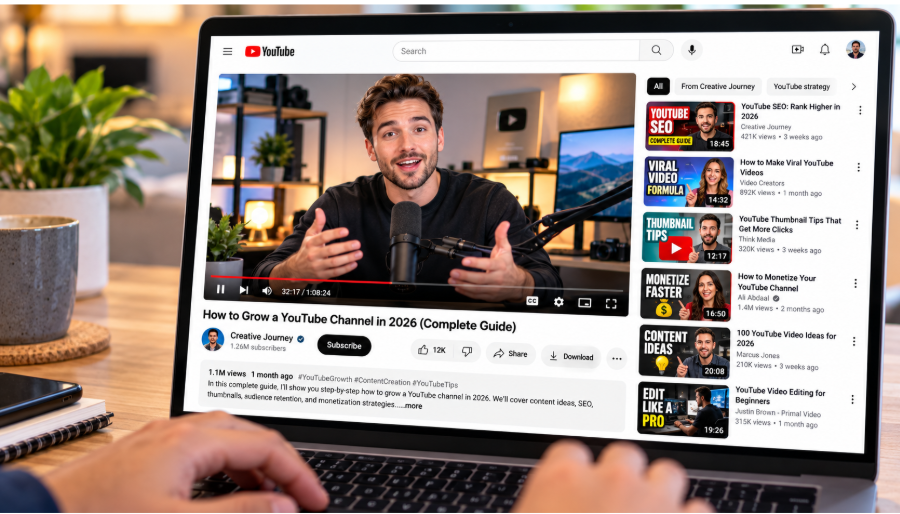
Understanding Long-form Content
Also known as in-depth content, long-form content is digital media, whether video, audio, or written, created to delve into a matter in depth and provide detailed insights and information. It can therefore be used to inform, educate, and engage the audience more deeply than shorter, shallow content.
For written content to be considered long-form, it should be more than 1000 words, providing room for deep explanations, analysis, and examples. For videos to be considered long-form, they should be at least 10 minutes long, providing the creator with a chance to dive deeper into a topic, using detailed discussions, rich visuals, and storytelling.
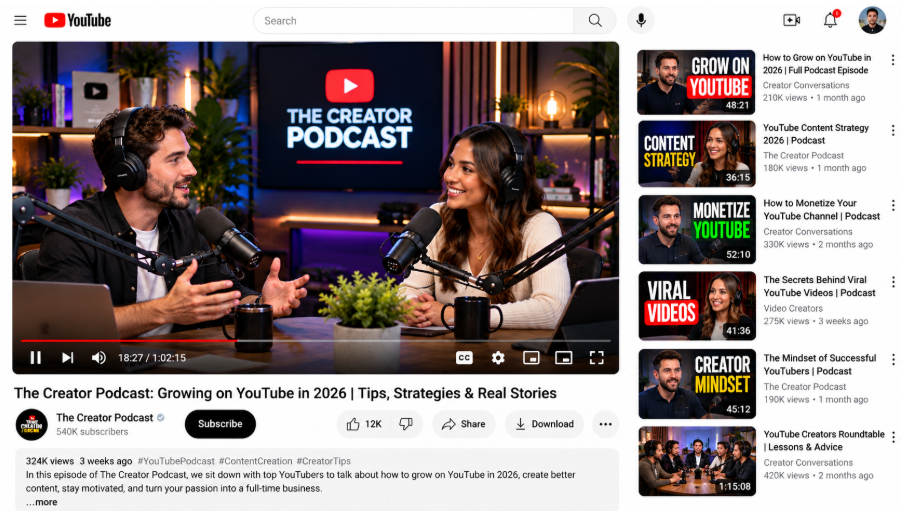
Long-form audio, like interviews and podcasts, can run for as long as 1 hour, providing listeners with a more immersive experience through nuanced conversations and deeper exploration of complicated topics. In-depth content is preferred by some audiences because it can captivate those seeking detailed knowledge instead of quick nuggets.
Short-Form vs. Long-Form Content
Both short-form and in-depth content serve distinct purposes in content marketing. Short-form content offers quick, easily digestible content that will capture your audience's attention. This content format is a great choice for social media posts, updates, and short blog entries. Due to its short nature, it works well for audiences with limited time or those at the start of the customer's journey.
On the contrary, the in-depth content format is a good choice for diving deeper into a topic and providing detailed coverage. This makes it better for enhancing SEO and building trust with your followers by providing some detailed insight and analysis.
When creating a content strategy, consider a mix of long- and short-form content. Brands can use short content formats to capture the audience's attention. On the contrary, in-depth content can be a good choice for lead nurturing, showing thought leadership, and ensuring sustained engagement in the long term.
Types of In-depth Content
In-depth content can be in different formats tailored to meet the different goals of the audience and platforms. Some of the common types of in-depth content include:
Video Content
Video content can consist of different types, such as documentaries, tutorials, and webinars, providing your audience with an engaging experience. Webinars can range from half an hour to more than an hour. This combines a structured presentation and live interaction on a niche topic.
Tutorials provide detailed instructions, often using live demonstrations and screen sharing to offer clarity. On the contrary, branded documentaries can be a good choice for creating emotional stories that resonate with audiences and last for more than 20 minutes.
For instance, if you are a brand that focuses on sustainable fashion, you can create a documentary that highlights the impact of plastic and showcases your brand's positive environmental impact.
Articles and Blog Posts
Articles are well-known long-form content formats, and blog posts range from 1500 words to 3000 words. These can be a good option for showing your expertise and building the trust of your audience through content formats like:
- How-to articles
- In-depth tutorials and guides
- Thought leadership content
However, it is important to format articles and blog posts in a digestible format by adding visual elements and subheadings. These can be a good choice for driving traffic to your site using SEO.
Podcast
Podcasts often feature episodes ranging from half an hour to several hours, giving creators the opportunity to dive into a topic more deeply through storytelling, interviews, and discussions. The content format features a conversational tone that ensures listeners remain engaged for long, making it suitable for professional multitasking during workouts and commutes.
For instance, a podcast on marketing can feature an expert interview covering top tips and industry trends, providing listeners with advice they can implement.
eBooks
These are digital books that are meant to provide some detailed insights into a topic. These are usually longer than a blog post and can range between 10 and 50 pages, providing a detailed walkthrough of the topic. These are easy to design and distribute, making them a great option for campaigns focusing on lead generation.
Case Studies
This content format can help you to showcase the practical results achieved by your brand. These feature a structured narrative that includes a summary of the challenge, the solution used, and the outcome. It can consist of several pages, showcasing the different aspects of a process and supplemented with graphs, testimonials, and charts.
For instance, if you are a software brand, you can create a case study that illustrates how your software improved your client's efficiency by 50%. Through the use of detailed storytelling, you can appear more credible and build the trust of your social media audience.
Reports and Guides
Another long-form content format consists of industry reports and detailed guides that delve deeper into industry practice, trends, or data analysis. The resources can, therefore, be a good choice for businesses that want to generate the audience's trust by positioning themselves as a thought leader.
For instance, a social media agency can create an annual report titled "The State of Social Media Marketing". The report can delve deeper into changing consumer behavior, emerging content formats, campaign performance tracking, and more. These kinds of reports tend to receive a high number of shares and are easily referenced across various industries.
White Paper
A white paper can be a good choice for building your audience's trust by showcasing your professionalism and research on a topic. This can especially be a good content format for B2B brands, helping them to tackle complex topics that position them as thought leaders. The content format can be between 3,000 and 15,000 words, focusing more on providing insight backed by research and solutions.
For instance, if you are a tech firm, you can create a white paper providing insights into AI and machine learning. You can add expert commentary and industry statistics to back up the data. The documents can therefore position your brand as an authority in your niche.
How Long-Form Content Builds Audience Trust
In-depth content can be a good choice for building your audience's trust in several ways, such as:
Ensure a Personal Connection
The long-form content format discussed earlier provides creators and brands with an opportunity to share their real-life experiences. Since viewers and readers spend more time on the piece of content, it results in a deeper mental bond that makes them feel connected to your brand. You can use the long-form content format to show your vulnerability, explaining why things may fail or a lesson learned that makes your brand feel more humane.
Showcasing Your Expertise
When using in-depth content, you get an opportunity to explore the different parts of a topic without making anything feel fake or hidden. You can use the content format to showcase your audience's pain, address the difficult questions, and provide your audience with real results they can try and verify. The content format can be a good choice for enabling deep learning instead of a fast sales pitch.
Consistently Providing Value
When you consistently create high-quality and long guides on a regular schedule, you can make your audience view you as more reliable. You can provide the full context of the content, leaving viewers feeling satisfied rather than tricked by clickbait and half-truths.
Final Thoughts
In-depth content can be a good choice for enhancing your brand, captivating your social media audience, and dominating the rankings on search engines. It can be a good choice for providing detailed insights, tutorials, actionable topics, and storytelling that can help showcase your thought leadership and connect deeply with your target audience.
By choosing in-depth content, you can attend to the interests of your audience, showcase your expertise, and build your audience's trust. Therefore, consider using one of the above in-depth content formats to connect with your target audience, position yourself as an expert in your niche, and build your audience's trust. This is especially true when you combine long-form and Shorts for YouTube growth.
