Influencer marketing offers brands an unmatched opportunity to connect with their target audience and creators an opportunity to make money. However, as the influencer marketing industry continues to grow, social media audiences are becoming more skeptical of sponsored posts.
One of the ways of building influencer trust and transparency is through honesty. Additionally, government bodies such as the FTC have been cracking down on incorrect disclosure practices from marketers and influencers. In this article, we look at why sponsored posts require more transparency.
What is Disclosing Sponsored Content?
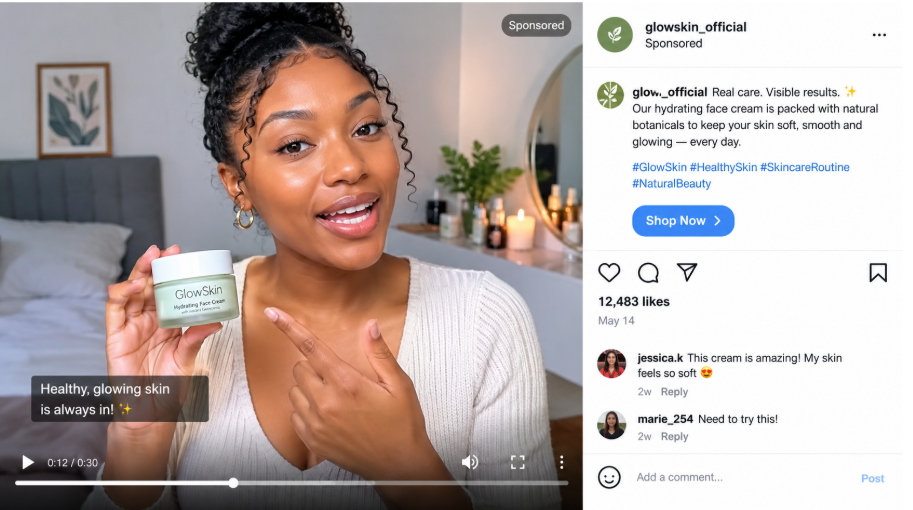
Disclosing sponsored content involves telling your audience that an article, post, or review is paid for by a brand or company. Such a level of transparency is important as it helps social media users to differentiate between genuine posts and paid messaging, protecting public trust in information. This is essential for influencer marketing in the different stages of the sales funnel.
Without full disclosure of the sponsored post, brands may end up misleading consumers, negatively impact the trust of their audiences, and violate legal advertising rules. Even when a media house or a creator doesn't fully disclose a paid partnership, people can still tell the difference between a paid ad and an honest personal recommendation, which can impact the credibility of the creator and the reputation of the brand.
Understanding the Basics of Disclosure
The disclosure rules have been in existence since 2013, when the Federal Trade Commission (FTC) updated its endorsement rules. These rules are now relevant for different social media platforms. The disclosure rules are not stricter than before in 2026. The goal of a disclosure is to let your audience understand that there is a connection between you and the brand or product. The connection can be in the form of a monetary gain, affiliate commissions, or a free product.
Before your social media audience sees your content, you need to disclose to them this relationship. When you hide the disclosure in the comments or in an edited caption, this will not work, as the disclosure should be seen fast and clearly.
Who Needs to Disclose?
A disclosure is supposed to be for all users, including nano-influencers with less than 1000 followers. Your number of followers will not matter, and what matters is the relationship with your brand. If you are a micro-influencer with less than 10K followers, the enforcement may not be very strict. However, in the recent past, the enforcement agency has been looking strictly into these accounts.
The disclosure responsibility is not only on the side of the creator but also on the brand, which is also supposed to disclose that they are working with an influencer. If the influencer doesn't follow the rule, the brand may be penalized. If an employee is promoting your brand product, they should also disclose it as long as they are marketing the brand on their personal account.
When There is a Need For Disclosure
Many creators are aware that disclosure is necessary for sponsored posts and paid partnerships. However, the free products are where things get grey, especially when the brand sends the product in the hope that the influencer will review it but does not absolutely require a review. If there is no agreement between a brand and a creator to review the product, no disclosure is needed.
If the influencer is acting as an affiliate, they need to disclose it. You need to inform the audience that you are getting paid to review the product. The rules for discount codes may be a bit grey, as some codes need disclosure while others don't. However, if there is a special code that is linked to your name, you need to disclose it.
Why the Need for Transparency in Sponsored Posts?
Many influencers are usually hesitant to disclose sponsored posts because they feel that sponsored posts might be poorly received by their audience as compared to their non-sponsored posts. This is understandable in an era when social media users are increasingly losing interest in sponsored posts. Again, if a creator has been paid to review a product, the chances are that they will not offer a balanced recommendation and are more likely to be biased.
Additionally, the demand for brands to justify the ROI of the influencer marketing spend may require seeing some real results from the collaboration with influencers. Many influencers suggest that when their posts are labeled as sponsored, they often receive lower engagement. That is often seen as poor ROI for the brand, meaning that the brand may stop working with them. However, the influencers need to understand the ethical and legal implications of their sponsored posts in their regions.
How Influencers Should Disclose Sponsored Posts
According to a study by Activate, only about 60% of marketers and 52% of influencers understand the FTC guidelines for sponsored posts. Additionally, only around 56% understood how to properly disclose a gifted product.
Here are some rules to follow when providing disclosure for sponsored posts:
Leverage the Built-In Tool
As a result of the crackdown by the FTC, major social media platforms like Facebook, Instagram, and YouTube now feature some built-in tools for disclosure. These tools have made it easier for influencers to tag brands and mark their posts as sponsored, including on Instagram stories. However, these tools aren't available to all users, and therefore, on a platform like Instagram, both the influencer and the creator are supposed to have a business account.
Once you have the business account, you can find the paid collaboration tool that will show a bolded label at the post top, under the handle of the influencer, below the location tag. When using the tool, influencers can tag their posts as a 'paid partnership with...' This is arguably one of the best disclosure tools.
Instagram Collab Post
If you are an influencer on Instagram, you can create a collab post allowing you to co-author reels or posts with up to three accounts. With the tool, influencers can share credit for the content with the other account, whether a brand or an influencer, when they are invited to the collaboration. After they have accepted the collaboration, both creators' names will appear on the post, to be shared on both profiles. This is one of the strategies of using collaborations to gain followers organically.
Use Disclosure Hashtag
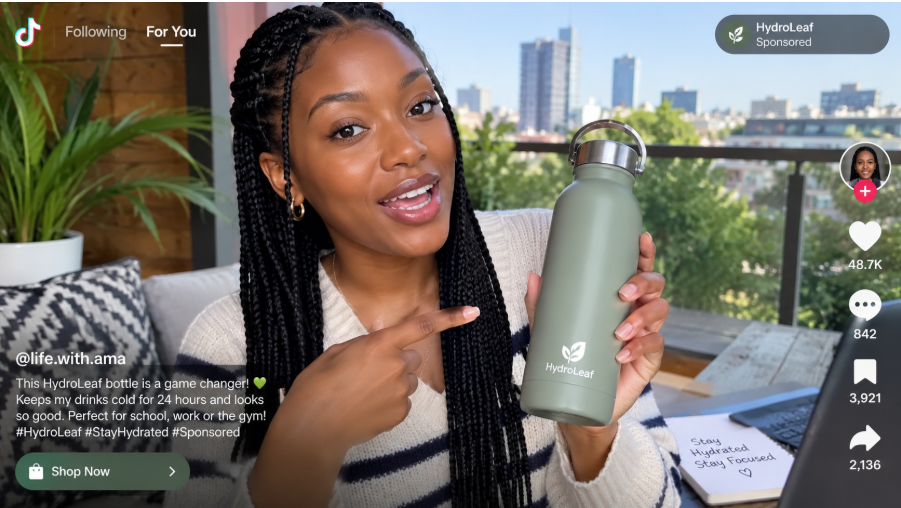
According to the FTC, using the built-in disclosure tools may not be sufficient. According to the guidelines on their website, a disclosure appearing above an image on Instagram may not be fully noticeable to the followers. That's why they recommend that an influencer also add clear and legible hashtags.
The body also discourages the use of ambiguous disclosure hashtags, such as #collab and #ambassador. Instead, they encourage the use of clear hashtags like #ad. The hashtag should also be placed at the start of an ad or another highly visible place. While the FTC recommends the placement of the ad at the front, some influencers choose to use it at the end of the copy.
The ad label is widely accepted as an alternative to the 'sponsored' label. However, it should be highly conspicuous so that it is the first thing people see before reading the post.
Disclosure for Non-Monetary Partnerships
Many influencers assume that disclosure is only necessary where there is monetary compensation. However, according to the Endorsement guideline issued by the FTC, there should be full disclosure when there is a considerable connection between an influencer and a brand.
That means when you send an influencer a product to review, even without any monetary compensation, the influencer should disclose that. This is necessary because it enables audiences to change their perception of the product when they understand the product was given free to the influencer. With the need for consumer and audience trust, this is quite important.
A good way to disclose a product donation is through the #gifted. Doing that will make it clearer to your audience that the product is freely given. According to CAP, the regulatory body in the UK, gifted items should be labeled as an ad. Therefore, to be on the safe side, you should combine gifting with other disclosures.
Dedicated Hashtags
This disclosure method is a bit risky, and shouldn't be used alone. Most brands run a dedicated hashtag to track their influencer campaign. Additionally, many influencers often use disclosures that they are brand ambassadors or partners by using the hashtag. While this can be an indicator of a professional relationship, it might not provide enough clarity for the average consumer and may result in penalties from regulatory agencies if it is not accompanied by other disclosure methods.
Best Practice for Influencer Disclosure
For the best result with influencer disclosure, you should use the following best practices:
- Make sure the disclosure hashtag appears at the beginning.
- The disclosure phrase should catch the attention of the viewer and should be put somewhere it cannot be easily missed.
- The disclosure should be close enough to an ad and shouldn't be in the form of a link to another section or page.
- Make sure the disclosure is at the beginning of video content
- Ensure the disclosure is in the endorsement language of the product being promoted.
In Conclusion
With regulatory bodies such as the FTC becoming stricter, it is now very important for brands and influencers to be transparent with sponsored content. Additionally, in the deinfluencing era, brands and influencers may suffer the repercussions of an inauthentic relationship, so use our guide for your discussion. Therefore, providing full disclosure is one of the social commerce tips and trends in 2026 and beyond.
