In recent years, mobile devices have become part and parcel of our lives. According to Statistics, mobile searches account for about 60% of total online searches, especially for local search keywords. Additionally, another study reports that the average American spends five hours on a mobile phone.
With mobile phone use increasing by 40% over the last three years, it's understandable why marketers are adopting a mobile-first mindset to improve loyalty retention and growth.
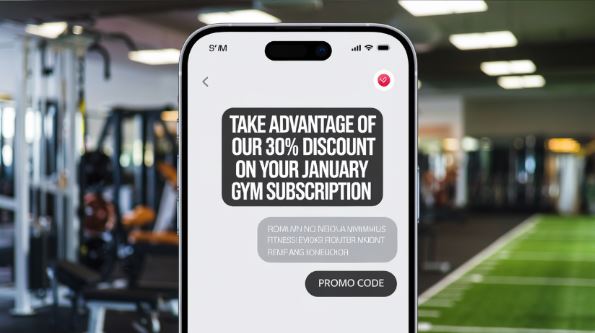
As younger, mobile-savvy generations move to channels like WhatsApp, it's clear that brands must adopt a mobile-first approach. In this article, we will guide you on creating an outstanding mobile marketing campaign.
What is Mobile Marketing?
Mobile marketing involves promoting products or services via mobile devices, thereby making your business more appealing to mobile users. It involves sharing your business or brand message in a way optimized for mobile devices, including tablets and apps, and other mobile features such as mobile-friendly websites and social media platforms.
Mobile marketing is an excellent strategy for helping brands reach a larger audience than desktop marketing alone. Unlike in the past, mobile marketing has shifted its focus to capturing attention in a mobile-first environment.
For instance, instead of focusing on whether your email looks good on mobile devices, it focuses on whether your content is suitable for a fast, dynamic mobile experience, where you have three seconds to capture your audience's attention. When done properly, mobile marketing provides potential customers with location- and time-sensitive information to help them get the details they need, even while on the go.
The effectiveness of audible marketing campaigns is more apparent, with one customer loyalty index showing that customers who use mobile apps to engage with brands develop stronger loyalty. These tend to spend more and return more frequently, a clear indication of the vital role of mobile in creating lasting relationships.
How Mobile Marketing Works
Mobile marketing focuses on reaching customers on their personal devices with personalized ads that appear on smartphones and tablets. It uses channels such as SMS marketing, app location data, and social media to provide customers with relevant ads, offers, and content.
It involves sending marketing messages on mobile, such as text, push notifications, mobile websites, in-app marketing, and QR codes for scanning. It also includes proximity systems and location-based services that alert users based on their geographic location and proximity to specific service providers.
Rather than targeting customers by their demographics, mobile advertising targets them by their behaviors. For instance, an advertiser on mobile devices can target certain users within an app, hoping that their interest may also extend to similar products. A common behavior in mobile marketing is snacking, where users of mobile gadgets check their devices for short periods.
Mobile marketing capitalizes on the need for regular usage to improve personalization and make data-driven decisions. The goal is to create a seamless experience at the user's location, using mobile features such as GPS to enable targeted marketing. Therefore, when conducting mobile marketing, you can create different content formats, styles, and customizations to appear on other devices.
Why You Need a Good Mobile Marketing Strategy
As noted earlier, we are in the age of mobile devices; therefore, if you are not taking advantage of these tools to reach your target customers, you might be missing out. Recent reports indicate that 40% of internet users spend a third of their time on mobile devices. Compared to other interfaces, mobile marketing features different specifications, user preferences, and security requirements. This is why you need a mobile strategy that requires dedicated planning and resources over the physical and non-mobile digital touchpoints.
Marketers are now discovering the power of mobile marketing. Mobile ad spending is booming in 2025, with global figures estimated at $533 billion. The expenditure in the U.S. is estimated to exceed $150 billion, driven primarily by short-form videos and AI personalization. Social media and search lead the way in consumer engagement, overshadowing desktops.
The shift toward mobile is also becoming prominent in consumer shopping behaviors. According to eMarketer, 74% of consumers now use retailer apps when shopping in-store. Mobile businesses are also growing fast, with mobile e-commerce turnover reaching $4 trillion in 2025 and accounting for 59-68% of all digital sales.
With consumers preferring mobile channels and tactics, brands cannot afford to ignore the various mobile touchpoints. Through a strategic and mobile-friendly mobile-first marketing, brands in different industries can:
- Increase opens, clicks, and traffic.
- Have a deeper level of loyalty and more repeat purchases.
- Improve their omnichannel and cross-channel campaigns.
- Embrace customers' shopping and engagement strategies.
Therefore, in 2026, brands cannot afford to add mobile marketing as an afterthought. Instead, they should treat it as a focal point for their strategy to ensure deeper connections with customers at their different stages.
Types of Mobile Marketing
Mobile marketing can be divided into different categories, such as:
- App-based marketing. This involves running ads using mobile apps. The ads could appear in third-party apps or in your own app.
- In-game marketing. In this method, you run ads within mobile games as image, video, or pop-up ads that appear when a user plays.
- Mobile search marketing. This involves running Google Ads targeting mobile users. They often contain add-on extensions such as maps or click-to-call.
- Mobile image ads. These appear on websites that are viewed on mobile devices.
- Location-based ads. These appear in mobile devices depending on the user's proximity to a business or area.
- QR codes. These are usually scanned on people's phones to take them to a particular website.
- Push notifications. Consists of messages appearing as pop-ups on mobile devices. The app's publisher sends these at any time. The ads can appear even when the user isn't using their device.
- Email marketing. This has become increasingly popular because it's less intrusive and allows brands to be more creative compared to SMS marketing. It can be a good strategy for promoting app downloads, enhancing user retention, providing app updates, showcasing cool features, and demonstrating value to users.
Each of the above mobile marketing methods has its benefits and drawbacks and is usually suited for different campaigns. You should begin by understanding your audience when selecting the right one.
Understanding the Key Components of Mobile Marketing
You now understand why mobile marketing matters. Let us now look at some of the key components of mobile marketing.
A Mobile-Friendly Website
Before you even go on to other elements of mobile marketing, you should begin with the basics: a mobile-friendly website. Such a website should be well optimized for mobile visitors. If your website is only focused on desktop users, it will not work for mobile users. They will instead face a slow-loading website, with poor formatting, broken buttons, and more.
That is why you need to create a mobile-friendly website with highly readable content that is easy to navigate on a smartphone. The website should have a responsive design, meaning it adjusts to the user's screen.
Remember that traffic from a text message, QR code, or mobile app often comes from a mobile device. That means a mobile-optimized website can be key to building the rest of your mobile marketing strategy. By doing that, you will have a website ready to convert customers, built for smartphones in minutes. You can also have special landing pages for targeted campaigns and limited-time offers, which should also be built with mobile devices in mind.
To test whether your website is mobile-friendly, start by visiting it on your phone to see if you encounter any errors or issues. You can then visit your website builder. You will find features to help you improve your website's responsiveness, so view and edit the site from a mobile perspective and add the necessary elements.
SMS Marketing
SMS marketing has some of the highest engagement and open rates, making it one of the most effective channels for reaching your loyal, connected customers with order updates, interactive content, and exclusive offers. However, you need to keep your text messages short and outstanding to increase your conversion. You also need to be strategic about how you send them to avoid over-communicating and increasing your unsubscribe rate.
Through SMS marketing, you can spur your consumers to take action quickly using a brief, branded short link. Many consumers don't like clicking on strange URLs, so it would be a good idea to add a link to your domain to increase trust and brand recognition.
Use of Mobile Apps and Push Notifications
Mobile apps have emerged as great options for brands to offer their customers outstanding services, such as loyalty programs, in-app purchases, and user-friendly support. When customers download your mobile app, it takes up space on their devices, which means a new channel for reaching customers through push notifications.
Whether you have some flash sales, limited-time offers, sneak previews, or product reviews, you should notify your customers in real-time. Since mobile apps are designed specifically for mobile users, each aspect is usually optimized for browsing and buying.
If you already have a mobile app and want to increase downloads, you can leverage mobile deep linking. This involves linking from an email, social media, or rest campaign to an app page. If a visitor doesn't have your app, they will be directed to it in the app store, thereby encouraging them to download it.
QR Codes
Some elements of mobile marketing don't always start on a smartphone screen. You can also use QR codes to increase customers' engagement from an in-person experience, such as a physical ad, live event, or store shelf, to a mobile interaction. They work perfectly well, as customers can quickly scan the QR codes on their smartphones and visit your website.
Therefore, QR codes are an excellent option for customer engagement, providing users with an outstanding online experience and increasing their chances of connecting with your brand outside the current moment. You can use QR codes for a wide range of features, such as creating an overview of instructional videos, distributing coupons, and more.
QR codes offer great tracking possibilities. Instead of directing someone to the homepage, you can add a UTM URL or lead them to a custom landing page to determine which offers resonate with the target audience.
Steps in Creating an Effective Mobile Marketing Strategy
An effective mobile marketing strategy can be key to increasing customer engagement, driving revenue, and improving return on investment. Here are the steps to follow when creating an outstanding mobile marketing strategy:
Determine Your Goals
Start by determining what you want to achieve with the mobile marketing campaign. You want to ensure that the goals are SMART (Specific, Measurable, Achievable, Relevant, and Time-bound). For instance, instead of stating that you want to use digital marketing to increase brand awareness, you can have a goal of reaching two million Instagram users at a CPM of $3.
Audience Segmentations
Another important step in creating a mobile marketing strategy is understanding your target audience. To do that, you need to segment the audience based on various factors such as location, interests, demographics, and mobile behaviors. You can use the details to tailor your marketing to resonate with the target audience.
Audience Targeting
After audience segmentation, you can begin targeting them with relevant, personalized messages. The good news about mobile marketing is that it enables precise targeting, ensuring your interactions are highly customized. When you deliver the right message at the right time, you can increase the likelihood that customers will engage and convert.
App Store Optimization
Just as we have SEO for websites, app store optimization is key to improving your visibility in the App Store. This involves optimizing the titles, descriptions, and screenshots of your apps to improve their rankings in app stores and search results. When you rank highly, you increase the chances that potential users will discover your app.
Positioning
It is important to ensure that your products or services also have a USP that makes your target customers prefer them over competitors'. A clear USP communication should tell the value you offer to your customers and why they should choose your brand over the competition.
Craft a Compelling Message
Make sure your message is concise, clear, and compelling. This should also stir emotions, so add FOMO, and offer key details. Make sure your messages align with your brand voice and meet your target audience's needs. A good idea would be to focus on one message for each target audience, so the message should be highly relevant and emphasize the USP.
Improving Customer Relationships
Remember that mobile marketing is more than just selling. It's a strategy for building long-lasting relationships with your target customers. Therefore, leverage various channels to engage with your customers, get their feedback, and receive outstanding customer service. This can be key to increasing loyalty and trust, turning your customers into trusted brand advocates.
Track the Performance of Your Mobile Marketing Campaign
As with other marketing methods, you need to track the performance of your campaigns. You can do that by tracking various metrics such as:
- Click-through rates. Check the number of clicks you are getting on your website from channels such as SMS or email. You can then focus on increasing your click-through rate without using clickbait.
- Conversion rates. Consider whether your audience is converting by signing up for text messages or downloading the mobile app, and by buying a product on your website or mobile app.
- Customer retention. Check whether customers are continuing to engage across different channels, such as maintaining the downloaded app or remaining subscribed to your text, in addition to making several mobile purchases.
When you track your mobile app's performance, you can determine which messaging, strategies, and offers appeal most to the target audience. You can then use the insights for your future campaigns and run an A/B test to improve your mobile strategy.
Best Practices in Mobile Marketing
To increase engagement and conversion rates in your mobile marketing, you need to follow best practices. These are:
Mobile Optimization on Different Channels
Customers often encounter your brand several times on mobile devices before buying. That means you need to take a mobile-first approach, no matter the product you are selling or the channel you are using, whether social media or email marketing. Avoid using large blocks of text in emails and social media posts, as they may look poor on small screens.
Use short, impactful copy that customers can scan to understand your brand's personality and the offer. Always stay updated on the kinds of content your audience prefers, and use easily digestible formats, such as short-form videos.
Focus on Cross-Channel Optimization
Consider your audience's experience across all touchpoints, from browsing on a mobile phone to conversion. You can do that by understanding the various moments of the customer's journey. For instance, when customers are looking at your products on the site, you can include a link asking them to view the step-by-step videos or product details.
If one of your products is no longer available, you can ask them to use a QR code to place an order or to download a mobile app. You can also take the theme of a customized landing page to:
- Contact support.
- Subscribe to make monthly deliveries.
- Link to a customized landing page.
Take time to critically consider your audience's preferences and behaviors and provide them with easy, simple, and targeted touchpoints to connect with your brand on mobile. You can offer them a helpful mobile experience to maintain engagement.
Leverage Granular Messaging
Whether they are scrolling through Instagram Stories or reading a marketing SMS, localized messaging can help your target audience take notice, increasing your conversion rate. For instance, you can segment your target audience by city. While this may take time and effort, it can bring excellent results.
Leverage Two-Way Communication
Mobile marketing shouldn't be a one-way communication channel. It should be a strategy for engaging customers in a more customized and convenient way. Therefore, elevate conversational commerce to invite your customers to engage through messaging apps, SMS, and Chatbots. You can do that using different customer channels, such as:
- Click-to-message ads. Outside your current ad destination, you can send your ads directly to messaging apps such as Instagram Messenger or WhatsApp so they can interact with your AI assistant or a team member.
- Text -to-pay. You can leverage mobile messaging to give your customers a convenient, secure way to pay on their mobile devices.
- Text-to-buy. You can use a conversation to invite audiences to buy from your text conversation. All they need to do is reply to a keyword.
Leverage Location
Just like other marketing strategies, mobile marketing isn't a one-size-fits-all solution. A good idea would be to rely on location data to improve targeting, increase sales, and build loyalty. To do that, start by encouraging your mobile users to share their location so they can be guided to the nearest location. You can then create some geo-targeted campaigns for the region. When you find where your target customers are based, you can learn more about campaigns in those regions.
In Conclusion
With many people now spending most of their time on mobile devices, connecting with loved ones, indulging in content, or even searching for their favorite products, brands must reach them where they are. You can do that by building a digital marketing strategy that caters to mobile users. The basics of doing that are optimizing your site for mobile devices and making it easy to navigate.
Additionally, you can use other mobile marketing strategies such as SMS, email marketing, and QR codes to deliver more personalized messages. With that, you will be positioning yourself for more revenue, customer engagement, and conversions. By following the steps outlined in this guide, you should be able to do that.
