One of the most important factors that YouTube considers when recommending videos on the home page and up next is the retention rate. When the YouTube algorithm notices that audiences are spending more time on your videos, it interprets that as a sign that you are creating quality videos and recommends your video more.
Therefore, when creating YouTube videos, you should focus more on creating videos with high retention. But what many creators don't understand is that you win or lose in audience retention when creating videos. In this article, we guide you on how to do that. But before we do that, let me explain what YouTube retention is and why it matters.
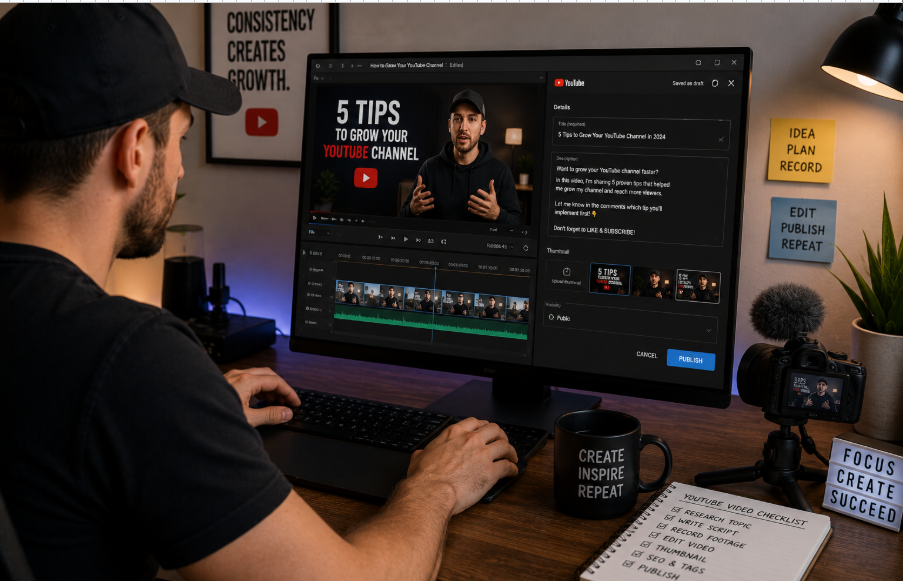
What is Audience Retention on YouTube?
Audience retention refers to the average percentage of a video that people watch. For instance, if your YouTube video is 15 minutes and your viewers watch for 10 minutes, you will have an audience retention of 66%. This metric is usually reported in two ways:
- Average view duration. This refers to the raw minutes and seconds your viewer watches.
- Average percentage viewer. The minutes watched are expressed as a percentage.
You can see both of these metrics in YouTube Studio for the algorithm and the feed. The retention data is important as it is one of the major insights considered by YouTube. If your video receives high retention, it can increase the watch time. Such a video is then rewarded with a higher number of impressions, as watch time impacts social media recommendations.
What Retention Rate Should You Target on YouTube?
According to a VidIQ report, if your video consists of a talking head, your target percentage of video viewers should be 30%. However, this also depends on the industry and niche, with some niches reporting a retention of over 50%. According to many independent studies on thousands of YouTube videos, only a small percentage of videos achieve a retention of more than 50%.
All in all, the data on YouTube video retention is not set in stone, as that also depends on many factors such as the video length and the intent. For instance, the retention rate of short videos is likely to be higher than that of longer videos because every extra minute offers users a chance to leave. This is why a good strategy would be to compare the video retention with the data of similar videos in your channel and niche.
Why You Need Good YouTube Video Retention
So, why is the audience retention data important for your YouTube video? Here are several reasons:
- Higher video ranking on YouTube. As noted earlier, audience retention is one of the key factors that the YouTube algorithm considers when ranking videos. The more your YouTube video retains viewers, the greater the chances of it being recommended by the YouTube algorithm.
- More subscribers. When a viewer watches your video to the end, it shows they see the video as valuable and are, therefore, likely to become subscribers.
- Higher ad revenue. If you are a content creator who wants to monetize your channel, your YouTube retention data will impact your ad revenue. If your viewers are watching the videos longer, it will mean you will have more opportunities to show ads, which increases your YouTube earnings.
- Get the trust of viewers. When you generate high retention, it means your content is consistently high quality and engaging. People who find your content to be valuable to them can come back for more content, translating into loyal fans.
- Better content insights. When you have audience retention data, you can get better insight into what works and what doesn't. All you have to do is analyze the part where most of your audience is dropping off and tweak your strategy, such as the video pacing, the content structure, and the pacing, to keep the audience hooked.
Steps in Creating a High-Retention YouTube Video
Now that you understand what YT audience retention is and why it matters, let us consider the steps to creating high-retention videos. These are:
Have a YouTube Channel Goal
Consider the goals of the channel and what you want the video to achieve. For instance, are you aiming to inform, educate your audience, or promote your products or services? A good understanding of your goals can enable you to create a brand message and image that align with your brand.
Determine who your target audience is, whether they are on YouTube, the channels they have subscribed to, and the type of videos they are interested in. A good understanding of your audience will enable you to create outstanding content and drive engagement.
Conduct a YouTube competitor analysis to understand what they are doing and how you can differentiate your brand from theirs. This will help provide your brand with a USP and enable it to set itself apart from the competition.
There are several tips to get these insights:
- Watch videos in your category to determine the type and format.
- Subscribe to the channel and determine the frequency of their content production,
- Go through the comments section of your current content to see the improvement areas.
- Track the engagement and video views to see which videos are more popular with the competitors.
Research and Plan Your Video
As you would guess, start by understanding the topic you want to create a video on. This will be based on different factors, such as the videos that excite you and your area of expertise. Remember that nearly every topic under the sun has been covered on YouTube, and therefore, you need to consider how you can add a fresh perspective to a topic. Define what your video will focus on as the foundation of creating a high-retention video.
Some of the key elements you need to consider when researching and planning for your video are:
A Video Outline
A video outline aims to identify your core goal and messaging, which can guide your content creation to ensure that your video remains on track. After that, you can break the messaging into one key point or smaller subtopics you need to cover in the video. After identifying your key points, make sure they are organised in a way that will enable them to flow logically and keep viewers engaged.
You can use short sentences and bullet points to ensure that you remain focused on the point and remain on track as you film.
Choice of a Topic
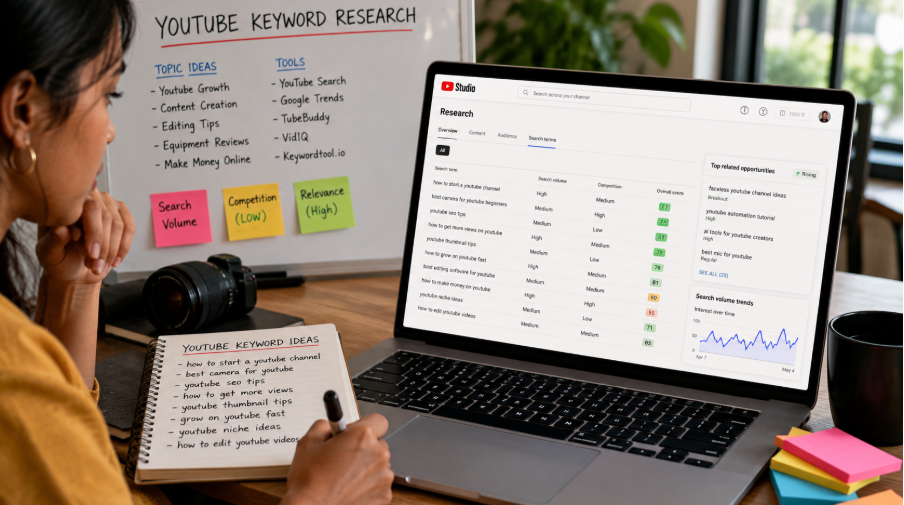
Determine the video topic you will want to cover from start to end by researching the video topics that your audience is likely to be interested in. You can use tools such as Google Trends and top social media platforms to determine the most popular topics. Consider where you will get the information from, whether niche forums, trusted websites, expert interviews, and niche forums. Also, consider whether there are trending topics in the niche you can cover.
Take time to watch other videos covering similar topics and consider what is driving people's attention that other videos may be missing to find opportunities and gaps. Consider a unique perspective you can use to set the video apart. To enable your video to be discovered by new audiences, you should ensure that it is:
- Brief and straightforward.
- Reflects the content of the video and isn't clickbait.
- Has the relevant keywords for SEO purposes.
Brainstorm Your Video Ideas
After understanding your topic, you will need to brainstorm the creative ideas you will use to recreate it. This is where you will need to showcase your unique personality and perspective. As you develop the concept, you need to consider a few things, such as:
- Video format. Consider the different formats you can use to share the video. Should it be in the format of an interview, tutorial, personal story, etc.? Remember that each of these formats resonates with audiences in a unique way. Therefore, consider how you can weave the narrative in an authentic way that results in some genuine connections.
- Visual elements. Consider how you will use some creative elements, like graphics, animations, and B-roll, to improve storytelling. Add a few visuals that not only help to enhance the message but also improve the overall viewing experience.
- Thumbnail and title. These can be important elements for attracting viewers, especially because they will be the first thing that new viewers will see. When brainstorming the title, focus on getting intrigue and clarity. Make sure you include relevant keywords to improve discoverability, and add the keyword search to your title.
Create Your Video Script
Another important step in creating a high-retention video is to create an outline. This is important as it enables you to remain on track during the filming. It will also ensure that all your key points are not only covered, but that the message is delivered in an open, concise, and engaging manner.
Consider the main message you want to send and how best you can communicate it to the viewer. Will you use humor, storytelling, or other methods to capture your audience's attention and keep them interested in your video?
Some of the factors to keep in mind are:
- Consider the language, pacing, and tone of voice.
- Ensure that the content can be easily understood and is accessible to viewers with different levels of experience and background.
- Don't use technical language and jargon that might end up confusing the viewer.
For high-quality video, you need to have different kinds of equipment such as a camera, audio, a tripod, editing software, and more.
Map Out the Video Flow
There is no doubt that YouTube users can be impatient, and that is why it is important to ensure that your video flows well from one point to the other. Without a video plan, you will be left with a video that is filled with umms and aahs, killing the momentum and flow of the video. The faster your video moves, the better it is.
When planning for the flow of the video, you should ensure that it has the following elements:
Hooks
The first 15 seconds are the most important part of your video. Therefore, you need to start with something attention-grabbing so that YouTube users do not click away. The hook could be something like an interesting question, a relatable story, or a surprising fact that attracts people and sets the tone for what they should expect.
Video Introduction
After hooking the viewers, you need to introduce the video topic. You can provide the viewers with a general preview of the topic you will cover, provide them with an example, and even tease them with something such as a surprising find or tip that will be coming up in the video.
Content
This refers to the video's main body and illustrates the steps that users will be following. For instance, if you are creating a workout video, these are the steps of the workout. You need to drive engagement in the video's body by ensuring that your content is broken down into clear, bite-sized segments.
Make sure you are only tackling a topic at a time so that each idea builds on the previous ones. Show your real-life examples or experiences so that your points are relatable.
Conclusion
Add a smooth transition as you reinforce the main takeaways from the video, and make sure viewers have something meaningful they can think about so they feel they have spent their time well. This will ensure that not only do they leave while feeling informed, but they are inspired to either find out more about the topic or take action.
To encourage them to take action, end the video with a call to action asking them to like, comment, or subscribe to your channel.
Plan for the Shoot/Visuals
An important part of YouTube planning is the actual shooting of the video. When planning for it, you need to consider the angle of the camera, setting up the lighting, and more. If you are creating videos without shooting, you need to consider where you will get the images. Will you be using custom graphics or stock footage?
When planning for the visuals, consider how the different elements will contribute to the tone and narrative. Make sure everything matches your brand style, such as the typography, color schemes, and other visual effects that will contribute to a more cohesive appearance. Choose outstanding visuals that will enhance your storytelling and drive viewer engagement. The choice of the right visual can be key to adding a more immersive experience for the viewers.
If you are shooting the videos, you can plan the shots around the edits, which will make editing easier and help ensure a better overall viewing experience.
To do that effectively:
- Create a script and outline for the video before you start filming.
- Before recording the material, look at the 5 to 10 seconds of the test footage to ensure that the focus, audio, and lighting are fine.
- Leverage a clapperboard to track the sections, takes, and sync up the video or audio.
- Create several takes of the key lines.
After having all the necessary supplies, you need to create some logical steps. Your aim should be to present the key steps in a concise and inspiring format as you prepare to gather the feedback.
How to Boost the Retention of Your YouTube Videos
Now that you understand how to create a YouTube video, use the following tips to increase the retention on your videos.
Understand a Good Retention Level
Getting the benchmark of your YouTube retention can be a good starting point that will enable you to create some realistic goals. To do that effectively, you need to ask yourself several questions, such as:
- How many Live videos do I have?
- How long have people been watching my videos?
- How close are my numbers to the standards of the industry?
Check your YouTube analytics to see the average percentage watched and the ones dropping in the middle. You can check the point where they are dropping off most to answer the question of what could be the cause.
Determine the Areas of Improvement
After getting the video data and industry standards, determine where your retention may be low. While the data will show you the retention, it will not tell you why it is low. You can therefore determine the cause of the low retention by:
- Conducting surveys on your current audience.
- Requesting valuable and honest feedback from the audience.
- Watching your niche's creators and their viewer engagement strategies.
Start with an Outstanding Hook
We already mentioned the importance of a hook, but we need to emphasize this more. Hooks can take different formats, such as:
- Pain pressure. Consider a painful experience your audience might have gone through and provide them with a solution in your video.
- Driving curiosity. Consider what you can use to pique your audience's interest.
- Stating the value. You can let the viewer understand the value they will gain after watching the video.
- Sneak peek. Make sure the video begins with a compelling moment that will come up later.
- A preview. This is a good option for showing what will be coming up in the YouTube video.
Divide Your Video Introductions Into Chapters
One of the native features of YouTube you can use to grow your retention is video chapters. It allows you to divide the video into small sections so that viewers can go to the interesting parts to rewatch. When you break your videos into some interesting chapters, viewers can better know what they should expect, and it can make it easier for them to remain engaged.
Leverage Pattern Interrupts and Engaging Visuals
The pattern interrupt involves changing a situation, behavior, or thought. It helps to remove the downward trend that may cause viewers to click away, impacting the audience retention of a video. Ensure that you add some engaging visuals such as on-screen text, fun animation, and GIFs.
Otherwise, if your video involves speaking to a camera, you might end up boring the viewer. You can include b-roll to serve as a pattern interrupt and ensure that the audience's attention is refreshed as you increase the attention of your audience. You can even change the video scene by changing the angle of the camera.
Create Outstanding and Visually Appealing Videos
For your viewers to watch the full video, you should provide them with the kind of content they are searching for. Once you provide your audience with a solution to their problem, you can keep them watching longer. Even when the content solves your audience's problem, you need to ensure it is outstanding and the YouTube video is optimized with relevant keywords.
Create Shorter Videos
While this will mostly depend on the niche, shorter videos have consistently been noticed to have higher retention compared to the longer ones. This is because viewers are attracted to the instant results of the steps. Additionally, the attention span of social media users is decreasing. However, if you choose to keep your videos short, make sure the ideas fit within the video's length. Again, it's not necessary to make the videos 30 seconds long. While this depends on your industry, you can create videos that are 3 to 5 minutes long.
Ensure that the Video Keeps Moving
Boost your video's retention by editing it to move fast. Otherwise, if you add a lot of long space, dead space, and unnecessary filler, they will make your viewers tune out. Again, experiment with quick cuts, humor, or surprising statements that keep the video interesting.
In Conclusion
Creating outstanding YouTube videos that maintain retention from start to finish can prove challenging. With the high competition on the platforms, a changing algorithm, and users who now prefer short content, you need a good strategy to sustain your viewers' attention. Fortunately, by following the steps outlined in this guide, you can easily create some high-retention videos from beginning to end.
