There was a time when social media content consisted of simple text-based personal updates on platforms like Facebook and MySpace. Over time, it evolved into ephemeral visual content on platforms like Snapchat and Instagram. The evolution didn't stop there; today, video content is the cornerstone of many social media platforms.
From TikTok to Meta Reels and YouTube Shorts, viewers are now spoiled for choice when it comes to video content. Even long-form videos remain very popular on YouTube, with over 122 million daily active users and over 1 billion hours watched each day. These statistics indicate the popularity of video content.
This underscores the importance of an outstanding video content marketing strategy for brands. In this article, we guide you on how you can harness the power of video marketing to take brands to the next level.
What is Video Marketing?
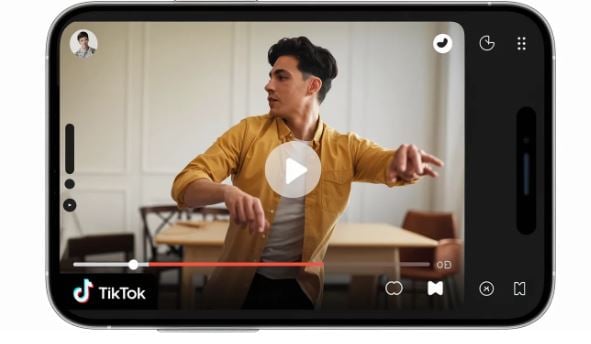
Video marketing involves using video content to inform your target audience about your brand, products, or services. This marketing strategy leverages video content to convey your message in a visually appealing, dynamic way, increasing brand awareness, driving lead generation, and boosting sales.
You can execute your video marketing strategy across platforms such as social media, email, websites, and webinars. You can also make a wide range of videos. It's also worth noting that video marketing goes beyond creating a video ad. It encompasses a range of video formats, including livestreams and testimonials.
Benefits of Video Marketing
Is video marketing worth incorporating into your social media strategy? If this is your question, there are several reasons to consider. These include:
Increased Engagement
Videos are an outstanding way of connecting with your new and existing customers alike. This marketing strategy is more effective than other formats, such as still photos, making it well-suited to driving audience engagement. Research shows that short video content can elicit emotional responses from audiences, spurring engagement. Short videos are, therefore, an important way to grab people's attention and increase website dwell time.
Higher SEO Ranking
Video marketing can improve your website's ranking, as YouTube, owned by Google, is the second-largest search engine. That means when you create videos that are well-optimized for search engines, you can appear in Google search results. Additionally, platforms that focus on video content, such as YouTube, are increasingly serving as search tools rather than social media platforms, with people using them to find information.
As noted earlier, video content encourages viewers to stay on your website longer, helping improve your SERP rankings. Videos are also ranked on the SERPs when embedded on your website, increasing traffic to your site.
Driving Conversion
We noted earlier that video content is usually more effective for driving interaction and engagement. When your target audience engages with your content, they begin to trust your brand. This is especially true when you include a call to action in your videos, using words such as "Buy Now" or "Click Here." When you add a CTA at the end of your video, you encourage viewers to take action, which can increase conversion rates.
Great Brand Recognition
Video content can help enhance your brand, with your brand name shaping how people perceive it. Video content has the power to engage people and stir emotions, making it perfect for branding. A brand refers to what sets your business apart from the competition. A strong brand will help you stand out and increase your sales.
Better User Experience
One reason consumers love video content is that it is usually easier to digest than long walls of text. Instead, they sit back and watch to ensure a seamless experience. For instance, you can use a product explainer video to highlight product features and explain how they work.
Types of Video Marketing Content
Video content can be highly versatile, with a range of formats. You can leverage a wide range of videos for your content marketing. These can include:
- Explainer videos. These consist of short instructional videos that explain a certain interesting product feature or point of interest. You can use educational or explainer videos to build credibility with consumers and ensure they receive valuable information.
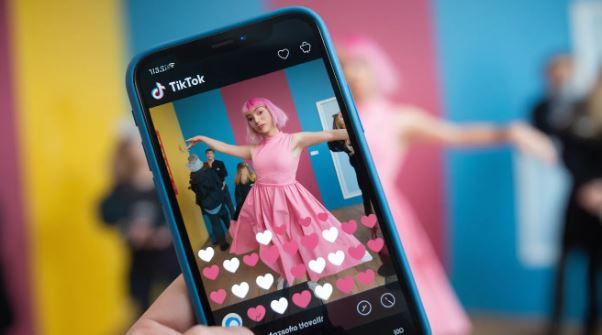
- Social media video. Short, engaging clips such as Facebook Stories, Instagram Reels, and TikTok videos. These video formats are a perfect choice for showcasing the informal side of the business and for providing quick product updates.
- Product demos. You can use demo videos to illustrate how your products work. The videos can feature a person using the product to illustrate how it works and its key features. These videos can be useful for brand building and building trust in your business.
- How-to videos. You can create how-to videos on basically anything, from DIY renovations to baking a cake to applying makeup. These videos are a good choice to increase your customers' trust and position yourself as a thought leader
- Customer testimonials. These are videos that feature real customers using the product or service. You can use them to showcase customer case studies, which builds trust and credibility and serves as social proof of the value customers derive from the product. You can read our guide on using customer testimonials to create compelling stories.
- Interviews. You can create videos featuring industry experts and senior staff members discussing industry developments. Again, these videos can be a great choice for establishing your credibility and authority as you offer important insights and show the faces behind your brand.
- Livestream. Most video content is pre-recorded and edited. You can stream live on Instagram, TikTok, and YouTube. We recommend using TikTok DMs to supercharge your livestreams.
- Event videos. If you have upcoming events, such as conferences or special occasions, you can use event videos to highlight them. These are a better choice for providing audiences with a short preview of the company culture, helping them connect on a personal level. These videos are also suitable for reaching people who missed the events, thereby generating more interest in the future.
- Animated videos. Graphics, animations, and illustrations can also help you convey a story or messages. You can use animated videos to make complex topics easier to digest. You can also use the videos to showcase entertaining content, explain your products or services, or show the processes involved.
- User-generated content (UGC). You can also leverage videos from your audience, such as testimonials, reviews, or product usage videos. These videos are particularly important for showing credibility and authenticity. You can encourage your real customers to share their experiences through highly relatable content that influences other potential customers. User-generated content can be a good choice for sharing authentic stories.
Steps to Follow in Video Marketing
When creating a video marketing strategy, there are several steps you need to follow. These are:
Determine Your Goals
A good video marketing strategy begins with determining what you want to achieve with the videos. This could be something like:
- Driving brand awareness.
- Increasing conversion
- Getting quality leads
- Audience education
Understanding your goal will help you align your video with it. Otherwise, without clear direction, your video content won't align with your broader marketing goals, resulting in missed opportunities and limited impact. Understanding your goal will also help you understand if you are meeting the goals of your videos.
You can categorize your video goals by the different stages of the sales funnel. This is important because customers at different stages of the sales funnel face distinct challenges, and video marketing can help address them. Let us look at the goals for each stage.
Top of Funnel (Building Awareness)
The objective at the top of the funnel is often to build brand awareness and enhance brand recognition. In this stage, buyers don't even know your brand exists or the products it offers. You can use video content to quickly and easily introduce your business to them in an engaging way on platforms like YouTube, TikTok, and LinkedIn. Some of the popular types of videos you can make in this stage of the buying journey include:
- Short-form brand videos
- Social media videos
- Thought leadership clips
You can track key metrics at this stage, including views, impressions, and social shares.
Mid-Funnel State (Consideration)
The goal in this stage of the buying journey is usually to educate your audience and build their trust. Your audience at this stage is already comparing options and seeking clarity. You can use video marketing to clarify your value proposition and address your audience's key questions, helping them move closer to making a decision. Some of the popular types of content to consider in this stage of the buying process are:
- Explainer videos
- Customer testimonials
- Product walkthroughs
You can also track different metrics in this stage, such as click-through rate, engagement rate, and watch time.
Bottom of the Sales Funnel (Decision Stage)
When your prospects are getting closer to making a deal, you want to provide them with content that builds trust, helps overcome any final objections, and boosts confidence to boost conversion. You can use video content to tailor your messaging to the different stages of the sales funnel. Video content can also help you address common issues, such as unclear messaging, low engagement, or a long sales cycle.
Some common types of videos to consider in this stage of the sales funnel can include:
- Case studies
- ROI driven content
- Personalized sales videos
You can track metrics at this stage of the sales funnel, such as sales-qualified leads, demo requests, and conversion rate.
Consider the Target Audience
Unless you know who your videos will reach, it will be hard to tailor your message to your audience's specific needs and preferences. Understanding your target audience will shape every aspect of the video production, from tone to messaging.
A buyer persona can provide important insights into who your ideal customers are. This will help you track key audience traits, including industry, job titles, stage of the buying process, and pain points. The easier it is to define your audience, the more effective your content creation will be.
After understanding your goals and target audience, set specific, measurable goals and define key performance indicators. These are the key metrics that demonstrate the success of your video marketing strategy: engagement, click-through rate, and conversion rate.
Understand the Problem Your Video Solves
Based on your audience insights and goals, determine the problem you are trying to solve with video marketing. This will determine the content type, format, and video platforms you will use. A good video marketing strategy should address the common problems your marketing team faces. Here are some common problems marketing teams face, along with the right videos to solve them.
Brand Awareness
When trying to showcase what sets them apart, many brands struggle. Traditional content may also struggle to increase brand recognition and capture attention. The good news is that brands can use various video formats to clearly and visually explain what sets their brand apart.
Since video content is easier to remember and share, it can be an effective tool for building brand awareness. Some great video content for brand awareness includes social media short-form videos, storytelling videos, and brand videos. You can read our guide on using Reddit to build brand awareness.
Lead Generation
At times, your brand may receive stray traffic, resulting in low conversion rates, or you might get low-quality leads. Video content in the form of product walkthroughs, testimonial videos, and explainer videos can help visitors to your site understand the value your videos offer. When you use these as gated content or as part of your lead-capturing forms, they can help you enhance your lead generation and, ultimately, your conversion rate.
Product Launches
If you are launching a new product, marketing it can be challenging, especially when it's complex or you are addressing an unfamiliar audience. Video content can simplify your message, show value, and create excitement. It can be a good choice for sharing on social media, via email, and on product pages to increase visibility and encourage early adoption.
Customer Engagement
If you realize that your website traffic isn't growing, your email open rate remains low, or your social media posts don't attract much attention, you can use video content to increase email CTR, website dwell time, and social media engagement. Some of the video content to consider for these goals includes:
- Thought leadership interviews
- Behind-the-scenes videos
- FAQs
- Interviews with key industry players
These types of video content are effective at driving engagement and resulting in repeat visits.
Conversion Rate
Let's assume you realize your prospects are already dropping off before they purchase, ask for a demo, or request a quotation. You can leverage different types of videos, such as customer testimonials, personalized sales pitches, and case studies, to address objections, increase trust, and build a sense of urgency. You can also add high-intent pages, such as contact and pricing pages, to increase your conversion rate.
Brand Education
If your product or service offering is complex, it can be hard for your customers to understand in writing, which can make them hesitant to make a buying decision. You can use B2B videos to help different stakeholders understand the solution before going forward. Some of the great video content for brand education includes product demos, tutorials, and how-to videos.
Video Planning and Writing
Now you already understand the type of video that will work for your goal and problem. The next step is to plan the actual video creation. Here are the steps to follow:
- Script outline. Start by creating an outline for your script that captures the key point you want to convey in the video. Ensure the content is logically organized for a smooth flow. Keep the video tone conversational, with no jargon or technical terms. Make sure you review and edit the script to keep it concise and clear by removing unnecessary words and repetition.
- Add a video hook. The first few seconds will determine whether your audience keeps watching the video. You can capture their attention with a compelling hook in the first few seconds, piquing viewers' interest and encouraging them to watch to the end.
- Add a Call to Action. You will need to determine the action you want your viewers to take after watching the video. The action could be something like visiting your website, making a purchase, or subscribing.
- Add individual directions. Visual guidance in the script can help show where your visuals, transitions, movement, and facial expressions occur. This can help your sales team understand the video's intended visual elements.
- Determine the length. The length of your video depends on where you plan to post it, as different platforms have different length limits. Ensure your video script aligns with the timeframe to increase viewer engagement.
- Practice and get feedback. Practice different ways of delivering the script and refining it as necessary. You can share the script with your colleagues to ensure that your message resonates with the target audience.
Video Shooting and Editing
Once you have planned the video and created a script, it's time to shoot. Here, you will need a good camera and proper lighting. You can use a tripod to stabilize your shots. Ensure the video background is clean and visually appealing, and don't use a backdrop that distracts viewers from the main content. Consider the video framing and use an angle that enhances your story.
After capturing the video footage, you can use video editing software to edit it with features like filters to enhance the video's appearance. Maintain consistency throughout the video by adjusting brightness, contrast, and color as needed and using transitions.
To enhance the accessibility, crawlability, and indexing of your videos, use closed captions, which are important for your video SEO. If you plan to share your video on YouTube or other social media platforms, add a high-quality thumbnail. This will help you attract attention to the video, increase clicks, and drive interest.
Add the Key Branding Elements
You want to ensure your video content aligns with your brand identity. To achieve this, include key branding elements, such as color schemes, logos, and taglines, to improve brand recognition and set your content apart in a crowded digital landscape. For an outstanding brand marketing strategy, you need a memorable, cohesive experience for your viewers so they can associate the video content they find with your brand.
Publishing and Promoting the Video
Before you publish your video, ensure the title and description are well-optimized for SEO. To do that, you will need to begin by selecting the right, highly relevant keywords. You should then add them to your title and descriptions. This will make it easier for your audience to find your content and to help search engines to better understand the videos.
Choose a platform to publish the video. This could be YouTube, TikTok, Instagram, Facebook, or even X. You can also share your videos via email marketing. After creating the video, take time to promote it on social media, in the newsletter, and in relevant communities.
Drive engagement to your video content by encouraging likes, shares, and comments. When your audience comments on your videos, respond to them to create a sense of community around the content. Track key performance metrics to identify which videos are performing well. The more videos you create and publish, the more user feedback you will receive, and the easier it will be for you to understand what your audience wants.
In Conclusion
Video content can be a great tool for driving brand awareness, engaging your consumers, and increasing conversion. You can use this video format to create a loyal following. However, if you don't do your video production well, it can be a turn-off for your viewers. After all, no one will have time to watch shaky or grainy videos. Therefore, use our detailed guidelines to create outstanding video content.
