#1 Social Media Marketplace
Accelerate Your Social Media Growth with SocialWick. Quickly gain real followers, viewers, likes & more with our blend of marketing tactics. SocialWick is known for its fast delivery, premium quality, and low prices. With over a million satisfied customers since 2017, trust SocialWick to take your social media game to the next level.
1.4 M
Customers
13 M
Orders
362 M
Followers sold
1.8 B
Likes sold
Pinterest Pins vs Static Pins and Which Gets More Clicks for Service Brands
Published on 10.12.2025 by Tracey Chizoba Fletcher
You know that moment when you scroll through Pinterest and one pin jumps out at you while another barely gets a glance? Service brands feel that difference in a big way.
Pinterest looks simple on the surface. You upload a visual, add a few keywords, then wait. But the gap between a pin that brings steady traffic plus one that fizzles out can feel huge. This is especially true when you are trying to grow a service-based business that depends on clicks, curiosity, and trust.
Pinterest keeps evolving, too. New pin formats roll in. The algorithm shifts. Competition grows as more creators realize Pinterest is a goldmine. So you might find yourself asking the same question I hear a lot: Should you lean on classic static pins or switch to newer, movement-based pins if you want more clicks?
Here is the honest answer. There is no single winner. Each type shines for different reasons, and each one appeals to users in its own way. Service brands also face a unique challenge. You are not showing off shiny products. You are selling ideas, support, plus solutions. So the pin format you choose becomes part of your strategy, not just your style.
I still remember the first time a simple static pin outperformed everything else on my board. It taught me that clarity could beat “fancy” any day. So in this guide, we will break down what works, why it works, and how you can decide which pin type will help you get those satisfying clicks flowing your way.
How Pinterest Reads Different Pin Styles
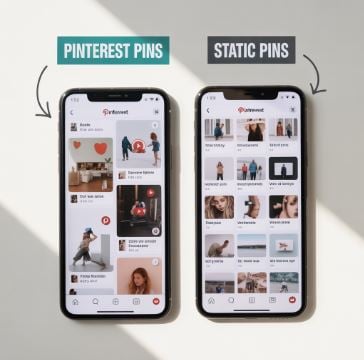
Pinterest acts like a visual detective. It looks at your image, text overlay, title, description, colors, and even tiny details in the design. Then, it decides who should see your pin first. Static pins depend on clear visuals and strong keywords. Movement-based pins get a small boost because new formats often catch more eyes.
You can see this when you post a motion pin. Someone pauses for half a second. That tiny pause signals interest and Pinterest notices. Then it tests the pin with more users. More visibility equals more chances for clicks.
Static pins can still win. They just rely more on quick understanding. You want viewers to know what they will get if they tap. No guessing. No confusion.
Pinterest pays close attention to early engagement, too, as Saves tell Pinterest your pin feels inspiring. Clicks tell Pinterest your pin feels helpful. Static pins often earn saves because they look pretty. Movement-based pins get clicks because they spark curiosity. Knowing this helps you choose the right format based on your goal. So, both styles matter. They simply perform differently.
Why Simple Static Pins Still Build Stronger Branding
Static pins are like your brand’s anchor. They feel steady and professional, and help people recognize you in a sea of endless scrolling. When your colors, fonts, and layouts stay consistent, users start spotting your brand without even trying.
Service brands benefit from this stability. People researching coaches, designers, or consultants want to feel confident. A clean static pin sends a calm message. It says your brand is organized and thoughtful. It also says the click is worth their time.
Clear messaging is the real hero here. When a static pin spells out what the user will find on the other side, your click-through rate rises. Think of something like “Free wellness planner template” or “Simple bookkeeping tips for beginners.” Straightforward. Honest. Easy to trust.
I once created a static pin with nothing but a bold title and a warm background. It outperformed a carefully animated version by a mile and reminded me that clarity often wins in service-based marketing. So do not count static pins out. They deliver results when you use them with intention.
Why Movement-Based Pins Catch Eyes Fast
Movement grabs attention. We are wired to notice anything that shifts or glows or changes shape. That is why animated pins and carousel-style designs stop scrollers faster than still images. Even a tiny flicker makes the brain pause.
For service brands, this gives you a playful advantage. You can break information into tiny frames. Maybe your headline appears first. Then a benefit. Then a call to action. It feels like a tiny ad without feeling “salesy,” and keeps your viewer watching for a moment longer.
But movement alone does not guarantee clicks. You have probably seen pins that look cool but do nothing. That usually happens when the animation distracts from the message. The viewer enjoys the motion, but they do not understand what they will get if they tap.
When motion supports the idea instead of overpowering it, it works beautifully. It signals energy and clarity. It sparks the “let me check this out” feeling that service brands love to see. So movement helps. You just want to use it for a purpose.
What Makes Users Tap Instead of Scroll Away
Pinterest works like a visual search engine. People come for solutions. They want clear answers or helpful ideas. When your pin matches what they want in that exact moment, they tap without hesitation.
Relevance plays a big role. Your headline should spell out the value, and not hint at it or dance around it. Just say what you offer. If a user sees that your pin solves their problem today, they are far more likely to tap.
Emotion matters too. Pinterest is full of dreams and plans. People want to feel inspired or supported. A pin that promises relief, progress, or clarity taps into that emotional spark. It nudges the user closer to clicking.
Trust takes time, but it grows with repetition. When your pins look consistent, people start to rely on your style. They know what to expect. Whether you use static or movement-based pins, that recognizable feel helps you earn more clicks in the long run.
I remember clicking on a pin once simply because I had liked the creator’s last three posts. That tiny bit of familiarity was enough to push me forward. The psychology behind clicks is simple. Make it relevant. Make it understandable. Make it trustworthy.
Why Service Brands Benefit From Clear Value Messaging
People come to Pinterest with a purpose. They want answers fast. You win more clicks when your message shows value right away. A clear headline beats a clever one almost every time. So think about what your reader wants most, then spell it out in simple language.
Service brands often forget this. They try to sound polished or impressive, which can backfire. You want to sound helpful instead. You want your viewer to understand what you offer within seconds. Picture someone planning a project with ten tabs open. Your pin should feel like the calm, obvious next step.
Static pins help with this because they hold still. They make space for direct wording. Movement-based pins can work too, as long as the animation supports the message instead of burying it. So choose the format that makes your point easier to grasp.
I once clicked on a pin simply because it said “Easy client onboarding steps.” No fluff. No confusion. Just value. Aim for that same feeling. So keep your message sharp. You will earn more taps that way.
How Your Brand Voice Shapes Click Behavior
Your visual design pulls people in. Your voice keeps them around. Voice is not just the words you choose. It is the feeling behind those words. You want that feeling to be warm, clear, and steady. People click when they sense a real human on the other side.
Pinterest users often skim. They move fast. A friendly tone slows them down just enough. When your pin headline mirrors the way you talk in real life, it feels safe and trustworthy. You make the user think: I like how this sounds. Let me see more.
This matters even more for service brands. You are selling support, guidance, or expertise. All of that relies on human connection. A simple, conversational voice makes your brand relatable. It builds small moments of trust.
I still remember tapping a pin because the headline felt like advice from a friend. That tiny voice match mattered. So shape your voice with care. Your audience will feel it.
Which Pin Format Works Better for Tutorials?
Tutorial-style content performs well on Pinterest. People love step-by-step help. So the question becomes simple: Should you use static pins or dynamic ones when you want to teach something?
Static pins win when your idea is clear and easy to show in one frame. Think of things like “How to write a better bio” or “Three quick steps to refresh your homepage.” The viewer sees the promise instantly. They tap because they want the full details.
Movement-based pins shine when the idea has layers. You can roll out each point as a new frame. It feels like a mini slideshow and is easier on the eyes. It also nudges the viewer to keep watching. That little bit of motion builds curiosity. Curiosity builds clicks.
I once used a slow fade-in animation on a tutorial pin. It doubled the view time, and that tiny pause made a big difference. So match the format to the complexity. Your tutorial will land better.
Why Seasonal Content Affects Pin Performance
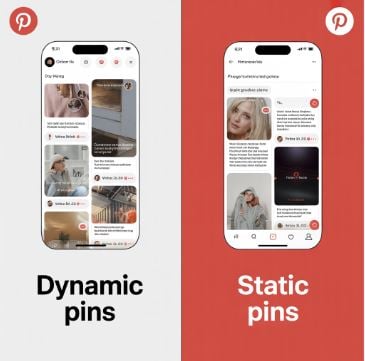
Pinterest loves seasonal trends. Users search for ideas tied to holidays, events, or big milestones. Service brands can take advantage of this by tailoring both static and movement-based pins to what people need right now.
Static pins work well for seasonal guides. They stay clean and are easy to understand. Think of something like “Simple tax prep tips for freelancers.” It fits the season. It fits the search.
Movement-based pins help when you want to show transformation. People love a before-and-after style. Motion makes that clearer. It also feels more personal. Like a story unfolding in a few seconds.
I once clicked on a seasonal pin simply because the falling leaves animation caught my eye. Silly, but it worked. So pay attention to the calendar. It makes your pins feel timely.
How Repetition Boosts Recognition and Clicks
People need to see your brand a few times before they trust it. That is normal. That is human. Repetition builds recognition. Recognition builds comfort. Comfort leads to clicks.
Static pins are perfect for this because they stay consistent. Same colors. Same typeface. Same vibe. You create a visual pattern that sticks in the viewer’s memory. When they see your next pin, they think, “Oh, it is that creator I liked.”
Movement-based pins also help when they follow that same pattern. A recurring animation style. A familiar transition. A predictable rhythm. These little cues make your brand feel cohesive.
I once found myself saving pins from the same designer for weeks without noticing at first. Their consistent style made it easy. So repeat what works. Your audience will respond.
Using Keywords to Boost Your Pins
Keywords are your secret weapon. They help Pinterest understand what your pins are about. When you add the right words to your pin titles and descriptions, more people see your content. Think about what your audience types into the search bar.
You do not need to cram in every possible term. Keep it natural. A title like “Easy Home Office Setup Ideas” works better than a long string of keywords. I once tried stuffing keywords, and my engagement dropped.
Descriptions matter too. Add a few words that explain the pin, plus a hint of personality. This helps people connect with your content. And don’t forget to sprinkle keywords in the board names.
Over time, Pinterest will start showing your pins to the right audience. Then you can tweak words based on what performs best. It is simple but effective.
Timing Your Pins for Maximum Clicks
Timing really matters. Most people on Pinterest browse at night or on weekends. Post when they’re around as it boosts your click odds.
Try various hours. A few companies shine after midnight, while some hit peak results at dawn. Monitor what fits your market. The results could shock you.
Take it slow with how often you post. Aim for solid results instead of rushing. A single smart move at the perfect moment works way better than a bunch of weak tries.
Try planning apps if that’s your thing, as they make sharing stuff way easier. When I’m knocked out, my pins drop automatically—still get traffic though.
Creating Pins That Tell a Story
Pins sharing a tale grab attention—like tiny journeys. Picture this: start with a struggle, then sneak in a fix. That kind of flow? Folks eat it up.
Looks matter a lot. Use bold shades or sharp pictures so words stand out. Ditch the mess. Let folks get it fast—just one look should do.
Mix up styles—try static posts with carousels to share ideas in fresh ways. I tested a before-and-after sequence; clicks went way up right away.
Try speaking like you normally do. Perhaps your tone pops up in picture descriptions or visuals because tales stick better than facts. That’s how people recall what they see.
Final Thoughts
Picking one over standard or static pins? It depends on what you’re aiming for. Simple designs work well enough. Carousels share more detail while pulling in extra clicks. Use a blend, try different styles regularly, and see how it lifts traffic.
Success isn’t instant—it's the steps you take every day. Pick words smartly so people actually notice. Share pins when folks are online, not asleep. Show real moments instead of staged shots. Tiny changes? They add up fast. Try new stuff without stressing about results. Have fun while doing it. Let your brand feel alive there!

Sign up for SocialWick
Login
InstagramYouTubeTikTokFacebookTwitchSpotifyTwitter (X)SoundCloudIGTVLinkedInThreadsWebsitePinterestVKApple MusicSEO
Checkout
OK

Information
Order processing usually starts within a few minutes, but some services may take a few hours or even a few days. We offer free refills for up to 90 days if needed. Our services are 100% secure and discreet, with a focus on gradual and safe delivery for your peace of mind.
Order processing usually starts within a few minutes, but some services may take a few hours or even a few days. We offer free refills for up to 90 days if needed. Our services are 100% secure and discreet, with a focus on gradual and safe delivery for your peace of mind.
Where should we send your order confirmation?
No account needed! We send your confirmation and tracking link here.
Secure checkout. We never share your email.
Have an account?•
Log in
Use your account to pay faster with your saved details.
Create account
Create an account to track all your orders in one place.
Service
+0,00
Voucher
-0.00
Total
+0.00
OK
Affiliate & Reseller Program
Customer Support
How may we help you?
General Support
Order Support
Frequently Asked Questions
1) What services do you offer?
We are a social media marketing company, and we offer a wide variety of services across several platforms that our clients can choose from. Once selected, we create a plan that fits your needs. We offer several types of services, such as followers, subscribers, likes, views, song plays, etc.
2) Is your service safe?
Yes, as we only sell real followers, likes, views, etc., and we hold every service to strict authenticity and quality standards. In order to protect your account, we deliver every order carefully and gradually. We closely monitor all our services. For more information, we strongly recommend reading our Terms of Service before you order.
3) Will I need to give you the passwords for my accounts?
No, you can keep your passwords to yourself because our services don’t need a password to influence your accounts. And if an email ever shows up claiming to be from us and asking for a password, it’s definitely not us, so please let us know right away.
4) Are the likes, followers, and subscribers real, or are they bots?
Unlike many other services, all our likes, followers, and views come from real accounts operated by real people. You won’t find bots, fake profiles, or hijacked accounts anywhere in what we deliver. Every order has to pass our strict authenticity standards, and we keep checking our quality to make sure it stays that way.
5) How fast can you deliver my order?
We will show you the estimated delivery time when choosing the service. However, this is only a rough estimate. In most cases, the services are delivered much faster. In some cases, it may take longer. We always aim for a natural and safe delivery!
6) What are your best-selling social media marketing services?
Although we have many services across most social media companies, our services for Instagram, TikTok, and YouTube are our best-selling options.
7) How do I know my account will not be flagged or banned?
We take safety very seriously. We never ask for your password, all followers, likes, and views come from real accounts, and orders are usually delivered gradually and naturally. What we can promise is careful delivery and strict quality standards. Plus a support team that’s there whenever you need us. We are not aware of a single case since 2017 where a customer got his profile banned.
8) What is the best method to communicate with you?
Do you have a question or run into a problem? Our customer support is available 24/7 for you. Just click Contact and you’ll land right on the support form. When you buy one of our services, we will email you to see if there were any problems. Your satisfaction is our main priority.
9) Are there discounts for large orders?
Yes! If you would like to request a large order that isn’t on our ordering layout, we will have no problems accommodating you. Just reach out through the support form and we’ll put together a buying plan that fits what you need.
10) What methods of payment do you accept?
We accept all forms of credit and debit cards, as well as Klarna, eps, PayPal, and Crypto.
11) If I am unsatisfied with your services, am I able to receive a refund?
Yes! Every purchase comes with a 30 day money-back guarantee. Not satisfied? Just contact our support within 30 days of your purchase and send us your order details and a short note on what went wrong, and we’ll take a look at your case. The full conditions are in our Refund Policy.
12) I haven’t received my order
Please make sure the following criteria are met before placing an order to make sure we can deliver it successfully.
- Your account is set to public
- You have typed in the correct username or link
- You have not changed your username before the order’s completion
- The post or account still exists and has not been deleted
- The post or account has not been restricted or removed in some countries
- Allow the estimated delivery time for completion of your order
For further assistance, please message our support team through the contact form.
13) How can I request a refill?
Just send us a refill request through the contact form. Please note that we can only provide you with a free refill within the first 90 days of your purchase.
Learn More
What is SocialWick?
We are the leading marketplace for social media promotion. You can buy followers, likes, views, subscribers, and a lot more for almost all social media networks. We offer affordable prices without making any compromises in terms of the service quality. We have a strict policy to only sell social media signals from real people. Part of our engagement, for example, comes from ad-based promotion where real users discover the content through ads. Bots, fake profiles, and hijacked accounts have no place in our services. Every delivery has to meet our authenticity standards, and we run regular quality checks, and anything that does not meet them is removed from our catalog. Our services are available for personal use, whether you want more Instagram likes, TikTok followers, YouTube views, or something else for your own profile.
With over a million satisfied customers, SocialWick is the go-to platform for all your social media needs. Our services are discreet and secure, with gradual and careful delivery to keep your social media accounts safe.
About SocialWick — The Market Leader since 2017
With more than 10 million orders, SocialWick is one of the world’s biggest social media stores. You can find everything on our website to improve your presence on major social media platforms like Instagram, TikTok, YouTube, Twitter (X), Facebook, etc. We offer different types of services for several social media platforms. Your wish is our command, and whatever your goal might be, SocialWick will help you achieve it. Whether you need more likes on your Instagram photos or want to make your LinkedIn profile more popular by getting additional followers, SocialWick is there to turn your goal into reality.
Thanks to our effective services and our customer-oriented work, SocialWick has become a top player. You will not find a better service anywhere else, especially not at such affordable prices. SocialWick is operating since 2017.
365 Days Per Year Customer Service
Your satisfaction is our motivation! We’re not here just for the money; we do our work to help people find their road to social media success. And that’s why our team will do all to make sure everything goes according to plan. If there’s something wrong with your social media campaign, or worry that there might be some problems with your account, or want to learn more about how our services work, feel free to reach out. Our service staff is there for you seven days a week, ready to answer any of your questions. You can get in touch with us using the contact form on our website.
Buying Followers and Likes is Essential
Unless you’re Kylie Jenner, you definitely need some help with social media. The more followers you have on Instagram, TikTok, Twitter (X), or YouTube, the more people will automatically notice you. Having all those eyes on your content isn’t just impressive, it’s genuinely fun. The bad news is that everyone wants to be famous these days, but only a few can succeed. The good news is that you can be the chosen one who will get social media fame and everything that comes with it. But, for that, you need a little help from your friends at SocialWick.
With our help, you will increase the number of followers on social media, which can have a domino effect and bring you even more new followers. Once people see that you got a big followership, they will decide to give you a follow. "If a profile has so many followers, it means that it’s interesting" – you can be sure this is going to be their reasoning. Furthermore, more followers mean more visibility for everything you post. Finally, a large number of followers also do great for your credibility. Our social media services will help you to create a better overall picture of your profile.
Let’s be honest; a profile with 30,000 followers looks much better than one with 74 followers. And that’s exactly what new visitors will pay attention to. A weak social media profile can be a real deal-breaker. At the same time, a fantastic social media profile can do wonders for you. And SocialWick can make your social media profile amazing!