Pinterest often feels like a calm corner of the internet. No loud drama. No frantic scrolling. Just clean visuals and endless ideas waiting for you to dive in. But beneath that calm surface sits a powerful search engine!
Pinterest Search Engine Optimization helps creators, bloggers, and businesses pull steady visits every day without chasing trends or posting nonstop. The magic is that Pinterest traffic grows slowly, then it keeps growing. Pins you made months ago can suddenly take off. A single board can send people to your site while you sleep. A small keyword change can shift your entire reach.
I learned this after one of my old pins resurfaced six months later. The referral spike shocked me. Pinterest remembered what I forgot!
So yes, Pinterest has its own rhythm—a slower, smarter one. An extremely loyal one. If you give the algorithm the signals it needs, it rewards you with long-term visibility. Quiet but strong.
Let us walk through the tactics that help Pinterest understand your content. The ones that boost your chances of landing in searches. The ones that help you gain steady visits without exhausting yourself!
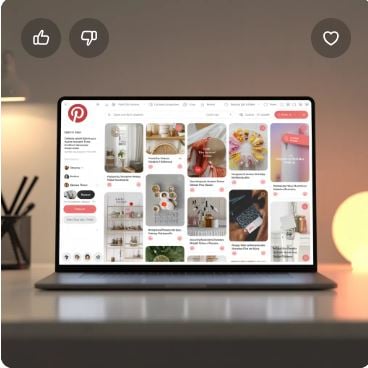
Keywords Tell Pinterest Exactly Where Your Content Belongs
Pinterest works like a search engine first. A social platform second. So the algorithm leans heavily on keywords to understand what your content means. Keywords tell Pinterest, "This pin is about this idea." Clear. Simple. Direct.
When you use the right keywords in your titles, descriptions, and text overlays, Pinterest places your pins inside the correct search pools. People come to Pinterest with intent. They search for things like "healthy lunch ideas," "bathroom makeover tips," or "bullet journal inspiration." When your keywords match those searches, your pins rise.
Keyword research on Pinterest feels natural because it happens right in the search bar. Start typing and watch the suggested phrases show up. Those phrases reveal what people want. They are like little signposts pointing toward high-demand topics.
I remember testing this once with a "small desk setup" pin. I added long-tail keywords like "small home office for apartments." My impressions doubled in a week. Pinterest understood the niche and pushed my pin into a smaller but eager crowd.
Keywords act like gentle nudges. They show Pinterest where to place you!
Fresh Pins Keep Your Content in the Algorithm's Line of Sight
Pinterest loves fresh content. But "fresh" does not mean brand-new ideas. It means new images, new graphics, or new angles tied to the same idea.
When you upload fresh pins regularly, you signal to Pinterest that you are active. You show the platform that you have something new to add to the search ecosystem!
This does not require constant pressure. You can repurpose old blog posts. Turn one idea into multiple pins. Change colors. Change the title style. Create new text overlays. Think of each fresh pin as a new doorway leading to the same room.
The Pinterest algorithm rewards this behavior. It pushes fresh pins higher in the feed and tests them faster. It exposes them to users who search your niche. This creates a cycle of slow, steady traffic that grows over time.
I once took an old tutorial post and made five pin variations. Different fonts. Different photos. Different angles. One of those pins took off out of nowhere. That single variation drove more traffic than the original content.
Fresh pins keep your work alive. They help the platform keep noticing you!
Rich Pins Add Context That Boosts Your Credibility
Rich Pins are enhanced pins that pull extra information from your website. They help Pinterest understand your content faster and give users more clarity when they see your pin in the feed. This added context builds trust, which boosts clicks.
There are three main types of Rich Pins:
- Article Rich Pins pull the title plus the description.
- Recipe Rich Pins pull ingredients and steps.
- Product Rich Pins pull pricing and availability.
Rich Pins tell Pinterest your content is real, verified, and consistent. That trust helps the algorithm treat your site as a reliable source, so your pins have a better chance of ranking inside search results.
I set up Article Rich Pins once for a blog. My impressions jumped almost immediately. The pins looked cleaner, carried more information, and built confidence before the user even clicked.
Rich Pins work like name tags. They tell Pinterest exactly who you are!
Board Titles and Descriptions Act Like Mini SEO Boosters
Boards are not just folders. They are SEO signals. Pinterest uses your board titles and descriptions to understand how all your pins connect. When your boards are labelled clearly, Pinterest can categorize your content more accurately.
A board named "Home Office Ideas" performs better than "My Faves." A board named "Easy Weeknight Dinners" performs better than "Food Stuff." Clear names help Pinterest match your pins with searches people already make. The platform loves clarity.
Descriptions add another layer. When you write simple keyword-rich board descriptions, you help Pinterest map your content into topic clusters. This improves where your pins appear inside search results and related feeds.
I cleaned up my boards once, renamed them, and added fresh descriptions. Within two weeks, my older pins started getting traffic again. The board cleanup helped Pinterest understand my entire profile.
Boards guide Pinterest's understanding. They help your pins find the right homes!
Pin Designs Signal Quality and Boost Engagement
Pinterest is visual first. The algorithm pays close attention to how your pins look. Clean, bright designs help Pinterest understand that your content is high quality. This matters because Pinterest wants to show users content that feels helpful, clear, and easy on the eyes.
A strong design does not need to be fancy. Simple layouts with readable text often perform best. Warm colors can pull attention. Clear fonts help people scan the idea fast. Consistent branding helps users recognize your style before they even click the pin.
When people stop their scroll because your design catches their eye, Pinterest sees that as a positive signal. It reads it as engagement, then it pushes your pin a little farther. That is how steady visits start—one tiny spark at a time.
I created two pins once for the same blog post. The only difference was the design. One pin used a cluttered layout. The other used a clean, simple template. The clean one won instantly. More clicks. More saves. More impressions. Same content. Different presentations.
Design guides attention. Attention guides traffic!
Saves Tell Pinterest Your Pin Has Long-Term Value
Pinterest treats saves like gold. A save tells the algorithm that someone wants to come back to your idea later. That one action signals value. It tells Pinterest, "This pin helped me. Keep it around."
Pins with high save rates often outrank pins with more views. Saves matter because they show intention. People do not save things they do not care about, so when a pin earns saves quickly, Pinterest lifts it. It places the pin in more searches. It appears in "More Like This" and spreads into new boards.
This creates a slow but powerful ripple effect. Saves help your pins grow for months. Sometimes years. A single save can lead to a second save. Then a third. Then a small chain of discovery.
I saw this with a simple room décor pin. It never blew up. It never looked viral. But it earned steady saves every day. Those saves kept the pin alive long after the post date. It became one of my quiet top performers.
Saves tell Pinterest your content matters. They help your traffic grow on autopilot!
Pin Descriptions Reinforce Your Keywords and Boost Search Ranking
Pin descriptions often get ignored, but they hold power, as Pinterest reads them closely. They help the algorithm understand the purpose behind the pin and give users a quick glimpse of the value they will get if they click.
A good description uses natural keywords. Not forced ones. Not stuffed ones. Simple words that match how people actually search.
Pinterest Search Engine Optimization thrives on clear language. Describe the idea. Mention the benefit. Keep it conversational. Then let the keywords slide in naturally.
Pinterest also pulls parts of your descriptions into search snippets. That means strong descriptions help your pin stand out in crowded results. They give you a clean edge over pins with empty or vague descriptions.
I updated descriptions on a set of old pins once. Nothing dramatic. Just clearer language. My impressions jumped the following week. Pinterest understood the content better and rewarded the clarity.
Descriptions act like tiny explanations. They make the meaning of your content easy to understand!
Consistent Activity Keeps Your Pins Moving in the Algorithm
Pinterest rewards creators who show steady activity and not intense bursts. Just consistent motion. This could mean pinning a few times a week. Uploading fresh designs regularly. Updating boards. Saving helpful pins from others. Pinterest likes to see you treat the platform like a living workspace instead of a dusty archive.
Consistency tells Pinterest you care. It tells the algorithm that your content will stay relevant. It also helps your pins enter more search cycles. When you stay active, Pinterest tests your content more often. It gives your pins new chances to find the right users.
The activity does not need to be heavy. Even light, steady energy works. I once switched from posting once a month to posting twice a week. That small shift changed everything. My impressions and clicks grew, and my older pins even resurfaced.
Consistency keeps your content warm. Warm content moves farther!
Conclusion – Pinterest SEO Works Slowly, Quietly, and Powerfully
Pinterest is not loud. It does not demand daily posts. It does not punish slow weeks. It works on a different rhythm. A slower one. A steady one. A rhythm built around search, clarity, and long-term value.
When you use keywords wisely, Pinterest finds your audience for you. When you create fresh pins, you stay in the algorithm's sightline. When you design your pins with care, people stop and click. When users save your ideas, your content rises quietly over time. When you stay consistent, Pinterest keeps your account active in its search system.
All these small signals stack, one by one. They build a traffic stream that grows with patience instead of pressure. You do not need to chase trends or go viral. You just need to give Pinterest the clues it needs!
If you lean into these simple tactics, your visits will grow quietly in the background. Then they stay, compound, and turn into steady momentum you can rely on!
