When conducting social media performance analysis, one of the most important steps is to check your analytics. By analyzing your social media analytics data, you can plan more effectively. This is because it provides important insights into effective marketing strategies, audience behaviors, and engagement patterns.
Therefore, social media analytics data can be a valuable tool for improving customer engagement and growing your business. In this blog, we look at why social media analytics matter for your business and how you can leverage them.
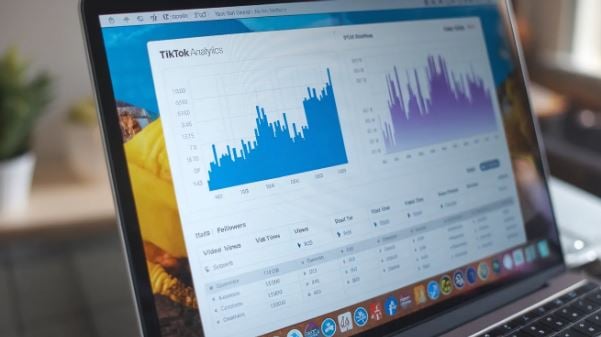
What is Social Media Analytics?
Social media analytics is the process of collecting, measuring, and analyzing data from various social media platforms to generate key business insights. It is, therefore, an important data-driven method that can help you answer important questions such as:
- Is your content driving engagement?
- What posts are driving the most sales or traffic?
- What are the customers' thoughts about your brand?
Social media data analytics isn't limited to your brand. It also involves competitors' analysis and benchmarking to uncover their strategies, tools, and trends. For instance, you might find that your competitors have some well-performing posts. You can dive into your own analytics to determine the reasons for the performance and adjust your strategy accordingly.
Therefore, social media analytics involves using data from platforms such as Facebook, Instagram, LinkedIn, and TikTok to generate actionable insights that help you refine and optimize your strategy, whether in content creation or audience targeting.
How Your Business Can Benefit From Social Media Analytics
Businesses can use social media analytics in different ways, such as:
- Tracking your business performance. Social media analytics will provide insights into whether your social media strategy is working. You can do that by tracking metrics such as social media sentiment, reach, engagement, impressions, and conversion rate.
- Solve the business user case. Social media analytics is more than analyzing numbers. It can help you solve common business challenges by uncovering consumer insights. Through analytics, you can view customer conversions and their feedback in real-time, helping you understand customer needs, uncover trends, and predict future needs. It can also help you optimize your campaign to get insights into what is working and what isn't. When you track brand mentions and sentiments, you can identify and address negative buzz, such as spikes in complaints.
Metrics to Pay Attention to in Social Media Analytics
To grow your brand, pay attention to the following social media analytics metrics:
Engagement Metrics
Engagement metrics refer to the interaction levels, and these can include:
- Likes, comments, and shares.
- CTR (Click-through rate).
- Engagement rate. This metric measures the percentage of your followers who interact with your content relative to your total follower count.
Content Performance and Reach
You can track the performance of your content by paying attention to:
- Video watch time and views. A good metric to measure the retention rate and engagement of your video.
- Hashtag performance. It enables you to track the most effective hashtags for maximum visibility. This is important as hashtag performance has a great impact on your TikTok account.
- Impression vs. reach. This is a good metric to show how many times your content is displayed to unique viewers.
Follower Demographics and Growth
Some of the metrics to track under the follower growth include:
- New versus returning followers. It will provide important insights into your audience retention.
- Best posting time. You can optimize your posting schedule to ensure your posts reach the widest possible audience.
- Audience demographics. It can provide insights into your followers' locations, genders, ages, and interests.
ROI and Conversion Metrics
Pay attention to:
- Traffic from social media referral. It will show you the number of visitors coming from your social media pages.
- CPC and ROI. A good metric for tracking the efficiency of your ad spend.
- Lead generation and conversion. A metric for tracking downloads, purchases, and sign-ups.
How to Use Social Media Analytics for Growth
Now that you understand the most important metrics to track for your analytics, how do you leverage these metrics? Here are several ways:
Identify Your Top-Performing Content
- Identify which of your posts are getting the most engagement and apply the same strategy to your future posts.
- Optimize visual captions, hashtags, and elements for better results.
- Compare different content formats using A/B testing.
Audience Targeting and Personalization
- Segment your audience depending on their interest and demographics.
- Create personalized content for each user group.
- Gain deeper insights into your audience using AI-driven analytics.
Postings Schedule Frequency Optimization
- Use historical data analytics to identify the hours when your audience is most engaged.
- Use tools such as Sprout Social and Buffer to schedule your posts in advance.
- Increase visibility through consistent posting.

Competitor Analysis Strategies
The AI competitor analysis data can also provide insights into your audience by:
- Checking the content strategies and engagement rates of your competitors.
- Analyze emerging industry discussions and trending topics.
- Adjust your marketing methods to remain ahead of the competition.
Ad Campaign Performance
You can also use the analytics data to:
- Expand the reach of your ads to drive engagement and conversions.
- Check the audience interest and behaviors to refine your targeting.
- Check the campaigns with the best performance to allocate higher budgets to them.
Top Social Media Analytics Trends to Watch
For the best results in your future social media analytics, pay attention to the following:
Make Smarter Decisions Using AI
Like other fields, AI has also transformed social media analytics by enabling faster, more accurate processing and easier understanding. You can leverage AI-powered data insights to identify patterns, such as which posts drive the highest engagement and which times of day have the highest activity.
To prepare for this, you need to invest in AI tools that improve recommendations in response to changing user behavior. You can also use A/B testing to better refine your content strategy.
Future Predictive Analytics
Predictive analytics will provide insights into what is working, especially when it's combined with historical data. It can help you predict and forecast, so you can better understand your audience's expectations. The tools analyze seasonal trends, audience behavior, and engagement patterns to predict future outcomes.
If this data indicates that video content is the best-performing content on Black Friday, you can use this data to plan for more video content in future Black Friday sales. Therefore, the tool can help you identify trends and any changes in the audience's behavior. You can then use these insights in your campaign planning to adapt more quickly to changing market conditions.
Use of Real-Time Data Analysis
Real-time data analytics means you don't have to wait to assess your social media campaign's performance, as you can get up-to-the-minute insights to adjust your strategy in real-time. The tools will provide insights into metrics such as click-through rate, engagement, and impressions. You can, therefore, set up real-time tracking for your campaign performance.
Final Thoughts
Social media analytics is a handy tool that can provide insights into the performance of your campaign and your competitors'. By leveraging this data, you can understand what is working and what isn't, and pivot your campaign accordingly. If you are just getting started with social media analytics, the steps above will provide important insights.
