One of the technological evolutions that has transformed how customers interact with products before buying is virtual try-ons. Whether you are buying a pair of shoes, a jersey, or a shade of lipstick, you are no longer limited to imagining how the product will look on you. Instead, you can see how you will look in the product. This can be a key part of your interactive content strategy.
However, the success of the virtual try-on is more than just the convenience or entertainment. It affects buyers psychologically, leading to benefits such as higher conversion rates, fewer returns, and deeper customer engagement. In this article, we look at how to use it in your interactive content strategy to increase conversion.
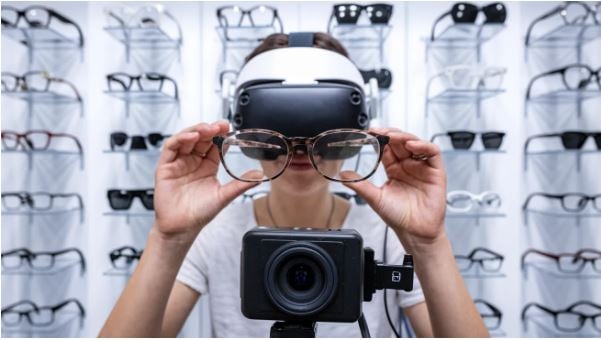
How Visualization Impacts Decision Making
Humans are inherently visual beings. According to research by Social Science Research, 65% of people are visual learners and process information better when it's presented visually rather than in text. In e-commerce, this means adding an interactive virtual try-on can greatly increase conversion rates, especially when combined with virtual influencers and AI-powered avatars.
Instead of shoppers having to guess whether that pair of shoes will suit them in your TikTok shop, virtual try-ons (VTO) enable them to visualize how theft will look. This removes the element of uncertainty and provides them with more confidence in converting. According to a Harvard Business Review report, one of the best ways to encourage conversion is to reduce uncertainty. This is exactly what virtual try-ons do, making them an effective tool for conversion.
How Visual Try-ons Help to Increase Conversion
Here are some ways virtual try-on can increase conversion:
A Fresh Boost of Confidence
According to a McKinsey 2023 study, 71% of consumers are looking for personalized experiences from companies. If this doesn't happen, 76% of them feel frustrated. That means VTO enables brands to meet these expectations by ensuring that personalization is more visual and accessible.
For shoppers on the fence, wondering if an online product will look good on them, the virtual try-ons eliminate these doubts. This can be beneficial, as a major hindrance to purchasing fashion or beauty accessories online is the fear of making a bad choice. These industries often have some of the highest abandonment rates and deferred purchase rates.
You can use virtual try-on to combat this challenge by:
- Offering instant feedback. Customers using virtual try-ons can see how they will look when spotting the product in different lighting and angles.
- Personalized experience. Many virtual try-on tools can adapt visuals based on size, face shape, and skin tone. That results in a tailored experience that is quite reassuring.
Add an Element of Social Proof
As social creators, humans often make decisions influenced by others. This is another area that virtual try-on amplifies, as it allows users to share their looks with their friends on the social media platform. This is not only a fun dynamic but also about validation. According to a 2022 Meta social commerce study, 58% of online customers are likely to purchase a product if they have the opportunity to share it with others.
When people try on a fashion piece and are pleased with how they look, they are likely to share the look with others. This can increase the brand's reach and provide users with the social proof needed to make a buying decision.
A Sense of Owning Before Buying
One reason people buy a product is that they imagine themselves owning it before they buy it, as they value it when they start to see themselves owning it. This is referred to as the endowment effect. This is the cognitive bias that VTO leverages, as it provides customers with a sense of ownership before they can buy. When they try on lipstick or a pair of sunglasses, they subconsciously feel they own the product. This increases the chances of conversion.
An example of a brand that does this well is Victoria Beckham, which offers virtual try-on on its online store. According to the brand, providing a highly immersive experience adds an element of ownership and exclusivity, increasing conversion and engagement.
Lower Number of Returns
As noted earlier, when making online purchases, people are often discouraged because they are unaware of how the product will look on them. This often leads to a high return rate, which can be expensive for both shoppers and brands. A 2023 National Retail Federation study found that 16.5% of total U.S. retail sales were returned.
The good news is that VTO helps address this challenge. When customers are allowed to try on products virtually before buying, this can minimize returns, as they can get a clearer picture of how the product will look on them. That means their level of dissatisfaction upon delivery is reduced.
Adds an Element of Fun
In addition to the actuarial benefits, VTOs add an element of fun and engagement to the shopping experience. It makes the shopping experience less transactional and more experiential. Having such a level of emotional connection can increase brand loyalty and lead to repeat purchases.
If a site has an immersive VTO experience, it can retain users longer and increase upselling and cross-selling opportunities. For instance, if a user is pleased with the result of a lipstick, they can choose to add a matching eyeshadow when prompted.
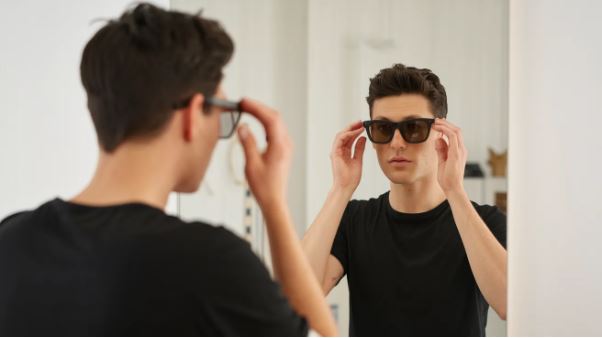
A Look at the Future of Virtual Try-ons
With the continued evolution of AI and AR technologies, we are likely to see VTO become more personalized, realistic, and accessible across a wider range of devices. In the future, we are likely to see improved facial mapping, adaptation to different skin tones, and AI-powered recommendations. These shifts will cause VTO to move from the novelty to the standard expectations in your online shopping.
By investing in optimized virtual try-ons, brands can position themselves for long-term e-commerce success.
In Conclusion
There is no doubt that virtual try-ons have revolutionized online shopping by adding a visual, emotional, and social connection to the experience. It can increase shoppers' confidence, reduce uncertainty, and ensure a more enjoyable shopping experience. In addition, it can reduce return rates, boost conversion rates, and retain customers.
