Pinned Articles
» TikTok could be banned after midterm elections
» TikTok could be banned after midterm elections
» How to Build a Monthly Social Media Growth Plan
» A Detailed Guide to Keyword Research for YouTube in 2026
» How to Set Realistic Social Media Growth Goals
» Call to Action Strategies That Convert
» How to Attract Ideal Clients with Instagram Content Pillars
» The Complete Social Media Marketing Strategy For Businesses
» How to Contact Instagram Customer Service to Get a Response
» Creating Scroll Stopping Instagram Content
» How to Convert Facebook Reel Views into Page Followers
» How to Use Instagram Carousel for Storytelling
» Why Original Facebook Reels Receive Better Distribution
» How to Build Authority in Your Instagram Niche
» How to Make a Facebook Poll That Will Get People Voting
» How to Repurpose Videos for Facebook Reels Properly
» Why Instagram Stories Are Key for Growth
» The Best Facebook Reel Length for More Views
» Creating an Instagram Content Strategy That Works in 2026
» How to Drive Social Media Conversion in 2026
» How to Create Facebook Reels That Hold Viewer Attention
» How in App Checkout Shortens the Customer Buying Journey
» How to Get More Views on Facebook Reels
» Instagram Shopping Strategies for Creators and Brands
» How to Rebuild Engagement on an Inactive Facebook Page
» Influencer Marketing at Different Stages of the Sales Funnel
» How Frequently Should a Facebook Page Publish Content
» TikTok Shop Optimization for Higher Sales in 2026
» What Should Businesses Post on Facebook in 2026
» Social Commerce Tips and Trends for 2026
» How to Optimize a Facebook Page for Better Discovery
» How to Optimize Carousel Posts for Maximum Saves
» Instagram Carousel vs Reels and Which Should You Prioritize in 2026
» How to Get Your First 1000 Facebook Page Followers
» A Guide to Writing Search Friendly Instagram Captions
» How to Grow Your Facebook Page in 2026
» How to Build an Algorithm Proof Instagram Strategy
» How To Promote Your Account Without Spending Money
» Social Media is Dead and Interest Media is Here
» How To Turn Profile Visitors into Loyal Followers
» Understanding Major Shifts in Instagram Algorithms in 2026
» How to Use Collaborations to Gain Followers Organically
» Retargeting Strategies for Social Media
» How Strategic Commenting Can Grow Your Audience
» Social Media Lead Generation Trends in 2026
» Using Social Proof to Increase Conversion
» How To Attract Followers Through Valuable Content
» How to Turn Followers into Customers
» How To Gain More Followers Without Paid Advertising
» Analyzing YouTube Average View Duration and Why It Matters
» Common Mistakes That Prevent New Accounts From Growing
» Turning Views to Sales with Social Media Sales Funnel
» How Often Should a New Social Media Account Post
» How to Track and Increase YouTube Watch Hours
» The Best Types of Content For New Accounts
» How to Measure YouTube Channel Success Accurately
» How to Choose the Right Niche For Fast Social Media Growth
» A Look at YouTube Click Through Rate Data and How to Increase It
» How to Get Your First 1000 Social Media Followers
» Understanding Traffic Source in YouTube Analytics
» How To Grow Your Social Media Following From Zero
» How to Attract and Create a Highly Engaging Sponsored Post
» How to Build a Successful Business as a Digital Creator
» How to Interpret YouTube Analytics Data Like a Pro
» Platforms That Pay Creators the Most in 2026
» How to Build a Loyal Social Media Fanbase
» Choosing the Right Creator Monetization Method
» How to Find a Good Creator Niche
» Top Myths and Mistakes That Kill a Personal Brand
» Creator Economy 2026 and How to Build a Profitable Audience
» Steps to Build and Define a Personal Brand Tone
» How to Position Yourself as an Authority on Social Media
» How to Build Trust and Credibility Online
» Using Personal Branding as a Social Media Growth Hack in 2026
» Content Ideas That Work For YouTube Shorts
» Understanding the Best Posting Frequency for YouTube Shorts
» How to Convert Short Viewers into Subscribers
» Best Short Length and Formats for Virality
» How the YouTube Shorts Algorithm Works in 2026
» Fastest Way to Scale With YouTube Shorts Growth Strategy
» What It Actually Takes to Earn a Salary as a Social Media Content Creator
» How to Launch and Promote Your TikTok Shop
» Using TikTok Analytics to Improve Your Marketing
» How Small Businesses Can Leverage TikTok for Growth
» A Comparison Between TikTok Ads vs Organic Strategy
» How Brands Are Winning on TikTok Right Now
» Reels Editing Styles That Boost Engagement
» TikTok Content Strategy for Businesses in 2026
» How Often to Post Reels For Fast Growth
» Trending Audio Strategy for Instagram Growth
» Best Reels Length and Format for Maximum Reach
» Creating a Reel Hook That Instantly Grabs Attention
» Instagram Reel Strategy to Go Viral in 2026
» Social Media Growth Hacks That Still Work in 2026
» A Guide to Social Media Collaborations for Organic Growth
» Social Media Community Building for Long Term Growth
» Top Engagement Tactics to Boost Your Reach
» How to Grow A Social Media Account With Content Only
» How to Pitch and Get Noticed By Brands on YouTube
» Choosing Between Long Term Influencer Partnerships vs One Off Deals
» A Guide to Product Seeding for YouTube Influencers
» AI and Human Creativity in Social Media for Brands
» How to Optimize a YouTube Channel to Attract Sponsors
» How to Create a Highly Converting YouTube Media Kit
» A Detailed Guide to Organic Social Media Growth Without Ads
» Creating an Influencer Marketing Template That Works
» A Review of the Top Influencer Marketing Platforms for 2026
» The A to Z of Finding and Negotiating YouTube Brand Deals
» How to Become a Social Media Influencer in 2026
» Building More Visibility With Social Media Cross Brand Marketing
» Best Short Video Ideas to Go Viral
» Choosing Between Nano and Micro and Macro Influencers
» Best Tools For Short Form Video Editing
» Key Trends Driving Influencer Marketing in 2026
» Understanding the Dos and Donts of Creating Short Form Videos
» Top Editing Techniques That Increase Retention
» A Guide for Creating Scroll Stopping and Addictive Short Form Videos
» How to Make Money on YouTube Shorts
» A Detailed Guide on Dominating Shortform Videos
» AI Brand Guidelines for Better Prompts and Results
» AI Script Writing Tips for Viral Videos
» How to Use AI for Social Media Management
» Best Practices For Using AI For Maximum Impact
» Best AI Tools for Video Creation
» Best Niches for a YouTube Channel in 2026
» YouTube Retention Hacks to Increase Watch Time
» Thumbnail and Title CTR Optimization Guide
» The Ultimate Guide to Promoting a YouTube Channel and Videos
» How to Rank YouTube Videos on Google Search
» AI Content Creation For Social Media with a Full Guide for 2026
» How to Make Your YouTube Shorts Go Viral
» Combining Long Form and Short Videos for YouTube Growth in 2026
» How to Monetize Instagram Without Sponsorship
» How to Build an Engaged Instagram Community
» How to Start a YouTube Gaming Channel in 2026
» Creating an Instagram Hashtag Strategy That Works in 2026
» How the Instagram Reels Algorithm Works in 2026
» Best AI Tools for Instagram Content Creation
» How to Fix TikTok Video Not Showing Up Issue
» Instagram Marketing Strategies for Small Businesses in 2026
» How to Make Your TikTok Account Public
» How Much Money Does TikTok Pay for 1 Million Views
» How Creators Use Threads for Thought Leadership
» How Snapchat Lenses Increase Brand Awareness
» How TikTok Creators Use Short Clips to Drive Real Sales
» A Guide to Snapchat Advertising
» A Complete Guide to Snapchat Geofilters for Local Marketing
» How to Get 1 Million Views on TikTok
» How to Make a Playlist on TikTok
» TikTok Begins Using Invisible Watermarks on AI Clips
» How to Get Your TikTok Profile URL
» How to Create Outstanding Snapchat Stories
» How to Get More Friends on Snapchat Organically
» Snapchat Marketing Strategies for Business Growth
» Landing Page Content Strategies That Drive Sales
» Building Ethical AI Models and Why Transparency Matters in 2026
» How to Create Highly Converting Bottom of Funnel Content
» Mid Funnel Content Marketing Tactics That Work
» How to Revive a Slow Facebook Page With Consistent Targeted Updates
» Creating Brand Awareness Content That Builds Trust
» Lead Magnet Ideas for the Different Stages of the Buying Journey
» How to Get Sponsored on YouTube
» Meta Adds New Content Protection Tool for Reels
» A Guide to Personal Branding for Influencers
» Creating Content for the Different Stages of the Buying Journey
» How Advanced Audience Segmentation Transforms Multi Platform Campaigns
» How to Choose the Right Social Media Fonts
» Creating Brand Guidelines for Social Media Marketing
» Why YouTube Session Level Metrics Matter More Than Views in 2026
» How to Get Your YouTube Channel URL
» How to Ensure a Consistent Look on Social Media
» The Psychology of Color in Social Media Marketing
» How to Hit 10K TikTok Followers in 7 Days
» Leveraging the Keyword Golden Ratio to Rank Fast
» How Many Views Are Considered Viral on TikTok
» How to Use TikTok Live Sessions to Push Regular Video Views
» How to Get Verified on YouTube in 2026
» Mastering Social Media Branding in 2026
» How to Find and Fix Keyword Cannibalization
» A Guide to Writing SEO Optimized Articles in 2026
» How Threads Fits Into Meta Larger Platform Plans
» Top 5 Best Keyword Research Tools
» How to Use Google Trends for Keyword Research
» How to Blow Up on TikTok With These Tips
» YouTube Renames Its Repetitious Content Policy
» How to Drive Traffic to Your Site Using Quora
» The A to Z of Keyword Research for SEO in 2026
» An Insider Look at How TikTok Interest Graph Actually Builds Audience
» Importance of Building Authority on Online Forums
» Ways to Drive Traffic to Your Site From Reddit
» How to Get More YouTube Community Poll Votes
» How to Get 10 000 Followers on TikTok
» Best Practices for Using Discussion Forums
» Steps in Creating a Popular Online Community Forum
» Essential Tips for Eye Catching YouTube Thumbnails
» How Influencers Decide Which Brand Offers They Say Yes To
» Why is My YouTube Watch Time Not Increasing Even With More Views
» Creative Ways to Repurpose Your White Papers
» Best Tools for Repurposing Content
» Leveraging Community Forum Marketing to Grow Your Brand
» How to Repurpose Content for Pinterest
» How to Build Trust on Social Media Without Spending Money
» How to Turn Blog Posts Into a Carousel
» Repurposing Videos for Maximum Visibility on Social Media
» Meta Alerts Creators When Reels Are Reposted
» A 101 Guide to Repurposing Social Media Content
» Tips for Managing Multiple Social Media Accounts
» Creating a Social Media Posting Schedule
» How LinkedIn Dwell Time Metric Quietly Shapes the Feed
» How to Batch Create Social Media Content
» Setting up a Social Media Content Approval Workflow
» How Creators Use Social Media to Build Crowdfunding Momentum
» How Many Likes on TikTok Do You Need to Go Viral
» The Reason Behind the Rising Popularity of Live Videos
» Productivity Hacks for Social Media Marketers
» TikTok Pulse Ads and What Small Businesses Should Know
» Improve Your Efficiency with a Social Media Workflow Plan
» Video Marketing Trends to Watch in 2026
» How to Turn a Viral TikTok into a Long Term Audience Growth
» How to Optimize Videos for Social Media Platforms
» Using Video SEO to Rank Videos on Google
» How Travel and Lifestyle Brands Use Threads and Instagram Stories
» A Beginner Guide to Facebook B2B Advertising
» Best Practices for Video Marketing in 2026
» Tips for a Successful B2B Marketing on X
» Creating a B2B Content Marketing Strategy
» A Guide to B2B Social Selling
» Harnessing the Power of Video Content Marketing
» Hyper Personalized Email in a Privacy First World
» Finding Social Media Trends for Better Outcomes
» How to Use YouTube for B2B Marketing
» How Privacy Laws Are Reshaping Tracking and Social Ad Targeting
» How to Audit Your Social Media Content
» How to Increase the Number of Social Shares
» What Happens When a Brand Mixes Organic and Paid TikTok Content
» Leveraging Social Media Analytics to Grow Your Channel
» Creating a B2B Social Media Marketing Strategy in 2026
» Inside the Data Pipelines Behind Major Social Media Trend Forecasting
» The Rise of Virtual Try ons for Increasing Conversion
» How to Set and Exceed Your Social Media Goals
» YouTube Thumbnail Choices That Influence Clickthrough Rates
» A Detailed Guide to Social Media Performance Analysis
» How an Interactive Website Enhances User Experience
» Benefits of Using Quizzes in Your Interactive Content Marketing
» 5 Steps LinkedIn DM Strategy to Grow Your Business
» Leveraging Contests to Boost Your Brand on Social Media
» The Approach Agencies Use to Scale Instagram Campaigns
» Instagram DM Marketing Tactics That Work in 2026
» How Interactive Calculators Can Drive Conversion
» How Hybrid Teams Use LinkedIn and Discord to Build Culture
» How Micro Influencers Can Use DMs to Drive Engagement
» How to Leverage TikTok DMs to Supercharge Your Livestream
» Creating an Interactive Content Strategy in 2026
» Where Reels and Shorts and TikTok Stand Now with Short Form Video in 2026
» Proven Way to Increase Mobile Page Speed
» Leveraging Facebook Messenger for Community Management
» Finding Your Writing Style on Threads with Short or Long Posts
» A Guide to Mobile Optimization for Ecommerce Sites
» Steps in a Mobile SEO Audit
» How Mobile SEO Differs From Desktop
» The Future of Live Podcasts and Remote Recording
» How Instagram Monetizes Content from Creators
» How Businesses Use QR Codes in Social Media Marketing
» How to Use DM Marketing to Boost Engagement
» Creating a Mobile First and Trend Setting Site in 2026
» The Integration of Social Media with Mobile Marketing
» What Happens When Your TikTok Account Suddenly Stops Growing
» AI Search Wars with Google and ChatGpt and the Future of Discovery
» Meta Adds Tools to Stop Unauthorized Reel Reposts
» How to Use Push Notifications to Deliver Timely and Relevant Marketing Messages
» Top Mobile Marketing Analytics to Track
» LinkedIn Posting Habits That Get Professional Attention
» A Detailed Guide to App Store Optimization
» How to Create a Facebook Posting Routine That Keeps Engagement Stable
» A Detailed Guide to Mobile SEO in 2026
» VK Marketing Basics for Brands Targeting Eastern European Audiences
» Reddit vs Quora for Community Engagement
» Pinterest SEO Tactics That Quietly Generate Steady Visits
» How to Master and Leverage Quora Space
» The Psychology Behind Why People Follow Brands on Instagram
» Tips to Make Your Quora Answers Go Viral
» How to Build Natural Backlinks from Quora Without Spamming
» AI Driven Social Listening and Spotting New Topics Early
» How to Repurpose Podcast Clips for YouTube Shorts and TikTok
» How to Use Quora to Improve SEO
» How many followers on Instagram to get paid
» Actionable Tips to Get More Google Reviews
» Meta Rolls Out Dubbing for Reels in More Languages
» Top Content Ideas for Your Google Business Profile Posts
» How to Schedule Your Google Business Profile Post
» Top SEO Tips for Your Google Business Profile
» Community First Growth and Why Some Small Pages Build Stronger Fans
» How to Increase Traffic to Your Google Business Profile
» Top Tips to Gain More Views on Reddit
» TikTok Introduces Slider to Control AI Content
» Creating an Outstanding Mobile Marketing Campaign
» A Guide to Using Quora for Online Visibility
» Using Reddit Ads to Reach a Highly Targeted Audience
» How to Create a Podcast Trailer That Converts New Listeners
» Social Listening on Reddit for Market Research
» The Essential Roadmap to Lauching Your First TikTok Marketing Strategy
» Leveraging Google Business Profile to Grow Your Brand
» How to Keep an Audience Engaged During TikTok Clips
» How Reddit SEO Can Improve Your SERP Ranking
» How to Build Brand Awareness on Reddit
» How Creators Use Post Class Clustering to Build Stronger TikTok Niches
» How to Do Keyword Clustering Based on Search Intent
» New TikTok Features Marketers Should Watch This Quarter
» How to Build Brand Authority So Users Search for You Directly
» Social Listening Trends and How Marketers Spot Micro Viral Moments
» A Guide to Using High Intent Keywords to Boost Conversion
» Facebook Ads Fatigue and Spotting the Signs Before Performance Crashes
» Creating an Outstanding Reddit Marketing Strategy
» How a Search Intent Mismatch Hurts Your Ranking
» How to Build Content Funnels Using Intent Mapping
» Using User Generated Content to tell Authentic Stories
» How to Use Customer Testimonials to Create Compelling Stories
» Understanding Search Intent to Boost Your SEO Ranking
» LinkedIn Profile Tweaks That Attract Recruiters and Clients
» Why Does TikTok Keep Showing Me The Same Type of Content
» How to Turn One Podcast Episode Into a Week of Social Content
» The Next Wave of Social Commerce Features on Instagram and TikTok
» How Do I Improve My TikTok Profile So More People Follow Me
» Podcast Branding and How to Build a Memorable Audio Identity
» TikTok Lets Users Reduce AI Videos in Their Feed
» How to Use Storytelling to Convert Customers
» Key Elements of Storytelling on Instagram
» How to Build a Brand Narrative That Audiences Connect With
» How to Use X Space for Community Building in 2026
» How to Use X Analytics to Improve Your Campaign
» How to Unlock the Power of X Threads
» Engage and Inspire Through Social Media Storytelling
» Are Hashtags Dead in 2026
» Top Tips for Increasing Engagement on X
» Using Branded GIFs to Make Your Brand Stand Out
» How to Use GIFs to Improve Your Instagram Stories
» Decoding the New X Algorithm to Stay Visible in 2026
» Threads for Customer Support and Can It Replace Email for Simple Issues
» Mastering LinkedIn Newsletters for Steady Professional Visibility
» Why Is My Facebook Ad Not Bringing Any Results
» How to Use GIFs to Revolutionize Facebook Ads
» How to Integrate Animated GIFs in Email Marketing
» How to Promote a YouTube Channel in 2025
» How to Create Scroll Stopping YouTube Thumbnails
» The Dos and Donts of Using GIFs in Social Media Marketing
» Do Influencers Still Need Daily Posting to Stay Relevant
» How Micro Influencers Create High Conversion Content
» TikTok Shop Rapid Growth and What It Means for Small Brands
» How Journalists and Creators Use X to Follow News in Real Time
» Social Media Trend Reports with What They Get Right and What They Miss
» Pinterest Pins vs Static Pins and Which Gets More Clicks for Service Brands
» Threads Ads and Monetization and What Creators Should Expect
» How to Write Attention Grabbing YouTube Descriptions
» The Ultimate Guide to Using GIFs for Social Media Marketing
» How to Find Low Competition Keywords for YouTube Channels
» How to Hook Your Viewers with a YouTube Channel Trailer
» A Guide to Product Listing Optimization on Facebook Marketplace
» Simple Tips to Buy and Sell on Facebook Marketplaces
» Leveraging YouTube SEO to Drive Video Views in 2025
» How to Convert Inquiries into Sales in Facebook Marketplace
» How to Boost Your Ad on Facebook Marketplace
» How to Use Threads Analytics to Refine Your Marketing Strategy
» How to Write Product Descriptions That Sell on Facebook Marketplace
» Ideas to Post on Threads to Grow Your Account
» How to Build a Personal Brand Voice on Threads
» A Guide to Selling Like a Pro on Facebook Marketplace in 2025
» Choosing Between Threads and X for Social Media Marketing
» Understand the Instagram Threads Algorithm and Optimizing for the Same
» A Guide to Tracking AI Share of Voice
» Understanding SEO Share of Voice and How to Measure It
» How Influencer Marketing Affects Share of Voice
» Creating a MetaThreads Marketing Strategy That Works in 2025
» How to Turn Share of Voice into a Bigger Share of Market
» Top 7 Best Tools to Measure Share of Voice
» Proven Tips to Boost Your Live Selling
» The Ultimate Guide to TikTok Live Shopping
» The Role of Influencers in Shaping Live Shopping
» How to Launch a Product Using TikTok Teasers and Live Shopping
» YouTube Launches New Likeness Detection Tool
» How Brands Can Leverage Threads to Offer Real Time Customer Service
» How Gamification in Live Shopping Can Drive Conversion
» The Role of AI Avatars in Customer Experience and Support
» The Ultimate Guide to YouTube Live Shopping
» The Rise of Micro Communities and How Brands Can Participate
» YouTube Rolls Out Voluntary Leave Package for US Workforce
» Understanding the Share of Voice on Social Media
» TikTok to Debut Its First Official US Awards Show
» Web3 and Content Marketing and What is Relevant Now
» How to Appear in ChatGPT Answers
» Rise of Digital Collectibles with NFTs on Social Media
» How Effective is AI Generated Content for SEO
» Leveraging LinkedIn Video Posts for Corporate Storytelling
» Instagram Introduces Reels Watch History Feature
» Staying Ahead in SERPS with AI Competitor Analysis
» Building a Converting Live Social Shopping Strategy in 2025
» How to master TikTok in Q4 of 2025
» How Google AI Overview Impacts SEO Strategies
» How AI is Revolutionizing Keyword Research and Search Intent Analysis
» Top 5 Best Social Media Monitoring Tools
» How to Use Media Intelligence to Drive Growth
» Using Facebook Reels to Drive Traffic to Your Shopify Store
» Understanding Buzz Monitoring on Social Media
» Creating a Multi Platform Strategy for Music Monetization
» Leveraging Generative Engine Optimization to Appear in AI Search Results
» How Media Monitoring Can Help in Business Development
» How Social Media Monitoring Improves Influencer Marketing
» Hosting a LinkedIn Audio Event with a Step by Step Guide From Our Experts
» Tips for Personalizing Digital Marketing Campaigns
» Scheduling Tweets with AI and Best Tools and Strategies
» How to Build Social Media Buyer Personas
» How to Use Pinterest Trends to Guide Your Content Strategy
» Using TikTok Sounds and Music Strategically to Boost Engagement
» The A to Z of Creating a Social Media Monitoring Strategy
» Building a Facebook Funnel for Lead Generation in the Coaching Industry
» Tips for Extracting Actionable Insights from Social Media Market Research
» How Blockchain is Impacting Social Media Transparency
» How to Include Surveys in Your Social Media Strategy
» How AI Avatars are Changing Influencer Marketing
» Using Social Sentiment Analysis to Refine Campaigns
» Top Podcast Platforms in 2025 and How to Get Featured
» Turn Followers into Personas with Social Media Audience Segmentation
» LinkedIn Premium in 2025 and is it Worth it for Job Seekers
» How to Track and Analyze Brand Mentions Across Social Media
» Twitter Spaces Monetization and How to Set up Paid Rooms
» Decoding Your Followers Through Social Media Audience Analysis
» 2025 Social Media Trends and What Platforms Are Winning
» A Complete Guide to Tracking Hashtag Analytics
» How to Use AI for Social Media Data Analysis
» How to Perform a Social Media Competitor Analysis
» TikTok Trends Calendar 2025 and What is Coming Next
» How to Increase Your CTR Without Using Clickbait
» The A to Z of Social Media Market Research
» How to Use Ethical Clickbait That Does Not Mislead Your Audience
» X Premium Analytics and What Do You Gain From the Upgrade
» Why Clickbait May Harm Your Social Media Marketing
» TikTok Creator Fund 2025 with New Rules and Best Practices
» Why the Use of Clickbait is Slowing Down
» Snapchat Plus and What are the Exclusive Tools for Brands
» The Psychology Behind the Successful Use of Clickbait
» How to Schedule Pins with Tailwind for Consistent Visibility
» Are Social Backlinks Worth Your Time
» TikTok Duets and Stitches and Best Practices for Creative Collaborations
» How to Optimize Your Brand for Social Media Search
» LinkedIn for Nonprofits and How to Attract Donors and Volunteers in 2025
» Should You Be Using Clickbait for Social Media Marketing in 2025
» TikTok Search Function as a Google Alternative and What Marketers Should Know
» An Expert Guide to Keyword Research for Social Media Content
» How to Use Snapchat for Micro Content Series
» Can Social Media Impact Your SEO Ranking
» Using LinkedIn Search Filters to Find High Quality B2B Leads
» The Role of Social Media Mentions for SEO
» Is it safe to buy TikTok followers in 2025 August
» The Ultimate Guide to White Label SEO Services
» Emerging Trends in White Label Social Media Marketing
» How to Run Pinterest Challenge Campaigns That Grow Followers
» Leveraging Social Media SEO in 2025 for Maximum Visibility
» Snapchat Creator Marketplace and Connecting with Influencers
» Common White Label Social Media Marketing Mistakes to Avoid
» Leveraging LinkedIn Polls to Understand Your Professional Audience
» How to Boost Your Brand with White Label Content Marketing
» Creating a Twitter Content Calendar Helps for Consistent Engagement
» How to Handle Social Media Crisis from White Labelling
» How to Use Influencer Endorsement for Your Social Proof
» Leveraging Expert Endorsement in Social Media Marketing
» How to Grow Your Brand with White Label Social Media Marketing
» Maximizing Your Threads Profile to Reflect Your Brand Voice
» Using User Generated Content as a Scalable Social Proof
» Tips for Showcasing Reviews and Testimonials on Social Media
» AI Tools That Enhance Your LinkedIn Content Creation
» How to Use Social Proof to Encourage Conversion
» What are the Best Email Segmentation Strategies for Ecommerce
» The Unseen Impact of Story Highlights on Brand Visibility
» First Click vs Last Click Attribution in the Era of Dark Traffic
» Building a TikTok Calendar That Aligns with Your Brand
» Creating an Outstanding Dark Social Campaign Strategy
» Why it is More Important Than Ever to Build Social Proof on Social Media
» Beyond the Dashboard and Tips for Tracking Unseen Social Shares
» Pinterest for Coaches and Using Visual Content to Attract Ideal Clients
» Creating Thought Leadership Content Using Instagram Threads
» Vanity Metrics vs Actionable Metrics and Why Your Social Metrics Are Lying to You
» How to Use LinkedIn Events to Grow Your Reach
» An Ultimate Guide to Instagram Reel Analytics
» How to Use X Bookmark Feature to Drive Repeat Traffic to Your Posts
» Everything You Need To Know To Start Selling on TikTok Shop
» Top Ideas for Using Reels to Build Your Brand
» How To Find Trending Sounds on TikTok
» Creating Seasonal Content for Pinterest and Planning for Q4 2025
» Best Practices for Sharing Product Announcements on Threads
» Best Practices in Reposting Short Video Content on TikTok and Instagram and YouTube
» Understanding TikTok Live Gifting Monetization and Tools for Creators
» How To Go Viral on TikTok
» Dark Social and the Invisible Sharing Economy
» Building a High Performing LinkedIn Newsletter
» Leveraging Instagram Shoppable Stickers to Boost Sales and Build Loyalty
» How to use TikTok properly with competition
» Writing Effective Reengagement Emails That Win Back Customers
» How Gen Z and Millenials Have Transformed Employee Advocacy
» How to Turn Your Employees into Thought Leaders
» Building Trust in a Saturated Market Through Thought Leadership
» Low video quality after upload on YouTube
» How to Navigate a Dwindling Consumer Attention Span
» TikTok vs Reels vs Shorts and Which is Best for Driving Engagement in 2025
» How to schedule video publish time on YouTube
» What Can Go Wrong with the Risks of Poorly Managed Employee Advocacy
» Measuring the ROI of Employee Advocacy
» LinkedIn as a Secret Weapon for B2B Employee Advocacy
» Common upload errors for YouTube content creators
» How Viral Trend Hopping Can Kill Your Brand Identity
» The Visibility Roadblock and Why It is Too Hard to Go Viral
» How to add tags to your YouTube videos
» Employee Advocacy and the Untapped Goldmine for Brand Growth
» Virality or Evergreen and Which is Better for Long Term Content Strategy
» The Dark Side of Going Viral
» Hooks That Hit with the Initial 3 Seconds Can Make or Break You
» Short Attention Spans and How Virality Devalues Longform Meaningful Content
» How Subscription Based Access is Replacing Traditional Coaching
» Building Trust in Affiliate Marketing That Does Not Feel Sleazy
» Short Term Fame vs Long Term Results and Why Going Viral is not a Social Media Strategy
» How to schedule video publish time on YouTube
» Digital Products for Influencers to Sell from Ebooks to AI Tools
» How to Go Corporate without Selling Out by Licensing Your Content and Name
» Paid Communities on Patreon and Private Clubs and How to Make Money on Patreon
» How Showcasing Mistakes Can Skyrocket Loyalty
» The Business of Influencing with Monetization Models Beyond Sponsorship
» The Rise of Unpolished Personal Brands on LinkedIn and IG
» How to Tell Personal Stories Without Oversharing
» Behind the Scene Content that Builds Trust
» Why Vulnerability is the New Value Proposition
» Brand Storytelling with a Guide for Creating a Compelling Narrative
» How to Build a Founder Led Content Strategy
» Why you must start YouTube content creation
» Why the Future of Influencer Marketing is B2B
» YouTube community guideline for better videos
» How to Increase Your Snapchat Score Quickly
» Strategies for Building an Inclusive Approach in Influencer Marketing
» Building an Influencer Agency Around Your Brand and Not Just Your Audience
» Why Brands Are Hiring Influencers to Run Their Campaigns
» How to create advertiser friendly content on YouTube
» Founder Led Marketing and the Future of Digital Services
» How to moderate comments on YouTube
» Authentic Over Polished Content and Why Raw Content Wins
» Viral Psychology on What Makes Content Shareable in Today Feed
» How to add end screens to YouTube videos
» Remix Culture on Duets and Stitches to Drive Mass Engagement
» How to test YouTube thumbnails and find the winners
» TikTok SEO as the New Front Page of Gen Z
» How add video thumbnails on YouTube
» Mastering Pinterest Analytics as a Guide for Marketers
» Going Viral Organically and What Works in 2025
» How to add cards to YouTube videos
» Understanding Facebook Insights with a Comprehensive Guide
» How to Leverage LinkedIn Groups for Industry Networking
» How to Participate in Twitter Chats to Grow Your Network
» Effective Pinterest Marketing Tactics for Small Businesses
» How to manage spams in YouTube comments
» How do I get YouTube comments
» How do you turn comments on YouTube
» How to Get Featured on the TikTok For You Page with Tips and Tricks
» Creating Engaging Snapchat Lenses to Attract Followers
» Love in the Metaverse and How VR and AR are Reshaping Online Dating
» Where we can buy YouTube comments
» Maximizing Engagement and How to Use Popular Hashtags on Threads Effectively
» The Impact of Dating App Fatigue and Why Some Are Ditching the Swipe Culture
» Are Digital Only Romances the Future
» Understanding the Threads Algorithm with Tips to Enhance Your Content Reach
» From Tinder to TikTok on How Social Media is Influencing Modern Dating Trends
» The Importance of Snapchat Streaks and How to Maintain Them
» The Rise of AI Powered Matchmaking and Can Algorithms Help Find True Love
» TikTok Trends to Leverage in 2025
» The Role of AR Filters in Boosting Engagement and Brand Awareness
» Leveraging Pinterest Ads for Business Growth
» Will Digital Worlds Replace Human Interactions in the Future of VR Socializing
» Are Virtual Influencers and AI Powered Avatars Threats to Real Creators
» Best Practices for Crafting Engaging Twitter Threads
» Will Augmented Reality Shopping Replace Physical Stores
» Engaging Younger Audiences with Snapchat Features to Watch in 2025
» How Meta Vision for the Metaverse is Changing Social Media
» Networking in 2025 and Utilizing LinkedIn Latest Features for Career Growth
» The Metaverse Influence on Fashion and if Digital Fashion is the Future
» Sustainable Fashion vs Fast Fashion and Which Side is Winning Online
» The Role of Influencers in Luxury Brands Collaborations
» LinkedIn Business Analysis Foundations and Business Process Modeling
» Virtual Fashion Shows and Digital Clothings and the Next Big Thing
» How TikTok and Instagram are Changing the Luxury Fashion Market
» Future Regulations on How Countries are Enforcing Data Privacy Regulations
» The Rise of Decentralized Privacy Focused Social Networks
» A New Frontier for Private Sharing on Threads by Instagram
» Governments vs Big Tech and Who Controls Your Data
» The Debate Over Digital IDs and Biometric Verifications for Social Media
» The Evolution of Online Dating and How Social Media is Redefining Romance
» How Social Media Companies Track Users Without Their Knowledge
» Will AI Replace Human Content Creators in the Next Decade
» DeepFake Misinformation and How Platforms Are Fighting AI Fueled Lies
» The Future of AI Powered Virtual Assistants on Social Media
» How Brands Are Using AI Avatars in Digital Marketing
» Ecommerce Integration and How Pinterest is Shaping Online Shopping Trends
» DeepFake Influencers and the Ethics and Risks of AI Powered Personas
» How to access TikTok Shop
» Using LinkedIn Learning to Advance Your Career Skills
» The Future of Voice Search and Its Role on Social Media
» Are AI Generated Voices a Threat to Human Led Podcasting
» Will Remote Work Become the Global Standard
» The Next Frontier of Virtual and Augmented Reality in Social Media
» Use Twitter Lists to Organize Your Feed Efficiently
» Best Practices for Facebook Video Marketing in 2025
» Real Time Engagement to Maximize Your Reach on X in 2025
» Brands Leveraging Audio Content for Deeper Engagement
» LinkedIn Video Integration on How to Enhance Your Professional Presence
» How Social Media Audio Platforms Like ClubHouse and Twitter Spaces Are Evolving
» The Growth of Podcasting and If It Is Still a Profitable Medium
» Effective Facebook Advertising Strategies for Small Businesses
» The Intersection of Fashion with Luxury and Social Media in 2025
» Networking on Threads App
» Overcoming Loneliness and Burnout as a Digital Nomad
» TikTok Marketing Strategies for Engaging Gen Z with Authentic Content
» The Role of AI in Managing Remote Work and Productivity
» Top Countries Welcoming Remote Workers With Special Visas
» How TikTok and Instagram Are Driving the Digital Nomad Movement
» The Dark Side of Social Media and the Rising Concern Over Data Privacy and Surveillance
» New Players in the Social Media Space and Who is Gaining Traction
» Is the Future of Facebook in Reinvention or Decline
» Is X Still Relevant in the Current Social Media Landscape
» YouTube LongForm vs Shorts and What Works Better
» Understanding Twitter Analytics to Optimize Your Tweets
» How to Grow Your LinkedIn Network Effectively
» Will AI Generated Memes Take Over
» The Impact of AI Generated Avatars and DeepFakes on Social Media
» Case Studies of Brands That Nailed Meme Marketing
» The Risks and Rewards of Meme Based Marketing
» The Psychology Behind Viral Memes and Why They Resonate
» How Brands Are Using Memes to Connect With Gen Z
» X New Video Tab and What It Means For Content Creators and Brands
» The Resurgence of Audio Content and Are Podcasts and Voice Apps Making a Comeback
» Adapting to TikTok Uncertainties with Alternative Plaforms
» The Impact of AI on Content Monetization
» Fan Driven Monetization and Direct Support
» Navigating Brand Deals and What Influencers Need to Know in 2025
» Community Building on Facebook and Strategies for Engaging Niche Audiences
» The Rise of Exclusive Content and How Platforms are Rewarding Creators
» Subscription Model vs Ad Revenue and What is More Sustainable For Creators
» How to Use Threads For Close Knit Communities
» Pinterest Visual Search and Leveraging AI for Better User Experience
» The Digital Nomad Lifestyle and How Social Media Fuels Remote Work Trends
» Future Outlook With Balancing Connectivity and Well Being in the Digital Age
» The Battle Between Social Media Giants and Who Will Dominate in 2025
» The Role of Parental Guidance in Managing Children Social Media Use
» Digital Detox with the Benefits and Challenges of Taking a Break From Social Media
» Initiatives By Platforms to Promote a Healthier Online Environment
» Email Marketing For Small Businesses
» How LinkedIn Helps Business Process Improvement
» The Impact of Authenticity on Influencer Partnerships
» The Correlation Between Social Media Use and Anxiety Among Teens
» Navigating Legal and Ethical Considerations in Influencer Marketing
» Measuring ROI in Influencer Marketing Campaigns
» The Evolution of Meme Culture and Its Influence on Digital Marketing
» The Rise of Virtual Influencers as a Passing Trend or the Future
» Micro Influencers vs Macro Influencers and Which is More Effective
» The Future of the Creator Economy and Monetization Trends in 2025
» Social Media Role in Political Campaigns and Elections
» How to change birthday information on TikTok
» Snapchat AR Innovations and How Brands Can Create Immersive Experiences
» Balancing Free Speech and Content Moderation on Social Media
» How to pin a comment on TikTok in 2025
» How to block a TikTok account with few simple steps
» Facebook Shift in 2025 and What Brands Need to Know About Policy Changes
» The Influence of Viral Hashtags on Raising Public Awareness
» How Social Media Platforms are Addressing Fake News
» Learn how to see profile views on TikTok with this trick
» TikTok User Generated Content
» How to change your name on TikTok
» How to tell if someone blocked you on TikTok
» The Spread of Misinformation on Social Media and Its Challenges and Solutions
» Case Studies of Social Media Movements That Sparked Global Change
» How to use TikTok emojis this year
» How Does Twitter Monetization Work
» Best strategy on how to get TikTok followers
» The Growing Concern Over Mental Health and Social Media Usage
» How to get 1k followers on TikTok in few minutes
» Strategies to Adapt to the Changing Social Media Algorithms
» How many likes on TikTok to get paid done easy
» How to Optimize Pinterest Pins
» The Ethical Implications of the Algorithm Driven Content Creation
» How many views to get paid on TikTok
» How the TikTok For You Page Algorithm Catapults Content to Virality
» How to make a playlist on TikTok with few clicks
» The Role of Engagement Metrics in Facebook Content Prioritization
» Decoding Instagram Algorithm and Tips for Maximizing Reach
» How to reset TikTok FYP after new algorithm update
» Experts tutorial on how to hide reposts on TikTok
» The Evolution of Influencer Marketing in 2025
» Email Marketing for Ecommerce
» How to get monetized on TikTok in 2025
» Future Trends and the Evolution of Social Commerce in the Next Decade
» Analyzing Consumer Behavior and Why Shoppers are Turning to Social Platforms
» How to search on TikTok in 2025
» How to edit TikTok videos without being a Pro
» The Role of Influencers in Driving Social Commerce Sales
» Strategies for Brands to Leverage Social Commerce More Effectively
» How TikTok is Revolutionizing the Online Shopping Experience
» How to unblock someone on TikTok
» The Role of Social Media in Shaping Public Opinion
» How long does TikTok Shop take to deliver
» How Brands Can Engage with Niche Communities without Intruding
» From Public Feeds to Private Groups and the Changing Landscape of Social Interaction
» How to get unshadowbanned on TikTok after few tweaks
» The Impact of Social Media Algorithm on Content Visibility
» How to delete collections on TikTok with few simple clicks
» The Integration of Social Commerce in Digital Marketing
» How to see who viewed your TikTok with few clicks
» Implications of Private Communities on Data Privacy and Security
» The Rise of Cozy Web and Why Users Prefer Smaller Intimate Online Spaces
» The Role of Messaging Apps in Facilitating Private Social Interactions
» How to change name on TikTok in 2025
» The Shift Toward Private and Niche Online Communities
» Build a Strong LinkedIn Profile to Attract Recruiters
» How to add link to TikTok bio with this simple strategy
» How to delete repost on TikTok in 2025
» How to make a slideshow on Instagram with these simple steps
» Strategies for Effective Twitter Advertising Campaigns
» How to turn off professional account on Instagram in 2025
» How to see who you requested to follow on Instagram
» The Importance of LinkedIn Recommendations and How to Get Them
» The Role of Facebook Messenger in Customer Service
» How to save a draft on Instagram in 2025
» The Impact of Content Marketing and Brand Trust on Customer Loyalty
» LinkedIn SSI Score to Improve Your Social Selling Index
» How to do layout on Instagram story on any platform
» Using Twitter Advanced Search for Market Research
» How to share someones post on Instagram story in 2025
» Facebook Messenger Bots for Customer Service
» How to reset your Instagram algorithm on any platform
» How to tell if someone deactivated their Instagram or blocked you in 2025
» Pinterest Collaborative Boards for Influencer Partnerships
» How to do a giveaway on Instagram properly in 2025
» Snapchat Lens Studio for Designing Custom AR Experiences
» How to hide followers and following on Instagram from other users
» Creating LinkedIn Showcase Pages for Sub Brands
» How to pin a post on instagram in 2025
» Twitter Analytics for Measuring Tweet Performance
» How to view old stories on Instagram App
» Facebook Lookalike Audiences to Expand Your Reach
» How to delete instagram post in the newest instagram update
» Advanced TikTok Hashtag Strategies for Niche Markets
» Organize Audiences with Twitter Lists
» How to See Old Stories on Instagram in 2025
» Facebook Live Tips for Successful Streaming
» Use TikTok Analytics to Understand Your Audience
» Optimize Pinterest Boards for Better SEO
» How to make a collage on instagram story with ease
» Get Featured on Snapchat Spotlight
» Publish Long Form Content with LinkedIn Articles
» How to turn off active status on instagram
» Twitter Polls to Engage and Gather Follower Feedback
» How to like a note on instagram new update
» Build a Community with Facebook Groups
» Pinterest Rich Pins to Enhance Your Pin Performance
» How to delete Instagram search when typing in a search bar
» How to unread and unsee messages on Instagram this year
» Create SnapChat Geofilters for Local Marketing
» Advanced Targeting with LinkedIn Ads
» Twitter Moments to Curate Content Your Way
» Facebook Instant Articles for Faster Content Delivery
» TikTok Duets as Strategies for User Engagement
» Pinterest Idea Pins to Engage with Creative Content
» Set Up Facebook Pixel to Track Conversions
» How to create a broadcast channel on Instagram in 2025
» Hide or unhide likes on Instagram posts and IG REELS
» Crisis Management to Protect Your Brand Online
» How to make a highlight on Instagram in 2025
» Navigate Social Media Policies with Ease
» Use Analytics for Data Driven Strategies
» Can I repost story on Instagram when I am not tagged on it
» How to add gifs on Instagram comments 2025 edition
» Tips to recover deleted messages on Instagram
» How to add music to Instagram post for better engagement
» What does TikTok user not found means and how to fix it
» Guideone on how to check if someone blocked you on TikTok
» Cross Platform Promotion Tactics That Work
» Optimize Social Media Ads for Better ROI
» The Role of Influencers in Modern Marketing
» How to make slideshow on TikTok in 2025
» See who viewed your TikTok profile
» Leverage User Generated Content for Trust
» Pinterest Marketing to Drive Traffic to Your Site
» How to go live on TikTok even without 1000 followers requirement
» How to block someone on TikTok answered by the actual users
» Why are my Instagram stories blurry and how to fix it
» How to post a long video on Instagram this year
» LinkedIn Strategies for Professional Networking
» Snapchat for Brands to Reach a Younger Audience
» Twitter Marketing to Engage and Grow Followers
» How to see last active on Instagram
» Instagram location not working and how to fix it
» Effective Hashtag Use Across Social Platforms
» Maximize Engagement on Facebook Pages
» TikTok Tips on How to Go Viral Quickly
» Understanding YouTube Algorithm for More Views
» Boost Instagram Growth with Proven Strategies
» A Review of the Best Tools for Social Media Scheduling
» A Review of the Top AI Tools for Social Media
» How to hide who you follow on Instagram solved
» How to get Instagram profile link easily
» Why Instagram DM is not working
» Why I can not create Instagram account
» Can someone see how many times I have viewed Instagram profile
» How to unfollow Instagram followers at once
» Instagram not allowing to post and how to solve it
» Check who blocked you on Instagram
» The A to Z of Social Media Content Creation Tools
» Everything You Need to Know About Influencer Marketing Platforms
» A Complete Guide to Social Media Analytics Platforms
» Why are pictures not loading on Instagram
» How to tag others in Instagram story without others knowing it
» How to post horizontal video on Instagram
» Hide tagged photos on Instagram
» How to see archived content on Instagram
» How to retrieve deleted Facebook messages with few options
» The A to Z of Social Media Management Tools
» Social Media Tools and Resources to Grow Your Account
» A Guide to Video Marketing on Social Media
» How to Use Social Media for eCommerce
» Creating a User Generated Content Strategy
» A Guide to Social Media Crisis Management
» How to Find Niche Specific Keywords
» How to Use Social Media for Small Businesses
» Understanding the Latest Influencer Marketing Trends in 2024
» A Guide to Creating Compelling Visual Content for Social Media
» LinkedIn Engagement Tactics to Grow Your Following
» How to Use LinkedIn for Business
» A Guide to Creating an Effective LinkedIn Ads Campaign
» Creating a LinkedIn Content Strategy to Build Authority
» Proven LinkedIn Networking Tips
» A Guide to LinkedIn Profile Optimization
» Understanding the Best Time to Tweet for Engagement
» Using Twitter Analytics Tools to Grow Your Following
» Top Twitter Engagement Strategies You Should Know
» How to Increase Followers By Building a Brand
» How to Leverage Twitter Trends for Business
» Twitter Marketing Tips for Beginners
» Expert Tips on How to Boost Facebook Posts
» Understanding the Facebook Algorithm Updates in 2024
» How to Create and Increase Facebook Group Engagement
» A Complete Guide to Making Converting TikTok Ads
» TikTok Algorithm Explained in 2024
» TikTok Growth Tips To Get More Followers
» TikTok Trends to Make Your Brand Go Viral
» Instagram video selfie verification is not working and how to fix
» Quick fix for Instagram not uploading story
» Quick solutions for failed to send Instagram DM
» Instagram DM not working and how to fix it
» Understanding Key Social Media Metrics to Track
» Understanding How the Social Media Algorithm Works
» Brainstorming Social Media Content Ideas
» Top Digital Marketing Channels and How to Use Them
» The Role of a Digital Marketing Agency in Growing Your Brand
» How Does Having a Budget Help You Avoid the Traps of Digital Marketing
» How to Create a Digital Marketing Business Plan
» Digital Marketing Strategies for Lead Generation
» Digital Business vs Digital Marketing
» How to Use B2B Digital Marketing in Business Development
» The Role of Business Intelligence in Digital Marketing
» Little Known DIgital Marketing Ideas for Small Businesses
» Instagram keeps crashing when I open it and here is the solution
» How Does Digital Marketing Affect Businesses
» How to Use Digital Marketing for Brand Awareness
» Instagram feed is not refreshing and SocialWick team delivered instant solutions
» The Role of Business Analytics in Digital Marketing
» Using a Digital Affiliate Marketing Program to Grow Your Business
» Digital Marketing Best Practices 2024
» Understanding Website Traffic Growth Calculator and How to Use It
» Best Free Website Traffic Checkers to Grow Your Site
» Which is Better Between SEO vs SEM for Gaining Organic Traffic to a Website
» Steps to Create a Converting Website
» The Ultimate Guide to Website Traffic Forecasting
» How to Market Your Business on TikTok Using SEO
» How to Quickly Sell Products on TikTok
» How to Become an Influencer on TikTok
» Instagram vs TikTok Social Media Marketing
» Creating a Content Strategy for Marketing on TikTok
» Steps to Building Your TikTok Marketing Strategy
» How to Use TikTok for Small Business Marketing
» A Look at the ROI of TikTok Advertising
» TikTok Affiliate Marketing
» Steps to Influencer Marketing on TikTok
» Top 17 TikTok Marketing Ideas
» Top 5 Best TikTok Marketing Companies
» Choosing the Best TikTok Influencer Marketing Hub
» What Happens When You Promote a Video on TikTok
» Does Promoting TikTok Videos Work
» How to Promote TikTok Videos With Copyrighted Music
» TikTok Affiliate Marketing for Beginners
» How to Make Money on TikTok By Watching Videos
» A Detailed Guide on Brainstorming TikTok Video Ideas
» How to Promote TikTok Videos For Free
» How to Make Your Videos Go Viral on TikTok
» TikTok Video Ideas Without Showing Your Face
» How to Promote TikTok Videos
» How to Add Affiliate Links to TikTok
» How to Start Affiliate Marketing on TikTok
» How to Post a Blog on Instagram
» Top 8 Best New Spotify Artist In 2024
» A Guide to Upgrade to Spotify Premium
» Best Instagram Accounts to Follow for Knowledge
» Instagram Advertising and the Cost Per Follower for Ads
» How to Become an Amazon Affiliate on Instagram
» Understanding the Average Follower Growth Rate on Instagram
» Understanding the Instagram Algorithm In 2024
» Best Time to Post In 2024 as Per the Instagram Algorithm
» How to Create a Scrolling Instagram Post
» How to Post a Video Longer than 90 Seconds on Instagram
» How Do You Post A 3 Minute Video on Instagram
» The Power of a Collaborative Instagram Post With Tips
» Creative Captions for Instagram Posts to Improve Engagement
» How to deactivate threads account with a new feature
» Follow request on Threads and how to accept it
» Threads app allows users to see posts you have liked
» Tips to get free Threads followers in 2024
» Why you should buy Thread followers in 2024
» Can you DM on threads and how it is done
» How does threads work and what you should know
» How to get Thread followers in a very easy way
» How to Share WordPress Posts on Facebook
» How to Promote ClickBank Products on Facebook
» How to Become Digital Creators on Facebook
» How to Save YouTube Videos for Offline Viewing on a PC
» How to Build Python Scripts for YouTube Viewing and Downloading
» YouTube Monetisation Guide How Much YouTube Pays Per View
» A Detailed Guide on Getting 1 Million Views on YouTube And Possible Income
» A Beginner Guide to Setting Up a Facebook Shop With Examples
» Facebook Ad Ideas How to Create an Outstanding Ad
» Sample Facebook Ad How to Create a Converting Facebook Ad
» How to Make Your Facebook Page Look Like a Profile
» How to Make Money on Facebook By Liking and Commenting
» A Guide to YouTube Desktop View in Mobile
» Controversial trends of TikTok of 2024
» US Senate first hearing of TikTok CEO
» Lawsuits against TikTok and how company kept the clean history
» Cyberbullying on TikTok and how prevent it
» TikTok controversies in 2024 explained by the professionals
» US Senate is getting ready to ban TikTok in country due to data privacy
» Click through rate on TikTok explained by the experts
» What is video completion rate and how to utilize this metric
» Engagement rate on TikTok as an important metric
» Views and Impressions on TikTok in 2024
» Why hashtag performance has a big impact on TikTok account success
» How to increase average watch time metric on TikTok
» How to have a big follower growth on TikTok
» Importance of shares and saves on TikTok as a metric
» TikTok Metrics guide for the newbies in 2024
» Thousands of popular audio tracks will be removed from TikTok
» TikTok is generating AI songs and it goes viral
» TikTok starts with 30 minute videos and gets closer to YouTube
» TikTok shop feature is to blame for decrease in the app popularity
» TikTok targets monumental expansion of US TikTok shop in 2024
» TikTok Launches Improved App Interface Tailored for Tablets and Foldable Devices
» TikTok commits up to 2 Billion dollars investment in Tokopedia eCommerce operations
» TikTok surpasses 10 Billion dollars in user expenditure
» TikTok shift in Creator Support to Creativity Program
» Gaming equipments to start streaming on YouTube
» Latest Gaming updates and news on YouTube as a channel
» YouTube channel for gaming tutorials and tips
» Gaming channel on YouTube in 2023
» 5 Creative Tips for Facebook Advertising Success in 2023
» Facebook Ad Types explained for the beginners in 2023
» How to set Facebook Ad strategy
» Facebook Advertising in 2023 Full Guide
» The Top 5 Facebook Marketing Strategies
» 10 Best Instagram Hashtags for Business Owners
» How to add music audio to Instagram stories
» The complete guide to Instagram stories this year
» How to Create a Pinterest Business Account
» How to Use Facebook Messenger for Business
» Meta bans up to 9000 accounts on all platforms
» Find live streams on Instagram with easy hacks from the experts
» Playing music during Instagram live
» Guide to join random live streams on Instagram
» Ultimate guide on how to go live on Instagram
» Ten Expert Predictions on the Future of Instagram in 2030
» How to delete Facebook Page
» 2 tips for your Instagram REEL to go viral
» Top rated tips for Instagram Reels from the professionals
» Ultimate guide to 2023 Instagram video aka REELS marketing
» Meta Threads will have a new feature in September 2023
» Twitter will have a legal case against Meta Threads
» Interesting facts you should know about Meta Threads
» Introduction to a new rival of Twitter as Meta Threads goes viral
» How To Go Live on Facebook
» 10 Twitter Tips for Building Your Personal Brand
» How to Set Up a LinkedIn Showcase Page
» How to Optimize Your LinkedIn Profile for Job Search
» How to Use LinkedIn Sales Navigator for Lead Generation
» 10 Tips to Grow Your Instagram Account
» Why is Instagram Not Loading my Pictures
» How to Pin Your Posts on Instagram
» Ways To Set Up A LinkedIn Company Page
» Tips To Increase Reach And Engagement On Facebook Posts
» Quick Fixes For Tweets Are Not Loading Type Of Errors
» How Can I Change My Age on TikTok
» Delete TikTok Videos in Just a Few Steps
» The Rise and Fall of Top TikTok Influencers
» A Look at the Biggest Celebrity Cancellations in the 21st Century
» The Cancel Culture Chronicles for TikTok
» How To Get Verified on TikTok in 2023
» Find Out Who Stalks Your Instagram With These Tips
» How Can I See an Unsent Message on Facebook Messenger
» How Many Highlights Can I Have On Instagram
» How to Schedule Tweets to Get Ahead With Twitter
» How Can I Optimize Facebook Ads To The Max
» Using TikTok on a Mac or PC Step By Step Guide
» How to Connect Facebook to Instagram
» How to Pin A Tweet On Twitter
» Is TikTok Safe for Kids Parents Guide To TikTok Security
» Growing Your Business With Twitter With 9 Proven Strategies
» Get It Right First Time Edit Tweets Quickly And Easily
» How To See Who Viewed Your Instagram Highlights
» Get Ready With Me trend is phenomenal on TikTok
» Top 10 TikTok ideas to go viral
» The Top 5 Pinterest Marketing Strategies
» How Do I Create a Facebook Business Page
» Your guide to TikTok live streaming in 2023 April
» 10 Effective Instagram Story Ideas For Your Business
» The Complete Guide to Using Twitter Analytics for Business
» How to Change Your Twitter Handle Easily
» Guide To How to Schedule Pins on Pinterest
» Why You Should Buy Instagram Followers
» Importance Of Instagram Followers And How To Get Them
» How to Get Verified On Instagram
» Why Does My Instagram Say Oops An Error Occurred
» Why My Instagram Likes Were Gone
» Best Time to Post on Instagram 2023
» How Do You Get Coins On TikTok
» Instagram Statistics 2023
» SoundCloud VS Spotify Which One Is Better
» How To Change Your Username On Spotify
» How To Add Multiple Photos On Instagram Story
» How To Make Money On Instagram
» TikTok employees were spying illegally on the US journalists
» 10 TikTok Content ideas to gain new followers
» Big news outlets are focusing more on TikTok organic marketing
» Why business owners should focus on TikTok marketing in 2023
» Guideline on how to promote a business brand on TikTok
» TikTok is hiring more people while Twitter and Meta slash staff
» Why India and Russia banned TikTok
» Final approach to TikTok and controversy regarding Trump and TikTok
» Getting unbanned on tiktok account
» Shadow ban on TikTok and ways to avoid it
» All about permanent ban explained on TikTok
» Terms and Policies of TikTok explained
» TikTok official say that Chinese employees have access to US and EU data
» YouTube will stream hundreds of shows for free
» TikTok is becoming a major news platform for US adults
» How to be a good influencer on Instagram
» How to become an Instagram influencer
» How do instagram influencers make money
» Everything about Dixie Damelio
» Everyone is interested in Charli DAmelio dating life
» How much Charli DAmelio makes
» Nose job of Charlie DAmelio
» Charli DAmelio TikTok career explained
» How do Influencers on TikTok make money
» What is a TikTok influencer in 2022
» Instagram ads will be visible in you profile feed
» 70s hair trend on TikTok explained by the expert
» 80s hair trend TikTok
» TikTok dye hair trends explained by the experts
» TikTok hair trend in 2022 Autumn edition
» TikTok comment dislike button will be available soon
» Latest dance trends of TikTok
» Most popular dance trends in 2022
» TikTok Dance Trends right now
» TikTok trend related to School shooting threat
» TikTok trend related to School Shooting
» Hight School TikTok Trend
» TikTok is not tied with the China says COO
» Top Instagram Tools you must have in 2022
» iPhone photo trend to use on TikTok in 2022
» Ghost photo trend is dominating charts in 2022
» Live photo trend explained by the experts
» TikTok photo editing trend in 2022
» TikTok 3d photo trend explained by the influencer
» TikTok photo edit trend in 2022
» Colleen Le donates kidney to boyfriends and gets cheated on
» Biggest hashtags of TikTok in 2022
» Trending hashtags right now on TikTok
» Marketing experts opinion on trending hashtags TikTok USA
» Hashtags right now on TikTok
» Trending hashtags on TikTok
» How to Buy and Grow Twitter Retweets in 2022
» 4 reasons why YouTube marketing is important for every business
» Twitch marketing in 2022 explained a simple way
» Twitch streaming equipment in 2022
» How to Buy and Grow Instagram Followers in 2022
» Twitch marketing ideas in 2022
» Twitch advertising as a medium for digital marketing
» Why personal branding is important on Instagram
» Creative tips for Instagram in 2022
» Write a content plan for Instagram marketing
» These digital trends will save popularity of Instagram in 2022
» Instagram content marketing done right in 2022
» TikTok marketing in 2022 could be a little bit different
» Instagram marketing questions answered from the experts
» Instagram hashtags are working like never before
» Instagram reels marketing has to be used in 2022
» Instagram REELS feature is here to dominate
» The best time to post on Instagram in 2022 explained
» Instagram marketing tips with real examples in 2022
» Influencer marketing on instagram is on the rise in 2022
» Why influencer marketing works with dropshipping
» User generated content on Instagram VS professional photos
» Instagram marketing trends you can not ignore this year
» Instagram shopping trend raising to the top in 2022
» Instagram hashtags research done easy for 2022
» How to create a successful TikTok marketing strategy in 2022
» YouTube trends you cant ignore in 2022
» Instagram Marketing Tips for 2022
» Simple tips for Instagram marketing in 2022
» Best Instagram marketing tips for 2022
» Top Instagram marketing hacks to use in 2022
» 3 Top Tips to succeed as a TikTok content creator in 2022
» TikTok Tips for Beginners in 2022
» TikTok marketing aspects you should focus in 2022
» TikTok marketing strategy you should focus in 2022
» Instagram marketing strategy for 2022
» How to become TikTok star with these tips
» How to gain tiktok followers in a right way
» How to get more tiktok followers in 2022 with real examples
» How to get views on tik tok with 2 simple hacks
» Tips why you should buy real TikTok followers in 2022
» How to gain TikTok followers with simple trends
» App to buy tiktok followers in 2022
» Boost TikTok likes in 2022 like never before
» How to get more TikTok views and likes in 2022
» How to solve no views on TikTok
» Create a social media marketing plan in 2022
» How to grow TikTok account for business
» Tips for Advanced Instagram ads in 2021
» Ecommerce brands should use Instagram frequently
» Instagram marketing services in 2021
» Why you should buy Facebook Page Likes
» Top Tiktok songs
» Top Content Creators of TikTok
» Biggest TikTok houses ever existed
» Popular trends on TikTok
» Buy TikTok Followers
» Buy engagement on TikTok
» How to get free Instagram likes from quality and engaged users
» Start with streaming industry buy Twitch views for better results
» 2 Best Instagram Marketing tips for 3rd quarter of 2021
» Instagram influencer marketing tips from experts
» 3 Hacks for Instagram stories
» The Secret Tips for Instagram Stories
» Newbie Friendly Guide 2 Ways to Get Real Instagram Followers in 2021
» Instagram Marketing Tips Latest Working and Proven Strategies
» 2 Tips to Improve Ad Spend on Facebook
» The Latest Trends for Facebook Ads Advanced Strategies and Tips
» Facebook Advertising in 2021 Changes Coming
» TikTok Marketing for Beginners Tips and Strategies
» Instagram Trending in 2021 The Future of Instagram
» Instagram Influencer Marketing Guide beginner Introduction
» Learn How to Buy TikTok Followers and Get More Views
» Digital Marketing trends you cant ignore in 2021 Part I
» Instagram marketing tips that work in 2021
» Marketing trends that will rock Instagram in 2021
» Facebook trends to watch 2021 Affiliates guide to new world
» Trends that shape the future of Instagram marketing in 2021
» How to work with the algorithm of Facebook AD
» 3 Effective Ways To Scale Facebook Ads Campaigns In 2020
» In Depth Look at Marketing on TikTok Part II
» In Depth Look at Marketing on TikTok Part I
» Brainstrom basic ideas for YouTube channel
» Starter Guide to Instagram Influencer Marketing
» Mini guideline for Instagram advertising newbie friendly
» Product research strategies to use in 2021
» Product Research Tips To Uncover Legit Ecommerce Market Opportunities
» How to find top performing niches in 2021
» SEO Trends in 2021 what every marketer should know
» Definitive guide to SEO in 2021 Part III
» Definitive guide to SEO in 2021 Part II
» Definitive guide to SEO in 2021 Part I
» Master TikTok in 2021
» Instagram Marketing Tips That Will Really Take Businesses Forward
» Top Reasons Why Your Instagram Ads Are not Reaping Good Results
» How To Promote Blog Post on Twitter to Drive Traffic
» 7 Instagram Marketing Tips for Businesses
» How Business Can Use IGTV to Engage with Target Audience
» How To Make Twitch A Perfect Marketing Platform
» Four Effective Strategies To A Successful Instagram Campaign
» Advantages Of Facebook Paid Advertising Over the Organic Method
» How To Determine If Your Spotify Podcast Is Performing Well Or Not
» The Major Two Tips To Make Your Spotify Playlist Popular
» Top Reasons Why LinkedIn should be an Integral Part of your Marketing Strategies
» 5 Innovative Methods of Increasing Your YouTube Likes
» 6 Ways to Boost Twitter Followers
» Smart Ways to Acquire YouTube Subscribers in 2020
» How to Build Your Audience by using Instagram Stories
» How to Double Your Subscribers on YouTube
» How to optimize your YouTube channel in 2020
» How to improve your Instagram reach
» Know The Ultimate Impacts Of Instagram Purchase Followers
» Three Real Reasons why Instagram is the Best Platform for Marketing
» Instagram Marketing Tips to Actually Grow Your Brand
» How to Keep Your Audience Focused and Satisfied
» Simple Tips to Actually Engage Your Facebook Audience
» How to pick the best hashtags to grow your Instagram audience
» Three tips to improve your Instagram Marketing Strategy in 2020
» How to use Instagram stories for increasing your business
» How to gain new and maintain current Instagram Followers
» How to make a Facebook page helpful for your business
» How to create the most engaging Instagram posts
» Strategy plan for successful Facebook page in 2020
» Instagram marketing tips that actually increase sells
» The Fresh Tips to Grow Instagram Followers
» Three simple ways to grow your Instagram account
» How do hashtags help to increase your Instagram audience
» Most powerful marketing tips for Instagram that actually work
» Three ways to write shareable content for our Facebook pages
» Top 3 easy tips to Increase Engagement on Instagram
» Three simple ways to get free YouTube subscribers
» Proven tips for Linkedin Marketing in 2020
» GROWTH MARKETING SECRETS FOR PINTEREST Part II
» Growth marketing secrets for Pinterest
» Pinterest Marketing tips to use in 2020 Part II
» Pinterest Marketing tips to use in 2020 Part I
» Two effective marketing tips for Twitter in 2020
» Definitive guide to Facebook Advertising for businesses in 2020 PART II
» Definitive guide to Facebook Adverting for businesses in 2020 PART I
» How to be successful at Instagram in a few steps 2020 Edition
» How to Power Up your Instagram Marketing Campaigns
» Instagram features that business owners can use for engagement
» Definitive Guide to Facebook Affiliate Marketing Part IV
» Definitive Guide to Facebook Affiliate Marketing Part III
» Definitive Guide to Facebook Affiliate Marketing PART II
» Definitive Guide to Facebook Affiliate Marketing PART I
» Definitive guide to Facebook marketing in CPA industry PART III
» Definitive guide to Facebook marketing in CPA industry PART II
» Definitive guide to Facebook marketing in CPA industry PART I
» Shopify and Ecommerce with Facebook Marketing
» How Ecommerce Store Owners Can Use Instagram
» How to make money on Instagram in 2020 part II
» How to make money on Instagram in 2020
» YouTube V Instagram influencer market
» YouTube marketing strategy that actually works for 2020 Part I
» Why should you use Instagram for business promotion
» A perfect platform to promote dropshipping stores
» What is a better platform for Bitcoin Influencers
» Crypto Content Ideas for YouTube
» What can you sell on YouTube Channel Part II
» What can you sell on YouTube channel
» How Entrepreneurs can use YouTube for personal branding
» Why and how to use YouTube to promote your business
» Affiliate marketing is perfectly suitable with YouTube
» How to monetize Youtube Videos on Channel Part II
» How to monetize Youtube Videos on Channel
» Newbie Friendly Youtube Video Ideas Part III
» Newbie Friendly Youtube Video Ideas Part II
» Newbie Friendly Youtube Video Ideas Part I
» Analyzing Youtube Marketing Strategies of Real Estate Agents
» Guide to Social Marketing for Real Estate Entrepreneurs second part
» Increase engagement today Buy Cheapest Instagram Followers
» How to do a proper research to get on Top posts
» Hashtag Game on Instagram Ultimate Guide
» Instagram Edition Content V Marketing
» How to monetize active Instagram followers
» Youtube Video marketing at its best
» Fuel Your Instagram Strategy with Creative Approach
» 11 Pro Tips to improve Instagram Marketing Strategy Part 2
» 11 Pro Tips to improve Instagram Marketing Strategy Part 1
» How to manage clients Instagram accounts
» Instagram Marketing Done Right Tight Budget Edition
» Instagram Marketing Definitive Guide 2019 Update 2
» Instagram Marketing Definitive Guide 2019 Update 1
» The Right Way to become an Instagram Influencer 2
» The Right Way to become an Instagram Influencer 1
» 11 Facts about Instagram Marketing 1
» Advanced Instagram Features you can explore today
» Be an influencer on Instagram
» Buy Twitter Followers
» Buy YouTube Likes
» Buy YouTube Views
» Buying Linkedin Followers
» Why Having Likes and Followers on Instagram Matters
» Give Your YouTube Channel a Rocket Start
» How to Buy Instagram Followers
» Increase Traffic to Your Website
» Why Buying Twitter Followers Increases Your Popularity
» Boost Your Career With Buying LinkedIn Profile Followers
» Boost Your Business With Our Instagram Business Packages
» Increase Your Reach on SoundCloud
» Become Famous By Buying Spotify Followers and Plays
» Increase Your Conversions
» Why buying Instagram Followers Help Your Business
» What is SocialWick
» A Detailed Guide to Keyword Research for YouTube in 2026
» How to Set Realistic Social Media Growth Goals
» Call to Action Strategies That Convert
» How to Attract Ideal Clients with Instagram Content Pillars
» The Complete Social Media Marketing Strategy For Businesses
» How to Contact Instagram Customer Service to Get a Response
» Creating Scroll Stopping Instagram Content
» How to Convert Facebook Reel Views into Page Followers
» How to Use Instagram Carousel for Storytelling
» Why Original Facebook Reels Receive Better Distribution
» How to Build Authority in Your Instagram Niche
» How to Make a Facebook Poll That Will Get People Voting
» How to Repurpose Videos for Facebook Reels Properly
» Why Instagram Stories Are Key for Growth
» The Best Facebook Reel Length for More Views
» Creating an Instagram Content Strategy That Works in 2026
» How to Drive Social Media Conversion in 2026
» How to Create Facebook Reels That Hold Viewer Attention
» How in App Checkout Shortens the Customer Buying Journey
» How to Get More Views on Facebook Reels
» Instagram Shopping Strategies for Creators and Brands
» How to Rebuild Engagement on an Inactive Facebook Page
» Influencer Marketing at Different Stages of the Sales Funnel
» How Frequently Should a Facebook Page Publish Content
» TikTok Shop Optimization for Higher Sales in 2026
» What Should Businesses Post on Facebook in 2026
» Social Commerce Tips and Trends for 2026
» How to Optimize a Facebook Page for Better Discovery
» How to Optimize Carousel Posts for Maximum Saves
» Instagram Carousel vs Reels and Which Should You Prioritize in 2026
» How to Get Your First 1000 Facebook Page Followers
» A Guide to Writing Search Friendly Instagram Captions
» How to Grow Your Facebook Page in 2026
» How to Build an Algorithm Proof Instagram Strategy
» How To Promote Your Account Without Spending Money
» Social Media is Dead and Interest Media is Here
» How To Turn Profile Visitors into Loyal Followers
» Understanding Major Shifts in Instagram Algorithms in 2026
» How to Use Collaborations to Gain Followers Organically
» Retargeting Strategies for Social Media
» How Strategic Commenting Can Grow Your Audience
» Social Media Lead Generation Trends in 2026
» Using Social Proof to Increase Conversion
» How To Attract Followers Through Valuable Content
» How to Turn Followers into Customers
» How To Gain More Followers Without Paid Advertising
» Analyzing YouTube Average View Duration and Why It Matters
» Common Mistakes That Prevent New Accounts From Growing
» Turning Views to Sales with Social Media Sales Funnel
» How Often Should a New Social Media Account Post
» How to Track and Increase YouTube Watch Hours
» The Best Types of Content For New Accounts
» How to Measure YouTube Channel Success Accurately
» How to Choose the Right Niche For Fast Social Media Growth
» A Look at YouTube Click Through Rate Data and How to Increase It
» How to Get Your First 1000 Social Media Followers
» Understanding Traffic Source in YouTube Analytics
» How To Grow Your Social Media Following From Zero
» How to Attract and Create a Highly Engaging Sponsored Post
» How to Build a Successful Business as a Digital Creator
» How to Interpret YouTube Analytics Data Like a Pro
» Platforms That Pay Creators the Most in 2026
» How to Build a Loyal Social Media Fanbase
» Choosing the Right Creator Monetization Method
» How to Find a Good Creator Niche
» Top Myths and Mistakes That Kill a Personal Brand
» Creator Economy 2026 and How to Build a Profitable Audience
» Steps to Build and Define a Personal Brand Tone
» How to Position Yourself as an Authority on Social Media
» How to Build Trust and Credibility Online
» Using Personal Branding as a Social Media Growth Hack in 2026
» Content Ideas That Work For YouTube Shorts
» Understanding the Best Posting Frequency for YouTube Shorts
» How to Convert Short Viewers into Subscribers
» Best Short Length and Formats for Virality
» How the YouTube Shorts Algorithm Works in 2026
» Fastest Way to Scale With YouTube Shorts Growth Strategy
» What It Actually Takes to Earn a Salary as a Social Media Content Creator
» How to Launch and Promote Your TikTok Shop
» Using TikTok Analytics to Improve Your Marketing
» How Small Businesses Can Leverage TikTok for Growth
» A Comparison Between TikTok Ads vs Organic Strategy
» How Brands Are Winning on TikTok Right Now
» Reels Editing Styles That Boost Engagement
» TikTok Content Strategy for Businesses in 2026
» How Often to Post Reels For Fast Growth
» Trending Audio Strategy for Instagram Growth
» Best Reels Length and Format for Maximum Reach
» Creating a Reel Hook That Instantly Grabs Attention
» Instagram Reel Strategy to Go Viral in 2026
» Social Media Growth Hacks That Still Work in 2026
» A Guide to Social Media Collaborations for Organic Growth
» Social Media Community Building for Long Term Growth
» Top Engagement Tactics to Boost Your Reach
» How to Grow A Social Media Account With Content Only
» How to Pitch and Get Noticed By Brands on YouTube
» Choosing Between Long Term Influencer Partnerships vs One Off Deals
» A Guide to Product Seeding for YouTube Influencers
» AI and Human Creativity in Social Media for Brands
» How to Optimize a YouTube Channel to Attract Sponsors
» How to Create a Highly Converting YouTube Media Kit
» A Detailed Guide to Organic Social Media Growth Without Ads
» Creating an Influencer Marketing Template That Works
» A Review of the Top Influencer Marketing Platforms for 2026
» The A to Z of Finding and Negotiating YouTube Brand Deals
» How to Become a Social Media Influencer in 2026
» Building More Visibility With Social Media Cross Brand Marketing
» Best Short Video Ideas to Go Viral
» Choosing Between Nano and Micro and Macro Influencers
» Best Tools For Short Form Video Editing
» Key Trends Driving Influencer Marketing in 2026
» Understanding the Dos and Donts of Creating Short Form Videos
» Top Editing Techniques That Increase Retention
» A Guide for Creating Scroll Stopping and Addictive Short Form Videos
» How to Make Money on YouTube Shorts
» A Detailed Guide on Dominating Shortform Videos
» AI Brand Guidelines for Better Prompts and Results
» AI Script Writing Tips for Viral Videos
» How to Use AI for Social Media Management
» Best Practices For Using AI For Maximum Impact
» Best AI Tools for Video Creation
» Best Niches for a YouTube Channel in 2026
» YouTube Retention Hacks to Increase Watch Time
» Thumbnail and Title CTR Optimization Guide
» The Ultimate Guide to Promoting a YouTube Channel and Videos
» How to Rank YouTube Videos on Google Search
» AI Content Creation For Social Media with a Full Guide for 2026
» How to Make Your YouTube Shorts Go Viral
» Combining Long Form and Short Videos for YouTube Growth in 2026
» How to Monetize Instagram Without Sponsorship
» How to Build an Engaged Instagram Community
» How to Start a YouTube Gaming Channel in 2026
» Creating an Instagram Hashtag Strategy That Works in 2026
» How the Instagram Reels Algorithm Works in 2026
» Best AI Tools for Instagram Content Creation
» How to Fix TikTok Video Not Showing Up Issue
» Instagram Marketing Strategies for Small Businesses in 2026
» How to Make Your TikTok Account Public
» How Much Money Does TikTok Pay for 1 Million Views
» How Creators Use Threads for Thought Leadership
» How Snapchat Lenses Increase Brand Awareness
» How TikTok Creators Use Short Clips to Drive Real Sales
» A Guide to Snapchat Advertising
» A Complete Guide to Snapchat Geofilters for Local Marketing
» How to Get 1 Million Views on TikTok
» How to Make a Playlist on TikTok
» TikTok Begins Using Invisible Watermarks on AI Clips
» How to Get Your TikTok Profile URL
» How to Create Outstanding Snapchat Stories
» How to Get More Friends on Snapchat Organically
» Snapchat Marketing Strategies for Business Growth
» Landing Page Content Strategies That Drive Sales
» Building Ethical AI Models and Why Transparency Matters in 2026
» How to Create Highly Converting Bottom of Funnel Content
» Mid Funnel Content Marketing Tactics That Work
» How to Revive a Slow Facebook Page With Consistent Targeted Updates
» Creating Brand Awareness Content That Builds Trust
» Lead Magnet Ideas for the Different Stages of the Buying Journey
» How to Get Sponsored on YouTube
» Meta Adds New Content Protection Tool for Reels
» A Guide to Personal Branding for Influencers
» Creating Content for the Different Stages of the Buying Journey
» How Advanced Audience Segmentation Transforms Multi Platform Campaigns
» How to Choose the Right Social Media Fonts
» Creating Brand Guidelines for Social Media Marketing
» Why YouTube Session Level Metrics Matter More Than Views in 2026
» How to Get Your YouTube Channel URL
» How to Ensure a Consistent Look on Social Media
» The Psychology of Color in Social Media Marketing
» How to Hit 10K TikTok Followers in 7 Days
» Leveraging the Keyword Golden Ratio to Rank Fast
» How Many Views Are Considered Viral on TikTok
» How to Use TikTok Live Sessions to Push Regular Video Views
» How to Get Verified on YouTube in 2026
» Mastering Social Media Branding in 2026
» How to Find and Fix Keyword Cannibalization
» A Guide to Writing SEO Optimized Articles in 2026
» How Threads Fits Into Meta Larger Platform Plans
» Top 5 Best Keyword Research Tools
» How to Use Google Trends for Keyword Research
» How to Blow Up on TikTok With These Tips
» YouTube Renames Its Repetitious Content Policy
» How to Drive Traffic to Your Site Using Quora
» The A to Z of Keyword Research for SEO in 2026
» An Insider Look at How TikTok Interest Graph Actually Builds Audience
» Importance of Building Authority on Online Forums
» Ways to Drive Traffic to Your Site From Reddit
» How to Get More YouTube Community Poll Votes
» How to Get 10 000 Followers on TikTok
» Best Practices for Using Discussion Forums
» Steps in Creating a Popular Online Community Forum
» Essential Tips for Eye Catching YouTube Thumbnails
» How Influencers Decide Which Brand Offers They Say Yes To
» Why is My YouTube Watch Time Not Increasing Even With More Views
» Creative Ways to Repurpose Your White Papers
» Best Tools for Repurposing Content
» Leveraging Community Forum Marketing to Grow Your Brand
» How to Repurpose Content for Pinterest
» How to Build Trust on Social Media Without Spending Money
» How to Turn Blog Posts Into a Carousel
» Repurposing Videos for Maximum Visibility on Social Media
» Meta Alerts Creators When Reels Are Reposted
» A 101 Guide to Repurposing Social Media Content
» Tips for Managing Multiple Social Media Accounts
» Creating a Social Media Posting Schedule
» How LinkedIn Dwell Time Metric Quietly Shapes the Feed
» How to Batch Create Social Media Content
» Setting up a Social Media Content Approval Workflow
» How Creators Use Social Media to Build Crowdfunding Momentum
» How Many Likes on TikTok Do You Need to Go Viral
» The Reason Behind the Rising Popularity of Live Videos
» Productivity Hacks for Social Media Marketers
» TikTok Pulse Ads and What Small Businesses Should Know
» Improve Your Efficiency with a Social Media Workflow Plan
» Video Marketing Trends to Watch in 2026
» How to Turn a Viral TikTok into a Long Term Audience Growth
» How to Optimize Videos for Social Media Platforms
» Using Video SEO to Rank Videos on Google
» How Travel and Lifestyle Brands Use Threads and Instagram Stories
» A Beginner Guide to Facebook B2B Advertising
» Best Practices for Video Marketing in 2026
» Tips for a Successful B2B Marketing on X
» Creating a B2B Content Marketing Strategy
» A Guide to B2B Social Selling
» Harnessing the Power of Video Content Marketing
» Hyper Personalized Email in a Privacy First World
» Finding Social Media Trends for Better Outcomes
» How to Use YouTube for B2B Marketing
» How Privacy Laws Are Reshaping Tracking and Social Ad Targeting
» How to Audit Your Social Media Content
» How to Increase the Number of Social Shares
» What Happens When a Brand Mixes Organic and Paid TikTok Content
» Leveraging Social Media Analytics to Grow Your Channel
» Creating a B2B Social Media Marketing Strategy in 2026
» Inside the Data Pipelines Behind Major Social Media Trend Forecasting
» The Rise of Virtual Try ons for Increasing Conversion
» How to Set and Exceed Your Social Media Goals
» YouTube Thumbnail Choices That Influence Clickthrough Rates
» A Detailed Guide to Social Media Performance Analysis
» How an Interactive Website Enhances User Experience
» Benefits of Using Quizzes in Your Interactive Content Marketing
» 5 Steps LinkedIn DM Strategy to Grow Your Business
» Leveraging Contests to Boost Your Brand on Social Media
» The Approach Agencies Use to Scale Instagram Campaigns
» Instagram DM Marketing Tactics That Work in 2026
» How Interactive Calculators Can Drive Conversion
» How Hybrid Teams Use LinkedIn and Discord to Build Culture
» How Micro Influencers Can Use DMs to Drive Engagement
» How to Leverage TikTok DMs to Supercharge Your Livestream
» Creating an Interactive Content Strategy in 2026
» Where Reels and Shorts and TikTok Stand Now with Short Form Video in 2026
» Proven Way to Increase Mobile Page Speed
» Leveraging Facebook Messenger for Community Management
» Finding Your Writing Style on Threads with Short or Long Posts
» A Guide to Mobile Optimization for Ecommerce Sites
» Steps in a Mobile SEO Audit
» How Mobile SEO Differs From Desktop
» The Future of Live Podcasts and Remote Recording
» How Instagram Monetizes Content from Creators
» How Businesses Use QR Codes in Social Media Marketing
» How to Use DM Marketing to Boost Engagement
» Creating a Mobile First and Trend Setting Site in 2026
» The Integration of Social Media with Mobile Marketing
» What Happens When Your TikTok Account Suddenly Stops Growing
» AI Search Wars with Google and ChatGpt and the Future of Discovery
» Meta Adds Tools to Stop Unauthorized Reel Reposts
» How to Use Push Notifications to Deliver Timely and Relevant Marketing Messages
» Top Mobile Marketing Analytics to Track
» LinkedIn Posting Habits That Get Professional Attention
» A Detailed Guide to App Store Optimization
» How to Create a Facebook Posting Routine That Keeps Engagement Stable
» A Detailed Guide to Mobile SEO in 2026
» VK Marketing Basics for Brands Targeting Eastern European Audiences
» Reddit vs Quora for Community Engagement
» Pinterest SEO Tactics That Quietly Generate Steady Visits
» How to Master and Leverage Quora Space
» The Psychology Behind Why People Follow Brands on Instagram
» Tips to Make Your Quora Answers Go Viral
» How to Build Natural Backlinks from Quora Without Spamming
» AI Driven Social Listening and Spotting New Topics Early
» How to Repurpose Podcast Clips for YouTube Shorts and TikTok
» How to Use Quora to Improve SEO
» How many followers on Instagram to get paid
» Actionable Tips to Get More Google Reviews
» Meta Rolls Out Dubbing for Reels in More Languages
» Top Content Ideas for Your Google Business Profile Posts
» How to Schedule Your Google Business Profile Post
» Top SEO Tips for Your Google Business Profile
» Community First Growth and Why Some Small Pages Build Stronger Fans
» How to Increase Traffic to Your Google Business Profile
» Top Tips to Gain More Views on Reddit
» TikTok Introduces Slider to Control AI Content
» Creating an Outstanding Mobile Marketing Campaign
» A Guide to Using Quora for Online Visibility
» Using Reddit Ads to Reach a Highly Targeted Audience
» How to Create a Podcast Trailer That Converts New Listeners
» Social Listening on Reddit for Market Research
» The Essential Roadmap to Lauching Your First TikTok Marketing Strategy
» Leveraging Google Business Profile to Grow Your Brand
» How to Keep an Audience Engaged During TikTok Clips
» How Reddit SEO Can Improve Your SERP Ranking
» How to Build Brand Awareness on Reddit
» How Creators Use Post Class Clustering to Build Stronger TikTok Niches
» How to Do Keyword Clustering Based on Search Intent
» New TikTok Features Marketers Should Watch This Quarter
» How to Build Brand Authority So Users Search for You Directly
» Social Listening Trends and How Marketers Spot Micro Viral Moments
» A Guide to Using High Intent Keywords to Boost Conversion
» Facebook Ads Fatigue and Spotting the Signs Before Performance Crashes
» Creating an Outstanding Reddit Marketing Strategy
» How a Search Intent Mismatch Hurts Your Ranking
» How to Build Content Funnels Using Intent Mapping
» Using User Generated Content to tell Authentic Stories
» How to Use Customer Testimonials to Create Compelling Stories
» Understanding Search Intent to Boost Your SEO Ranking
» LinkedIn Profile Tweaks That Attract Recruiters and Clients
» Why Does TikTok Keep Showing Me The Same Type of Content
» How to Turn One Podcast Episode Into a Week of Social Content
» The Next Wave of Social Commerce Features on Instagram and TikTok
» How Do I Improve My TikTok Profile So More People Follow Me
» Podcast Branding and How to Build a Memorable Audio Identity
» TikTok Lets Users Reduce AI Videos in Their Feed
» How to Use Storytelling to Convert Customers
» Key Elements of Storytelling on Instagram
» How to Build a Brand Narrative That Audiences Connect With
» How to Use X Space for Community Building in 2026
» How to Use X Analytics to Improve Your Campaign
» How to Unlock the Power of X Threads
» Engage and Inspire Through Social Media Storytelling
» Are Hashtags Dead in 2026
» Top Tips for Increasing Engagement on X
» Using Branded GIFs to Make Your Brand Stand Out
» How to Use GIFs to Improve Your Instagram Stories
» Decoding the New X Algorithm to Stay Visible in 2026
» Threads for Customer Support and Can It Replace Email for Simple Issues
» Mastering LinkedIn Newsletters for Steady Professional Visibility
» Why Is My Facebook Ad Not Bringing Any Results
» How to Use GIFs to Revolutionize Facebook Ads
» How to Integrate Animated GIFs in Email Marketing
» How to Promote a YouTube Channel in 2025
» How to Create Scroll Stopping YouTube Thumbnails
» The Dos and Donts of Using GIFs in Social Media Marketing
» Do Influencers Still Need Daily Posting to Stay Relevant
» How Micro Influencers Create High Conversion Content
» TikTok Shop Rapid Growth and What It Means for Small Brands
» How Journalists and Creators Use X to Follow News in Real Time
» Social Media Trend Reports with What They Get Right and What They Miss
» Pinterest Pins vs Static Pins and Which Gets More Clicks for Service Brands
» Threads Ads and Monetization and What Creators Should Expect
» How to Write Attention Grabbing YouTube Descriptions
» The Ultimate Guide to Using GIFs for Social Media Marketing
» How to Find Low Competition Keywords for YouTube Channels
» How to Hook Your Viewers with a YouTube Channel Trailer
» A Guide to Product Listing Optimization on Facebook Marketplace
» Simple Tips to Buy and Sell on Facebook Marketplaces
» Leveraging YouTube SEO to Drive Video Views in 2025
» How to Convert Inquiries into Sales in Facebook Marketplace
» How to Boost Your Ad on Facebook Marketplace
» How to Use Threads Analytics to Refine Your Marketing Strategy
» How to Write Product Descriptions That Sell on Facebook Marketplace
» Ideas to Post on Threads to Grow Your Account
» How to Build a Personal Brand Voice on Threads
» A Guide to Selling Like a Pro on Facebook Marketplace in 2025
» Choosing Between Threads and X for Social Media Marketing
» Understand the Instagram Threads Algorithm and Optimizing for the Same
» A Guide to Tracking AI Share of Voice
» Understanding SEO Share of Voice and How to Measure It
» How Influencer Marketing Affects Share of Voice
» Creating a MetaThreads Marketing Strategy That Works in 2025
» How to Turn Share of Voice into a Bigger Share of Market
» Top 7 Best Tools to Measure Share of Voice
» Proven Tips to Boost Your Live Selling
» The Ultimate Guide to TikTok Live Shopping
» The Role of Influencers in Shaping Live Shopping
» How to Launch a Product Using TikTok Teasers and Live Shopping
» YouTube Launches New Likeness Detection Tool
» How Brands Can Leverage Threads to Offer Real Time Customer Service
» How Gamification in Live Shopping Can Drive Conversion
» The Role of AI Avatars in Customer Experience and Support
» The Ultimate Guide to YouTube Live Shopping
» The Rise of Micro Communities and How Brands Can Participate
» YouTube Rolls Out Voluntary Leave Package for US Workforce
» Understanding the Share of Voice on Social Media
» TikTok to Debut Its First Official US Awards Show
» Web3 and Content Marketing and What is Relevant Now
» How to Appear in ChatGPT Answers
» Rise of Digital Collectibles with NFTs on Social Media
» How Effective is AI Generated Content for SEO
» Leveraging LinkedIn Video Posts for Corporate Storytelling
» Instagram Introduces Reels Watch History Feature
» Staying Ahead in SERPS with AI Competitor Analysis
» Building a Converting Live Social Shopping Strategy in 2025
» How to master TikTok in Q4 of 2025
» How Google AI Overview Impacts SEO Strategies
» How AI is Revolutionizing Keyword Research and Search Intent Analysis
» Top 5 Best Social Media Monitoring Tools
» How to Use Media Intelligence to Drive Growth
» Using Facebook Reels to Drive Traffic to Your Shopify Store
» Understanding Buzz Monitoring on Social Media
» Creating a Multi Platform Strategy for Music Monetization
» Leveraging Generative Engine Optimization to Appear in AI Search Results
» How Media Monitoring Can Help in Business Development
» How Social Media Monitoring Improves Influencer Marketing
» Hosting a LinkedIn Audio Event with a Step by Step Guide From Our Experts
» Tips for Personalizing Digital Marketing Campaigns
» Scheduling Tweets with AI and Best Tools and Strategies
» How to Build Social Media Buyer Personas
» How to Use Pinterest Trends to Guide Your Content Strategy
» Using TikTok Sounds and Music Strategically to Boost Engagement
» The A to Z of Creating a Social Media Monitoring Strategy
» Building a Facebook Funnel for Lead Generation in the Coaching Industry
» Tips for Extracting Actionable Insights from Social Media Market Research
» How Blockchain is Impacting Social Media Transparency
» How to Include Surveys in Your Social Media Strategy
» How AI Avatars are Changing Influencer Marketing
» Using Social Sentiment Analysis to Refine Campaigns
» Top Podcast Platforms in 2025 and How to Get Featured
» Turn Followers into Personas with Social Media Audience Segmentation
» LinkedIn Premium in 2025 and is it Worth it for Job Seekers
» How to Track and Analyze Brand Mentions Across Social Media
» Twitter Spaces Monetization and How to Set up Paid Rooms
» Decoding Your Followers Through Social Media Audience Analysis
» 2025 Social Media Trends and What Platforms Are Winning
» A Complete Guide to Tracking Hashtag Analytics
» How to Use AI for Social Media Data Analysis
» How to Perform a Social Media Competitor Analysis
» TikTok Trends Calendar 2025 and What is Coming Next
» How to Increase Your CTR Without Using Clickbait
» The A to Z of Social Media Market Research
» How to Use Ethical Clickbait That Does Not Mislead Your Audience
» X Premium Analytics and What Do You Gain From the Upgrade
» Why Clickbait May Harm Your Social Media Marketing
» TikTok Creator Fund 2025 with New Rules and Best Practices
» Why the Use of Clickbait is Slowing Down
» Snapchat Plus and What are the Exclusive Tools for Brands
» The Psychology Behind the Successful Use of Clickbait
» How to Schedule Pins with Tailwind for Consistent Visibility
» Are Social Backlinks Worth Your Time
» TikTok Duets and Stitches and Best Practices for Creative Collaborations
» How to Optimize Your Brand for Social Media Search
» LinkedIn for Nonprofits and How to Attract Donors and Volunteers in 2025
» Should You Be Using Clickbait for Social Media Marketing in 2025
» TikTok Search Function as a Google Alternative and What Marketers Should Know
» An Expert Guide to Keyword Research for Social Media Content
» How to Use Snapchat for Micro Content Series
» Can Social Media Impact Your SEO Ranking
» Using LinkedIn Search Filters to Find High Quality B2B Leads
» The Role of Social Media Mentions for SEO
» Is it safe to buy TikTok followers in 2025 August
» The Ultimate Guide to White Label SEO Services
» Emerging Trends in White Label Social Media Marketing
» How to Run Pinterest Challenge Campaigns That Grow Followers
» Leveraging Social Media SEO in 2025 for Maximum Visibility
» Snapchat Creator Marketplace and Connecting with Influencers
» Common White Label Social Media Marketing Mistakes to Avoid
» Leveraging LinkedIn Polls to Understand Your Professional Audience
» How to Boost Your Brand with White Label Content Marketing
» Creating a Twitter Content Calendar Helps for Consistent Engagement
» How to Handle Social Media Crisis from White Labelling
» How to Use Influencer Endorsement for Your Social Proof
» Leveraging Expert Endorsement in Social Media Marketing
» How to Grow Your Brand with White Label Social Media Marketing
» Maximizing Your Threads Profile to Reflect Your Brand Voice
» Using User Generated Content as a Scalable Social Proof
» Tips for Showcasing Reviews and Testimonials on Social Media
» AI Tools That Enhance Your LinkedIn Content Creation
» How to Use Social Proof to Encourage Conversion
» What are the Best Email Segmentation Strategies for Ecommerce
» The Unseen Impact of Story Highlights on Brand Visibility
» First Click vs Last Click Attribution in the Era of Dark Traffic
» Building a TikTok Calendar That Aligns with Your Brand
» Creating an Outstanding Dark Social Campaign Strategy
» Why it is More Important Than Ever to Build Social Proof on Social Media
» Beyond the Dashboard and Tips for Tracking Unseen Social Shares
» Pinterest for Coaches and Using Visual Content to Attract Ideal Clients
» Creating Thought Leadership Content Using Instagram Threads
» Vanity Metrics vs Actionable Metrics and Why Your Social Metrics Are Lying to You
» How to Use LinkedIn Events to Grow Your Reach
» An Ultimate Guide to Instagram Reel Analytics
» How to Use X Bookmark Feature to Drive Repeat Traffic to Your Posts
» Everything You Need To Know To Start Selling on TikTok Shop
» Top Ideas for Using Reels to Build Your Brand
» How To Find Trending Sounds on TikTok
» Creating Seasonal Content for Pinterest and Planning for Q4 2025
» Best Practices for Sharing Product Announcements on Threads
» Best Practices in Reposting Short Video Content on TikTok and Instagram and YouTube
» Understanding TikTok Live Gifting Monetization and Tools for Creators
» How To Go Viral on TikTok
» Dark Social and the Invisible Sharing Economy
» Building a High Performing LinkedIn Newsletter
» Leveraging Instagram Shoppable Stickers to Boost Sales and Build Loyalty
» How to use TikTok properly with competition
» Writing Effective Reengagement Emails That Win Back Customers
» How Gen Z and Millenials Have Transformed Employee Advocacy
» How to Turn Your Employees into Thought Leaders
» Building Trust in a Saturated Market Through Thought Leadership
» Low video quality after upload on YouTube
» How to Navigate a Dwindling Consumer Attention Span
» TikTok vs Reels vs Shorts and Which is Best for Driving Engagement in 2025
» How to schedule video publish time on YouTube
» What Can Go Wrong with the Risks of Poorly Managed Employee Advocacy
» Measuring the ROI of Employee Advocacy
» LinkedIn as a Secret Weapon for B2B Employee Advocacy
» Common upload errors for YouTube content creators
» How Viral Trend Hopping Can Kill Your Brand Identity
» The Visibility Roadblock and Why It is Too Hard to Go Viral
» How to add tags to your YouTube videos
» Employee Advocacy and the Untapped Goldmine for Brand Growth
» Virality or Evergreen and Which is Better for Long Term Content Strategy
» The Dark Side of Going Viral
» Hooks That Hit with the Initial 3 Seconds Can Make or Break You
» Short Attention Spans and How Virality Devalues Longform Meaningful Content
» How Subscription Based Access is Replacing Traditional Coaching
» Building Trust in Affiliate Marketing That Does Not Feel Sleazy
» Short Term Fame vs Long Term Results and Why Going Viral is not a Social Media Strategy
» How to schedule video publish time on YouTube
» Digital Products for Influencers to Sell from Ebooks to AI Tools
» How to Go Corporate without Selling Out by Licensing Your Content and Name
» Paid Communities on Patreon and Private Clubs and How to Make Money on Patreon
» How Showcasing Mistakes Can Skyrocket Loyalty
» The Business of Influencing with Monetization Models Beyond Sponsorship
» The Rise of Unpolished Personal Brands on LinkedIn and IG
» How to Tell Personal Stories Without Oversharing
» Behind the Scene Content that Builds Trust
» Why Vulnerability is the New Value Proposition
» Brand Storytelling with a Guide for Creating a Compelling Narrative
» How to Build a Founder Led Content Strategy
» Why you must start YouTube content creation
» Why the Future of Influencer Marketing is B2B
» YouTube community guideline for better videos
» How to Increase Your Snapchat Score Quickly
» Strategies for Building an Inclusive Approach in Influencer Marketing
» Building an Influencer Agency Around Your Brand and Not Just Your Audience
» Why Brands Are Hiring Influencers to Run Their Campaigns
» How to create advertiser friendly content on YouTube
» Founder Led Marketing and the Future of Digital Services
» How to moderate comments on YouTube
» Authentic Over Polished Content and Why Raw Content Wins
» Viral Psychology on What Makes Content Shareable in Today Feed
» How to add end screens to YouTube videos
» Remix Culture on Duets and Stitches to Drive Mass Engagement
» How to test YouTube thumbnails and find the winners
» TikTok SEO as the New Front Page of Gen Z
» How add video thumbnails on YouTube
» Mastering Pinterest Analytics as a Guide for Marketers
» Going Viral Organically and What Works in 2025
» How to add cards to YouTube videos
» Understanding Facebook Insights with a Comprehensive Guide
» How to Leverage LinkedIn Groups for Industry Networking
» How to Participate in Twitter Chats to Grow Your Network
» Effective Pinterest Marketing Tactics for Small Businesses
» How to manage spams in YouTube comments
» How do I get YouTube comments
» How do you turn comments on YouTube
» How to Get Featured on the TikTok For You Page with Tips and Tricks
» Creating Engaging Snapchat Lenses to Attract Followers
» Love in the Metaverse and How VR and AR are Reshaping Online Dating
» Where we can buy YouTube comments
» Maximizing Engagement and How to Use Popular Hashtags on Threads Effectively
» The Impact of Dating App Fatigue and Why Some Are Ditching the Swipe Culture
» Are Digital Only Romances the Future
» Understanding the Threads Algorithm with Tips to Enhance Your Content Reach
» From Tinder to TikTok on How Social Media is Influencing Modern Dating Trends
» The Importance of Snapchat Streaks and How to Maintain Them
» The Rise of AI Powered Matchmaking and Can Algorithms Help Find True Love
» TikTok Trends to Leverage in 2025
» The Role of AR Filters in Boosting Engagement and Brand Awareness
» Leveraging Pinterest Ads for Business Growth
» Will Digital Worlds Replace Human Interactions in the Future of VR Socializing
» Are Virtual Influencers and AI Powered Avatars Threats to Real Creators
» Best Practices for Crafting Engaging Twitter Threads
» Will Augmented Reality Shopping Replace Physical Stores
» Engaging Younger Audiences with Snapchat Features to Watch in 2025
» How Meta Vision for the Metaverse is Changing Social Media
» Networking in 2025 and Utilizing LinkedIn Latest Features for Career Growth
» The Metaverse Influence on Fashion and if Digital Fashion is the Future
» Sustainable Fashion vs Fast Fashion and Which Side is Winning Online
» The Role of Influencers in Luxury Brands Collaborations
» LinkedIn Business Analysis Foundations and Business Process Modeling
» Virtual Fashion Shows and Digital Clothings and the Next Big Thing
» How TikTok and Instagram are Changing the Luxury Fashion Market
» Future Regulations on How Countries are Enforcing Data Privacy Regulations
» The Rise of Decentralized Privacy Focused Social Networks
» A New Frontier for Private Sharing on Threads by Instagram
» Governments vs Big Tech and Who Controls Your Data
» The Debate Over Digital IDs and Biometric Verifications for Social Media
» The Evolution of Online Dating and How Social Media is Redefining Romance
» How Social Media Companies Track Users Without Their Knowledge
» Will AI Replace Human Content Creators in the Next Decade
» DeepFake Misinformation and How Platforms Are Fighting AI Fueled Lies
» The Future of AI Powered Virtual Assistants on Social Media
» How Brands Are Using AI Avatars in Digital Marketing
» Ecommerce Integration and How Pinterest is Shaping Online Shopping Trends
» DeepFake Influencers and the Ethics and Risks of AI Powered Personas
» How to access TikTok Shop
» Using LinkedIn Learning to Advance Your Career Skills
» The Future of Voice Search and Its Role on Social Media
» Are AI Generated Voices a Threat to Human Led Podcasting
» Will Remote Work Become the Global Standard
» The Next Frontier of Virtual and Augmented Reality in Social Media
» Use Twitter Lists to Organize Your Feed Efficiently
» Best Practices for Facebook Video Marketing in 2025
» Real Time Engagement to Maximize Your Reach on X in 2025
» Brands Leveraging Audio Content for Deeper Engagement
» LinkedIn Video Integration on How to Enhance Your Professional Presence
» How Social Media Audio Platforms Like ClubHouse and Twitter Spaces Are Evolving
» The Growth of Podcasting and If It Is Still a Profitable Medium
» Effective Facebook Advertising Strategies for Small Businesses
» The Intersection of Fashion with Luxury and Social Media in 2025
» Networking on Threads App
» Overcoming Loneliness and Burnout as a Digital Nomad
» TikTok Marketing Strategies for Engaging Gen Z with Authentic Content
» The Role of AI in Managing Remote Work and Productivity
» Top Countries Welcoming Remote Workers With Special Visas
» How TikTok and Instagram Are Driving the Digital Nomad Movement
» The Dark Side of Social Media and the Rising Concern Over Data Privacy and Surveillance
» New Players in the Social Media Space and Who is Gaining Traction
» Is the Future of Facebook in Reinvention or Decline
» Is X Still Relevant in the Current Social Media Landscape
» YouTube LongForm vs Shorts and What Works Better
» Understanding Twitter Analytics to Optimize Your Tweets
» How to Grow Your LinkedIn Network Effectively
» Will AI Generated Memes Take Over
» The Impact of AI Generated Avatars and DeepFakes on Social Media
» Case Studies of Brands That Nailed Meme Marketing
» The Risks and Rewards of Meme Based Marketing
» The Psychology Behind Viral Memes and Why They Resonate
» How Brands Are Using Memes to Connect With Gen Z
» X New Video Tab and What It Means For Content Creators and Brands
» The Resurgence of Audio Content and Are Podcasts and Voice Apps Making a Comeback
» Adapting to TikTok Uncertainties with Alternative Plaforms
» The Impact of AI on Content Monetization
» Fan Driven Monetization and Direct Support
» Navigating Brand Deals and What Influencers Need to Know in 2025
» Community Building on Facebook and Strategies for Engaging Niche Audiences
» The Rise of Exclusive Content and How Platforms are Rewarding Creators
» Subscription Model vs Ad Revenue and What is More Sustainable For Creators
» How to Use Threads For Close Knit Communities
» Pinterest Visual Search and Leveraging AI for Better User Experience
» The Digital Nomad Lifestyle and How Social Media Fuels Remote Work Trends
» Future Outlook With Balancing Connectivity and Well Being in the Digital Age
» The Battle Between Social Media Giants and Who Will Dominate in 2025
» The Role of Parental Guidance in Managing Children Social Media Use
» Digital Detox with the Benefits and Challenges of Taking a Break From Social Media
» Initiatives By Platforms to Promote a Healthier Online Environment
» Email Marketing For Small Businesses
» How LinkedIn Helps Business Process Improvement
» The Impact of Authenticity on Influencer Partnerships
» The Correlation Between Social Media Use and Anxiety Among Teens
» Navigating Legal and Ethical Considerations in Influencer Marketing
» Measuring ROI in Influencer Marketing Campaigns
» The Evolution of Meme Culture and Its Influence on Digital Marketing
» The Rise of Virtual Influencers as a Passing Trend or the Future
» Micro Influencers vs Macro Influencers and Which is More Effective
» The Future of the Creator Economy and Monetization Trends in 2025
» Social Media Role in Political Campaigns and Elections
» How to change birthday information on TikTok
» Snapchat AR Innovations and How Brands Can Create Immersive Experiences
» Balancing Free Speech and Content Moderation on Social Media
» How to pin a comment on TikTok in 2025
» How to block a TikTok account with few simple steps
» Facebook Shift in 2025 and What Brands Need to Know About Policy Changes
» The Influence of Viral Hashtags on Raising Public Awareness
» How Social Media Platforms are Addressing Fake News
» Learn how to see profile views on TikTok with this trick
» TikTok User Generated Content
» How to change your name on TikTok
» How to tell if someone blocked you on TikTok
» The Spread of Misinformation on Social Media and Its Challenges and Solutions
» Case Studies of Social Media Movements That Sparked Global Change
» How to use TikTok emojis this year
» How Does Twitter Monetization Work
» Best strategy on how to get TikTok followers
» The Growing Concern Over Mental Health and Social Media Usage
» How to get 1k followers on TikTok in few minutes
» Strategies to Adapt to the Changing Social Media Algorithms
» How many likes on TikTok to get paid done easy
» How to Optimize Pinterest Pins
» The Ethical Implications of the Algorithm Driven Content Creation
» How many views to get paid on TikTok
» How the TikTok For You Page Algorithm Catapults Content to Virality
» How to make a playlist on TikTok with few clicks
» The Role of Engagement Metrics in Facebook Content Prioritization
» Decoding Instagram Algorithm and Tips for Maximizing Reach
» How to reset TikTok FYP after new algorithm update
» Experts tutorial on how to hide reposts on TikTok
» The Evolution of Influencer Marketing in 2025
» Email Marketing for Ecommerce
» How to get monetized on TikTok in 2025
» Future Trends and the Evolution of Social Commerce in the Next Decade
» Analyzing Consumer Behavior and Why Shoppers are Turning to Social Platforms
» How to search on TikTok in 2025
» How to edit TikTok videos without being a Pro
» The Role of Influencers in Driving Social Commerce Sales
» Strategies for Brands to Leverage Social Commerce More Effectively
» How TikTok is Revolutionizing the Online Shopping Experience
» How to unblock someone on TikTok
» The Role of Social Media in Shaping Public Opinion
» How long does TikTok Shop take to deliver
» How Brands Can Engage with Niche Communities without Intruding
» From Public Feeds to Private Groups and the Changing Landscape of Social Interaction
» How to get unshadowbanned on TikTok after few tweaks
» The Impact of Social Media Algorithm on Content Visibility
» How to delete collections on TikTok with few simple clicks
» The Integration of Social Commerce in Digital Marketing
» How to see who viewed your TikTok with few clicks
» Implications of Private Communities on Data Privacy and Security
» The Rise of Cozy Web and Why Users Prefer Smaller Intimate Online Spaces
» The Role of Messaging Apps in Facilitating Private Social Interactions
» How to change name on TikTok in 2025
» The Shift Toward Private and Niche Online Communities
» Build a Strong LinkedIn Profile to Attract Recruiters
» How to add link to TikTok bio with this simple strategy
» How to delete repost on TikTok in 2025
» How to make a slideshow on Instagram with these simple steps
» Strategies for Effective Twitter Advertising Campaigns
» How to turn off professional account on Instagram in 2025
» How to see who you requested to follow on Instagram
» The Importance of LinkedIn Recommendations and How to Get Them
» The Role of Facebook Messenger in Customer Service
» How to save a draft on Instagram in 2025
» The Impact of Content Marketing and Brand Trust on Customer Loyalty
» LinkedIn SSI Score to Improve Your Social Selling Index
» How to do layout on Instagram story on any platform
» Using Twitter Advanced Search for Market Research
» How to share someones post on Instagram story in 2025
» Facebook Messenger Bots for Customer Service
» How to reset your Instagram algorithm on any platform
» How to tell if someone deactivated their Instagram or blocked you in 2025
» Pinterest Collaborative Boards for Influencer Partnerships
» How to do a giveaway on Instagram properly in 2025
» Snapchat Lens Studio for Designing Custom AR Experiences
» How to hide followers and following on Instagram from other users
» Creating LinkedIn Showcase Pages for Sub Brands
» How to pin a post on instagram in 2025
» Twitter Analytics for Measuring Tweet Performance
» How to view old stories on Instagram App
» Facebook Lookalike Audiences to Expand Your Reach
» How to delete instagram post in the newest instagram update
» Advanced TikTok Hashtag Strategies for Niche Markets
» Organize Audiences with Twitter Lists
» How to See Old Stories on Instagram in 2025
» Facebook Live Tips for Successful Streaming
» Use TikTok Analytics to Understand Your Audience
» Optimize Pinterest Boards for Better SEO
» How to make a collage on instagram story with ease
» Get Featured on Snapchat Spotlight
» Publish Long Form Content with LinkedIn Articles
» How to turn off active status on instagram
» Twitter Polls to Engage and Gather Follower Feedback
» How to like a note on instagram new update
» Build a Community with Facebook Groups
» Pinterest Rich Pins to Enhance Your Pin Performance
» How to delete Instagram search when typing in a search bar
» How to unread and unsee messages on Instagram this year
» Create SnapChat Geofilters for Local Marketing
» Advanced Targeting with LinkedIn Ads
» Twitter Moments to Curate Content Your Way
» Facebook Instant Articles for Faster Content Delivery
» TikTok Duets as Strategies for User Engagement
» Pinterest Idea Pins to Engage with Creative Content
» Set Up Facebook Pixel to Track Conversions
» How to create a broadcast channel on Instagram in 2025
» Hide or unhide likes on Instagram posts and IG REELS
» Crisis Management to Protect Your Brand Online
» How to make a highlight on Instagram in 2025
» Navigate Social Media Policies with Ease
» Use Analytics for Data Driven Strategies
» Can I repost story on Instagram when I am not tagged on it
» How to add gifs on Instagram comments 2025 edition
» Tips to recover deleted messages on Instagram
» How to add music to Instagram post for better engagement
» What does TikTok user not found means and how to fix it
» Guideone on how to check if someone blocked you on TikTok
» Cross Platform Promotion Tactics That Work
» Optimize Social Media Ads for Better ROI
» The Role of Influencers in Modern Marketing
» How to make slideshow on TikTok in 2025
» See who viewed your TikTok profile
» Leverage User Generated Content for Trust
» Pinterest Marketing to Drive Traffic to Your Site
» How to go live on TikTok even without 1000 followers requirement
» How to block someone on TikTok answered by the actual users
» Why are my Instagram stories blurry and how to fix it
» How to post a long video on Instagram this year
» LinkedIn Strategies for Professional Networking
» Snapchat for Brands to Reach a Younger Audience
» Twitter Marketing to Engage and Grow Followers
» How to see last active on Instagram
» Instagram location not working and how to fix it
» Effective Hashtag Use Across Social Platforms
» Maximize Engagement on Facebook Pages
» TikTok Tips on How to Go Viral Quickly
» Understanding YouTube Algorithm for More Views
» Boost Instagram Growth with Proven Strategies
» A Review of the Best Tools for Social Media Scheduling
» A Review of the Top AI Tools for Social Media
» How to hide who you follow on Instagram solved
» How to get Instagram profile link easily
» Why Instagram DM is not working
» Why I can not create Instagram account
» Can someone see how many times I have viewed Instagram profile
» How to unfollow Instagram followers at once
» Instagram not allowing to post and how to solve it
» Check who blocked you on Instagram
» The A to Z of Social Media Content Creation Tools
» Everything You Need to Know About Influencer Marketing Platforms
» A Complete Guide to Social Media Analytics Platforms
» Why are pictures not loading on Instagram
» How to tag others in Instagram story without others knowing it
» How to post horizontal video on Instagram
» Hide tagged photos on Instagram
» How to see archived content on Instagram
» How to retrieve deleted Facebook messages with few options
» The A to Z of Social Media Management Tools
» Social Media Tools and Resources to Grow Your Account
» A Guide to Video Marketing on Social Media
» How to Use Social Media for eCommerce
» Creating a User Generated Content Strategy
» A Guide to Social Media Crisis Management
» How to Find Niche Specific Keywords
» How to Use Social Media for Small Businesses
» Understanding the Latest Influencer Marketing Trends in 2024
» A Guide to Creating Compelling Visual Content for Social Media
» LinkedIn Engagement Tactics to Grow Your Following
» How to Use LinkedIn for Business
» A Guide to Creating an Effective LinkedIn Ads Campaign
» Creating a LinkedIn Content Strategy to Build Authority
» Proven LinkedIn Networking Tips
» A Guide to LinkedIn Profile Optimization
» Understanding the Best Time to Tweet for Engagement
» Using Twitter Analytics Tools to Grow Your Following
» Top Twitter Engagement Strategies You Should Know
» How to Increase Followers By Building a Brand
» How to Leverage Twitter Trends for Business
» Twitter Marketing Tips for Beginners
» Expert Tips on How to Boost Facebook Posts
» Understanding the Facebook Algorithm Updates in 2024
» How to Create and Increase Facebook Group Engagement
» A Complete Guide to Making Converting TikTok Ads
» TikTok Algorithm Explained in 2024
» TikTok Growth Tips To Get More Followers
» TikTok Trends to Make Your Brand Go Viral
» Instagram video selfie verification is not working and how to fix
» Quick fix for Instagram not uploading story
» Quick solutions for failed to send Instagram DM
» Instagram DM not working and how to fix it
» Understanding Key Social Media Metrics to Track
» Understanding How the Social Media Algorithm Works
» Brainstorming Social Media Content Ideas
» Top Digital Marketing Channels and How to Use Them
» The Role of a Digital Marketing Agency in Growing Your Brand
» How Does Having a Budget Help You Avoid the Traps of Digital Marketing
» How to Create a Digital Marketing Business Plan
» Digital Marketing Strategies for Lead Generation
» Digital Business vs Digital Marketing
» How to Use B2B Digital Marketing in Business Development
» The Role of Business Intelligence in Digital Marketing
» Little Known DIgital Marketing Ideas for Small Businesses
» Instagram keeps crashing when I open it and here is the solution
» How Does Digital Marketing Affect Businesses
» How to Use Digital Marketing for Brand Awareness
» Instagram feed is not refreshing and SocialWick team delivered instant solutions
» The Role of Business Analytics in Digital Marketing
» Using a Digital Affiliate Marketing Program to Grow Your Business
» Digital Marketing Best Practices 2024
» Understanding Website Traffic Growth Calculator and How to Use It
» Best Free Website Traffic Checkers to Grow Your Site
» Which is Better Between SEO vs SEM for Gaining Organic Traffic to a Website
» Steps to Create a Converting Website
» The Ultimate Guide to Website Traffic Forecasting
» How to Market Your Business on TikTok Using SEO
» How to Quickly Sell Products on TikTok
» How to Become an Influencer on TikTok
» Instagram vs TikTok Social Media Marketing
» Creating a Content Strategy for Marketing on TikTok
» Steps to Building Your TikTok Marketing Strategy
» How to Use TikTok for Small Business Marketing
» A Look at the ROI of TikTok Advertising
» TikTok Affiliate Marketing
» Steps to Influencer Marketing on TikTok
» Top 17 TikTok Marketing Ideas
» Top 5 Best TikTok Marketing Companies
» Choosing the Best TikTok Influencer Marketing Hub
» What Happens When You Promote a Video on TikTok
» Does Promoting TikTok Videos Work
» How to Promote TikTok Videos With Copyrighted Music
» TikTok Affiliate Marketing for Beginners
» How to Make Money on TikTok By Watching Videos
» A Detailed Guide on Brainstorming TikTok Video Ideas
» How to Promote TikTok Videos For Free
» How to Make Your Videos Go Viral on TikTok
» TikTok Video Ideas Without Showing Your Face
» How to Promote TikTok Videos
» How to Add Affiliate Links to TikTok
» How to Start Affiliate Marketing on TikTok
» How to Post a Blog on Instagram
» Top 8 Best New Spotify Artist In 2024
» A Guide to Upgrade to Spotify Premium
» Best Instagram Accounts to Follow for Knowledge
» Instagram Advertising and the Cost Per Follower for Ads
» How to Become an Amazon Affiliate on Instagram
» Understanding the Average Follower Growth Rate on Instagram
» Understanding the Instagram Algorithm In 2024
» Best Time to Post In 2024 as Per the Instagram Algorithm
» How to Create a Scrolling Instagram Post
» How to Post a Video Longer than 90 Seconds on Instagram
» How Do You Post A 3 Minute Video on Instagram
» The Power of a Collaborative Instagram Post With Tips
» Creative Captions for Instagram Posts to Improve Engagement
» How to deactivate threads account with a new feature
» Follow request on Threads and how to accept it
» Threads app allows users to see posts you have liked
» Tips to get free Threads followers in 2024
» Why you should buy Thread followers in 2024
» Can you DM on threads and how it is done
» How does threads work and what you should know
» How to get Thread followers in a very easy way
» How to Share WordPress Posts on Facebook
» How to Promote ClickBank Products on Facebook
» How to Become Digital Creators on Facebook
» How to Save YouTube Videos for Offline Viewing on a PC
» How to Build Python Scripts for YouTube Viewing and Downloading
» YouTube Monetisation Guide How Much YouTube Pays Per View
» A Detailed Guide on Getting 1 Million Views on YouTube And Possible Income
» A Beginner Guide to Setting Up a Facebook Shop With Examples
» Facebook Ad Ideas How to Create an Outstanding Ad
» Sample Facebook Ad How to Create a Converting Facebook Ad
» How to Make Your Facebook Page Look Like a Profile
» How to Make Money on Facebook By Liking and Commenting
» A Guide to YouTube Desktop View in Mobile
» Controversial trends of TikTok of 2024
» US Senate first hearing of TikTok CEO
» Lawsuits against TikTok and how company kept the clean history
» Cyberbullying on TikTok and how prevent it
» TikTok controversies in 2024 explained by the professionals
» US Senate is getting ready to ban TikTok in country due to data privacy
» Click through rate on TikTok explained by the experts
» What is video completion rate and how to utilize this metric
» Engagement rate on TikTok as an important metric
» Views and Impressions on TikTok in 2024
» Why hashtag performance has a big impact on TikTok account success
» How to increase average watch time metric on TikTok
» How to have a big follower growth on TikTok
» Importance of shares and saves on TikTok as a metric
» TikTok Metrics guide for the newbies in 2024
» Thousands of popular audio tracks will be removed from TikTok
» TikTok is generating AI songs and it goes viral
» TikTok starts with 30 minute videos and gets closer to YouTube
» TikTok shop feature is to blame for decrease in the app popularity
» TikTok targets monumental expansion of US TikTok shop in 2024
» TikTok Launches Improved App Interface Tailored for Tablets and Foldable Devices
» TikTok commits up to 2 Billion dollars investment in Tokopedia eCommerce operations
» TikTok surpasses 10 Billion dollars in user expenditure
» TikTok shift in Creator Support to Creativity Program
» Gaming equipments to start streaming on YouTube
» Latest Gaming updates and news on YouTube as a channel
» YouTube channel for gaming tutorials and tips
» Gaming channel on YouTube in 2023
» 5 Creative Tips for Facebook Advertising Success in 2023
» Facebook Ad Types explained for the beginners in 2023
» How to set Facebook Ad strategy
» Facebook Advertising in 2023 Full Guide
» The Top 5 Facebook Marketing Strategies
» 10 Best Instagram Hashtags for Business Owners
» How to add music audio to Instagram stories
» The complete guide to Instagram stories this year
» How to Create a Pinterest Business Account
» How to Use Facebook Messenger for Business
» Meta bans up to 9000 accounts on all platforms
» Find live streams on Instagram with easy hacks from the experts
» Playing music during Instagram live
» Guide to join random live streams on Instagram
» Ultimate guide on how to go live on Instagram
» Ten Expert Predictions on the Future of Instagram in 2030
» How to delete Facebook Page
» 2 tips for your Instagram REEL to go viral
» Top rated tips for Instagram Reels from the professionals
» Ultimate guide to 2023 Instagram video aka REELS marketing
» Meta Threads will have a new feature in September 2023
» Twitter will have a legal case against Meta Threads
» Interesting facts you should know about Meta Threads
» Introduction to a new rival of Twitter as Meta Threads goes viral
» How To Go Live on Facebook
» 10 Twitter Tips for Building Your Personal Brand
» How to Set Up a LinkedIn Showcase Page
» How to Optimize Your LinkedIn Profile for Job Search
» How to Use LinkedIn Sales Navigator for Lead Generation
» 10 Tips to Grow Your Instagram Account
» Why is Instagram Not Loading my Pictures
» How to Pin Your Posts on Instagram
» Ways To Set Up A LinkedIn Company Page
» Tips To Increase Reach And Engagement On Facebook Posts
» Quick Fixes For Tweets Are Not Loading Type Of Errors
» How Can I Change My Age on TikTok
» Delete TikTok Videos in Just a Few Steps
» The Rise and Fall of Top TikTok Influencers
» A Look at the Biggest Celebrity Cancellations in the 21st Century
» The Cancel Culture Chronicles for TikTok
» How To Get Verified on TikTok in 2023
» Find Out Who Stalks Your Instagram With These Tips
» How Can I See an Unsent Message on Facebook Messenger
» How Many Highlights Can I Have On Instagram
» How to Schedule Tweets to Get Ahead With Twitter
» How Can I Optimize Facebook Ads To The Max
» Using TikTok on a Mac or PC Step By Step Guide
» How to Connect Facebook to Instagram
» How to Pin A Tweet On Twitter
» Is TikTok Safe for Kids Parents Guide To TikTok Security
» Growing Your Business With Twitter With 9 Proven Strategies
» Get It Right First Time Edit Tweets Quickly And Easily
» How To See Who Viewed Your Instagram Highlights
» Get Ready With Me trend is phenomenal on TikTok
» Top 10 TikTok ideas to go viral
» The Top 5 Pinterest Marketing Strategies
» How Do I Create a Facebook Business Page
» Your guide to TikTok live streaming in 2023 April
» 10 Effective Instagram Story Ideas For Your Business
» The Complete Guide to Using Twitter Analytics for Business
» How to Change Your Twitter Handle Easily
» Guide To How to Schedule Pins on Pinterest
» Why You Should Buy Instagram Followers
» Importance Of Instagram Followers And How To Get Them
» How to Get Verified On Instagram
» Why Does My Instagram Say Oops An Error Occurred
» Why My Instagram Likes Were Gone
» Best Time to Post on Instagram 2023
» How Do You Get Coins On TikTok
» Instagram Statistics 2023
» SoundCloud VS Spotify Which One Is Better
» How To Change Your Username On Spotify
» How To Add Multiple Photos On Instagram Story
» How To Make Money On Instagram
» TikTok employees were spying illegally on the US journalists
» 10 TikTok Content ideas to gain new followers
» Big news outlets are focusing more on TikTok organic marketing
» Why business owners should focus on TikTok marketing in 2023
» Guideline on how to promote a business brand on TikTok
» TikTok is hiring more people while Twitter and Meta slash staff
» Why India and Russia banned TikTok
» Final approach to TikTok and controversy regarding Trump and TikTok
» Getting unbanned on tiktok account
» Shadow ban on TikTok and ways to avoid it
» All about permanent ban explained on TikTok
» Terms and Policies of TikTok explained
» TikTok official say that Chinese employees have access to US and EU data
» YouTube will stream hundreds of shows for free
» TikTok is becoming a major news platform for US adults
» How to be a good influencer on Instagram
» How to become an Instagram influencer
» How do instagram influencers make money
» Everything about Dixie Damelio
» Everyone is interested in Charli DAmelio dating life
» How much Charli DAmelio makes
» Nose job of Charlie DAmelio
» Charli DAmelio TikTok career explained
» How do Influencers on TikTok make money
» What is a TikTok influencer in 2022
» Instagram ads will be visible in you profile feed
» 70s hair trend on TikTok explained by the expert
» 80s hair trend TikTok
» TikTok dye hair trends explained by the experts
» TikTok hair trend in 2022 Autumn edition
» TikTok comment dislike button will be available soon
» Latest dance trends of TikTok
» Most popular dance trends in 2022
» TikTok Dance Trends right now
» TikTok trend related to School shooting threat
» TikTok trend related to School Shooting
» Hight School TikTok Trend
» TikTok is not tied with the China says COO
» Top Instagram Tools you must have in 2022
» iPhone photo trend to use on TikTok in 2022
» Ghost photo trend is dominating charts in 2022
» Live photo trend explained by the experts
» TikTok photo editing trend in 2022
» TikTok 3d photo trend explained by the influencer
» TikTok photo edit trend in 2022
» Colleen Le donates kidney to boyfriends and gets cheated on
» Biggest hashtags of TikTok in 2022
» Trending hashtags right now on TikTok
» Marketing experts opinion on trending hashtags TikTok USA
» Hashtags right now on TikTok
» Trending hashtags on TikTok
» How to Buy and Grow Twitter Retweets in 2022
» 4 reasons why YouTube marketing is important for every business
» Twitch marketing in 2022 explained a simple way
» Twitch streaming equipment in 2022
» How to Buy and Grow Instagram Followers in 2022
» Twitch marketing ideas in 2022
» Twitch advertising as a medium for digital marketing
» Why personal branding is important on Instagram
» Creative tips for Instagram in 2022
» Write a content plan for Instagram marketing
» These digital trends will save popularity of Instagram in 2022
» Instagram content marketing done right in 2022
» TikTok marketing in 2022 could be a little bit different
» Instagram marketing questions answered from the experts
» Instagram hashtags are working like never before
» Instagram reels marketing has to be used in 2022
» Instagram REELS feature is here to dominate
» The best time to post on Instagram in 2022 explained
» Instagram marketing tips with real examples in 2022
» Influencer marketing on instagram is on the rise in 2022
» Why influencer marketing works with dropshipping
» User generated content on Instagram VS professional photos
» Instagram marketing trends you can not ignore this year
» Instagram shopping trend raising to the top in 2022
» Instagram hashtags research done easy for 2022
» How to create a successful TikTok marketing strategy in 2022
» YouTube trends you cant ignore in 2022
» Instagram Marketing Tips for 2022
» Simple tips for Instagram marketing in 2022
» Best Instagram marketing tips for 2022
» Top Instagram marketing hacks to use in 2022
» 3 Top Tips to succeed as a TikTok content creator in 2022
» TikTok Tips for Beginners in 2022
» TikTok marketing aspects you should focus in 2022
» TikTok marketing strategy you should focus in 2022
» Instagram marketing strategy for 2022
» How to become TikTok star with these tips
» How to gain tiktok followers in a right way
» How to get more tiktok followers in 2022 with real examples
» How to get views on tik tok with 2 simple hacks
» Tips why you should buy real TikTok followers in 2022
» How to gain TikTok followers with simple trends
» App to buy tiktok followers in 2022
» Boost TikTok likes in 2022 like never before
» How to get more TikTok views and likes in 2022
» How to solve no views on TikTok
» Create a social media marketing plan in 2022
» How to grow TikTok account for business
» Tips for Advanced Instagram ads in 2021
» Ecommerce brands should use Instagram frequently
» Instagram marketing services in 2021
» Why you should buy Facebook Page Likes
» Top Tiktok songs
» Top Content Creators of TikTok
» Biggest TikTok houses ever existed
» Popular trends on TikTok
» Buy TikTok Followers
» Buy engagement on TikTok
» How to get free Instagram likes from quality and engaged users
» Start with streaming industry buy Twitch views for better results
» 2 Best Instagram Marketing tips for 3rd quarter of 2021
» Instagram influencer marketing tips from experts
» 3 Hacks for Instagram stories
» The Secret Tips for Instagram Stories
» Newbie Friendly Guide 2 Ways to Get Real Instagram Followers in 2021
» Instagram Marketing Tips Latest Working and Proven Strategies
» 2 Tips to Improve Ad Spend on Facebook
» The Latest Trends for Facebook Ads Advanced Strategies and Tips
» Facebook Advertising in 2021 Changes Coming
» TikTok Marketing for Beginners Tips and Strategies
» Instagram Trending in 2021 The Future of Instagram
» Instagram Influencer Marketing Guide beginner Introduction
» Learn How to Buy TikTok Followers and Get More Views
» Digital Marketing trends you cant ignore in 2021 Part I
» Instagram marketing tips that work in 2021
» Marketing trends that will rock Instagram in 2021
» Facebook trends to watch 2021 Affiliates guide to new world
» Trends that shape the future of Instagram marketing in 2021
» How to work with the algorithm of Facebook AD
» 3 Effective Ways To Scale Facebook Ads Campaigns In 2020
» In Depth Look at Marketing on TikTok Part II
» In Depth Look at Marketing on TikTok Part I
» Brainstrom basic ideas for YouTube channel
» Starter Guide to Instagram Influencer Marketing
» Mini guideline for Instagram advertising newbie friendly
» Product research strategies to use in 2021
» Product Research Tips To Uncover Legit Ecommerce Market Opportunities
» How to find top performing niches in 2021
» SEO Trends in 2021 what every marketer should know
» Definitive guide to SEO in 2021 Part III
» Definitive guide to SEO in 2021 Part II
» Definitive guide to SEO in 2021 Part I
» Master TikTok in 2021
» Instagram Marketing Tips That Will Really Take Businesses Forward
» Top Reasons Why Your Instagram Ads Are not Reaping Good Results
» How To Promote Blog Post on Twitter to Drive Traffic
» 7 Instagram Marketing Tips for Businesses
» How Business Can Use IGTV to Engage with Target Audience
» How To Make Twitch A Perfect Marketing Platform
» Four Effective Strategies To A Successful Instagram Campaign
» Advantages Of Facebook Paid Advertising Over the Organic Method
» How To Determine If Your Spotify Podcast Is Performing Well Or Not
» The Major Two Tips To Make Your Spotify Playlist Popular
» Top Reasons Why LinkedIn should be an Integral Part of your Marketing Strategies
» 5 Innovative Methods of Increasing Your YouTube Likes
» 6 Ways to Boost Twitter Followers
» Smart Ways to Acquire YouTube Subscribers in 2020
» How to Build Your Audience by using Instagram Stories
» How to Double Your Subscribers on YouTube
» How to optimize your YouTube channel in 2020
» How to improve your Instagram reach
» Know The Ultimate Impacts Of Instagram Purchase Followers
» Three Real Reasons why Instagram is the Best Platform for Marketing
» Instagram Marketing Tips to Actually Grow Your Brand
» How to Keep Your Audience Focused and Satisfied
» Simple Tips to Actually Engage Your Facebook Audience
» How to pick the best hashtags to grow your Instagram audience
» Three tips to improve your Instagram Marketing Strategy in 2020
» How to use Instagram stories for increasing your business
» How to gain new and maintain current Instagram Followers
» How to make a Facebook page helpful for your business
» How to create the most engaging Instagram posts
» Strategy plan for successful Facebook page in 2020
» Instagram marketing tips that actually increase sells
» The Fresh Tips to Grow Instagram Followers
» Three simple ways to grow your Instagram account
» How do hashtags help to increase your Instagram audience
» Most powerful marketing tips for Instagram that actually work
» Three ways to write shareable content for our Facebook pages
» Top 3 easy tips to Increase Engagement on Instagram
» Three simple ways to get free YouTube subscribers
» Proven tips for Linkedin Marketing in 2020
» GROWTH MARKETING SECRETS FOR PINTEREST Part II
» Growth marketing secrets for Pinterest
» Pinterest Marketing tips to use in 2020 Part II
» Pinterest Marketing tips to use in 2020 Part I
» Two effective marketing tips for Twitter in 2020
» Definitive guide to Facebook Advertising for businesses in 2020 PART II
» Definitive guide to Facebook Adverting for businesses in 2020 PART I
» How to be successful at Instagram in a few steps 2020 Edition
» How to Power Up your Instagram Marketing Campaigns
» Instagram features that business owners can use for engagement
» Definitive Guide to Facebook Affiliate Marketing Part IV
» Definitive Guide to Facebook Affiliate Marketing Part III
» Definitive Guide to Facebook Affiliate Marketing PART II
» Definitive Guide to Facebook Affiliate Marketing PART I
» Definitive guide to Facebook marketing in CPA industry PART III
» Definitive guide to Facebook marketing in CPA industry PART II
» Definitive guide to Facebook marketing in CPA industry PART I
» Shopify and Ecommerce with Facebook Marketing
» How Ecommerce Store Owners Can Use Instagram
» How to make money on Instagram in 2020 part II
» How to make money on Instagram in 2020
» YouTube V Instagram influencer market
» YouTube marketing strategy that actually works for 2020 Part I
» Why should you use Instagram for business promotion
» A perfect platform to promote dropshipping stores
» What is a better platform for Bitcoin Influencers
» Crypto Content Ideas for YouTube
» What can you sell on YouTube Channel Part II
» What can you sell on YouTube channel
» How Entrepreneurs can use YouTube for personal branding
» Why and how to use YouTube to promote your business
» Affiliate marketing is perfectly suitable with YouTube
» How to monetize Youtube Videos on Channel Part II
» How to monetize Youtube Videos on Channel
» Newbie Friendly Youtube Video Ideas Part III
» Newbie Friendly Youtube Video Ideas Part II
» Newbie Friendly Youtube Video Ideas Part I
» Analyzing Youtube Marketing Strategies of Real Estate Agents
» Guide to Social Marketing for Real Estate Entrepreneurs second part
» Increase engagement today Buy Cheapest Instagram Followers
» How to do a proper research to get on Top posts
» Hashtag Game on Instagram Ultimate Guide
» Instagram Edition Content V Marketing
» How to monetize active Instagram followers
» Youtube Video marketing at its best
» Fuel Your Instagram Strategy with Creative Approach
» 11 Pro Tips to improve Instagram Marketing Strategy Part 2
» 11 Pro Tips to improve Instagram Marketing Strategy Part 1
» How to manage clients Instagram accounts
» Instagram Marketing Done Right Tight Budget Edition
» Instagram Marketing Definitive Guide 2019 Update 2
» Instagram Marketing Definitive Guide 2019 Update 1
» The Right Way to become an Instagram Influencer 2
» The Right Way to become an Instagram Influencer 1
» 11 Facts about Instagram Marketing 1
» Advanced Instagram Features you can explore today
» Be an influencer on Instagram
» Buy Twitter Followers
» Buy YouTube Likes
» Buy YouTube Views
» Buying Linkedin Followers
» Why Having Likes and Followers on Instagram Matters
» Give Your YouTube Channel a Rocket Start
» How to Buy Instagram Followers
» Increase Traffic to Your Website
» Why Buying Twitter Followers Increases Your Popularity
» Boost Your Career With Buying LinkedIn Profile Followers
» Boost Your Business With Our Instagram Business Packages
» Increase Your Reach on SoundCloud
» Become Famous By Buying Spotify Followers and Plays
» Increase Your Conversions
» Why buying Instagram Followers Help Your Business
» What is SocialWick
Retargeting Strategies for Social Media
Published on 24.08.2026 by Tracey Chizoba Fletcher
When building a social media sales funnel, your goal should always be to convert as many people as possible. However, as your lead moves down the sales funnel, the number of those who are likely to convert decreases. Even when they get to the final stage of the buying journey, there are many who will still not complete the purchase. This is why you need to put effort into converting those already showing an interest in your products or services.
Statistics indicate that 97% of visitors to a website leave without converting. However, retargeting can recover 26% of the sales lost and improve brand recall by 57%. Therefore, having a retargeting strategy can help you increase your conversions. In this article, we guide you on how to create a good social media lead retargeting strategy.
What is Social Media Lead Retargeting?
Social media lead retargeting involves serving your ads to users who had previously interacted with your business without converting. It could be through various ways, such as clicking on a website, a social media post, or watching a video. It involves showing relevant and personalized offers to your target audience that link back to your site.
The strategy is effective as it focuses on the warm leads who already know your brand. Therefore, the goal is to remind them of their interest, helping you recover the traffic you lost, lower your ad cost, and increase conversions.
How Social Lead Retargeting Works
When shoppers browse after leaving your site, you can use social media retargeting to introduce them to the products they are already interested in. You offer them promotions to encourage them to visit your site and complete their purchase.
In most cases, retargeting uses a tracking pixel. This is a small code snippet added to a site from advertising platforms such as TikTok, Facebook, and Pinterest. The role of the pixel is to collect data about the people visiting your site. For instance, the pages they visited or the items they added to carts.
The social media platform will use the data of the visitors to your site to serve them relevant ads, ensuring automated targeting. The method is effective for showing ads that are product-specific, also known as dynamic retargeting, or general reminders depending on the behavior of the audience.
In 2026, retargeting can become more complicated because major browsers are blocking third-party cookie tracking. Therefore, marketers are now forced to use first-party data such as CRM lists, email addresses, or login data, with platforms such as Facebook using custom audiences to support this. To ensure that your campaigns are privacy-compliant, you can combine pixel tracking with consent tools as well as server-side tagging.
Types of Retargeting Options
The retargeting option you use will impact the results you get, with different options impacted by the segmentation method. Here are the top segmentation options to consider:
Website Visitors
One of the top segmentation strategies is through your website visitors. This enables you to retarget visitors to your site who are acting as long-term traffic, as you tailor your ad to the people already engaging with your brand. You can segment by:
- The visitor to your site.
- Specific category or website page.
- Cart page or Checkout.
- Time spent on the page, etc.
This retargeting option is effective as you are already dealing with a warm audience. All you need to do is use messaging that takes them further in the purchasing funnel.
Product Viewers and Cart Abandoners
The people who abandon their cart should be among the top priorities for your retargeting. Since they added the product to their cart without buying, it shows they already have an interest in your product. Now, what you need to do is use dynamic product ads to show them what they left behind and nudge them to buy through special discounts and limited-time offers.
Similarly, the people who view your product page already have an interest in your product. Therefore, you can consider suggesting to them other similar or complementary items.
If there are users who have already watched your video ads on platforms like YouTube, Facebook, or Instagram, consider retargeting them too. You can segment them according to the video completion rate, such as 25%, 50%, or even 75%. The more people watch, the more interest they may have in your brand.
Engages with Your Social Media Content
You should also consider retargeting the people who:
- Liked, shared, or commented on your posts.
- Clicked on the bio link.
- DMed your brand.
- Follow your social media account.
Since they are already interacting with your account, you can show them ads that can help reinforce the trust they have in your brand by giving them value.
CRM Audiences and Customer List
You can add email addresses to the CRM to:
- Upsell to your recent customers.
- Encourage them to refer others.
- Promote to lapsed customers.
Already, these are warm leads, and you need to make your messages highly personalized.
How to Retarget on Different Social Media Platforms
The way you retarget on Facebook is different from how you retarget on TikTok and Instagram. This is why you need a good retargeting strategy for the different social media platforms.
Let us look at the actual retargeting strategies for the specific platforms.
Facebook and Instagram
With both platforms owned by Meta, their targeting methods are almost similar. On both platforms, users can retarget customers using different ad formats. When a user of this platform visits your website, views or adds a product to the cart, the data will be tracked. These cookies allow you to retarget users who bounce from your site. Facebook or Instagram will then show ads to these audiences based on their previous engagement and the purchase intent they had.
As the user continues taking more action on your site, their targeting data will also be improved, ensuring that the right ad will be shown to the right people and on the right device. To retarget on these platforms, you can leverage the Meta Custom Audience to add different segments of visitors who:
- Visit your site.
- Abandon carts.
- View your Facebook video.
- Engage on Instagram.
When you combine these with the dynamic product ads, it becomes possible to show people the exact products they are searching for. To make the most of targeting on the platform, you need to ensure that the people who have already converted are excluded. The frequency of ads also needs to be minimized to avoid burnout.

Retargeting on LinkedIn
As the top platform for B2B marketing, LinkedIn retargeting enables brands to connect with other businesses that may have shown an interest in their brand. This improves the buying journey as prospects move from the original awareness stage to the conversion stage using some personalized content. When retargeting on LinkedIn, you can use the Insight tag to retarget:
- Previous visitors to your site.
- People who previously clicked on your ads.
- The lead who visited a particular landing page.
When doing LinkedIn retargeting, you can use the lead gen form to retarget the users who opened it without submitting.
YouTube Retargeting
If you have a YouTube channel and are running a Google Ads/AdWords account, you can create a retargeting list, also known as a remarketing list. This list consists of a collection of web components collected using a code snippet added to your site or app. To create this list, you need to link your channel with your Google Ads or AdWords account. In the remarketing campaign, the list will include the people who interacted with your brand in different ways, such as:
- Watched your rebranded video.
- Subscribed to your channel.
- Visited the home page.
- Liked the content of your video.
- Shared the content of your video.
- Added the video to a playlist.
You can retarget your YouTube audience depending on the percentage of your video they watched. For instance, those who watch more than 50% of the video. When doing that, here are some best practices you can follow, such as retargeting sequential videos or using TrueView ads. You can begin with educational content before adding your offer.
TikTok Retargeting
TikTok retargeting involves using the native tracking feature of the platform to retarget users who had already taken action. It involves integrating the TikTok Pixel and the Events Pixel in your store or using the native partner tool or those integrated by a partner, such as WooCommerce and Shopify.
You can visit the Audiences section of the TikTok Ad Manager to build a custom audience segment depending on various factors, such as:
- Engagement. If you have users who previously engaged with your TikTok videos, clicked an ad, or visited your business profile, you can retarget them.
- Website traffic. Another option is to retarget the users who visited your site and took certain actions, such as initiating checkout or adding to cart. However, this will require you to have at least 100 cached users.
- Lead generation. You can also target the users who completed or opened a TikTok lead form.
When doing TikTok retargeting, you need to ensure that your creatives are visual, short, and suited for the platform. You can experiment with product demo videos and UGC.
Pinterest and X (Formerly Twitter)
While these platforms also support retargeting, the retargeting option is more niche. You can therefore retarget different groups, such as:
- People engaging with your tweets.
- Saving your pins or clicking links on Pinterest.
In Conclusion
Retargeting is a great strategy for reaching customers who showed an interest in your products or services and didn't convert. Since these are already warm leads, they are more likely to convert. Therefore, use the above strategies for your social media retargeting. You can read our guide on how privacy laws are shaping social media targeting.
Read more »How Strategic Commenting Can Grow Your Audience
Published on 23.08.2026 by Tracey Chizoba Fletcher
When many new creators plan a content strategy, strategic commenting is rarely, if ever, part of their growth plan. Creating valuable content takes the focus, and that’s good, but many often ignore the value of commenting as a growth lever. Strategic commenting is an overlooked growth tactic that many successful content creators have used to supercharge their growth on social media.
It turns commenting from a passive activity to an active strategy that consistently puts you in front of potential followers within your niche. You will find that spending half an hour making insightful comments on a competitor’s post can have a greater effect on your follower count at a much faster rate than paid advertising (although that can be effective as well).
This guide will cover how to stop commenting passively and make commenting an active growth strategy for your account. We will discuss why commenting is a growth strategy, how to find the right accounts to comment on for maximum visibility, and what makes a comment effective at driving social media growth.
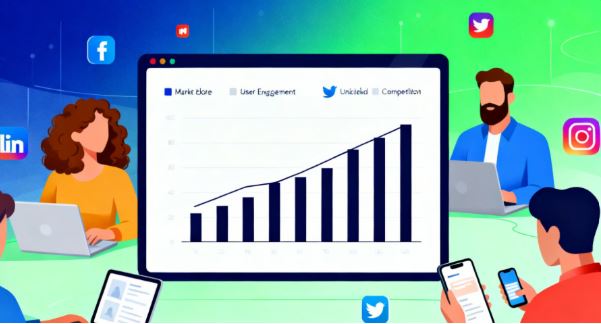
Why Commenting is an Underrated Growth Strategy
The comment sections of the largest content creators in your niche are filled with the kind of people you want to attract to your account. Every trending or top post in your niche features a collection of social media users who are much more likely to resonate with your content. Making comments on such posts puts you right in the middle of groups of potential followers, and it's up to you to grab the attention and interest of as many users as possible.
Strategic commenting essentially allows you to “borrow” the established audiences of your competitors. Instead of posting content and hoping users will find it, strategic commenting puts you right in the mix and lets you bring users to your content. It turns your growth plan from a passive strategy that relies on users coming to you into an active one that involves you seeking viewers and enticing them to your account.
Fortunately, finding collections of your intended audience isn’t hard. They consistently congregate around trending posts and comment on posts from popular creators in the niche, making them incredibly easy to find. Insightful, interesting, or entertaining comments made strategically on trending posts can be seen by thousands of people in the comment section. It’s like targeted advertising, only completely free and with significant potential to induce growth when done right.
Finding the Right Accounts and Posts to Comment On
So, you are creating content and posting it on your social media account consistently. Your posts are gaining some attention, but not as much as you'd like. How can you use strategic commenting to attract more viewers and convert them to followers? The first step is to find the right accounts and posts where your comments will give you the greatest actionable visibility. An insightful comment made on the right post could attract hundreds of new followers in an incredibly short time.
Target Accounts Larger Than Your Own
Accounts larger than yours and within your niche should be on your list. Their posts will attract a larger audience more disposed to liking your content, making these accounts a goldmine for exposure. Posts made by accounts that are meaningfully larger than yours, but aren’t too big in comparison to you, provide the best exposure-to-competition ratio. They are big enough for your comments to stand out, but not so large that your comments are lost in all the static, or not big enough to have an audience to borrow.
Commenting on posts made by the absolute top creators could attract viewers to your account, but your comment will soon be lost as more and more followers add on. However, an account with a meaningfully larger following than yours won’t bury your comments in their posts, allowing you to interact with more commenters in the comment sections. Such accounts allow you to extract as much value as possible from your comments compared to commenting on posts by accounts with much larger followings. On the other end of the spectrum, smaller accounts may not be worth the effort, ROI-wise, as they may not have a large enough audience to “borrow” from.
Prioritize Recently Posted, High-Engagement Content
Once you have singled out the accounts that would give you the most bang for your buck, the next step is to figure out which posts you need to comment on. Generally, you should prioritize recent posts from your chosen content creators and comment as early as you can. As the post gains more traction, your comments will have greater visibility and are much more likely to accumulate likes and replies than comments made once the post is already trending.
This kind of strategic commenting calls for a content creator with a finger on the pulse of their niche. You need to catch posts that are likely to encourage high engagement before they start to trend, make insightful, entertaining, or relatable comments, and remain on hand to interact with any replies you receive. Ironically, comments sometimes attract more likes than their original posts, so a strategic comment made in the right place and at the right time can turn into a treasure trove of potential followers.
What Makes a Comment Actually Effective
Strategic commenting can be quite a double-edged sword. The right comment can lead to a spike in your follower count, but a poorly constructed or poorly thought-out comment can alienate potential followers from your account. At worst, you want your comments to be ignored, not for them to turn into a liability for your account. And as we know, the internet rarely forgets. If your comments seem like spam or turn off other commenters, you may push away viewers who could have helped your account grow.
Add Genuine Value or Perspective
Your comments should add genuine value to the conversation or offer a unique perspective. The strongest and most effective comments contribute something and showcase your expertise in the matter at hand. You could do this by offering an insight, an experience relevant to the post, or asking a question that adds to the discussion. Questions are especially effective because they directly encourage engagement in the content section, prompting replies and profile clicks.
Comments that add genuine value or perspective present you as an alternative source of content to what commenters are already consuming. It establishes that you are competent in the subject and allows you to engage with other social media users without actively promoting your content. As long as you avoid generic comments that are more likely to be ignored, or controversial comments that may drive negative growth, you can use strategic commenting to grow your audience on social media.
Keep It Relevant to the Post
Your comments should always remain relevant to the post to be as effective as possible. After all, social media users tend to prize content that aligns with their interests, and this holds even more true for comments on high-engagement posts. Making a cooking-related comment on an auto-related post won’t do your account any favors. Additionally, commenting just for visibility when you have nothing insightful to say won’t encourage any growth either.
Each of your comments should be tailored to the posts you comment on to be fully effective. Avoid copy-pasting generic comments on high-engagement or trending posts for the sake of visibility. Such comments are often seen as low–effort, which they are, and have very little chance of drawing other commenters to your profile.
Let Personality Show Through
A distinct voice will help you stand out from the multitudes of other commenters interacting on trending posts. Whether it’s through offering an unexpected take, unique perspective, or a little humor, comments that let a little personality show are more likely to encourage profile clicks from other commenters.
A generic comment with no personality will get no notice, but a memorable one will stand out in a comment section filled with generic comments. Personality makes other commenters curious enough to check out who’s behind the comment, which can lead to increased followers if they are impressed with your content.
Turning Comment Visibility Into Followers
Social media users commenting on a trending post from their favorite content creators aren’t looking for more content at that moment. At best, they are entirely willing to like or even reply to insightful or entertaining comments. Getting them to click onto your profile and become a follower isn’t straightforward; it can actually be nigh-impossible if you don’t approach it properly. Two factors, consistent strategic commenting and profile optimization, will be at the forefront of your commenting-based growth strategy.
Make Sure Your Profile is Follow-Ready
You need an optimized profile that entices curious followers and encourages them to become followers as soon as they click. In addition to a strong bio, you need an active feed of high-quality content to convert a viewer into a follower. Your bio should clearly state who you are, what your content is about, and the value you offer potential followers, concisely. After all, what’s the point of strategic commenting if curious commenters find an inactive profile when they go to your profile?
Stay Consistent With Commenting Over Time
Consistency is key on social media, whether it's creating content, making comments, or commenting on trending posts in your niche. A single insightful comment on one post is unlikely to induce much growth, but a series of insightful, entertaining, or relatable comments across multiple posts gives you repeated visibility. This type of consistency compounds over time and can help you gain notable attention in your chosen niche and consistently convert curious commenters into loyal followers.
Commenting Mistakes to Avoid
The wrong kind of comment can have no effect on follower count growth, or worse, turn off potential followers and forever prevent them from joining your community. Here are some of the common mistakes that will make your commenting ineffective:
- Aggressive self-promotion across several posts and comment chains.
- Making generic comments with no substance (great post!).
- Only commenting on massive accounts where your comments have little visibility.
- Commenting on small accounts that can’t have any meaningful effect on follower count.
- Being inconsistent or giving up after a few days or weeks.
Use Strategic Commenting to Grow Your Audience
Strategic commenting allows you to tap into audiences that are primed to like your content at no cost. You don’t have to wait for the algorithm to push your content or spend money on advertising slowly; just make strategic comments on the right posts. It is an incredibly effective strategy that can drive significant follower growth when done right.
Find a couple of appropriate accounts in your niche and commit to leaving at least one insightful or thoughtful comment on one post every day. Engage with other commenters in the comment sections, stay consistent, and you will see a growing number of curious commenters turn into followers.
Read more »Social Media Lead Generation Trends in 2026
Published on 23.08.2026 by Tracey Chizoba Fletcher
If you are using social media marketing, lead generation can be an important element, as it can help you:
- Reach the right audience.
- Start meaningful conversations
- Turn potential customers into buyers.
However, with social media being a constantly changing field, the tactics that used to work also keep changing. This is because of different factors such as the ever-changing algorithms, the popularity of live videos, and a changing user demographic. This is why you need to know what works in 2026 if you are to succeed. Luckily, in this article, we uncover the top social media lead generation tactics that will bring results in 2026.

What is Social Media Lead Generation
Social media lead generation involves using platforms such as Facebook, Instagram, LinkedIn, X, and TikTok to attract an audience that is already interested in your products and services and enable users to remain connected. A lead in this case can be the details provided by the user, such as a name, email address, or anything that shows they are interested in hearing from you again.
Understand the Lead Generation Funnel
The lead generation funnel refers to the path followed by a potential customer from the first time they come across your business. It can explain how people move from the awareness to the consideration stage before they make a purchase. The funnel takes the shape of a physical funnel, which is wide at the top and narrow at the bottom, an indication that the number of leads progressing will keep decreasing as they move down the sales funnel.
The structure of the funnel matters as it determines how many leads may not be in a position to buy at first instance. When you understand the stages of the sales funnel, you can meet leads where they are and provide them with the information they need at that particular time.
Why Consider Social Media Lead Generation in 2026
In both B2B and B2C spaces, social media users are now using social media to discover products, analyze more, and shop. With 86% of social media users suggesting they are likely to increase their social media usage in 2026, this can be a good place to connect with them.
Here are some good reasons to consider social media lead generation:
Ability to Connect Directly
With people using social media to discover popular brands and even make purchases directly on the platform, it can be a great place for lead generation. Social media users can guide potential customers into making a purchase decision. Social media platforms also provide you with instant access to your target audience.
You can use the platform to connect with the target audience, respond to their queries, and increase their level of trust before they get to your site. All you need to do is share helpful information and guide users on their next steps to become a warm and qualified lead.
A Great Tool for Research
According to a Sprouts Social study, many consumers start to research products or services to buy at least six months before the buying decision. You can use social media to make your brand noticed by creating content that is relevant and timely to take them closer to their purchasing decision.
An Optimized Marketing Spend
Social media is one of the most flexible and efficient marketing channels, making it possible for teams to set a budget and change their strategies depending on the results. According to one study, three-quarters of marketing leaders prioritize organic and paid social as their top priority, only second to website and content marketing.
In-Depth Audience Data and Analytics
You can use third-party and built-in audience data analytics tools to get better insights into the performance of your campaign, audience behavior, and engagement level of your content. You can use this data to track and improve your lead generation over a period of time.
Lead Nurturing
With consumers regularly browsing, saving, and researching content to guide their buying decisions, you can use social media to build their trust and turn passive followers into leads and even loyal customers.
The Basic Rules of Social Media Lead Generation
Before we look at the lead generation trends in 2026, let us look at the basics of traditional lead generation.
Identify Your Target Audience
The social media target audience refers to a demographic that is likely to show interest in your products or services. These people share common traits such as behavior, demographics, and location. Once you understand who these people are, it becomes easier to create content that resonates with them and the exact stage of the sales funnel generation process they are in.
A good idea would be to create an ideal customer profile, understand their challenges and pain points, and where they hang out. You also need to map out the customer's journey from awareness to post-purchase loyalty building.
Optimize Your Landing Page
One of the factors that will impact the effectiveness of your lead generation strategy is the landing page. An outstanding lead generation and landing page should be more than just great graphics. It should also invoke a better understanding of design principles and ensure that you are continuously optimising.
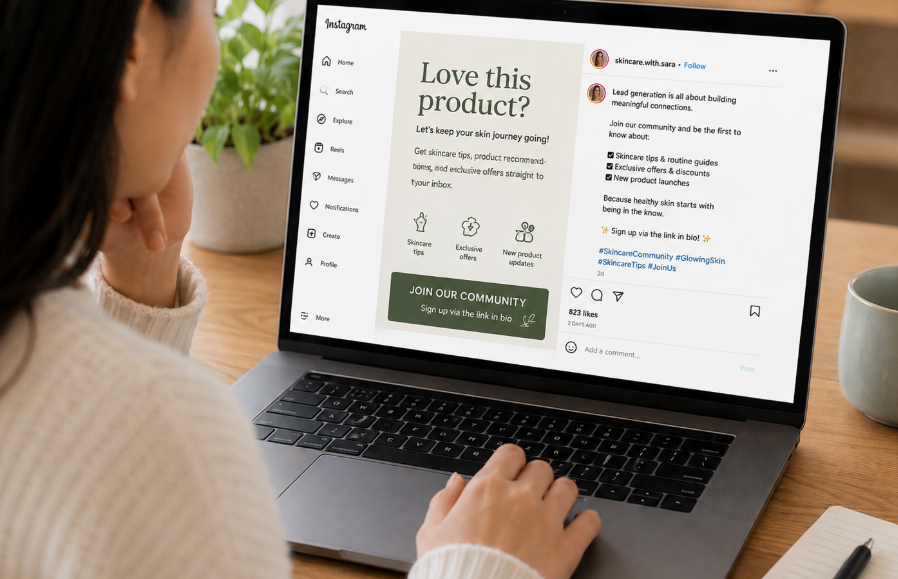
Creating Outstanding Content
Content is the backbone of a good social media lead generation strategy, as it helps you build trust with your audience. For instance, you can create educational content or short-form videos to educate your audience about your brand. You can also use some highly targeted resources, such as webinars and case studies, for your lead magnets.
Choose Your Lead Generation Channel
We noted earlier that you need to start by understanding your target audience, which will now impact the channel you use. However, some general ideas are:
- Using cold email for B2B sales.
- LinkedIn for high-value consulting.
- Direct message for broader consumer appeal.
Therefore, pay attention to your business goals against the top channel you will be using.
Top Social Media Lead Generation in 2026
Now, let us look at the social media lead generation trends that are working in 2026:
Use of Video Marketing
In recent years, there has been a continuous growth in the consumption of video content. The average viewer now dedicates 17 hours a week to watching videos. 96% of marketers suggest they get better results with video marketing, as videos enable consumers to better understand their product. Another 78% of marketers say video marketing has impacted their bottom line.
Therefore, a successful social media lead generation strategy should include video marketing. However, it's important to note that:
- 90% of consumers watch videos using their mobile devices.
- Vertical videos are the most popular format.
- The majority of video viewers watch them in silent mode.
- Social media users connect more with unscripted and authentic content.
- Live streaming is a good choice for driving user engagement.
Focus on Personalization
While personalization has been around for some time, AI advancement has improved it, enabling users to segment audiences based on behaviors, demographics, and engagement history. This enables users to create timely and personalized marketing messages on the website and app. For instance, you can customize the products customers see based on their browsing history.
The Use of SEO Optimization
While there will always be new social media channels coming up, your blog and website can be great lead generation channels in 2026. On top of creating high-quality content filled with keywords and adding some clear and engaging CTAs, you can use the following tips:
- Create a mobile-first. Google now uses a mobile-first approach when indexing and ranking content. That means how your site appears on mobile devices is what will impact its ranking. This is understandable, as 60% of website traffic is from mobile devices.
- Focus on quality links. When you get quality links from relevant websites, you can rank highly for SEO.
- Focus on appearing in the featured snippet. The small box that appears at the top of Google search results can be a great place for gaining visibility. To appear there, provide clear and concise answers to some common questions. It also helps to organize your content in lists and tables, which is an important part of generative engine optimization.
Use Email Marketing
58% of consumers suggest they prefer communication through email for their buying process. However, when using email marketing in 2026, there are a few changes you need to make, such as:
- Shifting from sending low-rate deals. Instead, offer quality content to increase the level of trust and build better relationships with your audience.
- Sharing valuable resources. You can grow your number of subscribers by providing them with downloadable resources like reports, e-books, and guides. When you provide your audience with value, they will be motivated to share their details.
In Conclusion
If you are using old ways of doing lead generation, this is not likely to work. This is why you need to understand the lead generation tactics that work well in 2026. By reading our guide, you should be able to do that easily. We recommend you read our guide on building a Facebook funnel for lead generation.
Read more »Using Social Proof to Increase Conversion
Published on 22.08.2026 by Tracey Chizoba Fletcher
Studies indicate that 88% of consumers trust the recommendations of other customers as much as they trust those of their families and friends. Another study found that adding genuine reviews, ratings, and testimonials can increase purchasing confidence and boost conversions by 200%. This means that one of the best ways of increasing conversion is by using social proof. In this article, we guide you on how to do that as a way of turning views into sales in a social media funnel.
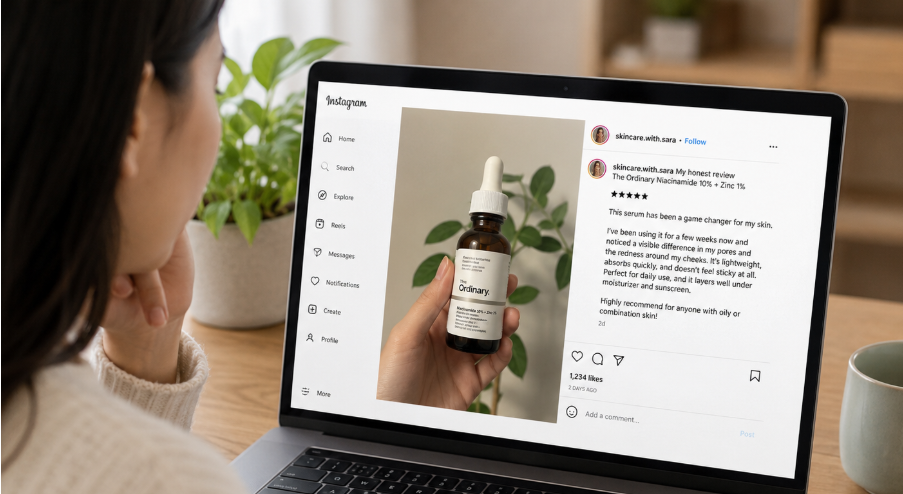
What is Social Proof?
Social proof refers to the psychological behavior where people copy other people’s actions to validate their own actions. That means when customers see other users having a positive experience with your products or services, they assume they will have a similar experience.
The effect of social proof is more powerful for customers without enough information to help them make an informed decision. We assume that people understand the situation better, so we should copy their lead. In digital marketing, you can use elements such as reviews, customer testimonials, case studies, and influencer endorsements to increase credibility and trust. It can also include expert recommendations and influencer videos.
Why Social Proof is So Effective
Social proof matters because people trust the recommendations of other people more than brands. When your target audience sees other people posting their positive experience with your brand, they easily get reassured that they are making the right choice. This is backed by numbers as follows:
- 97% of consumers read through online reviews when they search for local businesses.
- 90% of people who buy software are influenced by some kind of social proof in their consideration stage.
Therefore, social proof can be a great way of increasing credibility and conversion.
Top Social Proof Conversion Ideas
Social proof offers great value. However, to benefit from it, you need to understand how brands use it, especially considering that Gen Z now considers social media to be one of their top sources of information, such as restaurant recommendations and product reviews. This makes social media a top place to add social proof. Not only are customers searching for it here, but it's where trust can be built in real-time.
Here are the top ways of adding social proof on social media:
Customer Reviews and Testimonials
If you have already been getting testimonials online, perhaps it's time to start sharing them on social media. While there are many forms of social proof, there is nothing that beats reviews. When you share them with your audience, they understand people’s thoughts about your business.
Case Studies
Another effective form of social proof is case studies that highlight your previous customers’ experience with your business. A strong case study should illustrate:
- The problem faced by your business.
- How you helped the customer solve the problem.
- The result the customer got.
A great case study can help customers to view themselves in your brand story. It can, therefore, increase the level of trust as you illustrate to potential customers that your product is working. The case studies can be in a PDF format and repurposed for your short videos or social media posts.
User-Generated Content (UGC)
UGC refers to any content created by your customer, whether it's a video of them unboxing the product or spotting it. This is one of the most authentic and strongest forms of social proof, as it is from real people and not just your brand. This content format is especially popular on Instagram. However, it can still work on other platforms such as Facebook, Pinterest, TikTok, email, or a website.
To leverage user-generated content for social proof, you can repost the customer’s content while tagging the person who originally created it and showing them how the product actually looks in reality. You can run giveaways and campaigns to encourage users to create more of such content. You can also add a branded hashtag in your bio and invite users to create more of such content to be featured.
Accolades and Awards
If your business won an award or was ranked as a top performer in your industry, this can be a good form of social proof, illustrating to people that your business is reputed for its excellence. These work great when displayed on your site, either as a badge. However, they can also be added to social media pages.
Social Media Mentions
When people mention your brand positively on social media, this is a strong form of social proof, as it shows your level of brand visibility, reputation health, and consumer sentiment.
Whether it's in the form of a tag, shoutout, or casual mention, this can illustrate that customers are already discussing your brand online. To track these mentions, you can leverage social listening tools to track keywords and brand mentions.
Notable Client’s Logos
If you have served some of the reputable brands in your industry, this can be a great form of social proof. All you need to do is add their logos to your site or add them to your social media posts. This works great for trust-building, as it shows the big brand also trusts your business.
In addition to your website, you can also add the logos of your top clients in your LinkedIn header. When someone visits your page, they will easily see the people you work with. This can be a great approach for B2B lead generation, as it can help attract other similar businesses in the industry by showing you do quality work.
Followers and Customer Base
Another great way to build trust is to showcase the number of people already trusting you. You can share the number of customers you served previously, the product they bought, and the issue you helped them solve. It shows you are backed up by experience and results.
Don't forget about your social presence, as having a big and engaged following is a form of social proof. It can show that people are willing to become part of the community, and you have a relevant brand.
Integrations and Partnerships
Your target customers will get insights on your credibility level based on the brands you partnered with in the past. If these were reliable brands, they would interpret that as a sign of your reliability. This is common among software brands, where the brand showcases that its software is compatible with other software, making it look trusted and robust.
Tips to Integrate Social Proof in Social Media Marketing
To enhance the chance of success when leveraging social proof in your marketing strategy, use the following tips:
- Ask your customers to leave reviews, testimonials, and business ratings.
- Add a link to the customer’s feedback.
- Use influencer marketing to promote your brand, products, or services.
- Make it easy for your audience to share social media posts and business articles.
- Optimize your Google Local Search profile to attract more traffic from people searching for nearby businesses.
- Add badges to your website and social media pages.
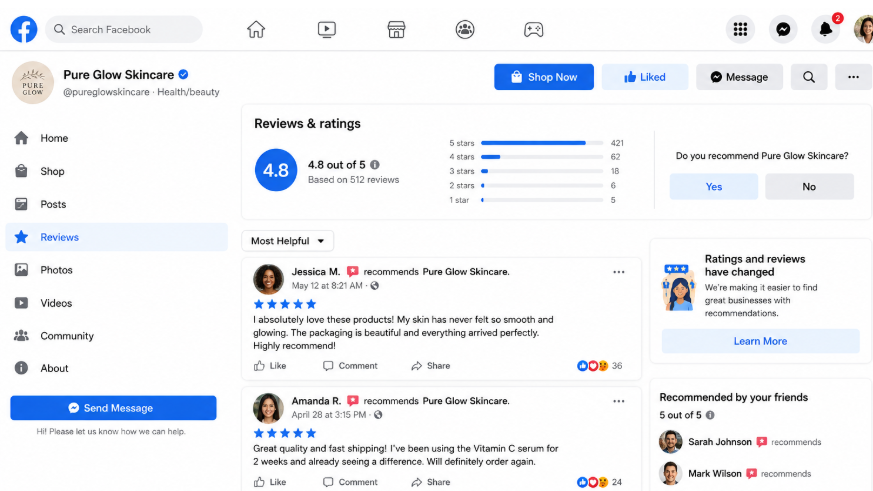
How to Track Social Proof
Unless you understand its impact, it can be hard to understand its impact. Therefore, you need to track signals of the level of trust people have in your brand. By tracking social proof, you can turn it into a tool for growth. You can drive more engagement by celebrating the milestone and using social proof to influence people’s buying decisions.
To effectively track social proof, you can measure various metrics, such as:
- Engagement rate and follower growth. Track the number of likes, comments, shares, and followers. These can show your audience's perception and interaction level with your brand.
- Number of reviews and ratings. You should also track the number of reviews you get and the average star rating on different platforms. If you are getting more reviews, it shows your brand is more credible.
- Mentions and testimonials. Track the number of times your brand gets quoted, tagged, or mentioned on social media. Each of these mentions can be a sign of brand trust.
- Referral traffic. You can leverage analytics to determine traffic from the review site, third-party mentions, and influencer posts.
- UGC. How much content is your audience creating concerning your brand, including posts, videos, and photos, that increases your reach?
- Referral traffic. Check the analytics to see the traffic you are getting from influencer posts and third-party mentions.
- Conversion lift. Check the performance of different campaigns with different social proof elements such as logos, testimonials, etc.
You can track the above metrics using Google Analytics. The tool will show you how influencer content and reviews drive traffic and increase conversion. Social media analytics can also provide important insights, such as engagement.
In Conclusion
Social media users are often bombarded with options when deciding which product to buy. That means you need to reassure them that they are making the right choice when buying your product or service. One of the best ways of doing that is through social proof. By adding elements such as reviews, testimonials, case studies, or even awards and badges, you can build instant trust and increase conversions.
Read more »How To Attract Followers Through Valuable Content
Published on 21.08.2026 by Tracey Chizoba Fletcher
Contrary to what many new creators believe, social media growth isn’t determined by trends, posting frequency, or any other convoluted factor. The only way you can grow in the content creation industry is to provide content that has value and resonates with viewers. Valuable content is the lifeblood of every successful content creator.
Value is what converts curious visitors into loyal followers: it gives them a reason to sign on as followers and keeps them coming back for more. New content creators who prioritize creating valuable content are much more likely to build an online community compared to those who follow trends or flood their followers’ feeds with low-effort content.
This guide will discuss what makes content “valuable”, the types of content that provide value to social media users, and how an aspiring content creator can consistently produce high-value content without burning out.

What Makes Content "Valuable" to a Viewer
Every day, millions of creators across the globe post content on various social media platforms. Some of this content resonates with users, making an impact and converting them into followers, while some content fails to make any impact and eventually fades away. So what is the difference between content that provides value to viewers and content that doesn’t? What makes content valuable to a user?
Viewers will consider your content to be valuable if it entertains them meaningfully, offers a fresh perspective, or solves a problem. Basically, it all boils down to whether your content is inspirational, entertaining, or provides viewers with some kind of inspirational or emotional connection. Furthermore, valuable content is relevant to your target audience, addressing pain points, interests, and questions that affect your target viewers.
Valuable content is also actionable and provides viewers with practical guidance that applies to their lives. It uses storytelling and humor to draw positive emotions from the viewers while remaining clear enough for consumption. This kind of content is easy to find, read/view, understand, act on, and share. Overall, social media content with value leaves its viewers better off than they were before consuming it.
The Core Types of Valuable Content
There are several types of content a new content creator could create to provide value to viewers. This section will break down the core types of valuable content that attract social media users. Constructing a content framework around one of these types of content will put you on track to building a decent online following.
Educational Value
This is content that imparts knowledge to the viewers. It includes tutorials, how-to content, explainers, guides, and any other content designed to teach or inform viewers. Educational content is incredibly valuable to users and is one of the primary engagement drivers for many successful content creators.
Social media users are much more likely to seek educational content of their own volition. A user looking to solve an issue or answer a question will go online and use the search function to find content that caters to their specific needs. If your educational content is SEO-optimized, your odds of ranking on such searches will be incredibly high.
Furthermore, viewers with educational search intent tend to follow accounts that act as valuable resources. They typically engage in comment sections with other viewers and are likely to share your content with other viewers. This type of organic growth also helps to build algorithm momentum and push your content to even more viewers.
Entertainment Value
Entertaining your followers is another means of providing value on social media. In fact, entertaining content tends to draw as much engagement, if not more, than educational content, as it can have a much wider reach. Content that entertains typically uses storytelling and humor to elicit positive emotions from users, boost retention rates, and keep them coming back for more.
This type of content is often lighthearted and incredibly easy to consume. In feeds filled with educational content and self-promotion, entertainment content allows users to take a break and consume content that asks nothing of them. No need to focus on some guide or explainer, no need to consider buying a good or service; just consume the content and be entertained.
Entertainment value will make your content very rewatchable and shareable. The ease of consuming this content means users can view and share it at much faster rates, especially compared to educational content, which may need more time to sit. The result is higher engagement rates as viewers like, comment, and share your posts, encouraging both organic and algorithmic growth over the long term.
Emotional or Inspirational Value
Making an emotional connection with your viewers is one of the most effective ways a new content creator can build a loyal following. This is where content with inspirational or emotional value shines the brightest. Content with inspirational or emotional value tends to resonate with viewers on a personal level, evoking positive feelings and making them feel connected to the content creator.
Motivational messages, relatable struggles, and any form of authentic, empathy-driven storytelling fall within the distinction of inspirational content. Viewers are much more likely to become loyal followers if they can relate to your content: even science supports this. Consumer neuroscience research has found that emotional storytelling resonates on a much deeper level.
Content with emotional value through humor, drama, or empathy makes viewers and followers feel understood or seen. It builds trust, fosters engagement, and cultivates stronger connections compared to purely informational content.
How Valuable Content Converts Viewers Into Followers
Focusing on content that provides value to viewers establishes your authority in your chosen niche. It shows that you understand your viewers' needs and pain points, and are knowledgeable enough to address these issues through your content. In an ecosystem where tons of creators post content every day, valuable content stands out from the crowd and gives viewers reason to come back.
The average viewer willingly interacts with social media content that imparts some sort of value, be it educational, entertainment, or inspirational. This means that accounts that provide valuable content tend to attract more viewers, which can in turn drive algorithmic growth. However, attracting viewers to your profile is just the first step.
A single piece of valuable content can drive views, but it may not be enough to convert viewers into followers. But viewers are much more likely to become followers if you can consistently produce good content. Consistency coupled with valuable content will boost your engagement rates, increase your algorithmic momentum over time, and help you convert viewers into followers.

How to Consistently Create Valuable Content
Every successful content creator has made consistency a core part of their social media strategy. Log on to your favourite creators’ profiles, and you will most likely find that they have been posting for years. Lack of consistency is one of the main reasons aspiring content creators fail to gain traction, and it can impact your account’s performance even if your content is indeed valuable. Let’s talk about how you can create a content pipeline that will allow you to consistently create valuable content for your account.
Know What Your Audience Actually Needs
You will need to have a pretty good understanding of your target audience before you make content they can resonate with. Knowing who you are interacting with, their likes and dislikes, where they spend time, and how they interact with content will make it easier for you to relate to them on a personal level. A content creator who knows their audience can produce content in line with their needs and interests.
Furthermore, this insight will inform strategy decisions like which social media platform to post on and the best posting times and frequency for maximum engagement. You can use analytical tools on social media platforms to determine audience demographics, interests, and behavior. Customer surveys, analyzing comments, and competitor content can also give you greater insight about your target audience.
Build Value Into Your Content Pillars
Content pillars are the core topics you have chosen as the focus of your content creation strategy. These are the subjects you will cover in your content. To build value into your content pillars, you need to focus on making valuable content, which includes educational, inspirational, and entertaining content, a key part of your content strategy.
Content pillars give you a framework for brainstorming and coming up with on-topic content ideas. They make it easy to maintain a consistent posting schedule by streamlining your content creation process, eliminating the need to come up with ideas on the fly. With the right content pillars in place, every piece of content you post will impart value to viewers and encourage them to sign on for more valuable content.
Common Mistakes That Undermine Content Value
Valuable content is the fuel every content creator needs to grow their platforms. Consistency is important, but curious viewers won’t become followers if you consistently post content with no value. Unfortunately, many aspiring content creators make critical content value mistakes that make it impossible for them to grow their accounts in any meaningful way. If you are making any of the following mistakes, you need to step back and re-examine your strategy:
- You are overloading your educational content with too much information.
- You are following trends and copying your competitors without adding your unique twist.
- Your content is entertaining but has no lasting impact.
- Your production quality is high, but the content itself lacks substance.
- Your content calendar doesn’t give you enough room to breathe and perfect your content.
Value Always Wins
Growing a following on social media isn’t about chasing trends, copying competitors, overloading feeds with content, or posting at the perfect time; it’s about consistently posting valuable content. Did your viewers learn something? Did you elicit a chuckle or make a personal connection through your content? That’s how you turn viewers into followers.
Read more »
Sign up for SocialWick
Login
InstagramYouTubeTikTokFacebookTwitchSpotifyTwitter (X)SoundCloudIGTVLinkedInThreadsWebsitePinterestVKApple MusicSEO
Checkout
OK

Information
Order processing usually starts within a few minutes, but some services may take a few hours or even a few days. We offer free refills for up to 90 days if needed. Our services are 100% secure and discreet, with a focus on gradual and safe delivery for your peace of mind.
Order processing usually starts within a few minutes, but some services may take a few hours or even a few days. We offer free refills for up to 90 days if needed. Our services are 100% secure and discreet, with a focus on gradual and safe delivery for your peace of mind.
Where should we send your order confirmation?
No account needed! We send your confirmation and tracking link here.
Secure checkout. We never share your email.
Have an account?•
Log in
Use your account to pay faster with your saved details.
Create account
Create an account to track all your orders in one place.
Service
+0,00
Voucher
-0.00
Total
+0.00
OK
Affiliate & Reseller Program
Customer Support
How may we help you?
General Support
Order Support
Frequently Asked Questions
1) What services do you offer?
We are a social media marketing company, and we offer a wide variety of services across several platforms that our clients can choose from. Once selected, we create a plan that fits your needs. We offer several types of services, such as followers, subscribers, likes, views, song plays, etc.
2) Is your service safe?
Yes, as we only sell real followers, likes, views, etc., and we hold every service to strict authenticity and quality standards. In order to protect your account, we deliver every order carefully and gradually. We closely monitor all our services. For more information, we strongly recommend reading our Terms of Service before you order.
3) Will I need to give you the passwords for my accounts?
No, you can keep your passwords to yourself because our services don’t need a password to influence your accounts. And if an email ever shows up claiming to be from us and asking for a password, it’s definitely not us, so please let us know right away.
4) Are the likes, followers, and subscribers real, or are they bots?
Unlike many other services, all our likes, followers, and views come from real accounts operated by real people. You won’t find bots, fake profiles, or hijacked accounts anywhere in what we deliver. Every order has to pass our strict authenticity standards, and we keep checking our quality to make sure it stays that way.
5) How fast can you deliver my order?
We will show you the estimated delivery time when choosing the service. However, this is only a rough estimate. In most cases, the services are delivered much faster. In some cases, it may take longer. We always aim for a natural and safe delivery!
6) What are your best-selling social media marketing services?
Although we have many services across most social media companies, our services for Instagram, TikTok, and YouTube are our best-selling options.
7) How do I know my account will not be flagged or banned?
We take safety very seriously. We never ask for your password, all followers, likes, and views come from real accounts, and orders are usually delivered gradually and naturally. What we can promise is careful delivery and strict quality standards. Plus a support team that’s there whenever you need us. We are not aware of a single case since 2017 where a customer got his profile banned.
8) What is the best method to communicate with you?
Do you have a question or run into a problem? Our customer support is available 24/7 for you. Just click Contact and you’ll land right on the support form. When you buy one of our services, we will email you to see if there were any problems. Your satisfaction is our main priority.
9) Are there discounts for large orders?
Yes! If you would like to request a large order that isn’t on our ordering layout, we will have no problems accommodating you. Just reach out through the support form and we’ll put together a buying plan that fits what you need.
10) What methods of payment do you accept?
We accept all forms of credit and debit cards, as well as Klarna, eps, PayPal, and Crypto.
11) If I am unsatisfied with your services, am I able to receive a refund?
Yes! Every purchase comes with a 30 day money-back guarantee. Not satisfied? Just contact our support within 30 days of your purchase and send us your order details and a short note on what went wrong, and we’ll take a look at your case. The full conditions are in our Refund Policy.
12) I haven’t received my order
Please make sure the following criteria are met before placing an order to make sure we can deliver it successfully.
- Your account is set to public
- You have typed in the correct username or link
- You have not changed your username before the order’s completion
- The post or account still exists and has not been deleted
- The post or account has not been restricted or removed in some countries
- Allow the estimated delivery time for completion of your order
For further assistance, please message our support team through the contact form.
13) How can I request a refill?
Just send us a refill request through the contact form. Please note that we can only provide you with a free refill within the first 90 days of your purchase.
Learn More
What is SocialWick?
We are the leading marketplace for social media promotion. You can buy followers, likes, views, subscribers, and a lot more for almost all social media networks. We offer affordable prices without making any compromises in terms of the service quality. We have a strict policy to only sell social media signals from real people. Part of our engagement, for example, comes from ad-based promotion where real users discover the content through ads. Bots, fake profiles, and hijacked accounts have no place in our services. Every delivery has to meet our authenticity standards, and we run regular quality checks, and anything that does not meet them is removed from our catalog. Our services are available for personal use, whether you want more Instagram likes, TikTok followers, YouTube views, or something else for your own profile.
With over a million satisfied customers, SocialWick is the go-to platform for all your social media needs. Our services are discreet and secure, with gradual and careful delivery to keep your social media accounts safe.
About SocialWick — The Market Leader since 2017
With more than 10 million orders, SocialWick is one of the world’s biggest social media stores. You can find everything on our website to improve your presence on major social media platforms like Instagram, TikTok, YouTube, Twitter (X), Facebook, etc. We offer different types of services for several social media platforms. Your wish is our command, and whatever your goal might be, SocialWick will help you achieve it. Whether you need more likes on your Instagram photos or want to make your LinkedIn profile more popular by getting additional followers, SocialWick is there to turn your goal into reality.
Thanks to our effective services and our customer-oriented work, SocialWick has become a top player. You will not find a better service anywhere else, especially not at such affordable prices. SocialWick is operating since 2017.
365 Days Per Year Customer Service
Your satisfaction is our motivation! We’re not here just for the money; we do our work to help people find their road to social media success. And that’s why our team will do all to make sure everything goes according to plan. If there’s something wrong with your social media campaign, or worry that there might be some problems with your account, or want to learn more about how our services work, feel free to reach out. Our service staff is there for you seven days a week, ready to answer any of your questions. You can get in touch with us using the contact form on our website.
Buying Followers and Likes is Essential
Unless you’re Kylie Jenner, you definitely need some help with social media. The more followers you have on Instagram, TikTok, Twitter (X), or YouTube, the more people will automatically notice you. Having all those eyes on your content isn’t just impressive, it’s genuinely fun. The bad news is that everyone wants to be famous these days, but only a few can succeed. The good news is that you can be the chosen one who will get social media fame and everything that comes with it. But, for that, you need a little help from your friends at SocialWick.
With our help, you will increase the number of followers on social media, which can have a domino effect and bring you even more new followers. Once people see that you got a big followership, they will decide to give you a follow. "If a profile has so many followers, it means that it’s interesting" – you can be sure this is going to be their reasoning. Furthermore, more followers mean more visibility for everything you post. Finally, a large number of followers also do great for your credibility. Our social media services will help you to create a better overall picture of your profile.
Let’s be honest; a profile with 30,000 followers looks much better than one with 74 followers. And that’s exactly what new visitors will pay attention to. A weak social media profile can be a real deal-breaker. At the same time, a fantastic social media profile can do wonders for you. And SocialWick can make your social media profile amazing!