Pinned Articles
» TikTok could be banned after midterm elections
» TikTok could be banned after midterm elections
» The Ultimate Guide to Promoting a YouTube Channel and Videos
» How to Rank YouTube Videos on Google Search
» AI Content Creation For Social Media with a Full Guide for 2026
» How to Make Your YouTube Shorts Go Viral
» Combining Long Form and Short Videos for YouTube Growth in 2026
» How to Monetize Instagram Without Sponsorship
» How to Build an Engaged Instagram Community
» How to Start a YouTube Gaming Channel in 2026
» Creating an Instagram Hashtag Strategy That Works in 2026
» How the Instagram Reels Algorithm Works in 2026
» Best AI Tools for Instagram Content Creation
» How to Fix TikTok Video Not Showing Up Issue
» Instagram Marketing Strategies for Small Businesses in 2026
» How to Make Your TikTok Account Public
» How Much Money Does TikTok Pay for 1 Million Views
» How Creators Use Threads for Thought Leadership
» How Snapchat Lenses Increase Brand Awareness
» How TikTok Creators Use Short Clips to Drive Real Sales
» A Guide to Snapchat Advertising
» A Complete Guide to Snapchat Geofilters for Local Marketing
» How to Get 1 Million Views on TikTok
» How to Make a Playlist on TikTok
» TikTok Begins Using Invisible Watermarks on AI Clips
» How to Get Your TikTok Profile URL
» How to Create Outstanding Snapchat Stories
» How to Get More Friends on Snapchat Organically
» Snapchat Marketing Strategies for Business Growth
» Landing Page Content Strategies That Drive Sales
» Building Ethical AI Models and Why Transparency Matters in 2026
» How to Create Highly Converting Bottom of Funnel Content
» Mid Funnel Content Marketing Tactics That Work
» How to Revive a Slow Facebook Page With Consistent Targeted Updates
» Creating Brand Awareness Content That Builds Trust
» Lead Magnet Ideas for the Different Stages of the Buying Journey
» How to Get Sponsored on YouTube
» Meta Adds New Content Protection Tool for Reels
» A Guide to Personal Branding for Influencers
» Creating Content for the Different Stages of the Buying Journey
» How Advanced Audience Segmentation Transforms Multi Platform Campaigns
» How to Choose the Right Social Media Fonts
» Creating Brand Guidelines for Social Media Marketing
» Why YouTube Session Level Metrics Matter More Than Views in 2026
» How to Get Your YouTube Channel URL
» How to Ensure a Consistent Look on Social Media
» The Psychology of Color in Social Media Marketing
» How to Hit 10K TikTok Followers in 7 Days
» Leveraging the Keyword Golden Ratio to Rank Fast
» How Many Views Are Considered Viral on TikTok
» How to Use TikTok Live Sessions to Push Regular Video Views
» How to Get Verified on YouTube in 2026
» Mastering Social Media Branding in 2026
» How to Find and Fix Keyword Cannibalization
» A Guide to Writing SEO Optimized Articles in 2026
» How Threads Fits Into Meta Larger Platform Plans
» Top 5 Best Keyword Research Tools
» How to Use Google Trends for Keyword Research
» How to Blow Up on TikTok With These Tips
» YouTube Renames Its Repetitious Content Policy
» How to Drive Traffic to Your Site Using Quora
» The A to Z of Keyword Research for SEO in 2026
» An Insider Look at How TikTok Interest Graph Actually Builds Audience
» Importance of Building Authority on Online Forums
» Ways to Drive Traffic to Your Site From Reddit
» How to Get More YouTube Community Poll Votes
» How to Get 10 000 Followers on TikTok
» Best Practices for Using Discussion Forums
» Steps in Creating a Popular Online Community Forum
» Essential Tips for Eye Catching YouTube Thumbnails
» How Influencers Decide Which Brand Offers They Say Yes To
» Why is My YouTube Watch Time Not Increasing Even With More Views
» Creative Ways to Repurpose Your White Papers
» Best Tools for Repurposing Content
» Leveraging Community Forum Marketing to Grow Your Brand
» How to Repurpose Content for Pinterest
» How to Build Trust on Social Media Without Spending Money
» How to Turn Blog Posts Into a Carousel
» Repurposing Videos for Maximum Visibility on Social Media
» Meta Alerts Creators When Reels Are Reposted
» A 101 Guide to Repurposing Social Media Content
» Tips for Managing Multiple Social Media Accounts
» Creating a Social Media Posting Schedule
» How LinkedIn Dwell Time Metric Quietly Shapes the Feed
» How to Batch Create Social Media Content
» Setting up a Social Media Content Approval Workflow
» How Creators Use Social Media to Build Crowdfunding Momentum
» How Many Likes on TikTok Do You Need to Go Viral
» The Reason Behind the Rising Popularity of Live Videos
» Productivity Hacks for Social Media Marketers
» TikTok Pulse Ads and What Small Businesses Should Know
» Improve Your Efficiency with a Social Media Workflow Plan
» Video Marketing Trends to Watch in 2026
» How to Turn a Viral TikTok into a Long Term Audience Growth
» How to Optimize Videos for Social Media Platforms
» Using Video SEO to Rank Videos on Google
» How Travel and Lifestyle Brands Use Threads and Instagram Stories
» A Beginner Guide to Facebook B2B Advertising
» Best Practices for Video Marketing in 2026
» Tips for a Successful B2B Marketing on X
» Creating a B2B Content Marketing Strategy
» A Guide to B2B Social Selling
» Harnessing the Power of Video Content Marketing
» Hyper Personalized Email in a Privacy First World
» Finding Social Media Trends for Better Outcomes
» How to Use YouTube for B2B Marketing
» How Privacy Laws Are Reshaping Tracking and Social Ad Targeting
» How to Audit Your Social Media Content
» How to Increase the Number of Social Shares
» What Happens When a Brand Mixes Organic and Paid TikTok Content
» Leveraging Social Media Analytics to Grow Your Channel
» Creating a B2B Social Media Marketing Strategy in 2026
» Inside the Data Pipelines Behind Major Social Media Trend Forecasting
» The Rise of Virtual Try ons for Increasing Conversion
» How to Set and Exceed Your Social Media Goals
» YouTube Thumbnail Choices That Influence Clickthrough Rates
» A Detailed Guide to Social Media Performance Analysis
» How an Interactive Website Enhances User Experience
» Benefits of Using Quizzes in Your Interactive Content Marketing
» 5 Steps LinkedIn DM Strategy to Grow Your Business
» Leveraging Contests to Boost Your Brand on Social Media
» The Approach Agencies Use to Scale Instagram Campaigns
» Instagram DM Marketing Tactics That Work in 2026
» How Interactive Calculators Can Drive Conversion
» How Hybrid Teams Use LinkedIn and Discord to Build Culture
» How Micro Influencers Can Use DMs to Drive Engagement
» How to Leverage TikTok DMs to Supercharge Your Livestream
» Creating an Interactive Content Strategy in 2026
» Where Reels and Shorts and TikTok Stand Now with Short Form Video in 2026
» Proven Way to Increase Mobile Page Speed
» Leveraging Facebook Messenger for Community Management
» Finding Your Writing Style on Threads with Short or Long Posts
» A Guide to Mobile Optimization for Ecommerce Sites
» Steps in a Mobile SEO Audit
» How Mobile SEO Differs From Desktop
» The Future of Live Podcasts and Remote Recording
» How Instagram Monetizes Content from Creators
» How Businesses Use QR Codes in Social Media Marketing
» How to Use DM Marketing to Boost Engagement
» Creating a Mobile First and Trend Setting Site in 2026
» The Integration of Social Media with Mobile Marketing
» What Happens When Your TikTok Account Suddenly Stops Growing
» AI Search Wars with Google and ChatGpt and the Future of Discovery
» Meta Adds Tools to Stop Unauthorized Reel Reposts
» How to Use Push Notifications to Deliver Timely and Relevant Marketing Messages
» Top Mobile Marketing Analytics to Track
» LinkedIn Posting Habits That Get Professional Attention
» A Detailed Guide to App Store Optimization
» How to Create a Facebook Posting Routine That Keeps Engagement Stable
» A Detailed Guide to Mobile SEO in 2026
» VK Marketing Basics for Brands Targeting Eastern European Audiences
» Reddit vs Quora for Community Engagement
» Pinterest SEO Tactics That Quietly Generate Steady Visits
» How to Master and Leverage Quora Space
» The Psychology Behind Why People Follow Brands on Instagram
» Tips to Make Your Quora Answers Go Viral
» How to Build Natural Backlinks from Quora Without Spamming
» AI Driven Social Listening and Spotting New Topics Early
» How to Repurpose Podcast Clips for YouTube Shorts and TikTok
» How to Use Quora to Improve SEO
» How many followers on Instagram to get paid
» Actionable Tips to Get More Google Reviews
» Meta Rolls Out Dubbing for Reels in More Languages
» Top Content Ideas for Your Google Business Profile Posts
» How to Schedule Your Google Business Profile Post
» Top SEO Tips for Your Google Business Profile
» Community First Growth and Why Some Small Pages Build Stronger Fans
» How to Increase Traffic to Your Google Business Profile
» Top Tips to Gain More Views on Reddit
» TikTok Introduces Slider to Control AI Content
» Creating an Outstanding Mobile Marketing Campaign
» A Guide to Using Quora for Online Visibility
» Using Reddit Ads to Reach a Highly Targeted Audience
» How to Create a Podcast Trailer That Converts New Listeners
» Social Listening on Reddit for Market Research
» The Essential Roadmap to Lauching Your First TikTok Marketing Strategy
» Leveraging Google Business Profile to Grow Your Brand
» How to Keep an Audience Engaged During TikTok Clips
» How Reddit SEO Can Improve Your SERP Ranking
» How to Build Brand Awareness on Reddit
» How Creators Use Post Class Clustering to Build Stronger TikTok Niches
» How to Do Keyword Clustering Based on Search Intent
» New TikTok Features Marketers Should Watch This Quarter
» How to Build Brand Authority So Users Search for You Directly
» Social Listening Trends and How Marketers Spot Micro Viral Moments
» A Guide to Using High Intent Keywords to Boost Conversion
» Facebook Ads Fatigue and Spotting the Signs Before Performance Crashes
» Creating an Outstanding Reddit Marketing Strategy
» How a Search Intent Mismatch Hurts Your Ranking
» How to Build Content Funnels Using Intent Mapping
» Using User Generated Content to tell Authentic Stories
» How to Use Customer Testimonials to Create Compelling Stories
» Understanding Search Intent to Boost Your SEO Ranking
» LinkedIn Profile Tweaks That Attract Recruiters and Clients
» Why Does TikTok Keep Showing Me The Same Type of Content
» How to Turn One Podcast Episode Into a Week of Social Content
» The Next Wave of Social Commerce Features on Instagram and TikTok
» How Do I Improve My TikTok Profile So More People Follow Me
» Podcast Branding and How to Build a Memorable Audio Identity
» TikTok Lets Users Reduce AI Videos in Their Feed
» How to Use Storytelling to Convert Customers
» Key Elements of Storytelling on Instagram
» How to Build a Brand Narrative That Audiences Connect With
» How to Use X Space for Community Building in 2026
» How to Use X Analytics to Improve Your Campaign
» How to Unlock the Power of X Threads
» Engage and Inspire Through Social Media Storytelling
» Are Hashtags Dead in 2026
» Top Tips for Increasing Engagement on X
» Using Branded GIFs to Make Your Brand Stand Out
» How to Use GIFs to Improve Your Instagram Stories
» Decoding the New X Algorithm to Stay Visible in 2026
» Threads for Customer Support and Can It Replace Email for Simple Issues
» Mastering LinkedIn Newsletters for Steady Professional Visibility
» Why Is My Facebook Ad Not Bringing Any Results
» How to Use GIFs to Revolutionize Facebook Ads
» How to Integrate Animated GIFs in Email Marketing
» How to Promote a YouTube Channel in 2025
» How to Create Scroll Stopping YouTube Thumbnails
» The Dos and Donts of Using GIFs in Social Media Marketing
» Do Influencers Still Need Daily Posting to Stay Relevant
» How Micro Influencers Create High Conversion Content
» TikTok Shop Rapid Growth and What It Means for Small Brands
» How Journalists and Creators Use X to Follow News in Real Time
» Social Media Trend Reports with What They Get Right and What They Miss
» Pinterest Pins vs Static Pins and Which Gets More Clicks for Service Brands
» Threads Ads and Monetization and What Creators Should Expect
» How to Write Attention Grabbing YouTube Descriptions
» The Ultimate Guide to Using GIFs for Social Media Marketing
» How to Find Low Competition Keywords for YouTube Channels
» How to Hook Your Viewers with a YouTube Channel Trailer
» A Guide to Product Listing Optimization on Facebook Marketplace
» Simple Tips to Buy and Sell on Facebook Marketplaces
» Leveraging YouTube SEO to Drive Video Views in 2025
» How to Convert Inquiries into Sales in Facebook Marketplace
» How to Boost Your Ad on Facebook Marketplace
» How to Use Threads Analytics to Refine Your Marketing Strategy
» How to Write Product Descriptions That Sell on Facebook Marketplace
» Ideas to Post on Threads to Grow Your Account
» How to Build a Personal Brand Voice on Threads
» A Guide to Selling Like a Pro on Facebook Marketplace in 2025
» Choosing Between Threads and X for Social Media Marketing
» Understand the Instagram Threads Algorithm and Optimizing for the Same
» A Guide to Tracking AI Share of Voice
» Understanding SEO Share of Voice and How to Measure It
» How Influencer Marketing Affects Share of Voice
» Creating a MetaThreads Marketing Strategy That Works in 2025
» How to Turn Share of Voice into a Bigger Share of Market
» Top 7 Best Tools to Measure Share of Voice
» Proven Tips to Boost Your Live Selling
» The Ultimate Guide to TikTok Live Shopping
» The Role of Influencers in Shaping Live Shopping
» How to Launch a Product Using TikTok Teasers and Live Shopping
» YouTube Launches New Likeness Detection Tool
» How Brands Can Leverage Threads to Offer Real Time Customer Service
» How Gamification in Live Shopping Can Drive Conversion
» The Role of AI Avatars in Customer Experience and Support
» The Ultimate Guide to YouTube Live Shopping
» The Rise of Micro Communities and How Brands Can Participate
» YouTube Rolls Out Voluntary Leave Package for US Workforce
» Understanding the Share of Voice on Social Media
» TikTok to Debut Its First Official US Awards Show
» Web3 and Content Marketing and What is Relevant Now
» How to Appear in ChatGPT Answers
» Rise of Digital Collectibles with NFTs on Social Media
» How Effective is AI Generated Content for SEO
» Leveraging LinkedIn Video Posts for Corporate Storytelling
» Instagram Introduces Reels Watch History Feature
» Staying Ahead in SERPS with AI Competitor Analysis
» Building a Converting Live Social Shopping Strategy in 2025
» How to master TikTok in Q4 of 2025
» How Google AI Overview Impacts SEO Strategies
» How AI is Revolutionizing Keyword Research and Search Intent Analysis
» Top 5 Best Social Media Monitoring Tools
» How to Use Media Intelligence to Drive Growth
» Using Facebook Reels to Drive Traffic to Your Shopify Store
» Understanding Buzz Monitoring on Social Media
» Creating a Multi Platform Strategy for Music Monetization
» Leveraging Generative Engine Optimization to Appear in AI Search Results
» How Media Monitoring Can Help in Business Development
» How Social Media Monitoring Improves Influencer Marketing
» Hosting a LinkedIn Audio Event with a Step by Step Guide From Our Experts
» Tips for Personalizing Digital Marketing Campaigns
» Scheduling Tweets with AI and Best Tools and Strategies
» How to Build Social Media Buyer Personas
» How to Use Pinterest Trends to Guide Your Content Strategy
» Using TikTok Sounds and Music Strategically to Boost Engagement
» The A to Z of Creating a Social Media Monitoring Strategy
» Building a Facebook Funnel for Lead Generation in the Coaching Industry
» Tips for Extracting Actionable Insights from Social Media Market Research
» How Blockchain is Impacting Social Media Transparency
» How to Include Surveys in Your Social Media Strategy
» How AI Avatars are Changing Influencer Marketing
» Using Social Sentiment Analysis to Refine Campaigns
» Top Podcast Platforms in 2025 and How to Get Featured
» Turn Followers into Personas with Social Media Audience Segmentation
» LinkedIn Premium in 2025 and is it Worth it for Job Seekers
» How to Track and Analyze Brand Mentions Across Social Media
» Twitter Spaces Monetization and How to Set up Paid Rooms
» Decoding Your Followers Through Social Media Audience Analysis
» 2025 Social Media Trends and What Platforms Are Winning
» A Complete Guide to Tracking Hashtag Analytics
» How to Use AI for Social Media Data Analysis
» How to Perform a Social Media Competitor Analysis
» TikTok Trends Calendar 2025 and What is Coming Next
» How to Increase Your CTR Without Using Clickbait
» The A to Z of Social Media Market Research
» How to Use Ethical Clickbait That Does Not Mislead Your Audience
» X Premium Analytics and What Do You Gain From the Upgrade
» Why Clickbait May Harm Your Social Media Marketing
» TikTok Creator Fund 2025 with New Rules and Best Practices
» Why the Use of Clickbait is Slowing Down
» Snapchat Plus and What are the Exclusive Tools for Brands
» The Psychology Behind the Successful Use of Clickbait
» How to Schedule Pins with Tailwind for Consistent Visibility
» Are Social Backlinks Worth Your Time
» TikTok Duets and Stitches and Best Practices for Creative Collaborations
» How to Optimize Your Brand for Social Media Search
» LinkedIn for Nonprofits and How to Attract Donors and Volunteers in 2025
» Should You Be Using Clickbait for Social Media Marketing in 2025
» TikTok Search Function as a Google Alternative and What Marketers Should Know
» An Expert Guide to Keyword Research for Social Media Content
» How to Use Snapchat for Micro Content Series
» Can Social Media Impact Your SEO Ranking
» Using LinkedIn Search Filters to Find High Quality B2B Leads
» The Role of Social Media Mentions for SEO
» Is it safe to buy TikTok followers in 2025 August
» The Ultimate Guide to White Label SEO Services
» Emerging Trends in White Label Social Media Marketing
» How to Run Pinterest Challenge Campaigns That Grow Followers
» Leveraging Social Media SEO in 2025 for Maximum Visibility
» Snapchat Creator Marketplace and Connecting with Influencers
» Common White Label Social Media Marketing Mistakes to Avoid
» Leveraging LinkedIn Polls to Understand Your Professional Audience
» How to Boost Your Brand with White Label Content Marketing
» Creating a Twitter Content Calendar Helps for Consistent Engagement
» How to Handle Social Media Crisis from White Labelling
» How to Use Influencer Endorsement for Your Social Proof
» Leveraging Expert Endorsement in Social Media Marketing
» How to Grow Your Brand with White Label Social Media Marketing
» Maximizing Your Threads Profile to Reflect Your Brand Voice
» Using User Generated Content as a Scalable Social Proof
» Tips for Showcasing Reviews and Testimonials on Social Media
» AI Tools That Enhance Your LinkedIn Content Creation
» How to Use Social Proof to Encourage Conversion
» What are the Best Email Segmentation Strategies for Ecommerce
» The Unseen Impact of Story Highlights on Brand Visibility
» First Click vs Last Click Attribution in the Era of Dark Traffic
» Building a TikTok Calendar That Aligns with Your Brand
» Creating an Outstanding Dark Social Campaign Strategy
» Why it is More Important Than Ever to Build Social Proof on Social Media
» Beyond the Dashboard and Tips for Tracking Unseen Social Shares
» Pinterest for Coaches and Using Visual Content to Attract Ideal Clients
» Creating Thought Leadership Content Using Instagram Threads
» Vanity Metrics vs Actionable Metrics and Why Your Social Metrics Are Lying to You
» How to Use LinkedIn Events to Grow Your Reach
» An Ultimate Guide to Instagram Reel Analytics
» How to Use X Bookmark Feature to Drive Repeat Traffic to Your Posts
» Everything You Need To Know To Start Selling on TikTok Shop
» Top Ideas for Using Reels to Build Your Brand
» How To Find Trending Sounds on TikTok
» Creating Seasonal Content for Pinterest and Planning for Q4 2025
» Best Practices for Sharing Product Announcements on Threads
» Best Practices in Reposting Short Video Content on TikTok and Instagram and YouTube
» Understanding TikTok Live Gifting Monetization and Tools for Creators
» How To Go Viral on TikTok
» Dark Social and the Invisible Sharing Economy
» Building a High Performing LinkedIn Newsletter
» Leveraging Instagram Shoppable Stickers to Boost Sales and Build Loyalty
» How to use TikTok properly with competition
» Writing Effective Reengagement Emails That Win Back Customers
» How Gen Z and Millenials Have Transformed Employee Advocacy
» How to Turn Your Employees into Thought Leaders
» Building Trust in a Saturated Market Through Thought Leadership
» Low video quality after upload on YouTube
» How to Navigate a Dwindling Consumer Attention Span
» TikTok vs Reels vs Shorts and Which is Best for Driving Engagement in 2025
» How to schedule video publish time on YouTube
» What Can Go Wrong with the Risks of Poorly Managed Employee Advocacy
» Measuring the ROI of Employee Advocacy
» LinkedIn as a Secret Weapon for B2B Employee Advocacy
» Common upload errors for YouTube content creators
» How Viral Trend Hopping Can Kill Your Brand Identity
» The Visibility Roadblock and Why It is Too Hard to Go Viral
» How to add tags to your YouTube videos
» Employee Advocacy and the Untapped Goldmine for Brand Growth
» Virality or Evergreen and Which is Better for Long Term Content Strategy
» The Dark Side of Going Viral
» Hooks That Hit with the Initial 3 Seconds Can Make or Break You
» Short Attention Spans and How Virality Devalues Longform Meaningful Content
» How Subscription Based Access is Replacing Traditional Coaching
» Building Trust in Affiliate Marketing That Does Not Feel Sleazy
» Short Term Fame vs Long Term Results and Why Going Viral is not a Social Media Strategy
» How to schedule video publish time on YouTube
» Digital Products for Influencers to Sell from Ebooks to AI Tools
» How to Go Corporate without Selling Out by Licensing Your Content and Name
» Paid Communities on Patreon and Private Clubs and How to Make Money on Patreon
» How Showcasing Mistakes Can Skyrocket Loyalty
» The Business of Influencing with Monetization Models Beyond Sponsorship
» The Rise of Unpolished Personal Brands on LinkedIn and IG
» How to Tell Personal Stories Without Oversharing
» Behind the Scene Content that Builds Trust
» Why Vulnerability is the New Value Proposition
» Brand Storytelling with a Guide for Creating a Compelling Narrative
» How to Build a Founder Led Content Strategy
» Why you must start YouTube content creation
» Why the Future of Influencer Marketing is B2B
» YouTube community guideline for better videos
» How to Increase Your Snapchat Score Quickly
» Strategies for Building an Inclusive Approach in Influencer Marketing
» Building an Influencer Agency Around Your Brand and Not Just Your Audience
» Why Brands Are Hiring Influencers to Run Their Campaigns
» How to create advertiser friendly content on YouTube
» Founder Led Marketing and the Future of Digital Services
» How to moderate comments on YouTube
» Authentic Over Polished Content and Why Raw Content Wins
» Viral Psychology on What Makes Content Shareable in Today Feed
» How to add end screens to YouTube videos
» Remix Culture on Duets and Stitches to Drive Mass Engagement
» How to test YouTube thumbnails and find the winners
» TikTok SEO as the New Front Page of Gen Z
» How add video thumbnails on YouTube
» Mastering Pinterest Analytics as a Guide for Marketers
» Going Viral Organically and What Works in 2025
» How to add cards to YouTube videos
» Understanding Facebook Insights with a Comprehensive Guide
» How to Leverage LinkedIn Groups for Industry Networking
» How to Participate in Twitter Chats to Grow Your Network
» Effective Pinterest Marketing Tactics for Small Businesses
» How to manage spams in YouTube comments
» How do I get YouTube comments
» How do you turn comments on YouTube
» How to Get Featured on the TikTok For You Page with Tips and Tricks
» Creating Engaging Snapchat Lenses to Attract Followers
» Love in the Metaverse and How VR and AR are Reshaping Online Dating
» Where we can buy YouTube comments
» Maximizing Engagement and How to Use Popular Hashtags on Threads Effectively
» The Impact of Dating App Fatigue and Why Some Are Ditching the Swipe Culture
» Are Digital Only Romances the Future
» Understanding the Threads Algorithm with Tips to Enhance Your Content Reach
» From Tinder to TikTok on How Social Media is Influencing Modern Dating Trends
» The Importance of Snapchat Streaks and How to Maintain Them
» The Rise of AI Powered Matchmaking and Can Algorithms Help Find True Love
» TikTok Trends to Leverage in 2025
» The Role of AR Filters in Boosting Engagement and Brand Awareness
» Leveraging Pinterest Ads for Business Growth
» Will Digital Worlds Replace Human Interactions in the Future of VR Socializing
» Are Virtual Influencers and AI Powered Avatars Threats to Real Creators
» Best Practices for Crafting Engaging Twitter Threads
» Will Augmented Reality Shopping Replace Physical Stores
» Engaging Younger Audiences with Snapchat Features to Watch in 2025
» How Meta Vision for the Metaverse is Changing Social Media
» Networking in 2025 and Utilizing LinkedIn Latest Features for Career Growth
» The Metaverse Influence on Fashion and if Digital Fashion is the Future
» Sustainable Fashion vs Fast Fashion and Which Side is Winning Online
» The Role of Influencers in Luxury Brands Collaborations
» LinkedIn Business Analysis Foundations and Business Process Modeling
» Virtual Fashion Shows and Digital Clothings and the Next Big Thing
» How TikTok and Instagram are Changing the Luxury Fashion Market
» Future Regulations on How Countries are Enforcing Data Privacy Regulations
» The Rise of Decentralized Privacy Focused Social Networks
» A New Frontier for Private Sharing on Threads by Instagram
» Governments vs Big Tech and Who Controls Your Data
» The Debate Over Digital IDs and Biometric Verifications for Social Media
» The Evolution of Online Dating and How Social Media is Redefining Romance
» How Social Media Companies Track Users Without Their Knowledge
» Will AI Replace Human Content Creators in the Next Decade
» DeepFake Misinformation and How Platforms Are Fighting AI Fueled Lies
» The Future of AI Powered Virtual Assistants on Social Media
» How Brands Are Using AI Avatars in Digital Marketing
» Ecommerce Integration and How Pinterest is Shaping Online Shopping Trends
» DeepFake Influencers and the Ethics and Risks of AI Powered Personas
» How to access TikTok Shop
» Using LinkedIn Learning to Advance Your Career Skills
» The Future of Voice Search and Its Role on Social Media
» Are AI Generated Voices a Threat to Human Led Podcasting
» Will Remote Work Become the Global Standard
» The Next Frontier of Virtual and Augmented Reality in Social Media
» Use Twitter Lists to Organize Your Feed Efficiently
» Best Practices for Facebook Video Marketing in 2025
» Real Time Engagement to Maximize Your Reach on X in 2025
» Brands Leveraging Audio Content for Deeper Engagement
» LinkedIn Video Integration on How to Enhance Your Professional Presence
» How Social Media Audio Platforms Like ClubHouse and Twitter Spaces Are Evolving
» The Growth of Podcasting and If It Is Still a Profitable Medium
» Effective Facebook Advertising Strategies for Small Businesses
» The Intersection of Fashion with Luxury and Social Media in 2025
» Networking on Threads App
» Overcoming Loneliness and Burnout as a Digital Nomad
» TikTok Marketing Strategies for Engaging Gen Z with Authentic Content
» The Role of AI in Managing Remote Work and Productivity
» Top Countries Welcoming Remote Workers With Special Visas
» How TikTok and Instagram Are Driving the Digital Nomad Movement
» The Dark Side of Social Media and the Rising Concern Over Data Privacy and Surveillance
» New Players in the Social Media Space and Who is Gaining Traction
» Is the Future of Facebook in Reinvention or Decline
» Is X Still Relevant in the Current Social Media Landscape
» YouTube LongForm vs Shorts and What Works Better
» Understanding Twitter Analytics to Optimize Your Tweets
» How to Grow Your LinkedIn Network Effectively
» Will AI Generated Memes Take Over
» The Impact of AI Generated Avatars and DeepFakes on Social Media
» Case Studies of Brands That Nailed Meme Marketing
» The Risks and Rewards of Meme Based Marketing
» The Psychology Behind Viral Memes and Why They Resonate
» How Brands Are Using Memes to Connect With Gen Z
» X New Video Tab and What It Means For Content Creators and Brands
» The Resurgence of Audio Content and Are Podcasts and Voice Apps Making a Comeback
» Adapting to TikTok Uncertainties with Alternative Plaforms
» The Impact of AI on Content Monetization
» Fan Driven Monetization and Direct Support
» Navigating Brand Deals and What Influencers Need to Know in 2025
» Community Building on Facebook and Strategies for Engaging Niche Audiences
» The Rise of Exclusive Content and How Platforms are Rewarding Creators
» Subscription Model vs Ad Revenue and What is More Sustainable For Creators
» How to Use Threads For Close Knit Communities
» Pinterest Visual Search and Leveraging AI for Better User Experience
» The Digital Nomad Lifestyle and How Social Media Fuels Remote Work Trends
» Future Outlook With Balancing Connectivity and Well Being in the Digital Age
» The Battle Between Social Media Giants and Who Will Dominate in 2025
» The Role of Parental Guidance in Managing Children Social Media Use
» Digital Detox with the Benefits and Challenges of Taking a Break From Social Media
» Initiatives By Platforms to Promote a Healthier Online Environment
» Email Marketing For Small Businesses
» How LinkedIn Helps Business Process Improvement
» The Impact of Authenticity on Influencer Partnerships
» The Correlation Between Social Media Use and Anxiety Among Teens
» Navigating Legal and Ethical Considerations in Influencer Marketing
» Measuring ROI in Influencer Marketing Campaigns
» The Evolution of Meme Culture and Its Influence on Digital Marketing
» The Rise of Virtual Influencers as a Passing Trend or the Future
» Micro Influencers vs Macro Influencers and Which is More Effective
» The Future of the Creator Economy and Monetization Trends in 2025
» Social Media Role in Political Campaigns and Elections
» How to change birthday information on TikTok
» Snapchat AR Innovations and How Brands Can Create Immersive Experiences
» Balancing Free Speech and Content Moderation on Social Media
» How to pin a comment on TikTok in 2025
» How to block a TikTok account with few simple steps
» Facebook Shift in 2025 and What Brands Need to Know About Policy Changes
» The Influence of Viral Hashtags on Raising Public Awareness
» How Social Media Platforms are Addressing Fake News
» Learn how to see profile views on TikTok with this trick
» TikTok User Generated Content
» How to change your name on TikTok
» How to tell if someone blocked you on TikTok
» The Spread of Misinformation on Social Media and Its Challenges and Solutions
» Case Studies of Social Media Movements That Sparked Global Change
» How to use TikTok emojis this year
» How Does Twitter Monetization Work
» Best strategy on how to get TikTok followers
» The Growing Concern Over Mental Health and Social Media Usage
» How to get 1k followers on TikTok in few minutes
» Strategies to Adapt to the Changing Social Media Algorithms
» How many likes on TikTok to get paid done easy
» How to Optimize Pinterest Pins
» The Ethical Implications of the Algorithm Driven Content Creation
» How many views to get paid on TikTok
» How the TikTok For You Page Algorithm Catapults Content to Virality
» How to make a playlist on TikTok with few clicks
» The Role of Engagement Metrics in Facebook Content Prioritization
» Decoding Instagram Algorithm and Tips for Maximizing Reach
» How to reset TikTok FYP after new algorithm update
» Experts tutorial on how to hide reposts on TikTok
» The Evolution of Influencer Marketing in 2025
» Email Marketing for Ecommerce
» How to get monetized on TikTok in 2025
» Future Trends and the Evolution of Social Commerce in the Next Decade
» Analyzing Consumer Behavior and Why Shoppers are Turning to Social Platforms
» How to search on TikTok in 2025
» How to edit TikTok videos without being a Pro
» The Role of Influencers in Driving Social Commerce Sales
» Strategies for Brands to Leverage Social Commerce More Effectively
» How TikTok is Revolutionizing the Online Shopping Experience
» How to unblock someone on TikTok
» The Role of Social Media in Shaping Public Opinion
» How long does TikTok Shop take to deliver
» How Brands Can Engage with Niche Communities without Intruding
» From Public Feeds to Private Groups and the Changing Landscape of Social Interaction
» How to get unshadowbanned on TikTok after few tweaks
» The Impact of Social Media Algorithm on Content Visibility
» How to delete collections on TikTok with few simple clicks
» The Integration of Social Commerce in Digital Marketing
» How to see who viewed your TikTok with few clicks
» Implications of Private Communities on Data Privacy and Security
» The Rise of Cozy Web and Why Users Prefer Smaller Intimate Online Spaces
» The Role of Messaging Apps in Facilitating Private Social Interactions
» How to change name on TikTok in 2025
» The Shift Toward Private and Niche Online Communities
» Build a Strong LinkedIn Profile to Attract Recruiters
» How to add link to TikTok bio with this simple strategy
» How to delete repost on TikTok in 2025
» How to make a slideshow on Instagram with these simple steps
» Strategies for Effective Twitter Advertising Campaigns
» How to turn off professional account on Instagram in 2025
» How to see who you requested to follow on Instagram
» The Importance of LinkedIn Recommendations and How to Get Them
» The Role of Facebook Messenger in Customer Service
» How to save a draft on Instagram in 2025
» The Impact of Content Marketing and Brand Trust on Customer Loyalty
» LinkedIn SSI Score to Improve Your Social Selling Index
» How to do layout on Instagram story on any platform
» Using Twitter Advanced Search for Market Research
» How to share someones post on Instagram story in 2025
» Facebook Messenger Bots for Customer Service
» How to reset your Instagram algorithm on any platform
» How to tell if someone deactivated their Instagram or blocked you in 2025
» Pinterest Collaborative Boards for Influencer Partnerships
» How to do a giveaway on Instagram properly in 2025
» Snapchat Lens Studio for Designing Custom AR Experiences
» How to hide followers and following on Instagram from other users
» Creating LinkedIn Showcase Pages for Sub Brands
» How to pin a post on instagram in 2025
» Twitter Analytics for Measuring Tweet Performance
» How to view old stories on Instagram App
» Facebook Lookalike Audiences to Expand Your Reach
» How to delete instagram post in the newest instagram update
» Advanced TikTok Hashtag Strategies for Niche Markets
» Organize Audiences with Twitter Lists
» How to See Old Stories on Instagram in 2025
» Facebook Live Tips for Successful Streaming
» Use TikTok Analytics to Understand Your Audience
» Optimize Pinterest Boards for Better SEO
» How to make a collage on instagram story with ease
» Get Featured on Snapchat Spotlight
» Publish Long Form Content with LinkedIn Articles
» How to turn off active status on instagram
» Twitter Polls to Engage and Gather Follower Feedback
» How to like a note on instagram new update
» Build a Community with Facebook Groups
» Pinterest Rich Pins to Enhance Your Pin Performance
» How to delete Instagram search when typing in a search bar
» How to unread and unsee messages on Instagram this year
» Create SnapChat Geofilters for Local Marketing
» Advanced Targeting with LinkedIn Ads
» Twitter Moments to Curate Content Your Way
» Facebook Instant Articles for Faster Content Delivery
» TikTok Duets as Strategies for User Engagement
» Pinterest Idea Pins to Engage with Creative Content
» Set Up Facebook Pixel to Track Conversions
» How to create a broadcast channel on Instagram in 2025
» Hide or unhide likes on Instagram posts and IG REELS
» Crisis Management to Protect Your Brand Online
» How to make a highlight on Instagram in 2025
» Navigate Social Media Policies with Ease
» Use Analytics for Data Driven Strategies
» Can I repost story on Instagram when I am not tagged on it
» How to add gifs on Instagram comments 2025 edition
» Tips to recover deleted messages on Instagram
» How to add music to Instagram post for better engagement
» What does TikTok user not found means and how to fix it
» Guideone on how to check if someone blocked you on TikTok
» Cross Platform Promotion Tactics That Work
» Optimize Social Media Ads for Better ROI
» The Role of Influencers in Modern Marketing
» How to make slideshow on TikTok in 2025
» See who viewed your TikTok profile
» Leverage User Generated Content for Trust
» Pinterest Marketing to Drive Traffic to Your Site
» How to go live on TikTok even without 1000 followers requirement
» How to block someone on TikTok answered by the actual users
» Why are my Instagram stories blurry and how to fix it
» How to post a long video on Instagram this year
» LinkedIn Strategies for Professional Networking
» Snapchat for Brands to Reach a Younger Audience
» Twitter Marketing to Engage and Grow Followers
» How to see last active on Instagram
» Instagram location not working and how to fix it
» Effective Hashtag Use Across Social Platforms
» Maximize Engagement on Facebook Pages
» TikTok Tips on How to Go Viral Quickly
» Understanding YouTube Algorithm for More Views
» Boost Instagram Growth with Proven Strategies
» A Review of the Best Tools for Social Media Scheduling
» A Review of the Top AI Tools for Social Media
» How to hide who you follow on Instagram solved
» How to get Instagram profile link easily
» Why Instagram DM is not working
» Why I can not create Instagram account
» Can someone see how many times I have viewed Instagram profile
» How to unfollow Instagram followers at once
» Instagram not allowing to post and how to solve it
» Check who blocked you on Instagram
» The A to Z of Social Media Content Creation Tools
» Everything You Need to Know About Influencer Marketing Platforms
» A Complete Guide to Social Media Analytics Platforms
» Why are pictures not loading on Instagram
» How to tag others in Instagram story without others knowing it
» How to post horizontal video on Instagram
» Hide tagged photos on Instagram
» How to see archived content on Instagram
» How to retrieve deleted Facebook messages with few options
» The A to Z of Social Media Management Tools
» Social Media Tools and Resources to Grow Your Account
» A Guide to Video Marketing on Social Media
» How to Use Social Media for eCommerce
» Creating a User Generated Content Strategy
» A Guide to Social Media Crisis Management
» How to Find Niche Specific Keywords
» How to Use Social Media for Small Businesses
» Understanding the Latest Influencer Marketing Trends in 2024
» A Guide to Creating Compelling Visual Content for Social Media
» LinkedIn Engagement Tactics to Grow Your Following
» How to Use LinkedIn for Business
» A Guide to Creating an Effective LinkedIn Ads Campaign
» Creating a LinkedIn Content Strategy to Build Authority
» Proven LinkedIn Networking Tips
» A Guide to LinkedIn Profile Optimization
» Understanding the Best Time to Tweet for Engagement
» Using Twitter Analytics Tools to Grow Your Following
» Top Twitter Engagement Strategies You Should Know
» How to Increase Followers By Building a Brand
» How to Leverage Twitter Trends for Business
» Twitter Marketing Tips for Beginners
» Expert Tips on How to Boost Facebook Posts
» Understanding the Facebook Algorithm Updates in 2024
» How to Create and Increase Facebook Group Engagement
» A Complete Guide to Making Converting TikTok Ads
» TikTok Algorithm Explained in 2024
» TikTok Growth Tips To Get More Followers
» TikTok Trends to Make Your Brand Go Viral
» Instagram video selfie verification is not working and how to fix
» Quick fix for Instagram not uploading story
» Quick solutions for failed to send Instagram DM
» Instagram DM not working and how to fix it
» Understanding Key Social Media Metrics to Track
» Understanding How the Social Media Algorithm Works
» Brainstorming Social Media Content Ideas
» Top Digital Marketing Channels and How to Use Them
» The Role of a Digital Marketing Agency in Growing Your Brand
» How Does Having a Budget Help You Avoid the Traps of Digital Marketing
» How to Create a Digital Marketing Business Plan
» Digital Marketing Strategies for Lead Generation
» Digital Business vs Digital Marketing
» How to Use B2B Digital Marketing in Business Development
» The Role of Business Intelligence in Digital Marketing
» Little Known DIgital Marketing Ideas for Small Businesses
» Instagram keeps crashing when I open it and here is the solution
» How Does Digital Marketing Affect Businesses
» How to Use Digital Marketing for Brand Awareness
» Instagram feed is not refreshing and SocialWick team delivered instant solutions
» The Role of Business Analytics in Digital Marketing
» Using a Digital Affiliate Marketing Program to Grow Your Business
» Digital Marketing Best Practices 2024
» Understanding Website Traffic Growth Calculator and How to Use It
» Best Free Website Traffic Checkers to Grow Your Site
» Which is Better Between SEO vs SEM for Gaining Organic Traffic to a Website
» Steps to Create a Converting Website
» The Ultimate Guide to Website Traffic Forecasting
» How to Market Your Business on TikTok Using SEO
» How to Quickly Sell Products on TikTok
» How to Become an Influencer on TikTok
» Instagram vs TikTok Social Media Marketing
» Creating a Content Strategy for Marketing on TikTok
» Steps to Building Your TikTok Marketing Strategy
» How to Use TikTok for Small Business Marketing
» A Look at the ROI of TikTok Advertising
» TikTok Affiliate Marketing
» Steps to Influencer Marketing on TikTok
» Top 17 TikTok Marketing Ideas
» Top 5 Best TikTok Marketing Companies
» Choosing the Best TikTok Influencer Marketing Hub
» What Happens When You Promote a Video on TikTok
» Does Promoting TikTok Videos Work
» How to Promote TikTok Videos With Copyrighted Music
» TikTok Affiliate Marketing for Beginners
» How to Make Money on TikTok By Watching Videos
» A Detailed Guide on Brainstorming TikTok Video Ideas
» How to Promote TikTok Videos For Free
» How to Make Your Videos Go Viral on TikTok
» TikTok Video Ideas Without Showing Your Face
» How to Promote TikTok Videos
» How to Add Affiliate Links to TikTok
» How to Start Affiliate Marketing on TikTok
» How to Post a Blog on Instagram
» Top 8 Best New Spotify Artist In 2024
» A Guide to Upgrade to Spotify Premium
» Best Instagram Accounts to Follow for Knowledge
» Instagram Advertising and the Cost Per Follower for Ads
» How to Become an Amazon Affiliate on Instagram
» Understanding the Average Follower Growth Rate on Instagram
» Understanding the Instagram Algorithm In 2024
» Best Time to Post In 2024 as Per the Instagram Algorithm
» How to Create a Scrolling Instagram Post
» How to Post a Video Longer than 90 Seconds on Instagram
» How Do You Post A 3 Minute Video on Instagram
» The Power of a Collaborative Instagram Post With Tips
» Creative Captions for Instagram Posts to Improve Engagement
» How to deactivate threads account with a new feature
» Follow request on Threads and how to accept it
» Threads app allows users to see posts you have liked
» Tips to get free Threads followers in 2024
» Why you should buy Thread followers in 2024
» Can you DM on threads and how it is done
» How does threads work and what you should know
» How to get Thread followers in a very easy way
» How to Share WordPress Posts on Facebook
» How to Promote ClickBank Products on Facebook
» How to Become Digital Creators on Facebook
» How to Save YouTube Videos for Offline Viewing on a PC
» How to Build Python Scripts for YouTube Viewing and Downloading
» YouTube Monetisation Guide How Much YouTube Pays Per View
» A Detailed Guide on Getting 1 Million Views on YouTube And Possible Income
» A Beginner Guide to Setting Up a Facebook Shop With Examples
» Facebook Ad Ideas How to Create an Outstanding Ad
» Sample Facebook Ad How to Create a Converting Facebook Ad
» How to Make Your Facebook Page Look Like a Profile
» How to Make Money on Facebook By Liking and Commenting
» A Guide to YouTube Desktop View in Mobile
» Controversial trends of TikTok of 2024
» US Senate first hearing of TikTok CEO
» Lawsuits against TikTok and how company kept the clean history
» Cyberbullying on TikTok and how prevent it
» TikTok controversies in 2024 explained by the professionals
» US Senate is getting ready to ban TikTok in country due to data privacy
» Click through rate on TikTok explained by the experts
» What is video completion rate and how to utilize this metric
» Engagement rate on TikTok as an important metric
» Views and Impressions on TikTok in 2024
» Why hashtag performance has a big impact on TikTok account success
» How to increase average watch time metric on TikTok
» How to have a big follower growth on TikTok
» Importance of shares and saves on TikTok as a metric
» TikTok Metrics guide for the newbies in 2024
» Thousands of popular audio tracks will be removed from TikTok
» TikTok is generating AI songs and it goes viral
» TikTok starts with 30 minute videos and gets closer to YouTube
» TikTok shop feature is to blame for decrease in the app popularity
» TikTok targets monumental expansion of US TikTok shop in 2024
» TikTok Launches Improved App Interface Tailored for Tablets and Foldable Devices
» TikTok commits up to 2 Billion dollars investment in Tokopedia eCommerce operations
» TikTok surpasses 10 Billion dollars in user expenditure
» TikTok shift in Creator Support to Creativity Program
» Gaming equipments to start streaming on YouTube
» Latest Gaming updates and news on YouTube as a channel
» YouTube channel for gaming tutorials and tips
» Gaming channel on YouTube in 2023
» 5 Creative Tips for Facebook Advertising Success in 2023
» Facebook Ad Types explained for the beginners in 2023
» How to set Facebook Ad strategy
» Facebook Advertising in 2023 Full Guide
» The Top 5 Facebook Marketing Strategies
» 10 Best Instagram Hashtags for Business Owners
» How to add music audio to Instagram stories
» The complete guide to Instagram stories this year
» How to Create a Pinterest Business Account
» How to Use Facebook Messenger for Business
» Meta bans up to 9000 accounts on all platforms
» Find live streams on Instagram with easy hacks from the experts
» Playing music during Instagram live
» Guide to join random live streams on Instagram
» Ultimate guide on how to go live on Instagram
» Ten Expert Predictions on the Future of Instagram in 2030
» How to delete Facebook Page
» 2 tips for your Instagram REEL to go viral
» Top rated tips for Instagram Reels from the professionals
» Ultimate guide to 2023 Instagram video aka REELS marketing
» Meta Threads will have a new feature in September 2023
» Twitter will have a legal case against Meta Threads
» Interesting facts you should know about Meta Threads
» Introduction to a new rival of Twitter as Meta Threads goes viral
» How To Go Live on Facebook
» 10 Twitter Tips for Building Your Personal Brand
» How to Set Up a LinkedIn Showcase Page
» How to Optimize Your LinkedIn Profile for Job Search
» How to Use LinkedIn Sales Navigator for Lead Generation
» 10 Tips to Grow Your Instagram Account
» Why is Instagram Not Loading my Pictures
» How to Pin Your Posts on Instagram
» Ways To Set Up A LinkedIn Company Page
» Tips To Increase Reach And Engagement On Facebook Posts
» Quick Fixes For Tweets Are Not Loading Type Of Errors
» How Can I Change My Age on TikTok
» Delete TikTok Videos in Just a Few Steps
» The Rise and Fall of Top TikTok Influencers
» A Look at the Biggest Celebrity Cancellations in the 21st Century
» The Cancel Culture Chronicles for TikTok
» How To Get Verified on TikTok in 2023
» Find Out Who Stalks Your Instagram With These Tips
» How Can I See an Unsent Message on Facebook Messenger
» How Many Highlights Can I Have On Instagram
» How to Schedule Tweets to Get Ahead With Twitter
» How Can I Optimize Facebook Ads To The Max
» Using TikTok on a Mac or PC Step By Step Guide
» How to Connect Facebook to Instagram
» How to Pin A Tweet On Twitter
» Is TikTok Safe for Kids Parents Guide To TikTok Security
» Growing Your Business With Twitter With 9 Proven Strategies
» Get It Right First Time Edit Tweets Quickly And Easily
» How To See Who Viewed Your Instagram Highlights
» Get Ready With Me trend is phenomenal on TikTok
» Top 10 TikTok ideas to go viral
» The Top 5 Pinterest Marketing Strategies
» How Do I Create a Facebook Business Page
» Your guide to TikTok live streaming in 2023 April
» 10 Effective Instagram Story Ideas For Your Business
» The Complete Guide to Using Twitter Analytics for Business
» How to Change Your Twitter Handle Easily
» Guide To How to Schedule Pins on Pinterest
» Why You Should Buy Instagram Followers
» Importance Of Instagram Followers And How To Get Them
» How to Get Verified On Instagram
» Why Does My Instagram Say Oops An Error Occurred
» Why My Instagram Likes Were Gone
» Best Time to Post on Instagram 2023
» How Do You Get Coins On TikTok
» Instagram Statistics 2023
» SoundCloud VS Spotify Which One Is Better
» How To Change Your Username On Spotify
» How To Add Multiple Photos On Instagram Story
» How To Make Money On Instagram
» TikTok employees were spying illegally on the US journalists
» 10 TikTok Content ideas to gain new followers
» Big news outlets are focusing more on TikTok organic marketing
» Why business owners should focus on TikTok marketing in 2023
» Guideline on how to promote a business brand on TikTok
» TikTok is hiring more people while Twitter and Meta slash staff
» Why India and Russia banned TikTok
» Final approach to TikTok and controversy regarding Trump and TikTok
» Getting unbanned on tiktok account
» Shadow ban on TikTok and ways to avoid it
» All about permanent ban explained on TikTok
» Terms and Policies of TikTok explained
» TikTok official say that Chinese employees have access to US and EU data
» YouTube will stream hundreds of shows for free
» TikTok is becoming a major news platform for US adults
» How to be a good influencer on Instagram
» How to become an Instagram influencer
» How do instagram influencers make money
» Everything about Dixie Damelio
» Everyone is interested in Charli DAmelio dating life
» How much Charli DAmelio makes
» Nose job of Charlie DAmelio
» Charli DAmelio TikTok career explained
» How do Influencers on TikTok make money
» What is a TikTok influencer in 2022
» Instagram ads will be visible in you profile feed
» 70s hair trend on TikTok explained by the expert
» 80s hair trend TikTok
» TikTok dye hair trends explained by the experts
» TikTok hair trend in 2022 Autumn edition
» TikTok comment dislike button will be available soon
» Latest dance trends of TikTok
» Most popular dance trends in 2022
» TikTok Dance Trends right now
» TikTok trend related to School shooting threat
» TikTok trend related to School Shooting
» Hight School TikTok Trend
» TikTok is not tied with the China says COO
» Top Instagram Tools you must have in 2022
» iPhone photo trend to use on TikTok in 2022
» Ghost photo trend is dominating charts in 2022
» Live photo trend explained by the experts
» TikTok photo editing trend in 2022
» TikTok 3d photo trend explained by the influencer
» TikTok photo edit trend in 2022
» Colleen Le donates kidney to boyfriends and gets cheated on
» Biggest hashtags of TikTok in 2022
» Trending hashtags right now on TikTok
» Marketing experts opinion on trending hashtags TikTok USA
» Hashtags right now on TikTok
» Trending hashtags on TikTok
» How to Buy and Grow Twitter Retweets in 2022
» 4 reasons why YouTube marketing is important for every business
» Twitch marketing in 2022 explained a simple way
» Twitch streaming equipment in 2022
» How to Buy and Grow Instagram Followers in 2022
» Twitch marketing ideas in 2022
» Twitch advertising as a medium for digital marketing
» Why personal branding is important on Instagram
» Creative tips for Instagram in 2022
» Write a content plan for Instagram marketing
» These digital trends will save popularity of Instagram in 2022
» Instagram content marketing done right in 2022
» TikTok marketing in 2022 could be a little bit different
» Instagram marketing questions answered from the experts
» Instagram hashtags are working like never before
» Instagram reels marketing has to be used in 2022
» Instagram REELS feature is here to dominate
» The best time to post on Instagram in 2022 explained
» Instagram marketing tips with real examples in 2022
» Influencer marketing on instagram is on the rise in 2022
» Why influencer marketing works with dropshipping
» User generated content on Instagram VS professional photos
» Instagram marketing trends you can not ignore this year
» Instagram shopping trend raising to the top in 2022
» Instagram hashtags research done easy for 2022
» How to create a successful TikTok marketing strategy in 2022
» YouTube trends you cant ignore in 2022
» Instagram Marketing Tips for 2022
» Simple tips for Instagram marketing in 2022
» Best Instagram marketing tips for 2022
» Top Instagram marketing hacks to use in 2022
» 3 Top Tips to succeed as a TikTok content creator in 2022
» TikTok Tips for Beginners in 2022
» TikTok marketing aspects you should focus in 2022
» TikTok marketing strategy you should focus in 2022
» Instagram marketing strategy for 2022
» How to become TikTok star with these tips
» How to gain tiktok followers in a right way
» How to get more tiktok followers in 2022 with real examples
» How to get views on tik tok with 2 simple hacks
» Tips why you should buy real TikTok followers in 2022
» How to gain TikTok followers with simple trends
» App to buy tiktok followers in 2022
» Boost TikTok likes in 2022 like never before
» How to get more TikTok views and likes in 2022
» How to solve no views on TikTok
» Create a social media marketing plan in 2022
» How to grow TikTok account for business
» Tips for Advanced Instagram ads in 2021
» Ecommerce brands should use Instagram frequently
» Instagram marketing services in 2021
» Why you should buy Facebook Page Likes
» Top Tiktok songs
» Top Content Creators of TikTok
» Biggest TikTok houses ever existed
» Popular trends on TikTok
» Buy TikTok Followers
» Buy engagement on TikTok
» How to get free Instagram likes from quality and engaged users
» Start with streaming industry buy Twitch views for better results
» 2 Best Instagram Marketing tips for 3rd quarter of 2021
» Instagram influencer marketing tips from experts
» 3 Hacks for Instagram stories
» The Secret Tips for Instagram Stories
» Newbie Friendly Guide 2 Ways to Get Real Instagram Followers in 2021
» Instagram Marketing Tips Latest Working and Proven Strategies
» 2 Tips to Improve Ad Spend on Facebook
» The Latest Trends for Facebook Ads Advanced Strategies and Tips
» Facebook Advertising in 2021 Changes Coming
» TikTok Marketing for Beginners Tips and Strategies
» Instagram Trending in 2021 The Future of Instagram
» Instagram Influencer Marketing Guide beginner Introduction
» Learn How to Buy TikTok Followers and Get More Views
» Digital Marketing trends you cant ignore in 2021 Part I
» Instagram marketing tips that work in 2021
» Marketing trends that will rock Instagram in 2021
» Facebook trends to watch 2021 Affiliates guide to new world
» Trends that shape the future of Instagram marketing in 2021
» How to work with the algorithm of Facebook AD
» 3 Effective Ways To Scale Facebook Ads Campaigns In 2020
» In Depth Look at Marketing on TikTok Part II
» In Depth Look at Marketing on TikTok Part I
» Brainstrom basic ideas for YouTube channel
» Starter Guide to Instagram Influencer Marketing
» Mini guideline for Instagram advertising newbie friendly
» Product research strategies to use in 2021
» Product Research Tips To Uncover Legit Ecommerce Market Opportunities
» How to find top performing niches in 2021
» SEO Trends in 2021 what every marketer should know
» Definitive guide to SEO in 2021 Part III
» Definitive guide to SEO in 2021 Part II
» Definitive guide to SEO in 2021 Part I
» Master TikTok in 2021
» Instagram Marketing Tips That Will Really Take Businesses Forward
» Top Reasons Why Your Instagram Ads Are not Reaping Good Results
» How To Promote Blog Post on Twitter to Drive Traffic
» 7 Instagram Marketing Tips for Businesses
» How Business Can Use IGTV to Engage with Target Audience
» How To Make Twitch A Perfect Marketing Platform
» Four Effective Strategies To A Successful Instagram Campaign
» Advantages Of Facebook Paid Advertising Over the Organic Method
» How To Determine If Your Spotify Podcast Is Performing Well Or Not
» The Major Two Tips To Make Your Spotify Playlist Popular
» Top Reasons Why LinkedIn should be an Integral Part of your Marketing Strategies
» 5 Innovative Methods of Increasing Your YouTube Likes
» 6 Ways to Boost Twitter Followers
» Smart Ways to Acquire YouTube Subscribers in 2020
» How to Build Your Audience by using Instagram Stories
» How to Double Your Subscribers on YouTube
» How to optimize your YouTube channel in 2020
» How to improve your Instagram reach
» Know The Ultimate Impacts Of Instagram Purchase Followers
» Three Real Reasons why Instagram is the Best Platform for Marketing
» Instagram Marketing Tips to Actually Grow Your Brand
» How to Keep Your Audience Focused and Satisfied
» Simple Tips to Actually Engage Your Facebook Audience
» How to pick the best hashtags to grow your Instagram audience
» Three tips to improve your Instagram Marketing Strategy in 2020
» How to use Instagram stories for increasing your business
» How to gain new and maintain current Instagram Followers
» How to make a Facebook page helpful for your business
» How to create the most engaging Instagram posts
» Strategy plan for successful Facebook page in 2020
» Instagram marketing tips that actually increase sells
» The Fresh Tips to Grow Instagram Followers
» Three simple ways to grow your Instagram account
» How do hashtags help to increase your Instagram audience
» Most powerful marketing tips for Instagram that actually work
» Three ways to write shareable content for our Facebook pages
» Top 3 easy tips to Increase Engagement on Instagram
» Three simple ways to get free YouTube subscribers
» Proven tips for Linkedin Marketing in 2020
» GROWTH MARKETING SECRETS FOR PINTEREST Part II
» Growth marketing secrets for Pinterest
» Pinterest Marketing tips to use in 2020 Part II
» Pinterest Marketing tips to use in 2020 Part I
» Two effective marketing tips for Twitter in 2020
» Definitive guide to Facebook Advertising for businesses in 2020 PART II
» Definitive guide to Facebook Adverting for businesses in 2020 PART I
» How to be successful at Instagram in a few steps 2020 Edition
» How to Power Up your Instagram Marketing Campaigns
» Instagram features that business owners can use for engagement
» Definitive Guide to Facebook Affiliate Marketing Part IV
» Definitive Guide to Facebook Affiliate Marketing Part III
» Definitive Guide to Facebook Affiliate Marketing PART II
» Definitive Guide to Facebook Affiliate Marketing PART I
» Definitive guide to Facebook marketing in CPA industry PART III
» Definitive guide to Facebook marketing in CPA industry PART II
» Definitive guide to Facebook marketing in CPA industry PART I
» Shopify and Ecommerce with Facebook Marketing
» How Ecommerce Store Owners Can Use Instagram
» How to make money on Instagram in 2020 part II
» How to make money on Instagram in 2020
» YouTube V Instagram influencer market
» YouTube marketing strategy that actually works for 2020 Part I
» Why should you use Instagram for business promotion
» A perfect platform to promote dropshipping stores
» What is a better platform for Bitcoin Influencers
» Crypto Content Ideas for YouTube
» What can you sell on YouTube Channel Part II
» What can you sell on YouTube channel
» How Entrepreneurs can use YouTube for personal branding
» Why and how to use YouTube to promote your business
» Affiliate marketing is perfectly suitable with YouTube
» How to monetize Youtube Videos on Channel Part II
» How to monetize Youtube Videos on Channel
» Newbie Friendly Youtube Video Ideas Part III
» Newbie Friendly Youtube Video Ideas Part II
» Newbie Friendly Youtube Video Ideas Part I
» Analyzing Youtube Marketing Strategies of Real Estate Agents
» Guide to Social Marketing for Real Estate Entrepreneurs second part
» Increase engagement today Buy Cheapest Instagram Followers
» How to do a proper research to get on Top posts
» Hashtag Game on Instagram Ultimate Guide
» Instagram Edition Content V Marketing
» How to monetize active Instagram followers
» Youtube Video marketing at its best
» Fuel Your Instagram Strategy with Creative Approach
» 11 Pro Tips to improve Instagram Marketing Strategy Part 2
» 11 Pro Tips to improve Instagram Marketing Strategy Part 1
» How to manage clients Instagram accounts
» Instagram Marketing Done Right Tight Budget Edition
» Instagram Marketing Definitive Guide 2019 Update 2
» Instagram Marketing Definitive Guide 2019 Update 1
» The Right Way to become an Instagram Influencer 2
» The Right Way to become an Instagram Influencer 1
» 11 Facts about Instagram Marketing 1
» Advanced Instagram Features you can explore today
» Be an influencer on Instagram
» Buy Twitter Followers
» Buy YouTube Likes
» Buy YouTube Views
» Buying Linkedin Followers
» Why Having Likes and Followers on Instagram Matters
» Give Your YouTube Channel a Rocket Start
» How to Buy Instagram Followers
» Increase Traffic to Your Website
» Why Buying Twitter Followers Increases Your Popularity
» Boost Your Career With Buying LinkedIn Profile Followers
» Boost Your Business With Our Instagram Business Packages
» Increase Your Reach on SoundCloud
» Become Famous By Buying Spotify Followers and Plays
» Increase Your Conversions
» Why buying Instagram Followers Help Your Business
» What is SocialWick
» How to Rank YouTube Videos on Google Search
» AI Content Creation For Social Media with a Full Guide for 2026
» How to Make Your YouTube Shorts Go Viral
» Combining Long Form and Short Videos for YouTube Growth in 2026
» How to Monetize Instagram Without Sponsorship
» How to Build an Engaged Instagram Community
» How to Start a YouTube Gaming Channel in 2026
» Creating an Instagram Hashtag Strategy That Works in 2026
» How the Instagram Reels Algorithm Works in 2026
» Best AI Tools for Instagram Content Creation
» How to Fix TikTok Video Not Showing Up Issue
» Instagram Marketing Strategies for Small Businesses in 2026
» How to Make Your TikTok Account Public
» How Much Money Does TikTok Pay for 1 Million Views
» How Creators Use Threads for Thought Leadership
» How Snapchat Lenses Increase Brand Awareness
» How TikTok Creators Use Short Clips to Drive Real Sales
» A Guide to Snapchat Advertising
» A Complete Guide to Snapchat Geofilters for Local Marketing
» How to Get 1 Million Views on TikTok
» How to Make a Playlist on TikTok
» TikTok Begins Using Invisible Watermarks on AI Clips
» How to Get Your TikTok Profile URL
» How to Create Outstanding Snapchat Stories
» How to Get More Friends on Snapchat Organically
» Snapchat Marketing Strategies for Business Growth
» Landing Page Content Strategies That Drive Sales
» Building Ethical AI Models and Why Transparency Matters in 2026
» How to Create Highly Converting Bottom of Funnel Content
» Mid Funnel Content Marketing Tactics That Work
» How to Revive a Slow Facebook Page With Consistent Targeted Updates
» Creating Brand Awareness Content That Builds Trust
» Lead Magnet Ideas for the Different Stages of the Buying Journey
» How to Get Sponsored on YouTube
» Meta Adds New Content Protection Tool for Reels
» A Guide to Personal Branding for Influencers
» Creating Content for the Different Stages of the Buying Journey
» How Advanced Audience Segmentation Transforms Multi Platform Campaigns
» How to Choose the Right Social Media Fonts
» Creating Brand Guidelines for Social Media Marketing
» Why YouTube Session Level Metrics Matter More Than Views in 2026
» How to Get Your YouTube Channel URL
» How to Ensure a Consistent Look on Social Media
» The Psychology of Color in Social Media Marketing
» How to Hit 10K TikTok Followers in 7 Days
» Leveraging the Keyword Golden Ratio to Rank Fast
» How Many Views Are Considered Viral on TikTok
» How to Use TikTok Live Sessions to Push Regular Video Views
» How to Get Verified on YouTube in 2026
» Mastering Social Media Branding in 2026
» How to Find and Fix Keyword Cannibalization
» A Guide to Writing SEO Optimized Articles in 2026
» How Threads Fits Into Meta Larger Platform Plans
» Top 5 Best Keyword Research Tools
» How to Use Google Trends for Keyword Research
» How to Blow Up on TikTok With These Tips
» YouTube Renames Its Repetitious Content Policy
» How to Drive Traffic to Your Site Using Quora
» The A to Z of Keyword Research for SEO in 2026
» An Insider Look at How TikTok Interest Graph Actually Builds Audience
» Importance of Building Authority on Online Forums
» Ways to Drive Traffic to Your Site From Reddit
» How to Get More YouTube Community Poll Votes
» How to Get 10 000 Followers on TikTok
» Best Practices for Using Discussion Forums
» Steps in Creating a Popular Online Community Forum
» Essential Tips for Eye Catching YouTube Thumbnails
» How Influencers Decide Which Brand Offers They Say Yes To
» Why is My YouTube Watch Time Not Increasing Even With More Views
» Creative Ways to Repurpose Your White Papers
» Best Tools for Repurposing Content
» Leveraging Community Forum Marketing to Grow Your Brand
» How to Repurpose Content for Pinterest
» How to Build Trust on Social Media Without Spending Money
» How to Turn Blog Posts Into a Carousel
» Repurposing Videos for Maximum Visibility on Social Media
» Meta Alerts Creators When Reels Are Reposted
» A 101 Guide to Repurposing Social Media Content
» Tips for Managing Multiple Social Media Accounts
» Creating a Social Media Posting Schedule
» How LinkedIn Dwell Time Metric Quietly Shapes the Feed
» How to Batch Create Social Media Content
» Setting up a Social Media Content Approval Workflow
» How Creators Use Social Media to Build Crowdfunding Momentum
» How Many Likes on TikTok Do You Need to Go Viral
» The Reason Behind the Rising Popularity of Live Videos
» Productivity Hacks for Social Media Marketers
» TikTok Pulse Ads and What Small Businesses Should Know
» Improve Your Efficiency with a Social Media Workflow Plan
» Video Marketing Trends to Watch in 2026
» How to Turn a Viral TikTok into a Long Term Audience Growth
» How to Optimize Videos for Social Media Platforms
» Using Video SEO to Rank Videos on Google
» How Travel and Lifestyle Brands Use Threads and Instagram Stories
» A Beginner Guide to Facebook B2B Advertising
» Best Practices for Video Marketing in 2026
» Tips for a Successful B2B Marketing on X
» Creating a B2B Content Marketing Strategy
» A Guide to B2B Social Selling
» Harnessing the Power of Video Content Marketing
» Hyper Personalized Email in a Privacy First World
» Finding Social Media Trends for Better Outcomes
» How to Use YouTube for B2B Marketing
» How Privacy Laws Are Reshaping Tracking and Social Ad Targeting
» How to Audit Your Social Media Content
» How to Increase the Number of Social Shares
» What Happens When a Brand Mixes Organic and Paid TikTok Content
» Leveraging Social Media Analytics to Grow Your Channel
» Creating a B2B Social Media Marketing Strategy in 2026
» Inside the Data Pipelines Behind Major Social Media Trend Forecasting
» The Rise of Virtual Try ons for Increasing Conversion
» How to Set and Exceed Your Social Media Goals
» YouTube Thumbnail Choices That Influence Clickthrough Rates
» A Detailed Guide to Social Media Performance Analysis
» How an Interactive Website Enhances User Experience
» Benefits of Using Quizzes in Your Interactive Content Marketing
» 5 Steps LinkedIn DM Strategy to Grow Your Business
» Leveraging Contests to Boost Your Brand on Social Media
» The Approach Agencies Use to Scale Instagram Campaigns
» Instagram DM Marketing Tactics That Work in 2026
» How Interactive Calculators Can Drive Conversion
» How Hybrid Teams Use LinkedIn and Discord to Build Culture
» How Micro Influencers Can Use DMs to Drive Engagement
» How to Leverage TikTok DMs to Supercharge Your Livestream
» Creating an Interactive Content Strategy in 2026
» Where Reels and Shorts and TikTok Stand Now with Short Form Video in 2026
» Proven Way to Increase Mobile Page Speed
» Leveraging Facebook Messenger for Community Management
» Finding Your Writing Style on Threads with Short or Long Posts
» A Guide to Mobile Optimization for Ecommerce Sites
» Steps in a Mobile SEO Audit
» How Mobile SEO Differs From Desktop
» The Future of Live Podcasts and Remote Recording
» How Instagram Monetizes Content from Creators
» How Businesses Use QR Codes in Social Media Marketing
» How to Use DM Marketing to Boost Engagement
» Creating a Mobile First and Trend Setting Site in 2026
» The Integration of Social Media with Mobile Marketing
» What Happens When Your TikTok Account Suddenly Stops Growing
» AI Search Wars with Google and ChatGpt and the Future of Discovery
» Meta Adds Tools to Stop Unauthorized Reel Reposts
» How to Use Push Notifications to Deliver Timely and Relevant Marketing Messages
» Top Mobile Marketing Analytics to Track
» LinkedIn Posting Habits That Get Professional Attention
» A Detailed Guide to App Store Optimization
» How to Create a Facebook Posting Routine That Keeps Engagement Stable
» A Detailed Guide to Mobile SEO in 2026
» VK Marketing Basics for Brands Targeting Eastern European Audiences
» Reddit vs Quora for Community Engagement
» Pinterest SEO Tactics That Quietly Generate Steady Visits
» How to Master and Leverage Quora Space
» The Psychology Behind Why People Follow Brands on Instagram
» Tips to Make Your Quora Answers Go Viral
» How to Build Natural Backlinks from Quora Without Spamming
» AI Driven Social Listening and Spotting New Topics Early
» How to Repurpose Podcast Clips for YouTube Shorts and TikTok
» How to Use Quora to Improve SEO
» How many followers on Instagram to get paid
» Actionable Tips to Get More Google Reviews
» Meta Rolls Out Dubbing for Reels in More Languages
» Top Content Ideas for Your Google Business Profile Posts
» How to Schedule Your Google Business Profile Post
» Top SEO Tips for Your Google Business Profile
» Community First Growth and Why Some Small Pages Build Stronger Fans
» How to Increase Traffic to Your Google Business Profile
» Top Tips to Gain More Views on Reddit
» TikTok Introduces Slider to Control AI Content
» Creating an Outstanding Mobile Marketing Campaign
» A Guide to Using Quora for Online Visibility
» Using Reddit Ads to Reach a Highly Targeted Audience
» How to Create a Podcast Trailer That Converts New Listeners
» Social Listening on Reddit for Market Research
» The Essential Roadmap to Lauching Your First TikTok Marketing Strategy
» Leveraging Google Business Profile to Grow Your Brand
» How to Keep an Audience Engaged During TikTok Clips
» How Reddit SEO Can Improve Your SERP Ranking
» How to Build Brand Awareness on Reddit
» How Creators Use Post Class Clustering to Build Stronger TikTok Niches
» How to Do Keyword Clustering Based on Search Intent
» New TikTok Features Marketers Should Watch This Quarter
» How to Build Brand Authority So Users Search for You Directly
» Social Listening Trends and How Marketers Spot Micro Viral Moments
» A Guide to Using High Intent Keywords to Boost Conversion
» Facebook Ads Fatigue and Spotting the Signs Before Performance Crashes
» Creating an Outstanding Reddit Marketing Strategy
» How a Search Intent Mismatch Hurts Your Ranking
» How to Build Content Funnels Using Intent Mapping
» Using User Generated Content to tell Authentic Stories
» How to Use Customer Testimonials to Create Compelling Stories
» Understanding Search Intent to Boost Your SEO Ranking
» LinkedIn Profile Tweaks That Attract Recruiters and Clients
» Why Does TikTok Keep Showing Me The Same Type of Content
» How to Turn One Podcast Episode Into a Week of Social Content
» The Next Wave of Social Commerce Features on Instagram and TikTok
» How Do I Improve My TikTok Profile So More People Follow Me
» Podcast Branding and How to Build a Memorable Audio Identity
» TikTok Lets Users Reduce AI Videos in Their Feed
» How to Use Storytelling to Convert Customers
» Key Elements of Storytelling on Instagram
» How to Build a Brand Narrative That Audiences Connect With
» How to Use X Space for Community Building in 2026
» How to Use X Analytics to Improve Your Campaign
» How to Unlock the Power of X Threads
» Engage and Inspire Through Social Media Storytelling
» Are Hashtags Dead in 2026
» Top Tips for Increasing Engagement on X
» Using Branded GIFs to Make Your Brand Stand Out
» How to Use GIFs to Improve Your Instagram Stories
» Decoding the New X Algorithm to Stay Visible in 2026
» Threads for Customer Support and Can It Replace Email for Simple Issues
» Mastering LinkedIn Newsletters for Steady Professional Visibility
» Why Is My Facebook Ad Not Bringing Any Results
» How to Use GIFs to Revolutionize Facebook Ads
» How to Integrate Animated GIFs in Email Marketing
» How to Promote a YouTube Channel in 2025
» How to Create Scroll Stopping YouTube Thumbnails
» The Dos and Donts of Using GIFs in Social Media Marketing
» Do Influencers Still Need Daily Posting to Stay Relevant
» How Micro Influencers Create High Conversion Content
» TikTok Shop Rapid Growth and What It Means for Small Brands
» How Journalists and Creators Use X to Follow News in Real Time
» Social Media Trend Reports with What They Get Right and What They Miss
» Pinterest Pins vs Static Pins and Which Gets More Clicks for Service Brands
» Threads Ads and Monetization and What Creators Should Expect
» How to Write Attention Grabbing YouTube Descriptions
» The Ultimate Guide to Using GIFs for Social Media Marketing
» How to Find Low Competition Keywords for YouTube Channels
» How to Hook Your Viewers with a YouTube Channel Trailer
» A Guide to Product Listing Optimization on Facebook Marketplace
» Simple Tips to Buy and Sell on Facebook Marketplaces
» Leveraging YouTube SEO to Drive Video Views in 2025
» How to Convert Inquiries into Sales in Facebook Marketplace
» How to Boost Your Ad on Facebook Marketplace
» How to Use Threads Analytics to Refine Your Marketing Strategy
» How to Write Product Descriptions That Sell on Facebook Marketplace
» Ideas to Post on Threads to Grow Your Account
» How to Build a Personal Brand Voice on Threads
» A Guide to Selling Like a Pro on Facebook Marketplace in 2025
» Choosing Between Threads and X for Social Media Marketing
» Understand the Instagram Threads Algorithm and Optimizing for the Same
» A Guide to Tracking AI Share of Voice
» Understanding SEO Share of Voice and How to Measure It
» How Influencer Marketing Affects Share of Voice
» Creating a MetaThreads Marketing Strategy That Works in 2025
» How to Turn Share of Voice into a Bigger Share of Market
» Top 7 Best Tools to Measure Share of Voice
» Proven Tips to Boost Your Live Selling
» The Ultimate Guide to TikTok Live Shopping
» The Role of Influencers in Shaping Live Shopping
» How to Launch a Product Using TikTok Teasers and Live Shopping
» YouTube Launches New Likeness Detection Tool
» How Brands Can Leverage Threads to Offer Real Time Customer Service
» How Gamification in Live Shopping Can Drive Conversion
» The Role of AI Avatars in Customer Experience and Support
» The Ultimate Guide to YouTube Live Shopping
» The Rise of Micro Communities and How Brands Can Participate
» YouTube Rolls Out Voluntary Leave Package for US Workforce
» Understanding the Share of Voice on Social Media
» TikTok to Debut Its First Official US Awards Show
» Web3 and Content Marketing and What is Relevant Now
» How to Appear in ChatGPT Answers
» Rise of Digital Collectibles with NFTs on Social Media
» How Effective is AI Generated Content for SEO
» Leveraging LinkedIn Video Posts for Corporate Storytelling
» Instagram Introduces Reels Watch History Feature
» Staying Ahead in SERPS with AI Competitor Analysis
» Building a Converting Live Social Shopping Strategy in 2025
» How to master TikTok in Q4 of 2025
» How Google AI Overview Impacts SEO Strategies
» How AI is Revolutionizing Keyword Research and Search Intent Analysis
» Top 5 Best Social Media Monitoring Tools
» How to Use Media Intelligence to Drive Growth
» Using Facebook Reels to Drive Traffic to Your Shopify Store
» Understanding Buzz Monitoring on Social Media
» Creating a Multi Platform Strategy for Music Monetization
» Leveraging Generative Engine Optimization to Appear in AI Search Results
» How Media Monitoring Can Help in Business Development
» How Social Media Monitoring Improves Influencer Marketing
» Hosting a LinkedIn Audio Event with a Step by Step Guide From Our Experts
» Tips for Personalizing Digital Marketing Campaigns
» Scheduling Tweets with AI and Best Tools and Strategies
» How to Build Social Media Buyer Personas
» How to Use Pinterest Trends to Guide Your Content Strategy
» Using TikTok Sounds and Music Strategically to Boost Engagement
» The A to Z of Creating a Social Media Monitoring Strategy
» Building a Facebook Funnel for Lead Generation in the Coaching Industry
» Tips for Extracting Actionable Insights from Social Media Market Research
» How Blockchain is Impacting Social Media Transparency
» How to Include Surveys in Your Social Media Strategy
» How AI Avatars are Changing Influencer Marketing
» Using Social Sentiment Analysis to Refine Campaigns
» Top Podcast Platforms in 2025 and How to Get Featured
» Turn Followers into Personas with Social Media Audience Segmentation
» LinkedIn Premium in 2025 and is it Worth it for Job Seekers
» How to Track and Analyze Brand Mentions Across Social Media
» Twitter Spaces Monetization and How to Set up Paid Rooms
» Decoding Your Followers Through Social Media Audience Analysis
» 2025 Social Media Trends and What Platforms Are Winning
» A Complete Guide to Tracking Hashtag Analytics
» How to Use AI for Social Media Data Analysis
» How to Perform a Social Media Competitor Analysis
» TikTok Trends Calendar 2025 and What is Coming Next
» How to Increase Your CTR Without Using Clickbait
» The A to Z of Social Media Market Research
» How to Use Ethical Clickbait That Does Not Mislead Your Audience
» X Premium Analytics and What Do You Gain From the Upgrade
» Why Clickbait May Harm Your Social Media Marketing
» TikTok Creator Fund 2025 with New Rules and Best Practices
» Why the Use of Clickbait is Slowing Down
» Snapchat Plus and What are the Exclusive Tools for Brands
» The Psychology Behind the Successful Use of Clickbait
» How to Schedule Pins with Tailwind for Consistent Visibility
» Are Social Backlinks Worth Your Time
» TikTok Duets and Stitches and Best Practices for Creative Collaborations
» How to Optimize Your Brand for Social Media Search
» LinkedIn for Nonprofits and How to Attract Donors and Volunteers in 2025
» Should You Be Using Clickbait for Social Media Marketing in 2025
» TikTok Search Function as a Google Alternative and What Marketers Should Know
» An Expert Guide to Keyword Research for Social Media Content
» How to Use Snapchat for Micro Content Series
» Can Social Media Impact Your SEO Ranking
» Using LinkedIn Search Filters to Find High Quality B2B Leads
» The Role of Social Media Mentions for SEO
» Is it safe to buy TikTok followers in 2025 August
» The Ultimate Guide to White Label SEO Services
» Emerging Trends in White Label Social Media Marketing
» How to Run Pinterest Challenge Campaigns That Grow Followers
» Leveraging Social Media SEO in 2025 for Maximum Visibility
» Snapchat Creator Marketplace and Connecting with Influencers
» Common White Label Social Media Marketing Mistakes to Avoid
» Leveraging LinkedIn Polls to Understand Your Professional Audience
» How to Boost Your Brand with White Label Content Marketing
» Creating a Twitter Content Calendar Helps for Consistent Engagement
» How to Handle Social Media Crisis from White Labelling
» How to Use Influencer Endorsement for Your Social Proof
» Leveraging Expert Endorsement in Social Media Marketing
» How to Grow Your Brand with White Label Social Media Marketing
» Maximizing Your Threads Profile to Reflect Your Brand Voice
» Using User Generated Content as a Scalable Social Proof
» Tips for Showcasing Reviews and Testimonials on Social Media
» AI Tools That Enhance Your LinkedIn Content Creation
» How to Use Social Proof to Encourage Conversion
» What are the Best Email Segmentation Strategies for Ecommerce
» The Unseen Impact of Story Highlights on Brand Visibility
» First Click vs Last Click Attribution in the Era of Dark Traffic
» Building a TikTok Calendar That Aligns with Your Brand
» Creating an Outstanding Dark Social Campaign Strategy
» Why it is More Important Than Ever to Build Social Proof on Social Media
» Beyond the Dashboard and Tips for Tracking Unseen Social Shares
» Pinterest for Coaches and Using Visual Content to Attract Ideal Clients
» Creating Thought Leadership Content Using Instagram Threads
» Vanity Metrics vs Actionable Metrics and Why Your Social Metrics Are Lying to You
» How to Use LinkedIn Events to Grow Your Reach
» An Ultimate Guide to Instagram Reel Analytics
» How to Use X Bookmark Feature to Drive Repeat Traffic to Your Posts
» Everything You Need To Know To Start Selling on TikTok Shop
» Top Ideas for Using Reels to Build Your Brand
» How To Find Trending Sounds on TikTok
» Creating Seasonal Content for Pinterest and Planning for Q4 2025
» Best Practices for Sharing Product Announcements on Threads
» Best Practices in Reposting Short Video Content on TikTok and Instagram and YouTube
» Understanding TikTok Live Gifting Monetization and Tools for Creators
» How To Go Viral on TikTok
» Dark Social and the Invisible Sharing Economy
» Building a High Performing LinkedIn Newsletter
» Leveraging Instagram Shoppable Stickers to Boost Sales and Build Loyalty
» How to use TikTok properly with competition
» Writing Effective Reengagement Emails That Win Back Customers
» How Gen Z and Millenials Have Transformed Employee Advocacy
» How to Turn Your Employees into Thought Leaders
» Building Trust in a Saturated Market Through Thought Leadership
» Low video quality after upload on YouTube
» How to Navigate a Dwindling Consumer Attention Span
» TikTok vs Reels vs Shorts and Which is Best for Driving Engagement in 2025
» How to schedule video publish time on YouTube
» What Can Go Wrong with the Risks of Poorly Managed Employee Advocacy
» Measuring the ROI of Employee Advocacy
» LinkedIn as a Secret Weapon for B2B Employee Advocacy
» Common upload errors for YouTube content creators
» How Viral Trend Hopping Can Kill Your Brand Identity
» The Visibility Roadblock and Why It is Too Hard to Go Viral
» How to add tags to your YouTube videos
» Employee Advocacy and the Untapped Goldmine for Brand Growth
» Virality or Evergreen and Which is Better for Long Term Content Strategy
» The Dark Side of Going Viral
» Hooks That Hit with the Initial 3 Seconds Can Make or Break You
» Short Attention Spans and How Virality Devalues Longform Meaningful Content
» How Subscription Based Access is Replacing Traditional Coaching
» Building Trust in Affiliate Marketing That Does Not Feel Sleazy
» Short Term Fame vs Long Term Results and Why Going Viral is not a Social Media Strategy
» How to schedule video publish time on YouTube
» Digital Products for Influencers to Sell from Ebooks to AI Tools
» How to Go Corporate without Selling Out by Licensing Your Content and Name
» Paid Communities on Patreon and Private Clubs and How to Make Money on Patreon
» How Showcasing Mistakes Can Skyrocket Loyalty
» The Business of Influencing with Monetization Models Beyond Sponsorship
» The Rise of Unpolished Personal Brands on LinkedIn and IG
» How to Tell Personal Stories Without Oversharing
» Behind the Scene Content that Builds Trust
» Why Vulnerability is the New Value Proposition
» Brand Storytelling with a Guide for Creating a Compelling Narrative
» How to Build a Founder Led Content Strategy
» Why you must start YouTube content creation
» Why the Future of Influencer Marketing is B2B
» YouTube community guideline for better videos
» How to Increase Your Snapchat Score Quickly
» Strategies for Building an Inclusive Approach in Influencer Marketing
» Building an Influencer Agency Around Your Brand and Not Just Your Audience
» Why Brands Are Hiring Influencers to Run Their Campaigns
» How to create advertiser friendly content on YouTube
» Founder Led Marketing and the Future of Digital Services
» How to moderate comments on YouTube
» Authentic Over Polished Content and Why Raw Content Wins
» Viral Psychology on What Makes Content Shareable in Today Feed
» How to add end screens to YouTube videos
» Remix Culture on Duets and Stitches to Drive Mass Engagement
» How to test YouTube thumbnails and find the winners
» TikTok SEO as the New Front Page of Gen Z
» How add video thumbnails on YouTube
» Mastering Pinterest Analytics as a Guide for Marketers
» Going Viral Organically and What Works in 2025
» How to add cards to YouTube videos
» Understanding Facebook Insights with a Comprehensive Guide
» How to Leverage LinkedIn Groups for Industry Networking
» How to Participate in Twitter Chats to Grow Your Network
» Effective Pinterest Marketing Tactics for Small Businesses
» How to manage spams in YouTube comments
» How do I get YouTube comments
» How do you turn comments on YouTube
» How to Get Featured on the TikTok For You Page with Tips and Tricks
» Creating Engaging Snapchat Lenses to Attract Followers
» Love in the Metaverse and How VR and AR are Reshaping Online Dating
» Where we can buy YouTube comments
» Maximizing Engagement and How to Use Popular Hashtags on Threads Effectively
» The Impact of Dating App Fatigue and Why Some Are Ditching the Swipe Culture
» Are Digital Only Romances the Future
» Understanding the Threads Algorithm with Tips to Enhance Your Content Reach
» From Tinder to TikTok on How Social Media is Influencing Modern Dating Trends
» The Importance of Snapchat Streaks and How to Maintain Them
» The Rise of AI Powered Matchmaking and Can Algorithms Help Find True Love
» TikTok Trends to Leverage in 2025
» The Role of AR Filters in Boosting Engagement and Brand Awareness
» Leveraging Pinterest Ads for Business Growth
» Will Digital Worlds Replace Human Interactions in the Future of VR Socializing
» Are Virtual Influencers and AI Powered Avatars Threats to Real Creators
» Best Practices for Crafting Engaging Twitter Threads
» Will Augmented Reality Shopping Replace Physical Stores
» Engaging Younger Audiences with Snapchat Features to Watch in 2025
» How Meta Vision for the Metaverse is Changing Social Media
» Networking in 2025 and Utilizing LinkedIn Latest Features for Career Growth
» The Metaverse Influence on Fashion and if Digital Fashion is the Future
» Sustainable Fashion vs Fast Fashion and Which Side is Winning Online
» The Role of Influencers in Luxury Brands Collaborations
» LinkedIn Business Analysis Foundations and Business Process Modeling
» Virtual Fashion Shows and Digital Clothings and the Next Big Thing
» How TikTok and Instagram are Changing the Luxury Fashion Market
» Future Regulations on How Countries are Enforcing Data Privacy Regulations
» The Rise of Decentralized Privacy Focused Social Networks
» A New Frontier for Private Sharing on Threads by Instagram
» Governments vs Big Tech and Who Controls Your Data
» The Debate Over Digital IDs and Biometric Verifications for Social Media
» The Evolution of Online Dating and How Social Media is Redefining Romance
» How Social Media Companies Track Users Without Their Knowledge
» Will AI Replace Human Content Creators in the Next Decade
» DeepFake Misinformation and How Platforms Are Fighting AI Fueled Lies
» The Future of AI Powered Virtual Assistants on Social Media
» How Brands Are Using AI Avatars in Digital Marketing
» Ecommerce Integration and How Pinterest is Shaping Online Shopping Trends
» DeepFake Influencers and the Ethics and Risks of AI Powered Personas
» How to access TikTok Shop
» Using LinkedIn Learning to Advance Your Career Skills
» The Future of Voice Search and Its Role on Social Media
» Are AI Generated Voices a Threat to Human Led Podcasting
» Will Remote Work Become the Global Standard
» The Next Frontier of Virtual and Augmented Reality in Social Media
» Use Twitter Lists to Organize Your Feed Efficiently
» Best Practices for Facebook Video Marketing in 2025
» Real Time Engagement to Maximize Your Reach on X in 2025
» Brands Leveraging Audio Content for Deeper Engagement
» LinkedIn Video Integration on How to Enhance Your Professional Presence
» How Social Media Audio Platforms Like ClubHouse and Twitter Spaces Are Evolving
» The Growth of Podcasting and If It Is Still a Profitable Medium
» Effective Facebook Advertising Strategies for Small Businesses
» The Intersection of Fashion with Luxury and Social Media in 2025
» Networking on Threads App
» Overcoming Loneliness and Burnout as a Digital Nomad
» TikTok Marketing Strategies for Engaging Gen Z with Authentic Content
» The Role of AI in Managing Remote Work and Productivity
» Top Countries Welcoming Remote Workers With Special Visas
» How TikTok and Instagram Are Driving the Digital Nomad Movement
» The Dark Side of Social Media and the Rising Concern Over Data Privacy and Surveillance
» New Players in the Social Media Space and Who is Gaining Traction
» Is the Future of Facebook in Reinvention or Decline
» Is X Still Relevant in the Current Social Media Landscape
» YouTube LongForm vs Shorts and What Works Better
» Understanding Twitter Analytics to Optimize Your Tweets
» How to Grow Your LinkedIn Network Effectively
» Will AI Generated Memes Take Over
» The Impact of AI Generated Avatars and DeepFakes on Social Media
» Case Studies of Brands That Nailed Meme Marketing
» The Risks and Rewards of Meme Based Marketing
» The Psychology Behind Viral Memes and Why They Resonate
» How Brands Are Using Memes to Connect With Gen Z
» X New Video Tab and What It Means For Content Creators and Brands
» The Resurgence of Audio Content and Are Podcasts and Voice Apps Making a Comeback
» Adapting to TikTok Uncertainties with Alternative Plaforms
» The Impact of AI on Content Monetization
» Fan Driven Monetization and Direct Support
» Navigating Brand Deals and What Influencers Need to Know in 2025
» Community Building on Facebook and Strategies for Engaging Niche Audiences
» The Rise of Exclusive Content and How Platforms are Rewarding Creators
» Subscription Model vs Ad Revenue and What is More Sustainable For Creators
» How to Use Threads For Close Knit Communities
» Pinterest Visual Search and Leveraging AI for Better User Experience
» The Digital Nomad Lifestyle and How Social Media Fuels Remote Work Trends
» Future Outlook With Balancing Connectivity and Well Being in the Digital Age
» The Battle Between Social Media Giants and Who Will Dominate in 2025
» The Role of Parental Guidance in Managing Children Social Media Use
» Digital Detox with the Benefits and Challenges of Taking a Break From Social Media
» Initiatives By Platforms to Promote a Healthier Online Environment
» Email Marketing For Small Businesses
» How LinkedIn Helps Business Process Improvement
» The Impact of Authenticity on Influencer Partnerships
» The Correlation Between Social Media Use and Anxiety Among Teens
» Navigating Legal and Ethical Considerations in Influencer Marketing
» Measuring ROI in Influencer Marketing Campaigns
» The Evolution of Meme Culture and Its Influence on Digital Marketing
» The Rise of Virtual Influencers as a Passing Trend or the Future
» Micro Influencers vs Macro Influencers and Which is More Effective
» The Future of the Creator Economy and Monetization Trends in 2025
» Social Media Role in Political Campaigns and Elections
» How to change birthday information on TikTok
» Snapchat AR Innovations and How Brands Can Create Immersive Experiences
» Balancing Free Speech and Content Moderation on Social Media
» How to pin a comment on TikTok in 2025
» How to block a TikTok account with few simple steps
» Facebook Shift in 2025 and What Brands Need to Know About Policy Changes
» The Influence of Viral Hashtags on Raising Public Awareness
» How Social Media Platforms are Addressing Fake News
» Learn how to see profile views on TikTok with this trick
» TikTok User Generated Content
» How to change your name on TikTok
» How to tell if someone blocked you on TikTok
» The Spread of Misinformation on Social Media and Its Challenges and Solutions
» Case Studies of Social Media Movements That Sparked Global Change
» How to use TikTok emojis this year
» How Does Twitter Monetization Work
» Best strategy on how to get TikTok followers
» The Growing Concern Over Mental Health and Social Media Usage
» How to get 1k followers on TikTok in few minutes
» Strategies to Adapt to the Changing Social Media Algorithms
» How many likes on TikTok to get paid done easy
» How to Optimize Pinterest Pins
» The Ethical Implications of the Algorithm Driven Content Creation
» How many views to get paid on TikTok
» How the TikTok For You Page Algorithm Catapults Content to Virality
» How to make a playlist on TikTok with few clicks
» The Role of Engagement Metrics in Facebook Content Prioritization
» Decoding Instagram Algorithm and Tips for Maximizing Reach
» How to reset TikTok FYP after new algorithm update
» Experts tutorial on how to hide reposts on TikTok
» The Evolution of Influencer Marketing in 2025
» Email Marketing for Ecommerce
» How to get monetized on TikTok in 2025
» Future Trends and the Evolution of Social Commerce in the Next Decade
» Analyzing Consumer Behavior and Why Shoppers are Turning to Social Platforms
» How to search on TikTok in 2025
» How to edit TikTok videos without being a Pro
» The Role of Influencers in Driving Social Commerce Sales
» Strategies for Brands to Leverage Social Commerce More Effectively
» How TikTok is Revolutionizing the Online Shopping Experience
» How to unblock someone on TikTok
» The Role of Social Media in Shaping Public Opinion
» How long does TikTok Shop take to deliver
» How Brands Can Engage with Niche Communities without Intruding
» From Public Feeds to Private Groups and the Changing Landscape of Social Interaction
» How to get unshadowbanned on TikTok after few tweaks
» The Impact of Social Media Algorithm on Content Visibility
» How to delete collections on TikTok with few simple clicks
» The Integration of Social Commerce in Digital Marketing
» How to see who viewed your TikTok with few clicks
» Implications of Private Communities on Data Privacy and Security
» The Rise of Cozy Web and Why Users Prefer Smaller Intimate Online Spaces
» The Role of Messaging Apps in Facilitating Private Social Interactions
» How to change name on TikTok in 2025
» The Shift Toward Private and Niche Online Communities
» Build a Strong LinkedIn Profile to Attract Recruiters
» How to add link to TikTok bio with this simple strategy
» How to delete repost on TikTok in 2025
» How to make a slideshow on Instagram with these simple steps
» Strategies for Effective Twitter Advertising Campaigns
» How to turn off professional account on Instagram in 2025
» How to see who you requested to follow on Instagram
» The Importance of LinkedIn Recommendations and How to Get Them
» The Role of Facebook Messenger in Customer Service
» How to save a draft on Instagram in 2025
» The Impact of Content Marketing and Brand Trust on Customer Loyalty
» LinkedIn SSI Score to Improve Your Social Selling Index
» How to do layout on Instagram story on any platform
» Using Twitter Advanced Search for Market Research
» How to share someones post on Instagram story in 2025
» Facebook Messenger Bots for Customer Service
» How to reset your Instagram algorithm on any platform
» How to tell if someone deactivated their Instagram or blocked you in 2025
» Pinterest Collaborative Boards for Influencer Partnerships
» How to do a giveaway on Instagram properly in 2025
» Snapchat Lens Studio for Designing Custom AR Experiences
» How to hide followers and following on Instagram from other users
» Creating LinkedIn Showcase Pages for Sub Brands
» How to pin a post on instagram in 2025
» Twitter Analytics for Measuring Tweet Performance
» How to view old stories on Instagram App
» Facebook Lookalike Audiences to Expand Your Reach
» How to delete instagram post in the newest instagram update
» Advanced TikTok Hashtag Strategies for Niche Markets
» Organize Audiences with Twitter Lists
» How to See Old Stories on Instagram in 2025
» Facebook Live Tips for Successful Streaming
» Use TikTok Analytics to Understand Your Audience
» Optimize Pinterest Boards for Better SEO
» How to make a collage on instagram story with ease
» Get Featured on Snapchat Spotlight
» Publish Long Form Content with LinkedIn Articles
» How to turn off active status on instagram
» Twitter Polls to Engage and Gather Follower Feedback
» How to like a note on instagram new update
» Build a Community with Facebook Groups
» Pinterest Rich Pins to Enhance Your Pin Performance
» How to delete Instagram search when typing in a search bar
» How to unread and unsee messages on Instagram this year
» Create SnapChat Geofilters for Local Marketing
» Advanced Targeting with LinkedIn Ads
» Twitter Moments to Curate Content Your Way
» Facebook Instant Articles for Faster Content Delivery
» TikTok Duets as Strategies for User Engagement
» Pinterest Idea Pins to Engage with Creative Content
» Set Up Facebook Pixel to Track Conversions
» How to create a broadcast channel on Instagram in 2025
» Hide or unhide likes on Instagram posts and IG REELS
» Crisis Management to Protect Your Brand Online
» How to make a highlight on Instagram in 2025
» Navigate Social Media Policies with Ease
» Use Analytics for Data Driven Strategies
» Can I repost story on Instagram when I am not tagged on it
» How to add gifs on Instagram comments 2025 edition
» Tips to recover deleted messages on Instagram
» How to add music to Instagram post for better engagement
» What does TikTok user not found means and how to fix it
» Guideone on how to check if someone blocked you on TikTok
» Cross Platform Promotion Tactics That Work
» Optimize Social Media Ads for Better ROI
» The Role of Influencers in Modern Marketing
» How to make slideshow on TikTok in 2025
» See who viewed your TikTok profile
» Leverage User Generated Content for Trust
» Pinterest Marketing to Drive Traffic to Your Site
» How to go live on TikTok even without 1000 followers requirement
» How to block someone on TikTok answered by the actual users
» Why are my Instagram stories blurry and how to fix it
» How to post a long video on Instagram this year
» LinkedIn Strategies for Professional Networking
» Snapchat for Brands to Reach a Younger Audience
» Twitter Marketing to Engage and Grow Followers
» How to see last active on Instagram
» Instagram location not working and how to fix it
» Effective Hashtag Use Across Social Platforms
» Maximize Engagement on Facebook Pages
» TikTok Tips on How to Go Viral Quickly
» Understanding YouTube Algorithm for More Views
» Boost Instagram Growth with Proven Strategies
» A Review of the Best Tools for Social Media Scheduling
» A Review of the Top AI Tools for Social Media
» How to hide who you follow on Instagram solved
» How to get Instagram profile link easily
» Why Instagram DM is not working
» Why I can not create Instagram account
» Can someone see how many times I have viewed Instagram profile
» How to unfollow Instagram followers at once
» Instagram not allowing to post and how to solve it
» Check who blocked you on Instagram
» The A to Z of Social Media Content Creation Tools
» Everything You Need to Know About Influencer Marketing Platforms
» A Complete Guide to Social Media Analytics Platforms
» Why are pictures not loading on Instagram
» How to tag others in Instagram story without others knowing it
» How to post horizontal video on Instagram
» Hide tagged photos on Instagram
» How to see archived content on Instagram
» How to retrieve deleted Facebook messages with few options
» The A to Z of Social Media Management Tools
» Social Media Tools and Resources to Grow Your Account
» A Guide to Video Marketing on Social Media
» How to Use Social Media for eCommerce
» Creating a User Generated Content Strategy
» A Guide to Social Media Crisis Management
» How to Find Niche Specific Keywords
» How to Use Social Media for Small Businesses
» Understanding the Latest Influencer Marketing Trends in 2024
» A Guide to Creating Compelling Visual Content for Social Media
» LinkedIn Engagement Tactics to Grow Your Following
» How to Use LinkedIn for Business
» A Guide to Creating an Effective LinkedIn Ads Campaign
» Creating a LinkedIn Content Strategy to Build Authority
» Proven LinkedIn Networking Tips
» A Guide to LinkedIn Profile Optimization
» Understanding the Best Time to Tweet for Engagement
» Using Twitter Analytics Tools to Grow Your Following
» Top Twitter Engagement Strategies You Should Know
» How to Increase Followers By Building a Brand
» How to Leverage Twitter Trends for Business
» Twitter Marketing Tips for Beginners
» Expert Tips on How to Boost Facebook Posts
» Understanding the Facebook Algorithm Updates in 2024
» How to Create and Increase Facebook Group Engagement
» A Complete Guide to Making Converting TikTok Ads
» TikTok Algorithm Explained in 2024
» TikTok Growth Tips To Get More Followers
» TikTok Trends to Make Your Brand Go Viral
» Instagram video selfie verification is not working and how to fix
» Quick fix for Instagram not uploading story
» Quick solutions for failed to send Instagram DM
» Instagram DM not working and how to fix it
» Understanding Key Social Media Metrics to Track
» Understanding How the Social Media Algorithm Works
» Brainstorming Social Media Content Ideas
» Top Digital Marketing Channels and How to Use Them
» The Role of a Digital Marketing Agency in Growing Your Brand
» How Does Having a Budget Help You Avoid the Traps of Digital Marketing
» How to Create a Digital Marketing Business Plan
» Digital Marketing Strategies for Lead Generation
» Digital Business vs Digital Marketing
» How to Use B2B Digital Marketing in Business Development
» The Role of Business Intelligence in Digital Marketing
» Little Known DIgital Marketing Ideas for Small Businesses
» Instagram keeps crashing when I open it and here is the solution
» How Does Digital Marketing Affect Businesses
» How to Use Digital Marketing for Brand Awareness
» Instagram feed is not refreshing and SocialWick team delivered instant solutions
» The Role of Business Analytics in Digital Marketing
» Using a Digital Affiliate Marketing Program to Grow Your Business
» Digital Marketing Best Practices 2024
» Understanding Website Traffic Growth Calculator and How to Use It
» Best Free Website Traffic Checkers to Grow Your Site
» Which is Better Between SEO vs SEM for Gaining Organic Traffic to a Website
» Steps to Create a Converting Website
» The Ultimate Guide to Website Traffic Forecasting
» How to Market Your Business on TikTok Using SEO
» How to Quickly Sell Products on TikTok
» How to Become an Influencer on TikTok
» Instagram vs TikTok Social Media Marketing
» Creating a Content Strategy for Marketing on TikTok
» Steps to Building Your TikTok Marketing Strategy
» How to Use TikTok for Small Business Marketing
» A Look at the ROI of TikTok Advertising
» TikTok Affiliate Marketing
» Steps to Influencer Marketing on TikTok
» Top 17 TikTok Marketing Ideas
» Top 5 Best TikTok Marketing Companies
» Choosing the Best TikTok Influencer Marketing Hub
» What Happens When You Promote a Video on TikTok
» Does Promoting TikTok Videos Work
» How to Promote TikTok Videos With Copyrighted Music
» TikTok Affiliate Marketing for Beginners
» How to Make Money on TikTok By Watching Videos
» A Detailed Guide on Brainstorming TikTok Video Ideas
» How to Promote TikTok Videos For Free
» How to Make Your Videos Go Viral on TikTok
» TikTok Video Ideas Without Showing Your Face
» How to Promote TikTok Videos
» How to Add Affiliate Links to TikTok
» How to Start Affiliate Marketing on TikTok
» How to Post a Blog on Instagram
» Top 8 Best New Spotify Artist In 2024
» A Guide to Upgrade to Spotify Premium
» Best Instagram Accounts to Follow for Knowledge
» Instagram Advertising and the Cost Per Follower for Ads
» How to Become an Amazon Affiliate on Instagram
» Understanding the Average Follower Growth Rate on Instagram
» Understanding the Instagram Algorithm In 2024
» Best Time to Post In 2024 as Per the Instagram Algorithm
» How to Create a Scrolling Instagram Post
» How to Post a Video Longer than 90 Seconds on Instagram
» How Do You Post A 3 Minute Video on Instagram
» The Power of a Collaborative Instagram Post With Tips
» Creative Captions for Instagram Posts to Improve Engagement
» How to deactivate threads account with a new feature
» Follow request on Threads and how to accept it
» Threads app allows users to see posts you have liked
» Tips to get free Threads followers in 2024
» Why you should buy Thread followers in 2024
» Can you DM on threads and how it is done
» How does threads work and what you should know
» How to get Thread followers in a very easy way
» How to Share WordPress Posts on Facebook
» How to Promote ClickBank Products on Facebook
» How to Become Digital Creators on Facebook
» How to Save YouTube Videos for Offline Viewing on a PC
» How to Build Python Scripts for YouTube Viewing and Downloading
» YouTube Monetisation Guide How Much YouTube Pays Per View
» A Detailed Guide on Getting 1 Million Views on YouTube And Possible Income
» A Beginner Guide to Setting Up a Facebook Shop With Examples
» Facebook Ad Ideas How to Create an Outstanding Ad
» Sample Facebook Ad How to Create a Converting Facebook Ad
» How to Make Your Facebook Page Look Like a Profile
» How to Make Money on Facebook By Liking and Commenting
» A Guide to YouTube Desktop View in Mobile
» Controversial trends of TikTok of 2024
» US Senate first hearing of TikTok CEO
» Lawsuits against TikTok and how company kept the clean history
» Cyberbullying on TikTok and how prevent it
» TikTok controversies in 2024 explained by the professionals
» US Senate is getting ready to ban TikTok in country due to data privacy
» Click through rate on TikTok explained by the experts
» What is video completion rate and how to utilize this metric
» Engagement rate on TikTok as an important metric
» Views and Impressions on TikTok in 2024
» Why hashtag performance has a big impact on TikTok account success
» How to increase average watch time metric on TikTok
» How to have a big follower growth on TikTok
» Importance of shares and saves on TikTok as a metric
» TikTok Metrics guide for the newbies in 2024
» Thousands of popular audio tracks will be removed from TikTok
» TikTok is generating AI songs and it goes viral
» TikTok starts with 30 minute videos and gets closer to YouTube
» TikTok shop feature is to blame for decrease in the app popularity
» TikTok targets monumental expansion of US TikTok shop in 2024
» TikTok Launches Improved App Interface Tailored for Tablets and Foldable Devices
» TikTok commits up to 2 Billion dollars investment in Tokopedia eCommerce operations
» TikTok surpasses 10 Billion dollars in user expenditure
» TikTok shift in Creator Support to Creativity Program
» Gaming equipments to start streaming on YouTube
» Latest Gaming updates and news on YouTube as a channel
» YouTube channel for gaming tutorials and tips
» Gaming channel on YouTube in 2023
» 5 Creative Tips for Facebook Advertising Success in 2023
» Facebook Ad Types explained for the beginners in 2023
» How to set Facebook Ad strategy
» Facebook Advertising in 2023 Full Guide
» The Top 5 Facebook Marketing Strategies
» 10 Best Instagram Hashtags for Business Owners
» How to add music audio to Instagram stories
» The complete guide to Instagram stories this year
» How to Create a Pinterest Business Account
» How to Use Facebook Messenger for Business
» Meta bans up to 9000 accounts on all platforms
» Find live streams on Instagram with easy hacks from the experts
» Playing music during Instagram live
» Guide to join random live streams on Instagram
» Ultimate guide on how to go live on Instagram
» Ten Expert Predictions on the Future of Instagram in 2030
» How to delete Facebook Page
» 2 tips for your Instagram REEL to go viral
» Top rated tips for Instagram Reels from the professionals
» Ultimate guide to 2023 Instagram video aka REELS marketing
» Meta Threads will have a new feature in September 2023
» Twitter will have a legal case against Meta Threads
» Interesting facts you should know about Meta Threads
» Introduction to a new rival of Twitter as Meta Threads goes viral
» How To Go Live on Facebook
» 10 Twitter Tips for Building Your Personal Brand
» How to Set Up a LinkedIn Showcase Page
» How to Optimize Your LinkedIn Profile for Job Search
» How to Use LinkedIn Sales Navigator for Lead Generation
» 10 Tips to Grow Your Instagram Account
» Why is Instagram Not Loading my Pictures
» How to Pin Your Posts on Instagram
» Ways To Set Up A LinkedIn Company Page
» Tips To Increase Reach And Engagement On Facebook Posts
» Quick Fixes For Tweets Are Not Loading Type Of Errors
» How Can I Change My Age on TikTok
» Delete TikTok Videos in Just a Few Steps
» The Rise and Fall of Top TikTok Influencers
» A Look at the Biggest Celebrity Cancellations in the 21st Century
» The Cancel Culture Chronicles for TikTok
» How To Get Verified on TikTok in 2023
» Find Out Who Stalks Your Instagram With These Tips
» How Can I See an Unsent Message on Facebook Messenger
» How Many Highlights Can I Have On Instagram
» How to Schedule Tweets to Get Ahead With Twitter
» How Can I Optimize Facebook Ads To The Max
» Using TikTok on a Mac or PC Step By Step Guide
» How to Connect Facebook to Instagram
» How to Pin A Tweet On Twitter
» Is TikTok Safe for Kids Parents Guide To TikTok Security
» Growing Your Business With Twitter With 9 Proven Strategies
» Get It Right First Time Edit Tweets Quickly And Easily
» How To See Who Viewed Your Instagram Highlights
» Get Ready With Me trend is phenomenal on TikTok
» Top 10 TikTok ideas to go viral
» The Top 5 Pinterest Marketing Strategies
» How Do I Create a Facebook Business Page
» Your guide to TikTok live streaming in 2023 April
» 10 Effective Instagram Story Ideas For Your Business
» The Complete Guide to Using Twitter Analytics for Business
» How to Change Your Twitter Handle Easily
» Guide To How to Schedule Pins on Pinterest
» Why You Should Buy Instagram Followers
» Importance Of Instagram Followers And How To Get Them
» How to Get Verified On Instagram
» Why Does My Instagram Say Oops An Error Occurred
» Why My Instagram Likes Were Gone
» Best Time to Post on Instagram 2023
» How Do You Get Coins On TikTok
» Instagram Statistics 2023
» SoundCloud VS Spotify Which One Is Better
» How To Change Your Username On Spotify
» How To Add Multiple Photos On Instagram Story
» How To Make Money On Instagram
» TikTok employees were spying illegally on the US journalists
» 10 TikTok Content ideas to gain new followers
» Big news outlets are focusing more on TikTok organic marketing
» Why business owners should focus on TikTok marketing in 2023
» Guideline on how to promote a business brand on TikTok
» TikTok is hiring more people while Twitter and Meta slash staff
» Why India and Russia banned TikTok
» Final approach to TikTok and controversy regarding Trump and TikTok
» Getting unbanned on tiktok account
» Shadow ban on TikTok and ways to avoid it
» All about permanent ban explained on TikTok
» Terms and Policies of TikTok explained
» TikTok official say that Chinese employees have access to US and EU data
» YouTube will stream hundreds of shows for free
» TikTok is becoming a major news platform for US adults
» How to be a good influencer on Instagram
» How to become an Instagram influencer
» How do instagram influencers make money
» Everything about Dixie Damelio
» Everyone is interested in Charli DAmelio dating life
» How much Charli DAmelio makes
» Nose job of Charlie DAmelio
» Charli DAmelio TikTok career explained
» How do Influencers on TikTok make money
» What is a TikTok influencer in 2022
» Instagram ads will be visible in you profile feed
» 70s hair trend on TikTok explained by the expert
» 80s hair trend TikTok
» TikTok dye hair trends explained by the experts
» TikTok hair trend in 2022 Autumn edition
» TikTok comment dislike button will be available soon
» Latest dance trends of TikTok
» Most popular dance trends in 2022
» TikTok Dance Trends right now
» TikTok trend related to School shooting threat
» TikTok trend related to School Shooting
» Hight School TikTok Trend
» TikTok is not tied with the China says COO
» Top Instagram Tools you must have in 2022
» iPhone photo trend to use on TikTok in 2022
» Ghost photo trend is dominating charts in 2022
» Live photo trend explained by the experts
» TikTok photo editing trend in 2022
» TikTok 3d photo trend explained by the influencer
» TikTok photo edit trend in 2022
» Colleen Le donates kidney to boyfriends and gets cheated on
» Biggest hashtags of TikTok in 2022
» Trending hashtags right now on TikTok
» Marketing experts opinion on trending hashtags TikTok USA
» Hashtags right now on TikTok
» Trending hashtags on TikTok
» How to Buy and Grow Twitter Retweets in 2022
» 4 reasons why YouTube marketing is important for every business
» Twitch marketing in 2022 explained a simple way
» Twitch streaming equipment in 2022
» How to Buy and Grow Instagram Followers in 2022
» Twitch marketing ideas in 2022
» Twitch advertising as a medium for digital marketing
» Why personal branding is important on Instagram
» Creative tips for Instagram in 2022
» Write a content plan for Instagram marketing
» These digital trends will save popularity of Instagram in 2022
» Instagram content marketing done right in 2022
» TikTok marketing in 2022 could be a little bit different
» Instagram marketing questions answered from the experts
» Instagram hashtags are working like never before
» Instagram reels marketing has to be used in 2022
» Instagram REELS feature is here to dominate
» The best time to post on Instagram in 2022 explained
» Instagram marketing tips with real examples in 2022
» Influencer marketing on instagram is on the rise in 2022
» Why influencer marketing works with dropshipping
» User generated content on Instagram VS professional photos
» Instagram marketing trends you can not ignore this year
» Instagram shopping trend raising to the top in 2022
» Instagram hashtags research done easy for 2022
» How to create a successful TikTok marketing strategy in 2022
» YouTube trends you cant ignore in 2022
» Instagram Marketing Tips for 2022
» Simple tips for Instagram marketing in 2022
» Best Instagram marketing tips for 2022
» Top Instagram marketing hacks to use in 2022
» 3 Top Tips to succeed as a TikTok content creator in 2022
» TikTok Tips for Beginners in 2022
» TikTok marketing aspects you should focus in 2022
» TikTok marketing strategy you should focus in 2022
» Instagram marketing strategy for 2022
» How to become TikTok star with these tips
» How to gain tiktok followers in a right way
» How to get more tiktok followers in 2022 with real examples
» How to get views on tik tok with 2 simple hacks
» Tips why you should buy real TikTok followers in 2022
» How to gain TikTok followers with simple trends
» App to buy tiktok followers in 2022
» Boost TikTok likes in 2022 like never before
» How to get more TikTok views and likes in 2022
» How to solve no views on TikTok
» Create a social media marketing plan in 2022
» How to grow TikTok account for business
» Tips for Advanced Instagram ads in 2021
» Ecommerce brands should use Instagram frequently
» Instagram marketing services in 2021
» Why you should buy Facebook Page Likes
» Top Tiktok songs
» Top Content Creators of TikTok
» Biggest TikTok houses ever existed
» Popular trends on TikTok
» Buy TikTok Followers
» Buy engagement on TikTok
» How to get free Instagram likes from quality and engaged users
» Start with streaming industry buy Twitch views for better results
» 2 Best Instagram Marketing tips for 3rd quarter of 2021
» Instagram influencer marketing tips from experts
» 3 Hacks for Instagram stories
» The Secret Tips for Instagram Stories
» Newbie Friendly Guide 2 Ways to Get Real Instagram Followers in 2021
» Instagram Marketing Tips Latest Working and Proven Strategies
» 2 Tips to Improve Ad Spend on Facebook
» The Latest Trends for Facebook Ads Advanced Strategies and Tips
» Facebook Advertising in 2021 Changes Coming
» TikTok Marketing for Beginners Tips and Strategies
» Instagram Trending in 2021 The Future of Instagram
» Instagram Influencer Marketing Guide beginner Introduction
» Learn How to Buy TikTok Followers and Get More Views
» Digital Marketing trends you cant ignore in 2021 Part I
» Instagram marketing tips that work in 2021
» Marketing trends that will rock Instagram in 2021
» Facebook trends to watch 2021 Affiliates guide to new world
» Trends that shape the future of Instagram marketing in 2021
» How to work with the algorithm of Facebook AD
» 3 Effective Ways To Scale Facebook Ads Campaigns In 2020
» In Depth Look at Marketing on TikTok Part II
» In Depth Look at Marketing on TikTok Part I
» Brainstrom basic ideas for YouTube channel
» Starter Guide to Instagram Influencer Marketing
» Mini guideline for Instagram advertising newbie friendly
» Product research strategies to use in 2021
» Product Research Tips To Uncover Legit Ecommerce Market Opportunities
» How to find top performing niches in 2021
» SEO Trends in 2021 what every marketer should know
» Definitive guide to SEO in 2021 Part III
» Definitive guide to SEO in 2021 Part II
» Definitive guide to SEO in 2021 Part I
» Master TikTok in 2021
» Instagram Marketing Tips That Will Really Take Businesses Forward
» Top Reasons Why Your Instagram Ads Are not Reaping Good Results
» How To Promote Blog Post on Twitter to Drive Traffic
» 7 Instagram Marketing Tips for Businesses
» How Business Can Use IGTV to Engage with Target Audience
» How To Make Twitch A Perfect Marketing Platform
» Four Effective Strategies To A Successful Instagram Campaign
» Advantages Of Facebook Paid Advertising Over the Organic Method
» How To Determine If Your Spotify Podcast Is Performing Well Or Not
» The Major Two Tips To Make Your Spotify Playlist Popular
» Top Reasons Why LinkedIn should be an Integral Part of your Marketing Strategies
» 5 Innovative Methods of Increasing Your YouTube Likes
» 6 Ways to Boost Twitter Followers
» Smart Ways to Acquire YouTube Subscribers in 2020
» How to Build Your Audience by using Instagram Stories
» How to Double Your Subscribers on YouTube
» How to optimize your YouTube channel in 2020
» How to improve your Instagram reach
» Know The Ultimate Impacts Of Instagram Purchase Followers
» Three Real Reasons why Instagram is the Best Platform for Marketing
» Instagram Marketing Tips to Actually Grow Your Brand
» How to Keep Your Audience Focused and Satisfied
» Simple Tips to Actually Engage Your Facebook Audience
» How to pick the best hashtags to grow your Instagram audience
» Three tips to improve your Instagram Marketing Strategy in 2020
» How to use Instagram stories for increasing your business
» How to gain new and maintain current Instagram Followers
» How to make a Facebook page helpful for your business
» How to create the most engaging Instagram posts
» Strategy plan for successful Facebook page in 2020
» Instagram marketing tips that actually increase sells
» The Fresh Tips to Grow Instagram Followers
» Three simple ways to grow your Instagram account
» How do hashtags help to increase your Instagram audience
» Most powerful marketing tips for Instagram that actually work
» Three ways to write shareable content for our Facebook pages
» Top 3 easy tips to Increase Engagement on Instagram
» Three simple ways to get free YouTube subscribers
» Proven tips for Linkedin Marketing in 2020
» GROWTH MARKETING SECRETS FOR PINTEREST Part II
» Growth marketing secrets for Pinterest
» Pinterest Marketing tips to use in 2020 Part II
» Pinterest Marketing tips to use in 2020 Part I
» Two effective marketing tips for Twitter in 2020
» Definitive guide to Facebook Advertising for businesses in 2020 PART II
» Definitive guide to Facebook Adverting for businesses in 2020 PART I
» How to be successful at Instagram in a few steps 2020 Edition
» How to Power Up your Instagram Marketing Campaigns
» Instagram features that business owners can use for engagement
» Definitive Guide to Facebook Affiliate Marketing Part IV
» Definitive Guide to Facebook Affiliate Marketing Part III
» Definitive Guide to Facebook Affiliate Marketing PART II
» Definitive Guide to Facebook Affiliate Marketing PART I
» Definitive guide to Facebook marketing in CPA industry PART III
» Definitive guide to Facebook marketing in CPA industry PART II
» Definitive guide to Facebook marketing in CPA industry PART I
» Shopify and Ecommerce with Facebook Marketing
» How Ecommerce Store Owners Can Use Instagram
» How to make money on Instagram in 2020 part II
» How to make money on Instagram in 2020
» YouTube V Instagram influencer market
» YouTube marketing strategy that actually works for 2020 Part I
» Why should you use Instagram for business promotion
» A perfect platform to promote dropshipping stores
» What is a better platform for Bitcoin Influencers
» Crypto Content Ideas for YouTube
» What can you sell on YouTube Channel Part II
» What can you sell on YouTube channel
» How Entrepreneurs can use YouTube for personal branding
» Why and how to use YouTube to promote your business
» Affiliate marketing is perfectly suitable with YouTube
» How to monetize Youtube Videos on Channel Part II
» How to monetize Youtube Videos on Channel
» Newbie Friendly Youtube Video Ideas Part III
» Newbie Friendly Youtube Video Ideas Part II
» Newbie Friendly Youtube Video Ideas Part I
» Analyzing Youtube Marketing Strategies of Real Estate Agents
» Guide to Social Marketing for Real Estate Entrepreneurs second part
» Increase engagement today Buy Cheapest Instagram Followers
» How to do a proper research to get on Top posts
» Hashtag Game on Instagram Ultimate Guide
» Instagram Edition Content V Marketing
» How to monetize active Instagram followers
» Youtube Video marketing at its best
» Fuel Your Instagram Strategy with Creative Approach
» 11 Pro Tips to improve Instagram Marketing Strategy Part 2
» 11 Pro Tips to improve Instagram Marketing Strategy Part 1
» How to manage clients Instagram accounts
» Instagram Marketing Done Right Tight Budget Edition
» Instagram Marketing Definitive Guide 2019 Update 2
» Instagram Marketing Definitive Guide 2019 Update 1
» The Right Way to become an Instagram Influencer 2
» The Right Way to become an Instagram Influencer 1
» 11 Facts about Instagram Marketing 1
» Advanced Instagram Features you can explore today
» Be an influencer on Instagram
» Buy Twitter Followers
» Buy YouTube Likes
» Buy YouTube Views
» Buying Linkedin Followers
» Why Having Likes and Followers on Instagram Matters
» Give Your YouTube Channel a Rocket Start
» How to Buy Instagram Followers
» Increase Traffic to Your Website
» Why Buying Twitter Followers Increases Your Popularity
» Boost Your Career With Buying LinkedIn Profile Followers
» Boost Your Business With Our Instagram Business Packages
» Increase Your Reach on SoundCloud
» Become Famous By Buying Spotify Followers and Plays
» Increase Your Conversions
» Why buying Instagram Followers Help Your Business
» What is SocialWick
Understanding Search Intent to Boost Your SEO Ranking
Published on 16.01.2026 by Tracey Chizoba Fletcher
If you have ever analyzed the SERPs, you will realize that some results consist of blog posts, while others are product pages. All these differences are a result of the search intent. Also known as keyword or user intent, search intent seeks to satisfy users' needs and rank high in search engines.
When the search engines discover that your content answers the user’s search query, it will reward you with a higher ranking. In this guide, we walk you through the steps to boost your SEO ranking by leveraging search intent in the AI era.
What is the Search Intent?
Search intent refers to the goal behind a user's search query. It shows what the user needs when they enter a specific keyword into a search engine. This can be categorized as searching for specific information, buying a product, or visiting a particular website.
There are four categories of search intent, which are:
Informational Intent
This intent occurs when someone is seeking answers to specific questions or knowledge. People looking for information are searching for specific topics, such as how to cook a pizza, what SEO is, or the steps in report writing. The goal of these searchers isn't to buy but to understand something or get information.
Navigational Intent
Search engine users with a navigation intent are usually searching for a specific page or website. For instance, when someone searches for Amazon or X login, they are looking to visit those sites. These users already know where they want to go and use the search engine to find the exact page or location more quickly.
Transactional Intent
These intents usually occur when the searcher is ready to take action, such as subscribing or downloading. It involves search queries such as “order cake online” or “buy a Christmas dress”. This intent indicates that the users understand the product or service they are already searching for.
Commercial Intent
When a search engine user is ready to buy something but wants to find the best options, they use the commercial intent to search for the keyword. This involves queries such as “Adidas vs. Nike” or “the best home treadmill”. These keywords often consist of phrases that prompt users to compare brands or products to acquire the necessary information before making the right buying decision.
Figuring out whether the search engine user is looking for specific information, a website, a product to buy, or a product comparison is essential. In fact, one of the significant factors affecting your ranking is the search intent. Once you figure out the “why,” you can focus on giving the searches the information they need. Since Google is becoming smarter, it no longer just matches keywords; it tries to fulfill the searcher's goal.
Benefits of Search Intent in SEO
Search intent is essential in SEO because it ensures:
- Higher ranking. When a Google user searches for specific information, the search engine aims to serve the most relevant results. If your page is a good match for the search query, it will rank higher in Google's results. Therefore, optimizing for intent is as crucial as keyword optimization.
- Higher engagement level. When a user visits your page and realizes it provides the answer they were searching for, they are likely to stay longer, read more, and end up happier. Once you align your content with search intent, this can increase your click-through rates without using clickbait and reduce bounce rates.
- Higher conversion rate. As noted earlier, matching intent isn't just for information keywords; it also applies to conversions. When someone searches for transaction keywords, it means they are ready to purchase. If they get to your well-optimized product page with a seamless buying process, you can easily convert them.
- Adapting to the Google algorithm updates. In the recent past, Google has made a couple of updates, such as the Helpful Content Update, which prioritizes content that is relevant and useful to the user’s needs. If you are only creating thin content to rank higher, it will not perform well because it will not satisfy the search engine’s intent. But if you focus on intent-driven, user-centric content, you will not be affected by algorithm updates.
In a bombshell, if your page isn't satisfying the search intent, it will struggle to rank, no matter the number of keywords you are using in it. On the other hand, meeting search intent will lead to higher traffic, better results, and happier readers.
How to Identify the Different Search Intents
To correctly address the search intent, you need to identify why the searcher is searching for a keyword. Here are the different ways of doing that:
Analyze the Search Engine Result Pages (SERPs)
The easiest way to understand the search intent is by visiting the Google Search Result Page. The search engine will provide insight into the search intent behind a search query. You should do that using an incognito browser. This will ensure that your personal history doesn't affect the results. You can then search for the exact phrase or keyword you are looking for.
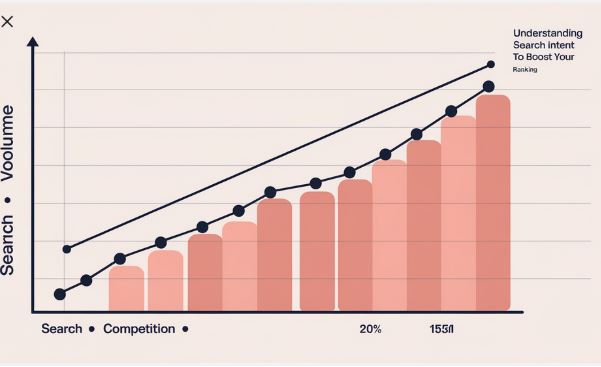
Take a look at the top results to see what is ranking for those keywords. Do the results primarily consist of blog posts? If your answer is yes, it shows you are mainly dealing with information intent. However, if the result page consists of product pages from an e-commerce website, it shows a transaction intent. If the results consist mainly of detailed comparisons, it is a sign of strong commercial intent.
Also consider the most common types of content appearing in the search results. Do they consist mainly of Top 10s, How-to guides, Quick Q&A answers, and more? The content format will highlight the user’s search query preferences.
Certain features of the Google Search Results page can hint at the search intent. These are:
- Knowledge panels and featured snippets. If the answer to the set keyword appears here, it's a sign that the keyword is an information keyword.
- People Also Ask. These questions can also provide essential information relevant to the information needs. It will also provide important insights into understanding the search intent.
- Product carousels and Shopping ads. This indicates that the keyword is transactional or has a commercial investigation intent.
- Video carousel. It shows people are interested in watching a video for the search intent.
- Local map result. This illustrates the local intent of the user, who is seeking something close to their location.
Consider the Query Language and Keyword Modifier
The words added to the main keyword are also known as modifiers and often reflect the search intent. Here are several language cliques:
- Informational intent. Use words like why, what, how, learn, tips, ideas, or tutorials. These terms indicate a need for more profound knowledge.
- Navigational point. This uses specific websites and brand names, such as the Udemy contact page or the Instagram login page.
- Investigation intent. Uses words such as top, review, best, alternative, compare, top vs, etc. These terms indicate that the user is comparing different options before making a buying decision.
- Transaction intent. Uses words like order, buy, discount, for sale, price, or subscribe, all of which indicate the desire to take action.
Additionally, when someone uses words such as “near me” or a city name, it indicates they are looking for a nearby solution. Therefore, it can help to note these modifiers to get a hint at the search intent.
Check the Top-Performing Content
Instead of just looking at the SERP title, review the actual result page to gauge the search intent. Check how the pages answer the search query and the exact questions they address. Consider if they are answering the question in detail and depth. Are they using short and sweet answers, or are they using long and comprehensive answers?
Check the structure of the answer. Does the article contain many videos, images, and bullet points? Do the articles on the first page follow a standard structure? If the top answers consist of step-by-step guides or other detailed answers, this can be a good hint of informational intent. Once you analyze the type of content ranking for a keyword, you can get an idea of the intent behind that content.
Use Keyword Research Tools
SEO tools can provide important insights into the search intent. However, these are best used to complement, rather than replace, the SERP analysis. Some of the top tools to consider are:
- Keyword research tools. These include Semrush, Ahrefs, and Google Keyword Planner. These will provide essential data on the keywords and their search volume while trying to classify them accordingly. They can also offer insights into the search intent.
- Content optimization tools. Tools such as Surfer SEO can analyze top-ranking pages to determine factors like length, structure, and common phrases that indicate the content satisfies the intent.
Remember that while these tools will provide the necessary data, it will still be your role to interpret that data.
Steps in Optimizing Your Content for the Search Intent
After identifying the intent behind the target keywords, focus on creating content that meets that intent. You will also need to optimize the pages for the search intent to ensure that you align your product with what the searchers are looking for.
Here are different ways to optimize the content to hit the mark:
Use the 3CS of Search intent
One of the concepts commonly discussed in SEO is the use of the 3Cs. These stand for:
Content Type: Video, Blog posts, or Product pages
This kind of content reflects the pages that serve the intent well. It seeks to determine whether the user is searching for information, a guide, a tutorial, or blog posts. If you want to buy a product, a product page is critical. You can use the Search Engine Results Page (SERP) as your primary cue.
For instance, if you find the top results for the search term “how to cook a pizza” consist of videos and blog posts, creating a product page won't help. If you are optimizing for the keyword "buy orthopedic shoes" and realize the top pages are e-commerce pages, it wouldn't be a good idea to write a long article.
Content Format: Review, Guide, Comparison, and Listicles
How is the information presented and in what structure on the search page? If you are optimizing for information keywords such as “how to bake a cake,” and you realize that the top results are in a step-by-step format, such as “5 steps to baking a cake,” it shows that’s the format users and Google prefer.
Therefore, check the top-ranking content on Google to determine the format, such as a step-by-step guide, detailed comparisons, or Q&A format, and copy the format you feel is likely to be successful.
Content Angle
This refers to the unique perspective your article will offer. For instance, a keyword like “Learn the basics of Photoshop is an angle for beginners.” Therefore, review the content to ensure it focuses on comprehensive, budget-friendly, and quick-to-implement tips. Check the introductions and titles of the top-ranking content to see the perspectives and benefits they emphasize. Make sure you use an angle that aligns with the user's expectations.
If you want to satisfy the intent of a broader query, make sure you cover all the essential subtopics and related questions. You should pay attention to the “People Also Ask” boxes to view the clues.
User Experience Optimization
Search intent goes hand in hand with the user experience. If a page is frustrating users, they will leave even when the key information is correct. There are several ways of ensuring a good user experience, such as:
- A clear structure. Make sure your content has logical headings (H1, H2, H3), numbered lists, or bullet points. These content formats can make your content digestible and scannable, ensuring that users get the information they are searching for fast.
- Quick load time. When your pages are slow, it can be a significant turn-off and lead to a high bounce rate. Therefore, ensure that the page loads fast on different devices.
- Mobile-friendliness. Many searches still occur on mobile devices, so ensure your content is readable on mobile devices.
- CTAs for different user stages. A call to action should also align with the user’s journey. When using a CTA for the information intent, you can use words such as Read, More, Check out our detailed guide, download your checklist and more. For commercial purposes, you can use phrases such as "See comparison," "request a demo," and "read a detailed review." The transactional intent can be expressed with words such as Add to Cart, Sign Up, or Buy Now. Otherwise, if you use the Buy Now Button on an information page, it will feel awkward.
Current Content Optimization
If you already have older content, don't ignore it, even if it's not performing as expected. The poor performance could be due to an intent mismatch. Instead of ignoring it, you can check whether the content's format, type, and structure align with your current ranking and the user’s expectations for the target keywords. This is key as search intent is an ever-evolving field.
Remember that search intent isn't static; it keeps evolving. Therefore, you need to regularly:
- Rewrite different sections to serve the expectations of different users. If you notice a mismatch, keep updating the content in other ways, such as changing the content type. For instance, if you had an old information post, you may update it to a more direct service page when you notice a shift in the needs of the keywords. You can also adjust the content format, such as adding the necessary visuals or a comparison table. Make sure you regularly refine the angle using the latest information or a beginner-friendly guide.
Map the Stages of the Sales Funnel
You also need to ensure that you properly align the search intent with the sales funnel to have a more effective and strategic content plan. Here are ideas to do that:
- Since users with information or awareness intent have identified a challenge or a need to learn something, you can target them with content formats such as educational guides, explainer videos, and infographics. The goal here should be to educate them and gain their trust.
- In the consideration stage, the user is comparing and researching different solutions. You should, therefore, target them using expert reviews, case studies, webinars, or a product or service page to help them make a decision.
- In transaction or decision intent, the user is ready to act and buy; your goal should be to help them make a more appealing decision. You can do that by creating content for the service page and product pages with precise details, such as the pricing, requesting the demo request form, or booking a consultation.
When you regularly optimize for these factors, you can create content that serves both SEO and user goals.
Key Mistakes to Avoid When Optimizing for Search Intent
When optimizing for the search intent, make sure you avoid the following common mistakes:
- Not taking the guidance of SERPs. If you create some well-written and organized blog posts that answer the search query, but Google SERPs show product pages ranking, your blog post will still struggle to rank. Similarly, if you create a product page for a keyword that is purely informational, it will also struggle to rank. That is why the SERPs should guide you.
- Only focusing on keywords. In the past, SEO was only about focusing on the right keyword. However, today, SEO focuses more on intent. Therefore, if you are only creating content and stuffing it with keywords, it will serve no purpose. A good idea would be to check the SERP results and the People Also Ask to get a hint of content that is likely to rank.
- Meta tags over-optimization. The meta description and meta tags can focus on satisfying a particular intent. However, if the page's content doesn't deliver on the promise, users will bounce. Google will interpret this as a sign that your page isn't a good match for the search intent, which can affect search results.
- Using one page to serve one intent. Another mistake brands and businesses make is using one page for all intents and purposes. This doesn't work because it signals to Google that your page doesn't match any intent. Therefore, it would be a good idea to focus each content piece on the dominant target keywords.
- Failure to update their old keywords. As noted earlier, search intent is constantly changing, and what worked for one keyword in the past might not work today. Additionally, the Google algorithm and user expectations change, so you need to keep updating your content to reflect these realities.
Advanced Search Intent Optimization Techniques
On top of the techniques we discussed earlier. You can also use the following to optimize for the search intent:
Using a Group of Intents to Build Content Hubs
Rather than just using some random blog posts, you can create some topic clusters. Make sure you have a main pillar page with broader information topics before linking to more specific clusters that address narrower commercial or information subtopics. This will reflect in Google's search results about your authority and enable users to navigate to related information.
Perform Competitor Analysis
You can deeply analyze competitors' pages to identify which rank for particular intent queries. Consider the question that the competitor page is running for, and check the structure of the content they are using. Is there a unique angle they are using? Can you offer more values and provide more details for the particular content than they do?
In Conclusion
Unlike the past, when Google focused on satisfying the search intent, today, it aims to fulfill the user’s search intent. That means if you want to rank well on Google, you must make search intent a central part of your approach. While the traditional ranking signals, such as backlinks, matter on Google, if your content doesn't satisfy the search intent, it will struggle to rank. Fortunately, by following our detailed guide, you can create high-quality content that answers the user’s search query.
Read more »LinkedIn Profile Tweaks That Attract Recruiters and Clients
Published on 15.01.2026 by Tracey Chizoba Fletcher
LinkedIn profiles are weird. They feel important, but most people set them up once, then never touch them again! You update your job title, upload a decent photo, add a few bullet points, then hope the right people somehow find you. Recruiters. Clients. Opportunities. All of it feels passive.
But LinkedIn does not really work like that anymore. People skim profiles fast. Really fast. They are not reading every word. They are scanning for signals, clarity, and relevance. Proof that you are worth a message.
I think this is where frustration creeps in. You feel qualified. You know you do good work. But your inbox stays quiet. That silence can mess with your confidence.
The fix is rarely dramatic. You do not need to rewrite your whole profile from scratch. Small tweaks make a big difference—the kind that change how people perceive you in seconds.
This guide breaks down LinkedIn profile tweaks that actually attract recruiters and clients. Not gimmicks. Not buzzwords. Just practical adjustments that make your profile clearer, warmer, and easier to trust.
Let’s start with the part everyone sees first!
Rewrite Your Headline to Say What You Do for Others
Your headline is prime real estate. Most people waste it. By default, LinkedIn turns your job title into your headline. That might be accurate, but it is rarely compelling. “Marketing Manager” or “Consultant” does not tell anyone why they should care.
Recruiters and clients are asking one quiet question: “What problem do you solve?” Try answering that instead!
A strong headline explains who you help and how, in plain language. Not jargon. Not corporate phrases. Just clarity. For example, “Helping startups turn website traffic into paying customers” says more than any fancy title ever could. It sets expectations immediately.
I think people avoid this because it feels bold. Like you are making a claim. But clarity is not bragging. It is courtesy. Your headline should make someone think, Oh, this is relevant to me. If it does that, you are already ahead of most profiles.
Use Your Profile Photo to Signal Approachability
Your photo matters more than you want it to. It does not need to be perfect or human. It should be clear, current, and friendly enough that someone would not hesitate to message you.
Skip heavy filters. Skip stiff poses. Skip cropped wedding photos if you can help it. A simple head-and-shoulders shot works best. Neutral background. Good light. Relaxed expression. You want to look like someone people can talk to.
I once swapped a serious photo for one where I was slightly smiling. Same outfit. Same angle. More messages. That surprised me.
People decide fast. In a split second, they judge if you feel approachable. Your photo does a lot of that work before your words ever get read. Think “professional, but human.” That balance attracts both recruiters and clients.
Turn Your Summary Into a Short, Skimmable Story
The “About” section is where many profiles fall apart. People either write nothing or write way too much. Long paragraphs. Corporate language. Lists of skills that feel copied and pasted.
Instead, think of this section as a short story—one someone can skim and still understand. Start with what you do now, then explain why it matters. Hint at who you work with or want to work with. Keep it conversational and write as you talk.
Short paragraphs help—one or two sentences max. White space matters, too. This section works best when it feels honest instead of impressive. You are not trying to win an award. You are trying to make someone comfortable reaching out.
End with a gentle invitation. Something like, “If this sounds useful, feel free to message me.” Simple, human, and effective!
Focus Your Experience on Outcomes, Not Tasks
Your experience section should not read like a job description. Most profiles list tasks. “Responsible for.” “Managed.” “Assisted.” That tells people what you did, but not why it mattered.
Recruiters and clients care about outcomes. Results. Impact. Instead of listing everything you touched, highlight what changed because you were there. Did something grow? Improve? Simplify? Perform better? For example, “Helped reduce onboarding time by simplifying internal processes” paints a clearer picture than a list of duties ever could.
I think people undersell themselves here because they think results sound braggy. They are not. They are informative.
Clear outcomes help people imagine working with you. That imagination is what turns profile views into messages.
Curate Your Skills Section Instead of Listing Everything
The skills section is not a storage closet. Treat it like a shop window. Most people add every skill they have ever touched. Tools. Buzzwords. Random competencies from five years ago. It looks impressive at first glance, then confusing on second look.
Recruiters and clients scan this section fast. They are looking for alignment, not volume. Try narrowing it down to what you want to be contacted for. The skills that match your headline and summary. The ones you still use and enjoy!
Endorsements matter here, too. A few skills with real endorsements look more credible than a long list nobody interacted with. I think trimming skills feels risky, like you are limiting yourself. In reality, you are making your value clearer. Clarity attracts the right people faster.
Use the Featured Section to Show Proof, Not Promotion
The Featured section is quietly powerful. Most profiles either ignore it or misuse it. This space works best when it shows proof of your work instead of talking about it. Articles you wrote. Projects you worked on. Case studies. Portfolio pieces. Even a thoughtful post that explains how you think.
Avoid turning this into an ad. Loud calls to action feel out of place here. Instead, think of it as a sample tray. You are letting people taste your work before committing to a conversation.
I once added a simple document explaining how I approached a common problem. Nothing flashy. It led to better inbound messages almost immediately!
When people can see how you think or work, trust builds faster. The Featured section helps with that quietly.
Stay Active in a Way That Feels Natural to You
An inactive profile feels frozen in time. You do not need to post every day. You do not need to become a thought leader overnight. But light activity helps your profile feel alive.
This can be as simple as commenting thoughtfully on posts in your industry. Sharing an article with a short reaction. Posting once a week when something genuinely interests you.
Activity shows you are paying attention. That matters. Recruiters and clients often check recent activity before messaging. Silence does not disqualify you, but presence helps.
I think the key is choosing a level of activity you can sustain. Forced posting shows. Genuine engagement feels natural!
Make Your Experience Easy to Scan on Mobile
Most people view LinkedIn on their phones, which changes how your profile is read. Long paragraphs collapse into walls of text on mobile. Important details get lost fast. Shorter sentences help. Clear spacing helps. Strong first lines help most.
Try opening your profile on your phone. Scroll like a stranger would. Notice where your eyes slow down or glaze over.
I was surprised the first time I did this. What felt readable on desktop felt heavy on mobile. Small edits fixed that quickly. If your profile scans well on mobile, it works almost everywhere.
Add Small Personal Signals That Build Trust
Professional does not mean personality-free. Small personal details make profiles warmer. A line about what you enjoy working on. A cause you care about. A way you approach collaboration.
These details help people imagine working with you. That imagination is powerful. You do not need to overshare. One or two subtle signals are enough.
This is what turns a “qualified profile” into a “message-worthy profile.” People reach out when they feel a human connection, not just competence. Trust grows in the details people were not required to include!
Customize Your LinkedIn URL for a Cleaner First Impression
This one feels small, but it is not. A custom LinkedIn URL looks intentional. Clean. Shareable. It signals that you care about details without saying a word.
The default version with random numbers feels unfinished. Like you never circled back to polish things up. Recruiters notice that stuff, even if they do not say it out loud.
Customizing it takes about thirty seconds. Your name or a simple variation usually works. Then you can use it everywhere. Email signatures. Portfolios. Proposals.
I remember finally fixing mine after ignoring it for years. It felt oddly satisfying. Like straightening a crooked picture frame. Tiny tweaks like this add up. They quietly increase trust.
Align Your Open-To-Work or Services Signals With Your Goal
LinkedIn gives you signals for a reason, so use them intentionally. If you want recruiters to find you, the Open to Work setting helps. If you want clients, the Services section does more work. Turning both on without clarity can send mixed messages.
Be honest about what you want right now. Not forever. Just now. Recruiters and clients scan for alignment. They want to know if reaching out makes sense, as clear signals reduce friction.
I think people avoid these features because they feel exposed, like you are admitting you want something, but LinkedIn is literally built for that exchange. Clear signals invite the right conversations. Vague ones slow everything down!
Ask for Recommendations That Tell a Story
Recommendations still matter. They just work best when they are specific. A generic “great to work with” line is nice. It does not say much. A short story about how you helped solve a problem says a lot.
When asking for recommendations, guide gently. Suggest what to focus on. A project. A result. A way you work. Most people appreciate the direction, as it makes writing easier.
I once received a recommendation that mentioned how I handled a stressful deadline. That one line did more for trust than any skill list. Stories stick. Let others tell your story when possible!
Audit Your Profile Like a Stranger Would
This is the final step, and maybe the most important. Open your profile in an incognito window or ask a friend to scan it quickly. Not deeply. Quickly. What is clear in five seconds? What feels confusing? What feels warm? What feels stiff?
Pay attention to how it feels, not just what it says. I do this every few months. Every time, I notice something small that could be clearer. A sentence. A headline tweak. A missing detail.
Your profile is not a one-time setup. It is a living page. Treat it that way!
Conclusion – Optimizing Your LinkedIn Profile
Attracting recruiters and clients on LinkedIn is not about playing a character. It is about removing friction.
Clear headlines. Human photos. Skimmable stories. Proof that you do real work with real people. Small signals that say, “You can trust this.”
You do not need to overhaul everything. Most of the time, a few thoughtful tweaks change how your profile feels instantly. Honestly, the best LinkedIn profiles do not try too hard. They feel honest, intentional, and easy to understand.
So take one section this week. Just one. Make it clearer. Make it warmer. Then stop. That is how profiles quietly start working for you instead of sitting there doing nothing!
Read more »Why Does TikTok Keep Showing Me The Same Type of Content
Published on 14.01.2026 by Tracey Chizoba Fletcher
You open TikTok for a quick break. One video turns into ten. Then, you notice something strange. It is the same kind of content again. Same topics. Same jokes. Same formats. Different creators, but somehow… identical!
It can feel comforting at first. Then, confusing. Sometimes, even annoying. You might start wondering if TikTok is broken, if your account is stuck, or if the app has decided this is your entire personality now. Honestly, that last one stings a bit.
But TikTok is not random. It is very intentional. Every swipe, pause, rewatch, and scroll sends a signal. Those signals stack up quietly in the background!
I noticed this when my feed suddenly became all productivity videos and “get your life together” content. It felt helpful. It also felt eerie. Like the app knew something I did not say out loud.
This post explains why TikTok repeats similar stuff, the hidden cues you give off, while uncovering how quickly its system picks up patterns. No technical jargon. Just a clear look at what is actually happening behind your For You page. Let’s unpack it!
TikTok Learns From What You Do, Not What You Say
TikTok does not care what you think you like. It watches what you do. Every action on the app sends information. When you watch a video all the way through, that matters. When you rewatch it, that matters more. When you pause, comment, share, or follow, those signals stack up fast; even what you skip matters.
Scrolling away quickly tells the app you are not interested. Lingering tells you might be. This is why your feed starts narrowing. TikTok is not trying to trap you. It is trying to serve what it thinks you will enjoy based on behavior, not intention!
You might say you are tired of seeing the same content, but if you keep watching it until the end, TikTok sees something else. It sees “interest.”
This is where people feel misunderstood by the app. But from TikTok’s perspective, it is just following the instructions you gave without realizing it. Your actions speak louder than your preferences.
Repetition Happens Because the Algorithm Chases Certainty
TikTok’s goal is not variety. It is retention. Once the algorithm finds a type of content that keeps you watching, it leans into it. Hard. It would rather show you five similar videos you might enjoy than risk one you will skip. This creates repetition!
If you watched a few videos about side hustles all the way through, TikTok assumes that topic works. So it tests more of it. If you keep watching, it locks in further. That loop tightens fast.
This is why feeds can feel stuck. Not because TikTok lacks other content, but because it found a “safe bet” and keeps playing it.
Honestly, the algorithm prefers boring consistency over risky diversity. That feels frustrating as a user, but it makes sense from a platform designed to keep attention. Once certainty sets in, breaking out takes intention.
Your Niche Interests Get Amplified Over Time
TikTok does not just learn broad interests. It learns patterns within them. If you like fitness content, it does not stop there. It notices if you prefer home workouts over gyms, yoga over lifting, beginner tips over advanced routines. Those layers stack.
Over time, your feed becomes hyper-specific. Not just “fitness,” but “short home workouts for busy people who hate cardio.” That precision is impressive and a little unsettling!
The same happens with humor, motivation, beauty, gaming, or lifestyle content. TikTok zooms in until it finds your sweet spot.
I realized this when my feed stopped showing general business advice and started showing creators who spoke slowly, used simple visuals, and focused on sustainable growth. That was not random. That was pattern recognition.
The more time you spend on the app, the narrower the feed can become. That is not a bug. It is the system doing its job a little too well!
Engagement Signals Matter More Than Follows
Many people think following accounts controls their feed. It helps, but it is not the main driver. TikTok cares far more about how you engage than who you follow. You can follow someone and still never see their content if you do not interact with similar videos.
Likes matter. Comments matter. Shares matter. Watch time matters most. This is why you sometimes see content from creators you never followed, while missing posts from ones you did. The algorithm is prioritizing behavior patterns, not loyalty.
This surprises people because it feels personal, like TikTok is ignoring your choices. But it is really prioritizing what keeps you engaged moment by moment. Following sets a hint. Engagement sets the direction!
If you want more variety, engagement is where change starts. But that is a whole conversation on its own.
Small Habits Quietly Train Your For You Page
Most people think they need to do something big to change their feed. They do not. TikTok learns from tiny habits repeated over time. Pausing for half a second longer than usual. Watching a video twice without realizing it. Letting one clip loop while you get distracted. Those moments add up.
You might not even like the content that much. But if you keep lingering, TikTok assumes interest. It does not judge. It just records. This is why feeds slowly drift instead of changing overnight. Your behavior nudges the algorithm little by little. Then one day, you notice your feed looks completely different.
This catches people off guard because it feels passive, like the app is doing something to you. But honestly, you are training it constantly without noticing! Your For You page is less about preferences and more about habits.
TikTok Tests You Before Fully Committing
Before TikTok floods your feed with a certain type of content, it usually tests the waters. You might notice a random video on a new topic. Then another, a few hours later. Then suddenly, it is everywhere. That is not a coincidence. That is testing.
TikTok shows you a small batch of similar videos and watches them closely. Do you finish them? Do you engage? Do you scroll away faster than usual?
If the signals look positive, the algorithm scales it up. If not, it quietly backs off and tries something else. This testing phase happens constantly in the background. Most people never notice it because it feels seamless.
I realized this when I started getting videos about a topic I barely remembered watching once. I must have paused too long. TikTok noticed. Then it experimented.
Your feed is a series of experiments. Some stick. Some disappear. The ones that stick shape what you see next!
Why It Feels Like TikTok Knows You Too Well
This part can feel unsettling, honestly. TikTok feels personal because it connects patterns faster than humans do. It does not need to understand you emotionally. It just needs enough data points.
Over time, it learns when you are tired. When you want comfort. When you want a distraction. When you want motivation. It does this by noticing when you stay and when you leave.
Late-night scrolling often brings softer, more reflective content. Midday scrolling might bring faster, punchier videos. The algorithm adjusts based on timing and behavior. This is why TikTok can feel “in sync” with your mood. It is not mind-reading. It is pattern recognition!
I remember scrolling late one night and thinking, Why is everything suddenly slow and quiet? Then it clicked. My behavior had shifted. TikTok followed.
The app feels intuitive because it reacts quickly. That speed is what makes repetition feel intense.

Repetition Can Be Comforting or Draining
Seeing the same type of content over and over can feel good at first. It feels familiar. Safe. Predictable. Like background noise, you understand. That is why comfort content spreads so easily on TikTok.
But over time, repetition can turn into fatigue. You stop feeling curious. Everything blends together. The feed feels flat.
TikTok does not know when you are bored unless you show it. Passive scrolling looks the same whether you are entertained or exhausted. This is where users feel stuck. The algorithm thinks it is doing its job. You feel under-stimulated or annoyed.
I think this is why people take TikTok breaks. Not because the content is bad, but because it becomes too narrow. Variety requires intention. Without it, repetition takes over by default.
You Have More Control Than You Think
The algorithm is powerful, but it is not in charge of everything. Your actions still matter. Actively skipping content you are tired of helps. Watching different topics all the way through helps more, and searching for new interests sends strong signals.
Using features like “Not Interested” also works, especially when used consistently. It tells TikTok clearly that a certain type of content is no longer welcome.
Following new creators outside your usual niche helps, too. It expands the pool TikTok pulls from; even a small shift can widen your feed over time.
I think people underestimate how responsive TikTok actually is. It just needs clear signals. Mixed signals slow change.
Your feed is not permanent. It is flexible. But it responds to what you do, not what you wish would happen.
How Long It Takes to Change Your Feed
This is where expectations usually go wrong. You change how you scroll for one night. Maybe two. Then you open TikTok and… nothing changes. Same themes. Same formats. Same energy. It feels discouraging. But TikTok does not work on instant switches. It works on patterns—repeated ones!
Most noticeable changes take several days. Sometimes, a couple of weeks, especially if your old habits were strong. The system wants real signs your likes changed—more than just a quick change in vibe.
Imagine guiding a huge vessel. One twist of the helm, yet the path shifts gradually. That delay does not mean the wheel is broken!
I think people quit too early here. They assume the feed is stuck when it is actually recalculating. If you stay consistent with new behavior, TikTok follows. It just moves at its own pace!
Why Clearing Cache or Resetting Settings Rarely Helps
This one feels tempting! Clearing cache. Logging out. Deleting and reinstalling the app. It feels productive. Like a clean slate. Honestly, it rarely does much!
Your TikTok behavior lives on TikTok’s servers. Not just your phone. Watch time. Engagement patterns. Topic preferences. Those signals do not disappear because you cleared storage. So when people reset everything and still see the same content, frustration kicks in. It feels unfair. Almost personal.
The truth is simple. Settings do not retrain the algorithm. Behavior does. You can use settings as support. Not interested buttons. Topic filters. But they work best when paired with new habits.
I learned this the hard way after reinstalling the app twice. Same feed. Same lesson. Actions matter more than resets.
The Difference Between Passive and Active Scrolling
This distinction changes everything. Passive scrolling is when you let videos play without thinking. You half-watch. You linger. You let things loop while your mind wanders. TikTok reads this as “interest.”
Active scrolling looks different. You skip quickly when something does not land. You stop fully when it does. You engage with intention instead of inertia.
TikTok understands active signals better. They are clearer, cleaner, and easier to interpret. This is why feeds drift without you noticing. Passive habits train the algorithm quietly. Then one day, you look up and wonder how you got here.
I think awareness is the hardest part. But once you notice your scrolling style, change becomes possible. Small shifts add up fast!
Why Some Topics Are Harder to Escape
Some content sticks like glue. Drama. Outrage. Hot takes. Emotional extremes. These videos hold attention longer, even when you disagree with them. TikTok sees that hold and doubles down.
This is why arguing in the comments backfires. Watching out of disbelief backfires, too. The algorithm does not care why you stayed. It only sees that you stayed.
So certain topics feel impossible to escape once they enter your feed. The engagement signals are strong. The loop tightens quickly! The only real way out is boring. Scroll away fast. Do not finish the video. Do not comment. Do not linger.
I know. It feels unsatisfying, but silence sends the clearest signal. Over time, the content fades. Think of it like starving a fire of oxygen. No fuel. No flame.
When Starting a New Account Makes Sense
Sometimes, people ask if starting over is easier. The honest answer is, sometimes it is. But not always. If your account has years of deeply ingrained habits and your interests truly changed, a new account can feel refreshing. TikTok goes back into testing mode. Variety returns.
But this comes with trade-offs. You lose saved videos. You lose familiar creators. You lose the history that shaped your feed.
For most people, adjusting behavior on an existing account works just fine. It just takes patience. More patience than starting fresh.
New accounts make sense when your goals fully shift. Not when you are just bored for a week. Otherwise, you often recreate the same feed again. Wherever you go, the algorithm follows you.
Conclusion
TikTok keeps showing you the same type of content because it listens closely. Maybe too closely. It watches what you do. How long you stay? What you replay? What you scroll past without thinking. Then it builds a picture. Piece by piece.
That picture is not permanent. It is flexible. But it responds to habits, not wishes. If you want change, start small. Scroll with intention. Skip what drains you. Stay with what actually helps. Search for new topics on purpose!
Fair enough, once you quit treating TikTok like a force out of nowhere and treat it more like a habit you’re slowly shaping, things feel less annoying.
Next time your feed seems boring, just stop. Notice your habits. Adjust gently. Give it time. Then watch how the feed slowly meets you where you are going, not where you were!
Read more »How to Turn One Podcast Episode Into a Week of Social Content
Published on 13.01.2026 by Tracey Chizoba Fletcher
You hit publish on a podcast episode. It goes live. You share it once. Maybe twice. Then it quietly disappears into the feed. That part hurts a little, honestly.
Podcasts take effort—planning, recording, editing, and mental energy. So having an episode go live for one day and then vanish feels like leaving money and momentum on the table.
Here is the good news. One podcast episode is not one piece of content; it is a content goldmine. You just have to slow down and pull it apart.
Think of your podcast like a big meal. You do not eat everything in one bite. You break it up, savor it, and stretch it. Social content works the same way.
I used to rush this. Record. Post. Move on. Then, I realized I was skipping the easiest part and reusing what I already made. Once I changed that, the content stopped feeling so heavy.
This guide is about turning one podcast episode into a full week of social content without sounding repetitive or forced. No complicated tools. No content factory mindset. Just simple repurposing that feels natural and human!
If you already have a podcast, you are sitting on more content than you think. Let’s unlock it!
Start by Identifying the Core Message of the Episode
Before you clip anything or write captions, pause for a second. Ask yourself one simple question: What was this episode really about? Not the title or outline. The actual core message. The one idea you kept coming back to without realizing it.
Maybe the episode was about consistency. Or burnout. Or starting before you feel ready. Or fixing one common mistake. Every good episode has a heartbeat like this.
That core message becomes your anchor for the week. Every piece of content you create should connect back to it in some way. That keeps your posts cohesive instead of scattered.
I think this step gets skipped too often. People jump straight into clipping random moments. The result feels messy, like highlights without a story.
Try this instead. Write one sentence that sums up the episode’s main takeaway. Just one. Plain language. No polish. For example, “You do not need better ideas, you need better follow-through.” That sentence alone can fuel days of content. Once the core message is clear, everything else gets easier.
Pull Out Short, Shareable Moments First
Now you can start breaking things down! Listen to your episode and notice the moments where your energy shifts. Where you pause. Where you say something that feels honest or slightly uncomfortable. Those moments usually land best on social media. You are not looking for perfection. You are looking for clarity.
Pull short clips. Thirty seconds. Sixty seconds. Even fifteen if it hits hard. These become your reels, shorts, or TikToks for the week.
Do not over-edit. Clean audio. Simple captions. Let the words do the work. If a video feels intimidating, start with audio-only clips paired with text. That still works. What matters is the message, not fancy visuals.
Honestly, some of my best-performing clips were the ones I almost skipped because they felt “too simple.” Simple often lands harder. These short moments are your top-of-funnel content. They introduce people to your thinking without asking for a big time commitment!
Turn One Insight Into Multiple Written Posts
Every podcast episode contains more than one idea. You just have to isolate them. Think about the episode as a collection of mini-lessons. Each one can become its own written post—a tweet-style caption, a carousel, a LinkedIn post, a story slide.
For example, if you talked about consistency for twenty minutes, there were probably several angles inside that. Why consistency matters. Why do people avoid it? What consistency actually looks like in real life. Each angle becomes a post.
You are not repeating yourself. You are zooming in. That distinction matters. Write these posts as if you are explaining one thought to one person. Keep it tight and conversational. Reference the episode lightly if it fits, but do not force it. Something like, “This came up on the podcast this week, and I think it is worth repeating.” Simple and human.
Written posts are great for people who do not watch videos or listen to podcasts. You are meeting them where they already are.
Use Stories to Fill in the Gaps
Stories are where everything softens! This is where you can talk about why you recorded the episode. What prompted it? What surprised you while recording? What you left out. What are you still thinking about?
You do not need a script here. Just honest reflections. For example, “Recording this episode made me realize I still struggle with this.” Or, “I almost cut this part, but I am glad I left it in.” Those moments build connections fast.
Stories also let you re-share your clips and posts without feeling repetitive. Different framing. Same content. New angle.
I like using stories as a casual follow-up. Post a clip. Then, later, share a story saying why that moment mattered to me. It feels like a conversation, not a promotion. Stories glue the week together. They turn separate posts into one ongoing thread.
Turn One Episode Into a Simple Content Calendar
Once you have clips, posts, and story ideas, it helps to lay them out visually. Not fancy, just clear. Think in days. One episode. One week. That is it.
For example, Monday might be a short clip that introduces the core idea. Tuesday could be a written post that zooms in on one insight. Wednesday might be a story reflection. Thursday, another clip. Friday, a reminder post or question.
This structure removes decision fatigue. You are not waking up every day asking, “What should I post?” You already decided.
I think people underestimate how much mental energy this saves. When your brain is not constantly choosing, it can focus on creating better content.
You can reuse this same weekly flow for every episode. Change the topic. Keep the rhythm. That consistency helps your audience, too. They start expecting certain types of posts on certain days. A simple structure creates breathing room!
Rewrite Podcast Moments Instead of Transcribing Them
This part matters more than it sounds. Do not just copy and paste what you said on the podcast. Spoken language and written language feel different. What sounds natural out loud can feel clunky on screen.
Instead, rewrite the idea in a way that fits the platform. Take the core thought, then explain it again, like you are texting a friend. Shorter sentences. Clearer words. A little breathing space.
For example, if you rambled for two minutes about perfectionism, the written version might be five lines that get straight to the point. Same idea. Cleaner delivery. Rewriting helps you sharpen your own thinking, too. You notice what matters and what was just filler.
Your audience does not need a transcript. They need clarity. Give them that.
Use Questions to Spark Conversation From the Episode
Podcasts are great for talking. Social content is great for listening back. One easy way to bridge that gap is by turning episode ideas into questions. Not engagement bait. Real questions you actually care about.
For example, “What part of consistency do you struggle with most?” Or “Have you ever stopped something too early because results felt slow?”
These questions invite reflection, not just comments. They turn your content into a two-way exchange. I think this is where podcasts shine. You already thought out loud; now you are inviting others into it.
You can ask these questions in captions, stories, or even as text on a reel. Keep them open-ended and let people answer honestly!
Conversation builds community. Community keeps people around longer than content ever will.

Let One Episode Fuel Your Newsletter or Long-Form Post
Your podcast does not have to live only on social platforms. If you have a newsletter, blog, or long-form space, one episode can easily become a deeper written piece. Not a recap. A reflection.
Expand on one idea you touched on briefly. Add context you did not have time for. Share what you are still thinking about after recording. This works especially well for people who like to read slowly, the ones who save posts, and the ones who reply thoughtfully.
I used to think this was overkill. Honestly, it is not. Different people prefer different formats. You are just meeting them where they already are.
Plus, long-form content deepens your authority without feeling pushy. It shows you think beyond sound bites. One episode. Multiple layers. Same message.
End the Week by Pointing Everything Back to the Episode
At the end of the week, gently close the loop. Share one post or story that brings everything back to the full episode. Not aggressively. Just a reminder. Something like, “This week’s posts came from one conversation I really enjoyed. If you want the full context, the episode is up.”
People who resonated with the content now have a clear next step. People who missed earlier posts can catch up. This works because trust has already been built throughout the week. You are not asking strangers to listen. You are inviting familiar faces.
I think this step often gets skipped because it feels repetitive. It is not. It is helpful. Closing the loop turns scattered content into a complete experience.
Adapt Each Piece for the Platform Instead of Copy-Pasting
One mistake that quietly hurts good content is posting the same thing everywhere. It feels efficient. It also feels off to the audience.
Each platform has its own rhythm and expectations. What works on Instagram might fall flat on LinkedIn. What feels natural on TikTok might feel rushed on YouTube Shorts. Instead of copy-pasting, try adapting.
Take the same idea and adjust the delivery. Shorter hooks on faster platforms. More context where people expect to read. Softer pacing where attention lasts longer.
For example, a bold statement might work as a reel hook. On Instagram captions, you might soften it with a short explanation. On LinkedIn, you might add a quick personal takeaway. The same message but with a different outfit.
This small adjustment makes your content feel intentional instead of recycled. People can tell when something was dropped in without thought. They can also tell when you cared enough to tailor it. Adaptation keeps your brand feeling present everywhere, not stretched thin!
Use Visual Variety Without Breaking the Message
Even when the message stays the same, visuals can rotate. This keeps your week of content from feeling repetitive, even though it all came from one episode.
One day might be a talking-head clip. Another day, text on screen. Another day, a simple graphic. Another, just a caption with no image doing the heavy lifting.
The message stays consistent while the presentation shifts slightly. Think of it like telling the same story from different angles. Same truth. New lens.
This also helps you learn what your audience prefers. Some people engage more with video. Others save written posts. Over time, patterns show up.
I think variety keeps you interested, too. Posting the same format every day gets dull fast. Mixing it up keeps creation feeling lighter.
Just remember. Change the wrapper, not the core. That balance keeps your brand clear.
Track What Works Before You Move On
After the week is done, pause. Look back at what resonated. Not just likes. Saves. Replies. Shares. Quiet signals. Which clip held attention longer? Which post sparked conversation? Which story got responses? These details matter.
They tell you what parts of your thinking connect most with your audience. That information helps shape future episodes, too. It becomes a feedback loop.
I used to rush past this part because I wanted to create the next thing. Slowing down helped me grow faster, oddly enough.
You do not need spreadsheets. Just awareness. A few notes in your phone work. Reflection turns repurposing into a strategy instead of a habit.
Build a Sustainable Rhythm You Can Repeat
The real win is not one good week of content. The win is a system you can repeat without burning out. Once you know how to turn one episode into a week of posts, the pressure lifts. You stop chasing ideas and start refining processes.
This rhythm becomes familiar and comfortable. Almost boring in a good way. You record. You break it down. You schedule. You show up. Then you rest.
I think sustainability is underrated in content creation. Flashy growth comes and goes. Steady systems stick.
Build something you can maintain on tired weeks, not just motivated ones. That is how consistency actually happens!
Conclusion
Your podcast is not just a show. It is a content engine. One episode can fuel a full week of thoughtful, connected social content if you slow down and reuse what you already made. No forcing. No stretching. Just intentional repackaging.
Start with the core message. Pull short moments. Rewrite ideas. Add stories. Adapt for platforms. Close the loop. That is it!
You do not need more ideas. You need to honor the ones you already shared. Honestly, this shift changes how content feels. Less pressure. Less scrambling. More confidence.
So the next time you publish an episode, do not rush past it. Sit with it for a week and let it work harder for you. If this helps, try it with your next episode and see how it feels. Then adjust. That is the real game!
Read more »The Next Wave of Social Commerce Features on Instagram and TikTok
Published on 11.01.2026 by Tracey Chizoba Fletcher
Shopping used to mean opening a browser, typing a product name, and comparing tabs. Now? You scroll, tap, and buy. Sometimes, without even realizing how fast it happened.
I think that shift still surprises a lot of creators. Honestly, it surprised me the first time I bought something straight from a Reel while half-asleep.
Instagram and TikTok are no longer just content platforms. They are malls. Busy ones. Loud ones. Personal ones. The kind where creators act as shop windows, salespeople, and storytellers all at once.
Social commerce is not coming. It is already here. And the next wave is bigger, smoother, and more creator-focused than ever.
What is changing now is not just the tools. It is the behavior. People trust creators more than ads. They buy based on vibes, not banners. They want discovery to feel natural, not pushy. So platforms are building features that blend shopping into content without breaking the scroll.
If you are a creator, brand, or small business, this matters a lot. These new features shape how money moves on social media. They affect reach, income, and how you show up online. So let us walk through what is coming next, one piece at a time, without the hype!
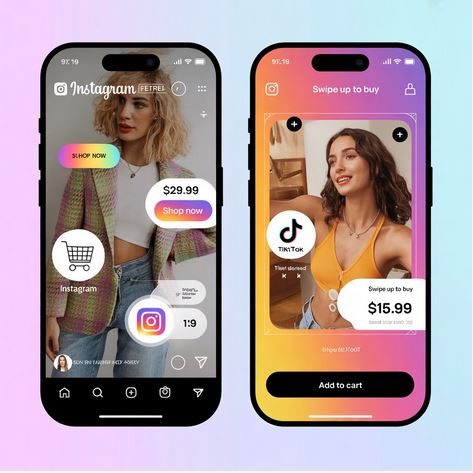
In-Feed Shopping That Feels Invisible
Shopping posts used to scream “buy now.” Bright tags. Hard calls. Obvious sales energy. That approach is fading. The next wave of in-feed shopping is quieter, softer, and most invisible.
Instagram and TikTok now lean toward embedded product tags that blend into content. A creator wears a jacket. Someone taps. The product appears. No interruption. No pressure. Just curiosity doing its thing.
I think this works because it mirrors real life. You see a friend wearing something cool. You ask where it is from. That is it. No sales pitch needed. Social commerce is copying that moment.
Creators benefit here, too. You can sell without selling. Show how you use something. Style it. Live in it. The product becomes part of the story, not the point of the story. That feels better for everyone involved.
Expect more tools that let you tag products naturally inside Reels and TikToks. Fewer pop-ups. More context. More discovery. Shopping that sneaks in quietly while the content stays front and center.
Creator Shops That Feel Personal, Not Corporate
Creator shops are evolving fast. Early versions felt stiff like mini websites pasted onto profiles. Now they feel more like curated shelves, personal collections, and taste-driven spaces.
Instagram and TikTok are pushing creator-led storefronts that reflect personality. Favorite items. Weekly picks. “Things I actually use” vibes. Honestly, that trust factor is huge. People buy when they feel like you picked something for them, not sold something to them.
Think of it like a friend sending you a list—“These are my go-to things lately.” That energy converts better than any discount banner. I once bought a skincare product just because a creator added a short note saying, “This saved my skin during winter.” That was enough.
The next wave focuses on customization. Rearranging shops easily. Highlighting seasonal picks. Tying products to specific content. It becomes less about inventory and more about taste.
If you are a creator, your shop is no longer a side feature. It becomes an extension of your voice—quiet, curated, and human.
Live Shopping That Feels Less Like Television
Live shopping had a rough start. It felt forced, loud, and awkward. Like late-night TV squeezed into a phone screen. That is changing.
Platforms learned something important. People do not want performances. They want conversations. The next wave of live shopping is calmer, slower, and more interactive.
Think the creator is hanging out on live. Answering questions. Trying products casually. Talking about real experiences. Viewers tap to buy if they want. No countdown timers. No shouting.
TikTok especially leans into this style. Lives feel like group chats now. People ask questions and creators respond in real-time. Trust builds quickly in that setting.
I think live shopping works best when it feels optional. Join if you want. Leave if you want. Buy if it fits. That relaxed energy keeps people longer, which helps reach and sales at the same time.
Expect more tools that support casual live shopping. Better chat features. Easier product pinning. Smoother checkout flows. Less friction. Less pressure.
Smarter Product Discovery Through Recommendations
Product discovery is getting smarter. Not louder. Algorithms already know what people like. Now they use that knowledge to surface products that feel oddly well-timed.
You watch a few fitness videos, and suddenly, you see workout gear. You save home décor posts, and lighting shows up. It can feel eerie, but when done well, it feels helpful.
The next wave focuses on context, not just behavior. What you watch. How long do you watch? What you save. What you rewatch. All of that shapes what products appear.
For creators, this means niche content matters more than ever. Clear themes help platforms match your audience with the right products. Random content confuses the system. Focused content feeds it.
Honestly, this makes social commerce more sustainable. People discover things they actually want. Creators recommend things that fit their audience. Platforms earn without annoying everyone. A rare win-win.
One-Tap Checkout That Removes Second Thoughts
Buying online used to feel like a process. A long one. Add to cart. Create an account. Confirm email. Enter card details. By the time you finished, the excitement was gone. That pause mattered more than platforms expected.
Now the goal is speed. One tap. Sometimes two. Payment saved. Address remembered. No extra thinking. No mental backtracking.
Instagram and TikTok are pushing this hard. They want “buying” to feel almost invisible, like liking a post or saving a video. You barely notice the step. This works because people buy on emotion first. Logic comes later. If later even arrives.
Creators feel the difference immediately. Fewer people drop off. Fewer messages asking, “Is the link broken?” Fewer abandoned carts.
I think of it like this. The moment someone wants something is fragile. It fades fast. One-tap checkout keeps that moment alive just long enough.
It also shifts how creators sell. You do not need aggressive calls to action, and you do not need countdowns. The system does the heavy lifting. You show, they tap, and that is it.
Affiliate Tools That Feel Built for Creators
Affiliate marketing used to feel like homework. Tracking links. Remembering codes. Checking dashboards that made no sense. It pulled you out of the creative flow. Platforms are finally noticed.
Now, affiliate tools are baked into the apps themselves. You tag products the same way you tag a friend. Earnings show up clearly. No guessing.
This matters because creators already juggle a lot. Filming. Editing. Posting. Engaging. Monetization should not add stress.
TikTok, especially, is leaning into creator-first affiliate systems. You can browse products directly in the app, pick what fits your content, and share naturally.
Instagram is catching up fast, as product tagging is smoother, affiliate insights are clearer, and there is less friction overall.
I think this encourages better recommendations. When tools are easy, creators choose products they actually like. Not just what pays the most. It starts to feel less like selling and more like sharing something useful. That trust compounds over time.
And for newer creators, this is huge. You do not need brand deals to earn. You just need consistency and honesty.
Shoppable Comments and Pinned Product Moments
Comments used to be an afterthought; now they are part of the sales funnel. Quietly. Subtly. People ask questions there. Real ones. “Where did you get this?” “Does it actually work?” “Is it worth it?”
Platforms realized something simple. Those questions signal intent, so now creators can pin products directly inside comment threads. No redirect. No awkward reply with a link buried somewhere. The conversation stays intact, and the vibe stays relaxed.
TikTok shines here. Comments already drive discovery. Adding shopping feels like a natural extension, not an interruption.
Instagram is experimenting more, but the direction is clear. Comments are no longer passive. They are actionable.
Honestly, this mirrors real life. Someone asks, and someone answers. No sales pitch needed. I think this format will outperform traditional product links long-term. It respects the viewer and feels human. And it rewards creators who engage. Those who reply. Those who listen.
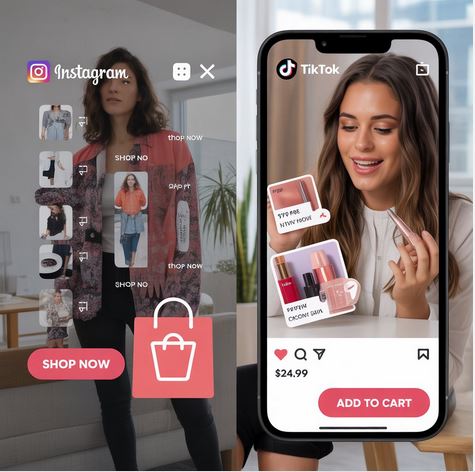
AI-Powered Product Matching That Feels Thoughtful
Artificial Intelligence, spelled out once, is no longer loud. It works quietly in the background now. Instead of flooding content with random products, platforms are focusing on relevance, context, and fit.
The system watches what your video is about, who watches it, and what they interact with. Then, it suggests products that make sense. Creators benefit without extra effort. You post your content, and the platform matches products automatically. Less tagging. Less manual work.
This also protects the experience. Viewers see fewer irrelevant offers. Less noise. More alignment. I think this is important for trust. When product suggestions feel random, people scroll past. When they feel thoughtful, people pause.
It is like a helpful shop assistant who listens before recommending anything. Creators still control what appears, but they get smarter and quieter support. The best kind.
Deeper Analytics That Show What Converts
Views feel good, likes feel better, and sales feel real. Platforms are finally giving creators clearer data around what converts. Not vanity metrics. Actual buying behavior. You can now see which videos drive purchases, which formats work, and where people drop off.
This changes everything. Instead of guessing, you learn. Maybe casual clips outperform polished ones, or tutorials sell more than reviews. I once noticed a shaky, unscripted video drove more sales than a planned shoot. That lesson stuck.
Instagram and TikTok are leaning into this transparency with more charts, clearer paths, and fewer mysteries. Creators can refine their approach without burning out. You double down on what works and let go of what does not. It feels like having a map instead of wandering in the dark.
Live Shopping That Feels More Like Hanging Out
Live shopping is no longer stiff. No scripts. No forced smiles. It feels closer to a casual hangout now. Creators go live. They chat and answer random questions. Someone asks about a product, so they show it. That casual energy matters. People trust relaxed conversations more than polished pitches.
Instagram Live and TikTok Live are leaning into this hard. Better product pinning, cleaner layouts, and fewer distractions. You can talk through a product while reacting to comments in real-time. That back-and-forth builds confidence.
It feels like shopping with a friend and not a brand. I think this format works because it slows people down. They stay longer, listen, and buy when it feels right. And creators benefit too. You get instant feedback. You see what lands and adjust on the fly.
Creator Shops That Feel Personal, Not Corporate
Creator shops are becoming a thing. A real thing. Instead of linking out everywhere, you now get a mini storefront inside your profile. Curated. Intentional. Yours. This changes how people browse. They do not just see one product; they see your taste.
Instagram Shops and TikTok Shop profiles are evolving fast with better layouts, easier edits, and clearer product groupings. You can organize items by theme, daily essentials, favorites, and things you actually use.
I think this works because people follow creators for perspective, not inventory. A good creator shop feels like walking into someone’s room. You get a sense of them instantly. No pressure. Just exploration.
Messaging-Based Shopping That Feels Private
Not everyone wants to shop publicly, as some people prefer quiet conversations. Platforms noticed, and direct messages are becoming part of the buying flow. You ask a question. You get a product link. You decide privately.
Instagram Direct Messages and TikTok inbox tools are leaning into this experience with faster replies, better automation, and clear product cards. This feels more personal and controlled. This will matter a lot for higher-priced items or sensitive purchases.
Creators can keep the tone gentle, helpful, and human. It feels less like selling. More like helping someone figure something out.
Social Proof That Happens Naturally
People still look for reassurance. They just do it faster now. Likes. Comments. Saves. Purchases by others. All of it matters.
Platforms are surfacing this subtly. You see how many people bought something, and you notice repeated mentions.
It is quiet social proof. Not loud. Not pushy. TikTok does this especially well. You scroll, you see patterns. The same product pops up. Different creators. Different angles.
I think that repetition builds comfort. Like seeing the same café every morning on your walk. You do not question it anymore. You just trust it. Creators who stay consistent benefit the most here, and over time, familiarity turns into confidence.
Conclusion – Social Commerce is Becoming Invisible
This next wave of social commerce is not about louder selling; it is about smoother moments. Buying fades into the background. Content stays front and center.
That is the shift. Instagram and TikTok are building systems that respect attention. They remove friction and support creators without hijacking creativity. This is healthier for viewers, creators, and platforms. You do not need to push harder. You just need to show up clearly. Share what fits and stay human.
If you are a creator, start experimenting. Gently. One feature at a time. If you are a brand, pay attention to tone. The future belongs to conversations, not campaigns.
So explore. Test. Adjust. And keep it real!
Read more » © 2017 - 2026 SocialWick. All Rights Reserved. 

Sign up for SocialWick
Login
InstagramYouTubeTikTokFacebookTwitchSpotifyTwitter (X)SoundCloudIGTVLinkedInThreadsWebsitePinterestVKApple MusicSEO
Checkout
OK

Information
Order processing usually starts within a few minutes, but some services may take a few hours or even a few days. We offer free refills for up to 60 days if needed. Our services are 100% secure and discreet, with a focus on gradual and safe delivery for your peace of mind.
Order processing usually starts within a few minutes, but some services may take a few hours or even a few days. We offer free refills for up to 60 days if needed. Our services are 100% secure and discreet, with a focus on gradual and safe delivery for your peace of mind.
Service
+0,00
Voucher
-0.00
Total
+0.00
OK
Affiliate & Reseller Program
Customer support
How may we help you?
General Support
Order Support
Frequently Asked Questions
1) What kind of services do you offer?
We are a social media marketing company, and we have a wide variety of services across different platforms that our clients can pick and choose from. Once selected, we can create a plan to suit their needs. There are several types of services, such as channel or profile follows, channel subscribers or followers, video views, song plays, etc.
2) Is your service legal?
Absolutely. Unlike the other shops, SocialWick only uses the safest and the most secure methods to deliver followers, likes, etc. to your account. That means that we don’t break any rules and terms. Therefore, your account will always be safe!
3) Will I need to give you the passwords for my accounts?
No, you can keep your passwords to yourself because our services don’t need a password to influence your accounts. In case you ever receive an email that says it is from us, asking you a password, please report it to us immediately.
4) Are the likes, followers, and subscribers real, or are they bots?
Unlike many services that inflate their ability to get you likes and followers, we only use real people to give our clients likes, follows, etc. With our social media marketing method, our clients’ accounts are grown organically and can also get you subscribers and likes from people who are not associated with us.
5) How fast can you deliver my order?
We will show you the estimated delivery time when choosing the service. However, this is only a rough and estimated value — in most cases, the services are delivered much faster. In some cases, it may take longer. We always aim for a natural and secure delivery!
6) What are your best-selling social media marketing services?
Although we have many services across most social media companies, our services within the Instagram platform are our best-selling options.
7) How do I know my account will not be flagged or banned?
Because we only use real people, your account(s) will not be penalized. We never, ever use bots, as using bots would lower the quality of our services. We understand that social media marketing is full of bots and fakery. Still, we are dedicated to authentic views, and profile follows that benefit your accounts.
8) What is the best method to communicate with you?
If our clients need to communicate with us to resolve their problems or questions, we have a customer support ticket system available 24/7. Click on the contact button, and you will be sent to our support form. When you buy one of our services, we will email you to check if there were any problems. Your satisfaction is our top priority.
9) Are there discounts for large orders?
Yes! If you would like to request a large order that isn’t on our ordering layout, we will have no problems accommodating you. If you contact us on our customer support form, we can help you create a buying plan that meets your needs.
10) What methods of payment do you accept?
We accept all forms of credit and debit cards, as well as visa gift cards, PayPal, and Crypto.
11) If I am unsatisfied with your services, am I able to receive a refund?
Unfortunately, due to the nature of our social media marketing services, refunds are unavailable. However, SocialWick is dedicated to customer satisfaction. If you elaborate on why you find our services to be underwhelming, we can cooperate with you and discover what will best meet your needs.
12) I haven’t received my order
Please make sure the following criteria are met before placing an order to secure a successful delivery.
- Your account is set to public
- You have typed in the correct username or link
- You have not changed your username before the order’s completion
- The post or account still exists and has not been deleted
- The post or account has not been restricted or removed in some countries
- Allow the estimated delivery time for completion of your order
13) How can I request a refill?
You may submit a refill request through the contact form. Please note that we can only provide you with a free refill within the first 60 days of your purchase.
Learn more
What is SocialWick?
We are the leading marketplace for social media promotion. You can buy followers, likes, views, and a lot more for nearly all social media networks. We offer affordable prices without making any compromises in terms of the service quality.
With over a million satisfied customers, including big-name artists, companies, and well-known influencers, SocialWick is the go-to platform for all your social media needs. Our services are 100% discreet and secure, with gradual and natural delivery to ensure your social media accounts are never at risk.
About SocialWick — The Market Leader since 2017
With more than 10 million orders, SocialWick is one of the world’s biggest social media stores. You can find everything on our website to improve your presence on major social media platforms like Instagram, YouTube, Facebook, etc. We offer different types of services for several social media platforms. Your wish is our command, and whatever your goal might be, SocialWick will help you achieve it. Whether you need more likes on your Instagram photos or want to make your LinkedIn profile more popular by getting additional followers, SocialWick is there to turn your goal into reality.
Thanks to our effective services and our customer-oriented work, SocialWick has become a top player. You will not find a better service anywhere else, especially not at such affordable prices. SocialWick is operating since 2017.
365 Days Per Year Customer Service
Your satisfaction is our motivation! We’re not here just for the money; we do our work to help people find their road to social media success. And that’s why our team will do all to make sure everything goes according to plan. If there’s something wrong with your social media campaign, or worry that there might be some problems with your account, or want to learn more about how our services work, feel free to ping us. Our service staff is there for you seven days a week, ready to answer any of your questions. You can get in touch with us using the contact form on our website.
Buying Followers and Likes is Essential
Unless you’re Kylie Jenner, you do need some help with social media. The more followers you get on platforms like Instagram and Twitter, the more influential you get. Having the power to influence people’s opinions is not only impressive but can also be very profitable. The bad news is that everyone wants to be famous and influential these days, but only a few can succeed. The good news is that you can be the chosen one who will get social media fame and everything that comes with it. But, for that, you need a little help from your friends from SocialWick.
With our help, you will increase the number of followers on social media, which will have a domino effect and bring you even more new followers. Once people see that you got big followership, they will decide to give you a follow. "If a profile has so many followers, it means that it’s interesting" – you can be sure this is going to be their reasoning. Furthermore, more followers mean a better ranking on search engines. And that means more potential customers/clients for your business. Finally, a large number of followers also do great for your credibility. Our social media services will help you to create a better overall picture of your brand.
Let’s be honest; a business with 30,000 followers is much more credible than one with 74 followers. And that’s exactly what potential customers will pay attention to. A weak social media profile can be a real deal-breaker. At the same time, a fantastic social media profile can do wonders for your company. And SocialWick can make your social media profile amazing!